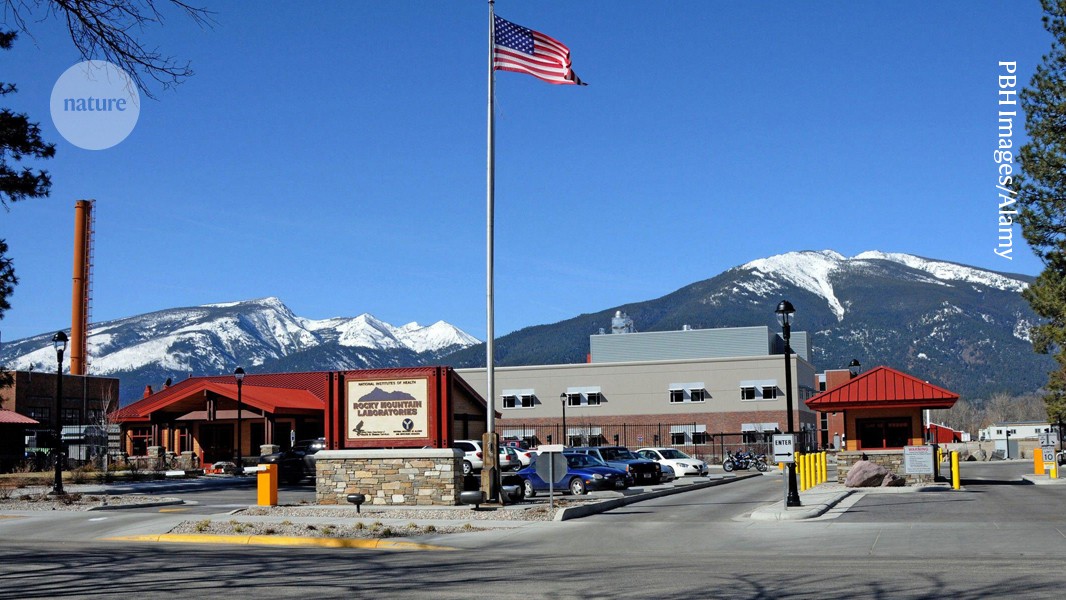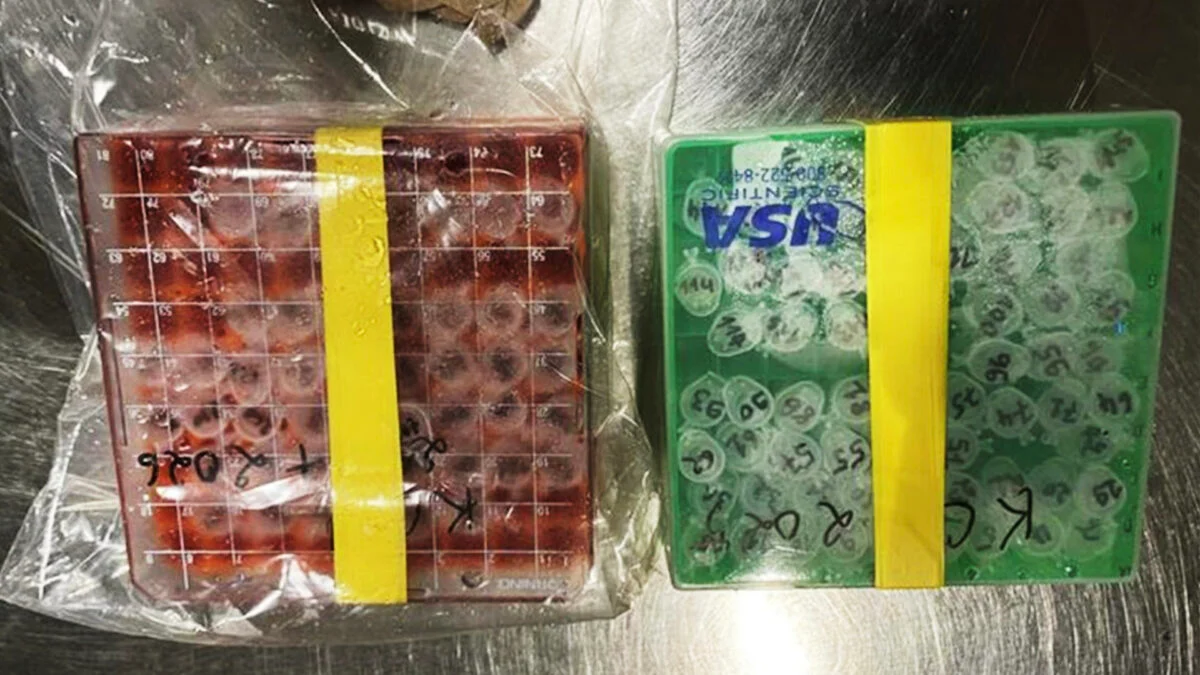
Two government scientists with the U.S. National Institutes of Health’s Rocky Mountain Laboratories reentered the country this January with a large black plastic case that worried customs officials. Further inspection revealed 113 undeclared microcentrifuge tubes in Styrofoam coolers—including 17 samples that later tested positive for DNA from mpox (also known as monkeypox) at an FBI lab. Now, federal prosecutors are charging these two NIH scientists, award–winning virologist Vincent Munster and postdoctoral research fellow Claude Kwe, with “conspiracy to smuggle monkeypox into the United States” and lying about it to federal law enforcement. According to the criminal complaint, made public on Tuesday by the U.S. Attorney’s Office for the Eastern District of Michigan, Munster materially misled U.S. Customs and Border Protection (CBP) when he “told CBP officers the case contained diagnostics and testing equipment.” “These NIH experts apparently broke our laws by smuggling viral pathogens on a packed commercial airplane from an outbreak in the Republic of Congo,” U.S. Attorney Jerome F. Gorgon Jr. said in a press statement. “Let that sink in.”
At least one virologist who spoke with the journal Science, however, pointed out that these mpox strains, which federal investigators acknowledge were inactivated, could have fit the bill for diagnostic use. “Inactivated monkeypox viruses routinely are used as a control in diagnostic tests or to develop the assays,” as virologist Angela Rasmussen, who studies host responses to emerging viruses at the University of Saskatchewan, told Science. Munster and his NIH colleagues in Montana, in fact, published research on the technique in 2022.