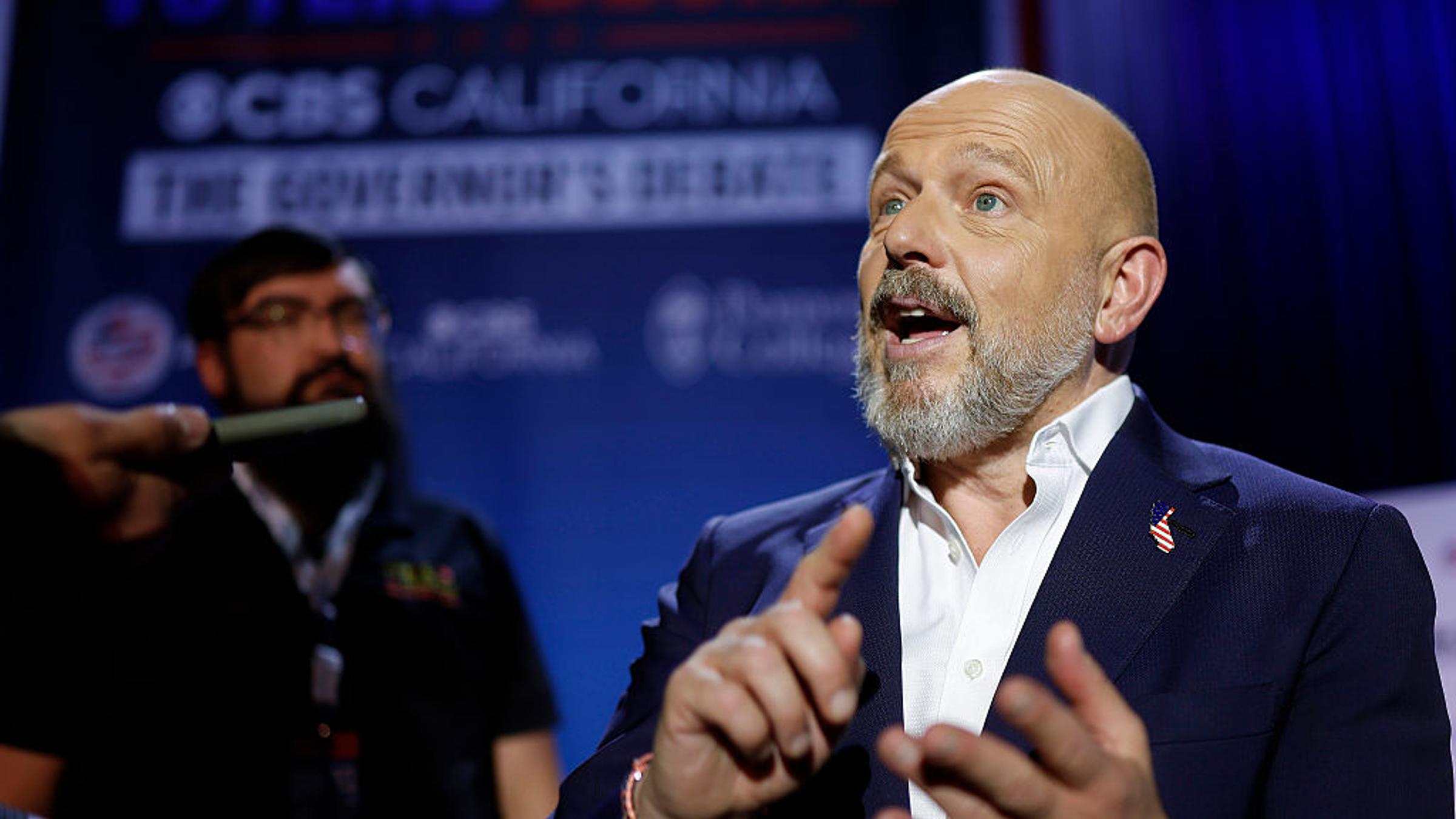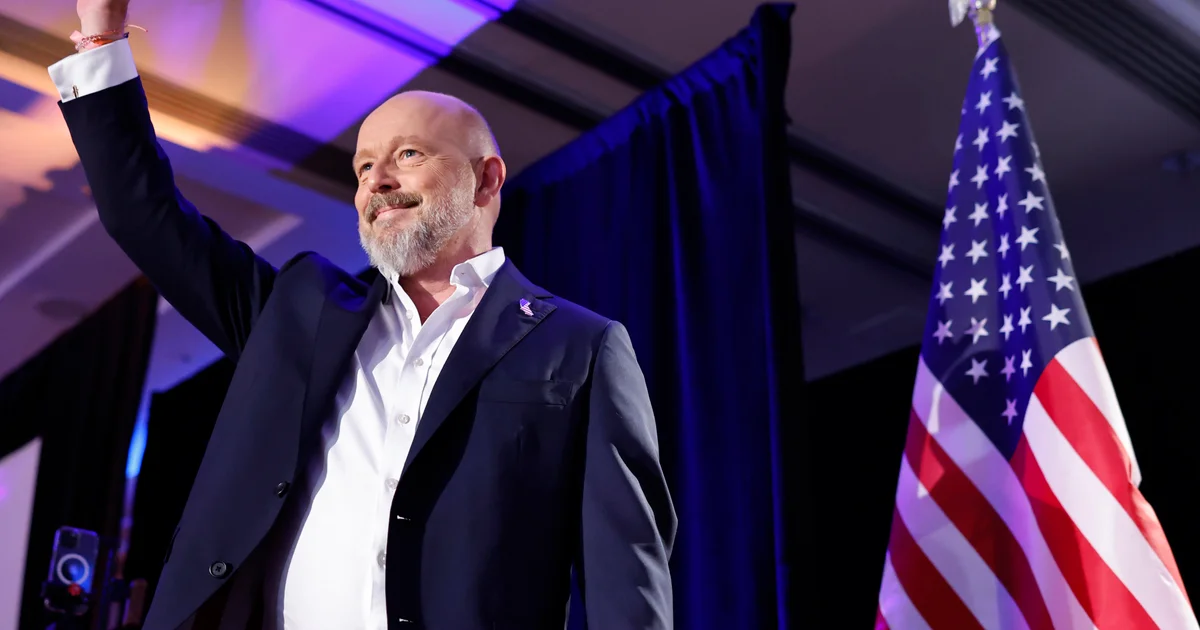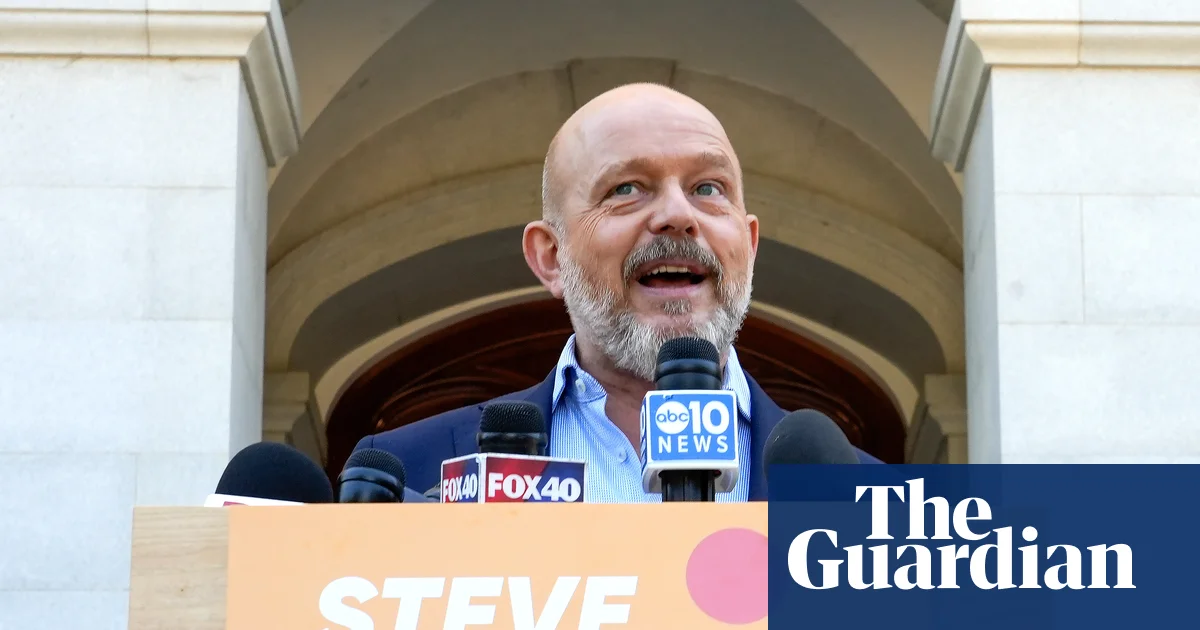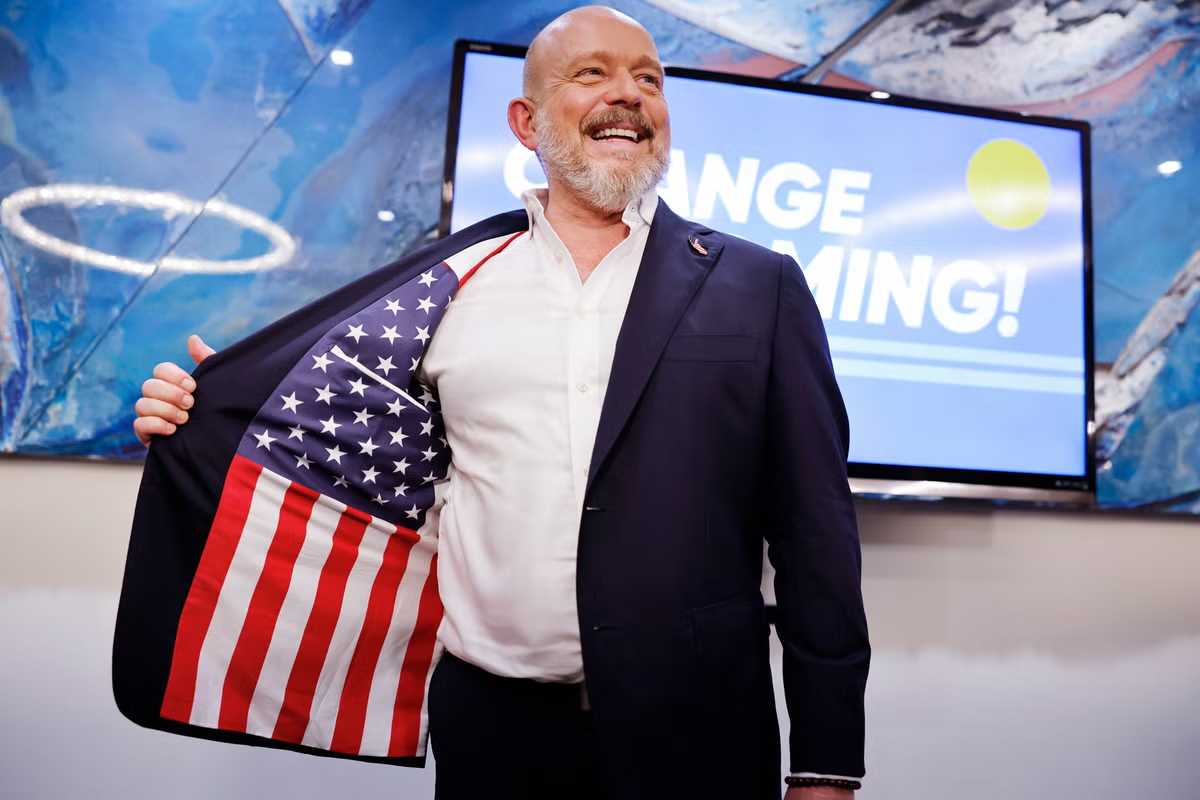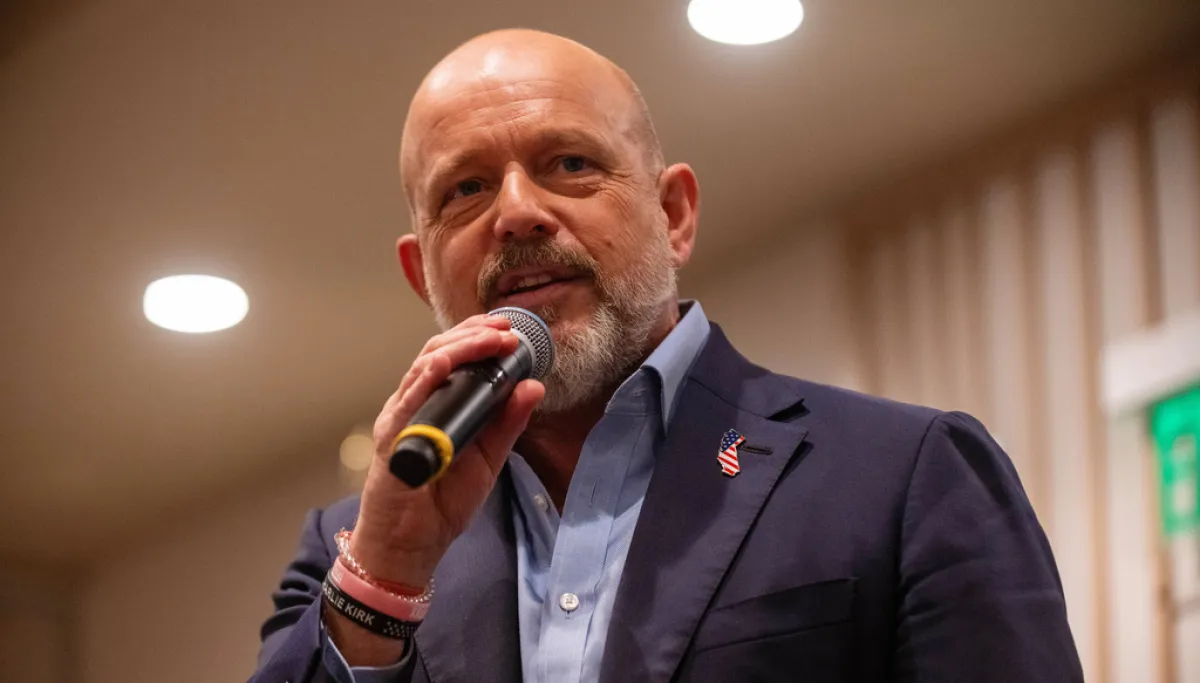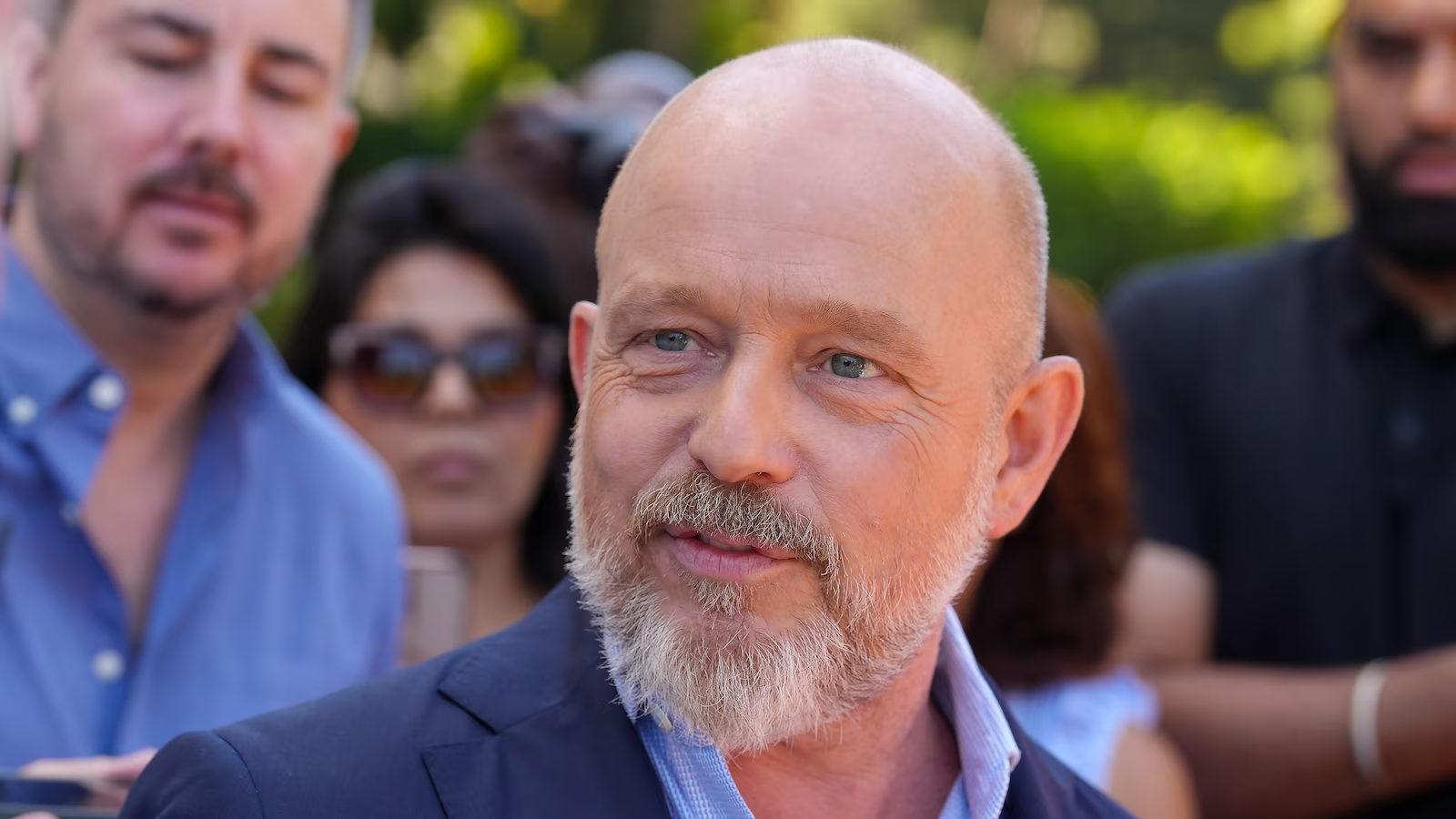
In late April, as the race for California governor was heating up, Steve Hilton and his advisers at their Huntington Beach headquarters were in a quandary. They wanted to show they were serious about saving Hollywood. But what could be done that wasn’t already tried?
Hilton hit on it: What if the entertainment tax credit went into the stratosphere, going so far that shooting in the state could, when combined with a hoped-for federal tax credit, (almost) be free? He decided to float the idea of a 60 percent credit, a signal to Hollywood that he stood beside it. (The ceiling in California now usually sits at 45 percent, with many productions getting 35 percent. So the move would substantially increase what is already, by many metrics, the most generous film tax-break program in the country.)
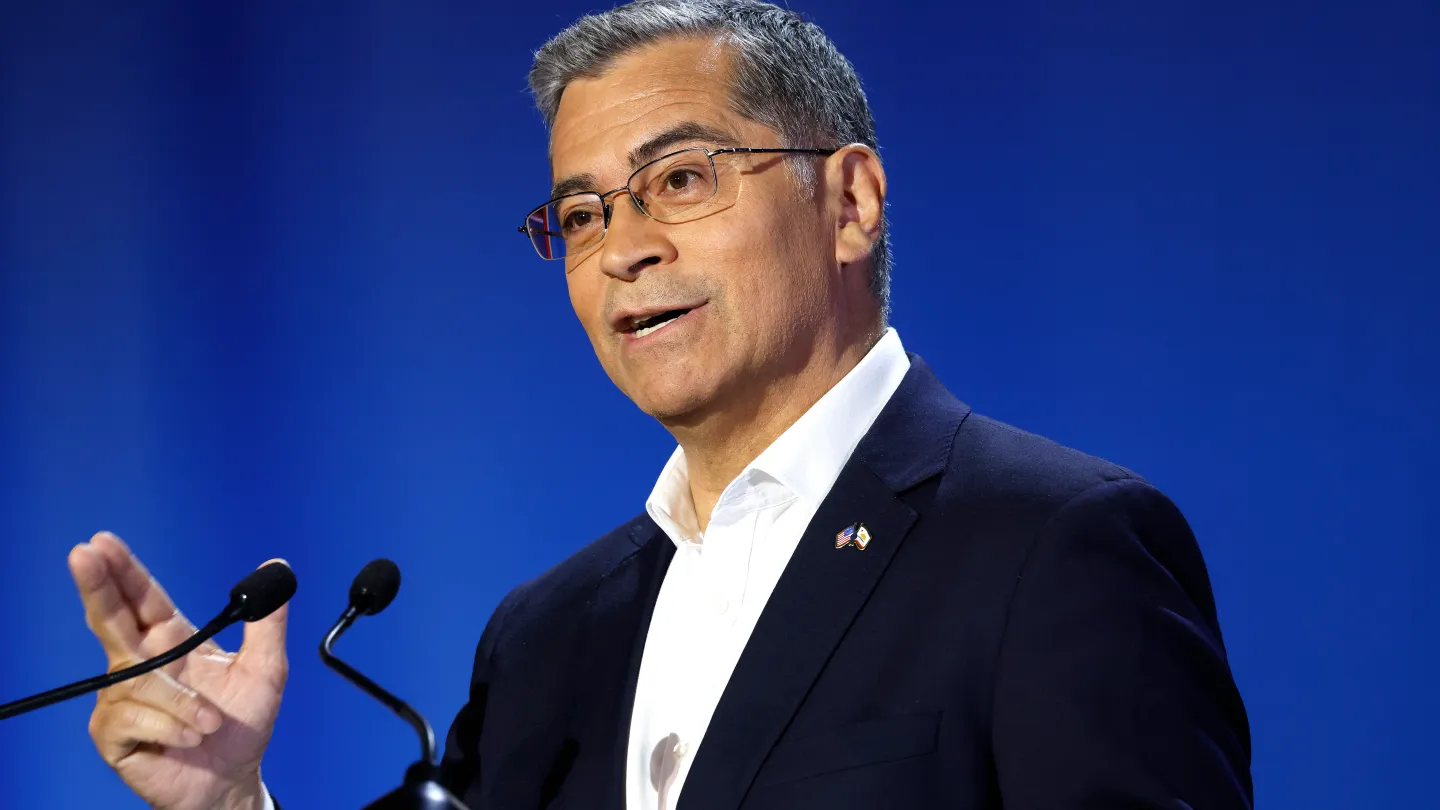
About 45 miles northwest, at the campaign headquarters of Xavier Becerra in Glendale, Hilton’s Democratic rival was equally in a bind. He had almost no Hollywood plan at all, owing to the fact that until recently he had almost no campaign at all.
But then Eric Swalwell was felled by a sex scandal, Katie Porter was beset by volatility claims, and suddenly Becerra was surging and on the clock. His small staff went into a frenzy. He, too, came up with a Hollywood plan (eventually), albeit focusing not on tax credits. Among the most eye-catching of Becerra’s proposals is a “California Content Performance Disclosure requirement” — essentially, a law or rule that studios/streamers must provide “meaningful performance data” to everyone from directors to the crew. Such sharing would need to come in a “standardized form that gives workers what they need to bargain fairly.”