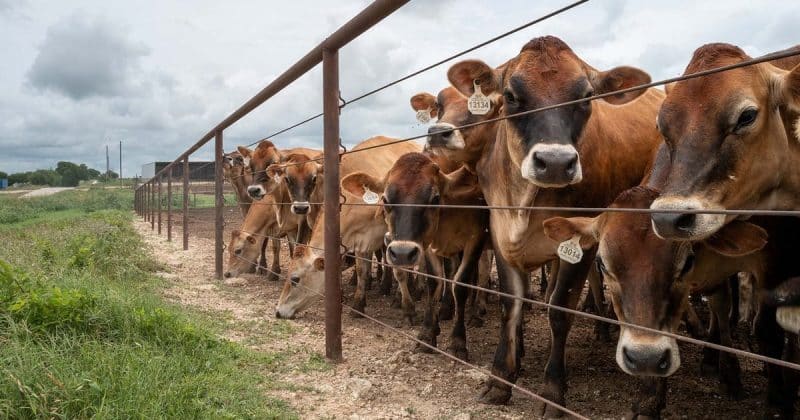
A pound of beef in America now costs more than it ever has. Retail beef prices averaged $9.64 per pound in April 2026, a record that reflects a 13% jump from the same month a year earlier.
The culprit is a supply squeeze that’s been building for years, driven by two forces ranchers can’t easily control: persistent drought and the return of a parasitic fly most Americans have never heard of. Together, they’ve pushed the US cattle herd to its smallest size in 75 years.
A herd that keeps shrinking
US cattle inventory has fallen to levels not seen since 1951. The primary driver is drought. Extended dry conditions across major cattle-producing states have degraded pastureland and made it expensive, sometimes impossible, for ranchers to feed their herds. When grass dries up, ranchers sell cattle they can’t afford to maintain. The math is simple but brutal: fewer cows today means fewer calves tomorrow, which means even fewer cattle down the road.
Rebuilding a cattle herd isn’t like flipping a switch. It takes years. A cow needs roughly nine months of gestation, and a calf takes 18 to 24 months before it’s ready for market. So even if conditions improved overnight, the supply pipeline wouldn’t refill for the better part of three years.