Someone knew.
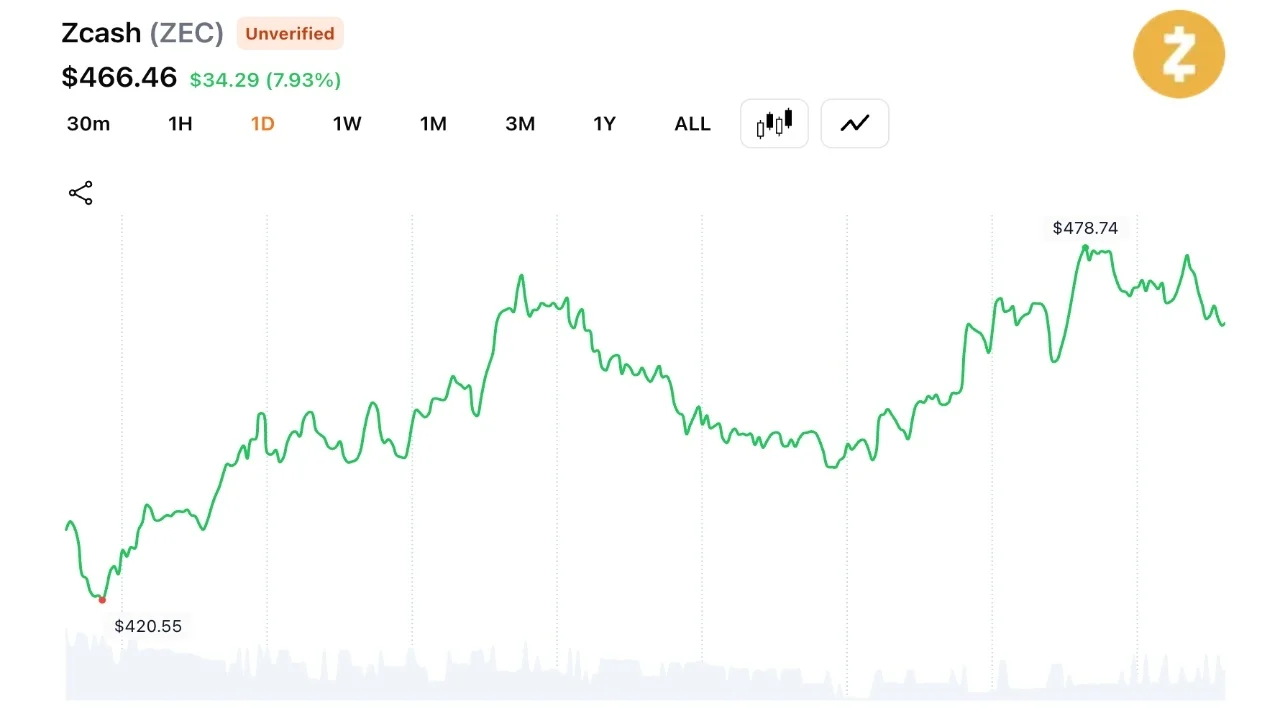
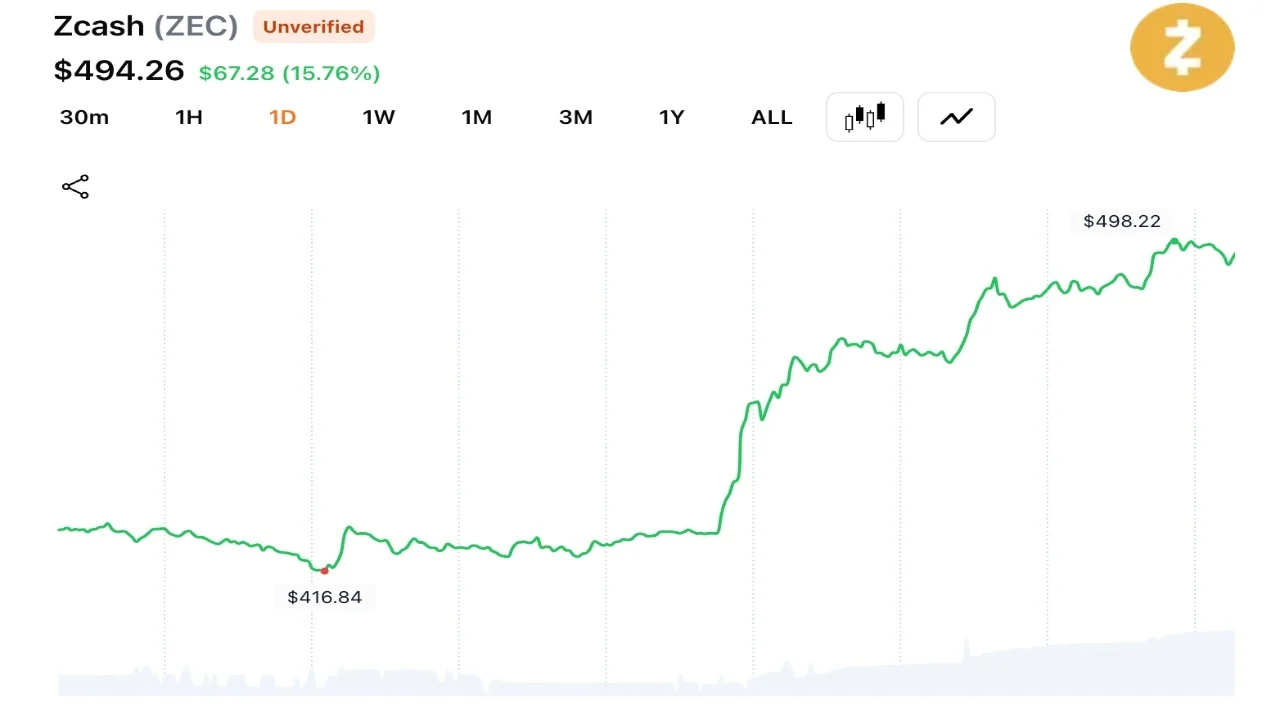
Three days before a critical vulnerability in Zcash’s privacy architecture was publicly disclosed, five wallets quietly opened $72 million worth of short positions on Hyperliquid. Perpetual futures volume for ZEC surged 12-13 times normal levels on May 26, according to blockchain analytics firm Allium Labs. When the bug hit the news on May 29, ZEC’s price cratered 38-45% within 24 hours, and those five wallets walked away with roughly $3.43 million in profit.
The bug, the shorts, and the timeline
On May 26, ZEC futures trading volume on Hyperliquid exploded well beyond anything resembling normal activity. Five specific wallets opened massive short positions totaling approximately $72 million. At this point, there was no public knowledge of any vulnerability in the Zcash protocol.
Three days later, on May 29, security researcher Taylor Hornby publicly identified a critical flaw in Zcash’s Orchard shielded transaction pool. The vulnerability affected the zero-knowledge proof circuit, which is the cryptographic backbone that makes Zcash’s privacy features actually work.