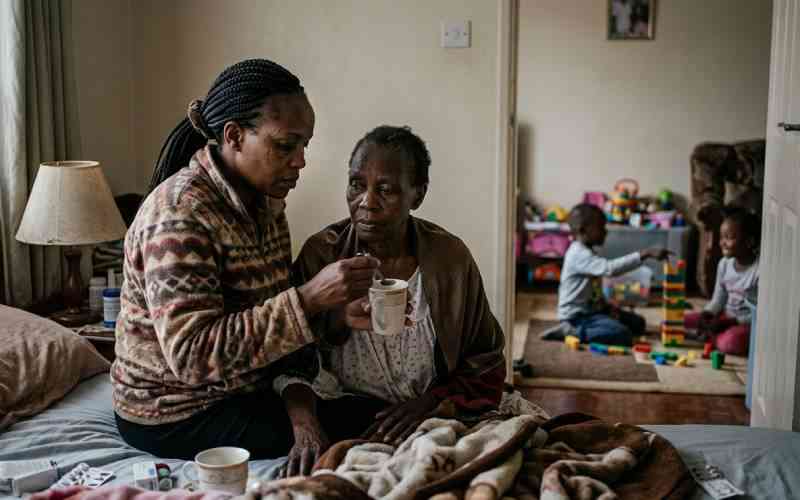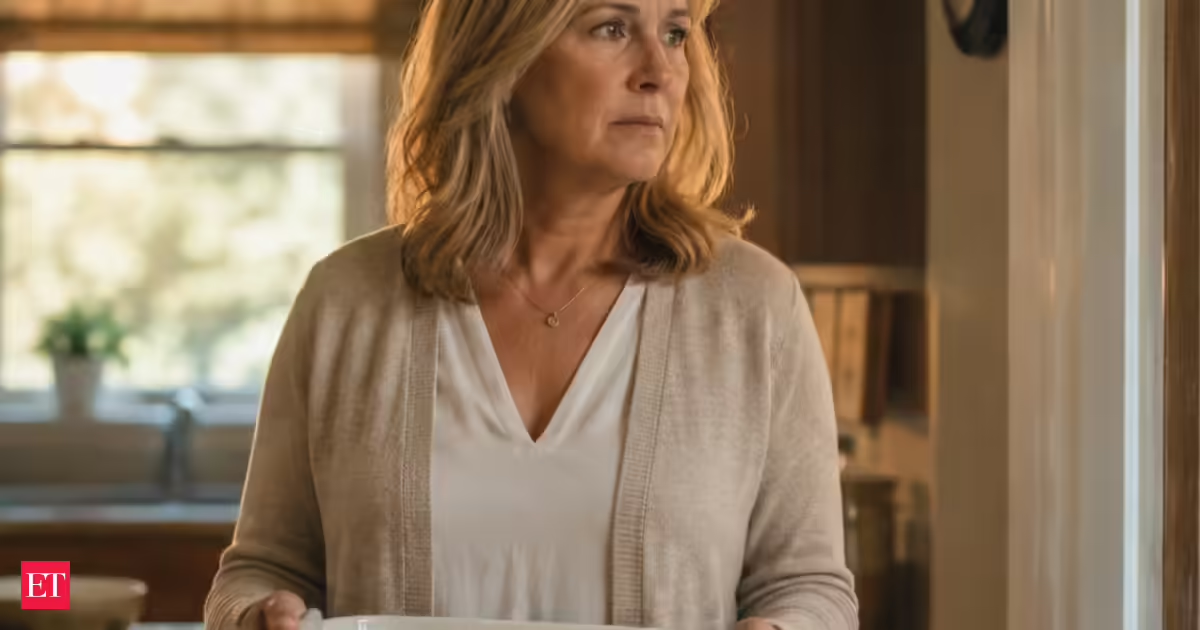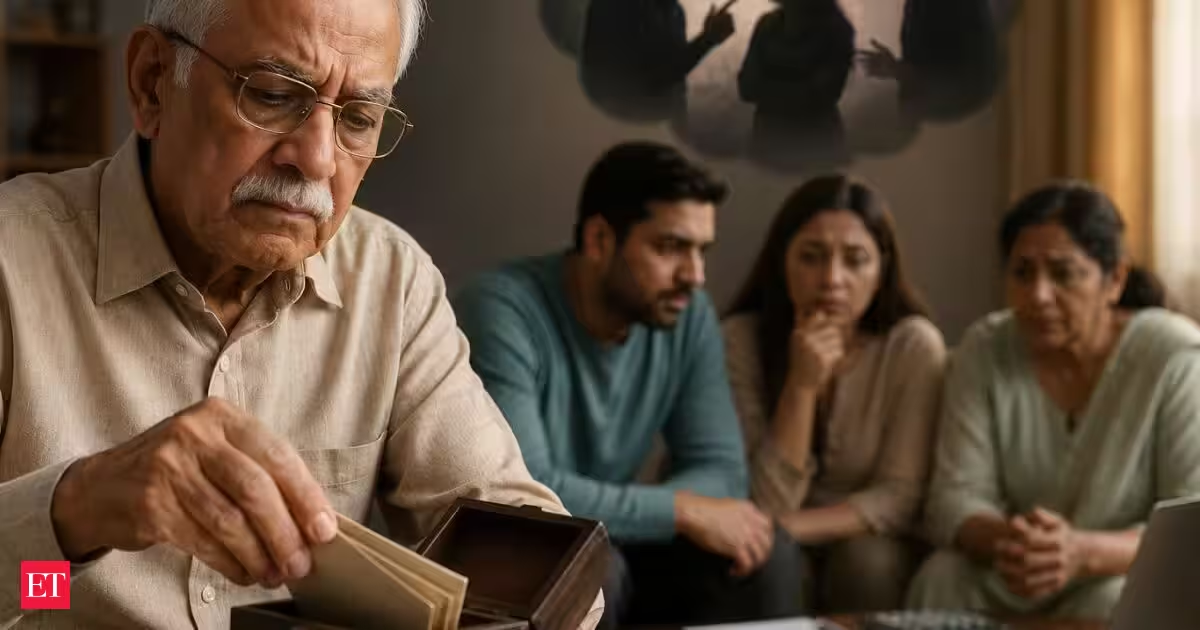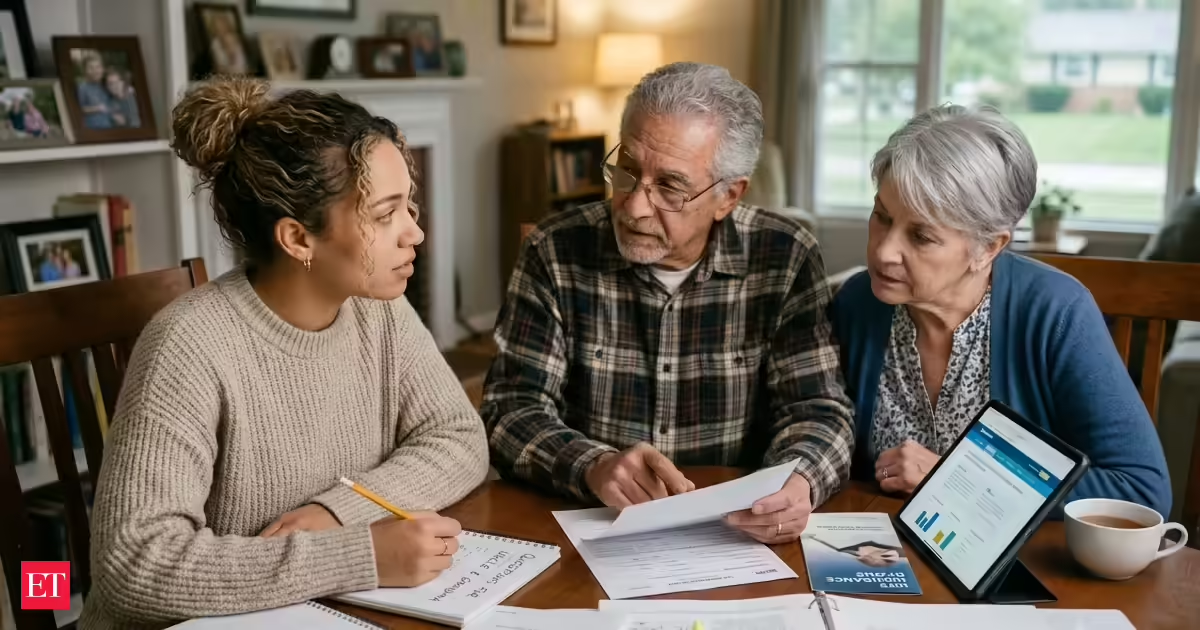
Psychology suggests reason so many older parents won’t ask for help is a fear they’d never say aloud; moment they need their children more than their children need them, they stop being parent and become the responsibilitySynopsisIn various caregiving scenarios, many elderly parents show reluctance to accept assistance from their adult children. This hesitance often stems from a profound fear of losing their sense of self and independence. They worry about becoming a burden and changing the established family dynamics. While children are focused on ensuring safety, parents tend to prioritize their autonomy.Older parents may continue to feel responsible for their children while simultaneously encouraging those children to build independent lives | PexelsMany older parents insist they are “fine” long after family members can see they are struggling. They carry heavy groceries they should not be carrying, avoid mentioning health concerns, refuse offers of help, and often downplay problems that would be easier to solve if someone simply stepped in. From the outside, this can look like stubbornness, but family psychologists have spent decades documenting a more complicated reality. Research on aging, autonomy, and parent-child relationships suggests that older parents often experience dependence as more than a practical issue. It can feel like a challenge to identity itself. A study published in the Journal of Marriage and Family found that parents who felt dependent on their adult children often experienced reduced autonomy and greater ambivalence in the relationship, which highlights how receiving help can carry emotional consequences that extend far beyond the task at hand.The fear is rarely spoken directly, and most parents do not say, “I am afraid of becoming a burden” or “I am afraid my role in the family is changing.” Yet those concerns frequently sit beneath the requests they never make and the help they quietly refuse.Older parents may continue to feel responsible for their children while simultaneously encouraging those children to build independent lives | PexelsThe fear is often about identity, not the task itselfFor decades, many have served as providers, protectors, advisors, or caregivers, and even after children become adults, that identity often remains deeply important. Research published in the Journal of Family Theory & Review describes later-life parent-child relationships as a balance between solidarity and independence. Older parents may continue to feel responsible for their children while simultaneously encouraging those children to build independent lives, and asking for help can feel like a disruption of that balance because it signals that the direction of support is changing.This helps explain why relatively small forms of assistance can sometimes provoke unexpectedly strong reactions. The issue is rarely the ride to a medical appointment or help carrying boxes; it is what accepting that help appears to represent. For some parents, it can feel like evidence that the family hierarchy they have lived inside for decades is quietly shifting.Why feeling like a burden hurts so muchInterviews with older adults published in studies of family caregiving found that many parents deliberately avoided seeking help because they believed their children already had enough responsibilities. Work obligations, financial pressures, childcare, and busy schedules all became reasons to stay silent, even when assistance would have been useful. Research examining perceived burdensomeness adds another layer to this picture. Studies have found that receiving support, particularly financial support, can sometimes create discomfort because it reverses long-established family roles. Parents who spent much of their lives providing resources may find it emotionally difficult to become recipients of those same resources.The emotional discomfort is not necessarily about pride in the traditional sense because more often, it is about fairness. Many older adults genuinely worry about creating extra work for people they love, and as a result, they often carry on with challenges alone longer than they need to.Children often want safety while parents want controlOne of the most common sources of tension in aging families is a difference in priorities, since a study published in The Gerontologist examining caregiving relationships found that adult children frequently focus on safety, risk reduction, and practical well-being, while older parents place greater emphasis on autonomy, independence, and control over daily life. This difference can make conversations about help surprisingly difficult. A child sees a potential danger and wants to intervene, and a parent sees a threat to independence and wants to maintain control. Both people are motivated by care, yet they are trying to protect different things.Researchers studying intergenerational ambivalence have found that dependence and impairment often increase mixed emotions within families. Parents may feel grateful for support while simultaneously resenting what that support represents, and children may feel eager to help yet overwhelmed by growing responsibilities. These conflicting emotions can make even simple assistance feel emotionally complicated.Parents who spent much of their lives providing resources may find it emotionally difficult to become recipients of those same resources | PexelsHelp does not always reduce independenceOne of the most important findings in recent aging research is that support and independence are not necessarily opposites, as a 2025 study using data from the China Health and Retirement Longitudinal Study (CHARLS) found. It found that intergenerational support from adult children was associated with improved intrinsic capacity and daily functioning among older adults. In practical terms, receiving help often allowed older individuals to maintain independence longer rather than lose it, and that distinction matters because many parents assume that accepting assistance automatically means surrendering autonomy. Appropriate support can actually help preserve the ability to live independently, remain socially engaged, and continue managing everyday life.The challenge is emotional rather than practical. Parents may understand that help would be useful while still struggling with what the request seems to mean about their place in the family.Read More News on(Catch all the US News, UK News, Canada News, International Breaking News Events, and Latest News Updates on The Economic Times.) Download The Economic Times News App to get Daily International News Updates....moreless
Psychology suggests reason so many older parents won’t ask for help is a fear they’d never say aloud; moment they need their children more than their children need them, they stop being parent and become the responsibility
In various caregiving scenarios, many elderly parents show reluctance to accept assistance from their adult children. This hesitance often stems from a profound fear of losing their sense of self and independence. They worry about becoming a burden and changing the established family dynamics. While children are focused on ensuring safety, parents tend to prioritize their autonomy.
976 words~4 min read