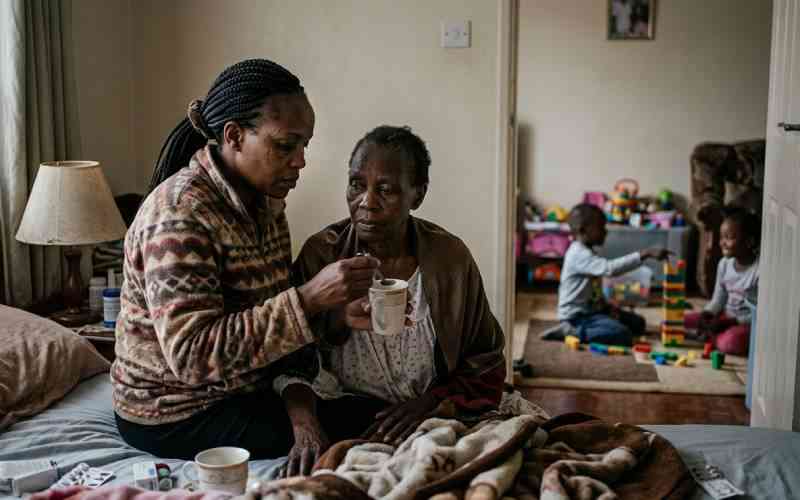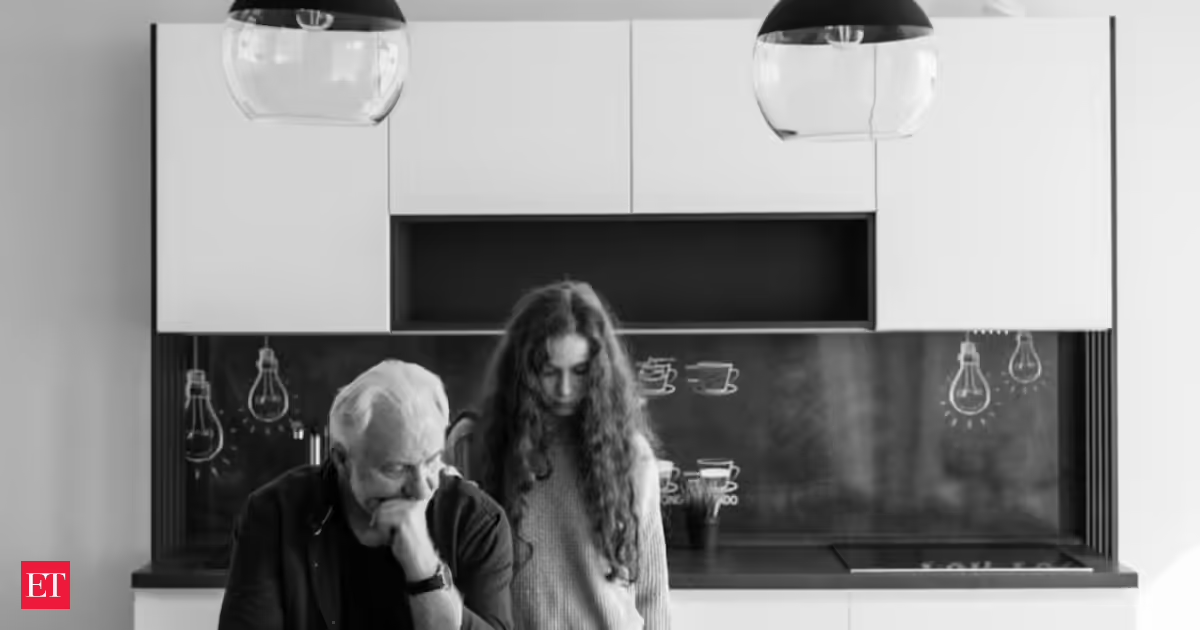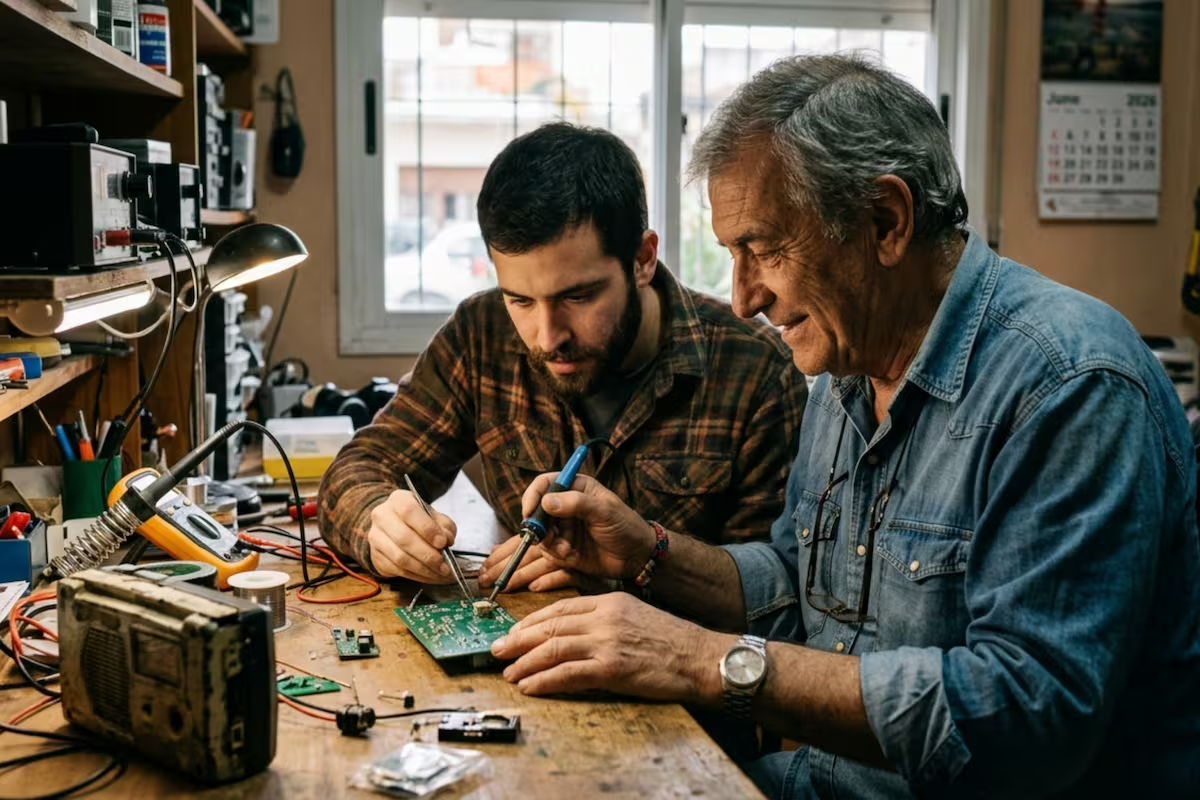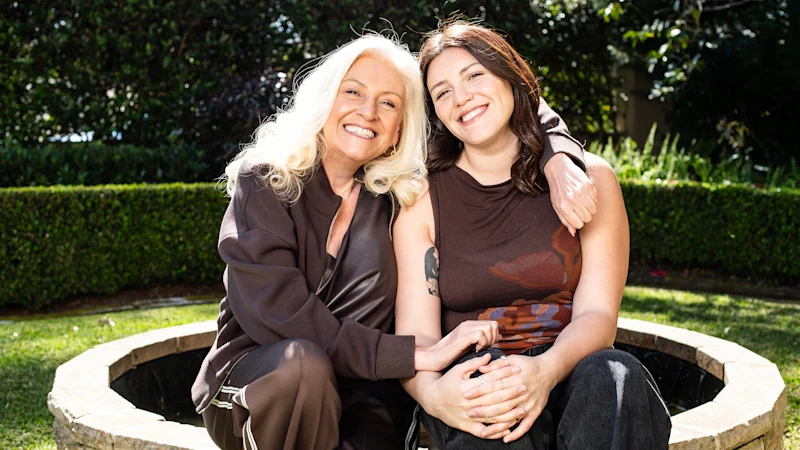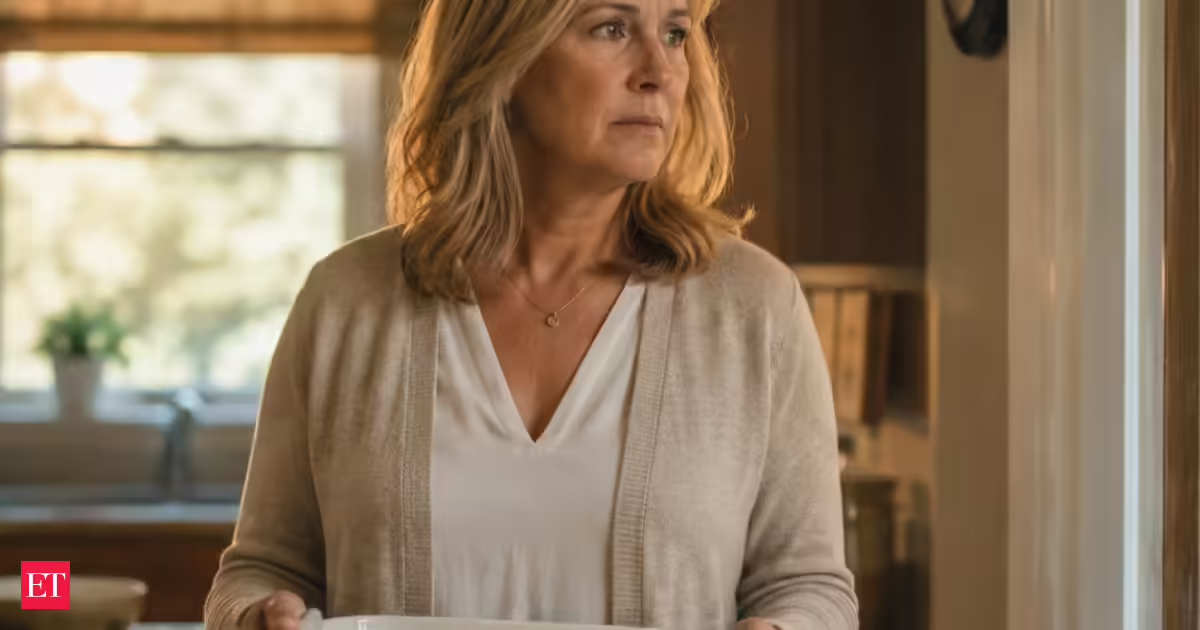
There’s a joke that goes around millennial friend groups. Someone's mum still does their laundry. Someone's dad still calls the insurance company for them. Someone's parent drove two hours to bring soup, uninvited, unasked, because their 31-year-old had a cold. Everybody laughs. But there’s something beneath it that no one quite names.But here's the thing: most of us have been on the receiving end of this. The parent who keeps offering to pay for something. Who asks too many questions about the new place. Who still somehow always finds a reason to be needed. And we’ve been taught all our lives that this is love. This is what good parents do.But psychologists have been quietly making a case that something more complicated is going on, and it starts not with the child, but with the parent.It's not really about youA 2023 study in the Journal of Research on Adolescence found that the behaviors we have come to call helicopter parenting, the hovering, the intervening, the constant availability, often come from a parent’s own anxieties, regrets, and deep fear of failure. Maybe it wasn't the child's fault but the parent’s. Their fear of what it means when things goes wrong. Their need to remain useful.That framing probably sounds harsh. But just sit with it for a second.Consider what two decades of parenting actually gives a person. There's always work to be done. A school pickup, a crisis to handle, a permission slip, a problem to solve: your worth isn't theoretical; it comes in flesh, demanding supper. That kind of everyday, tangible purpose is what most people spend their whole adult lives trying to manufacture for themselves.Then it stops. The kid grows up, moves out and starts to figure things out on his own. And the parent is left holding all this ability to help and nowhere to put it.What no one says out loudHere’s where it gets uncomfortable.For some parents, the over-involvement that follows isn't really about the adult child's needs. In the periphery, it's the parent's own identity quietly disintegrating. Research from the National Institutes of Health suggests what psychologists call “role loss”: the idea that when parenthood moves from active to peripheral, parents who built their whole sense of self around caregiving can feel something a lot like grief. It sometimes goes through an identity crisis.So they find ways to continue being involved. A bill they can help with. A lease to look over. A casserole that nobody asked for. Each little act seems generous on the surface. But most of it is, underneath it all, a quiet attempt to answer a question the parent is not ready to confront out loud: who am I when they don't need me anymore?In other words, the helping isn’t just for the kid. A large chunk of might be it is for the parent.And it's doing real damageThat is where it stops being just a psychological curiosity and starts to be something worth paying attention to.A large-scale meta-analysis published in the Journal of Adult Development, which combined results from 53 independent studies involving more than 46,000 participants, found consistent evidence that young adults with overinvolved parents experience measurable difficulties. Less confidence in myself. Less ability to regulate their own emotions. Higher levels of anxiety and depression. Worse, an adjustment to the basic requirements of adult life.None of that is because these kids are weak or incapable. That's because they never had the chance to find out they weren't. Every parent who swooped in, trying to do the best, with the best intentions, out of genuine love, quietly said: You can't quite do this without me.The adult child hears that message often enough and starts to believe it. They’re the kind of person who phones home before they make decisions. Who needs outside validation before they can trust their own gut. Who feels like, deep down, they're still waiting for an adult to sign off.Neither person is the villain hereThis could easily be read as a way of pointing fingers at parents. It’s not supposed to be that.For the most part, these are people who love their children deeply and truly; people who would do anything for them. They didn't mean to shake anyone's confidence. Most of the time, they immerse themselves in a role for twenty-odd years, and then that role just quietly fades, and no one gives them a roadmap for what to do next. American culture is really good at glorifying the devoted, ever-present parent. It is a lot less helpful in answering the question of what a parent is supposed to become when the child no longer has a need for that version of them.Research on helicopter parenting and social development in young adults supports the idea that parental anxiety and an unresolved sense of insecurity are among the core drivers of over-involvement, not selfishness, not control for its own sake. These are scared people doing what always gave them a sense of safety.But love and fear can coexist, and understanding that some of the help is for the parent's needs, not just the child's, is the part that really shifts things. For the parent who is willing to sit with that honestly, the question is different. It stops being ‘how can I help?’ and becomes ‘what am I afraid of losing?’That’s a tougher question, and probably the right one too.
Parents who can't stop helping their grown children aren't simply devoted; they've built an identity around being needed, and it's the last wall standing between them and the question of who they are when nobody calls anymore
Exploring the complexities of helicopter parenting and the hidden challenges of parental identity loss when adult children seek independence. Understanding the psychological impact on both parents and their adult children.
892 words~4 min read