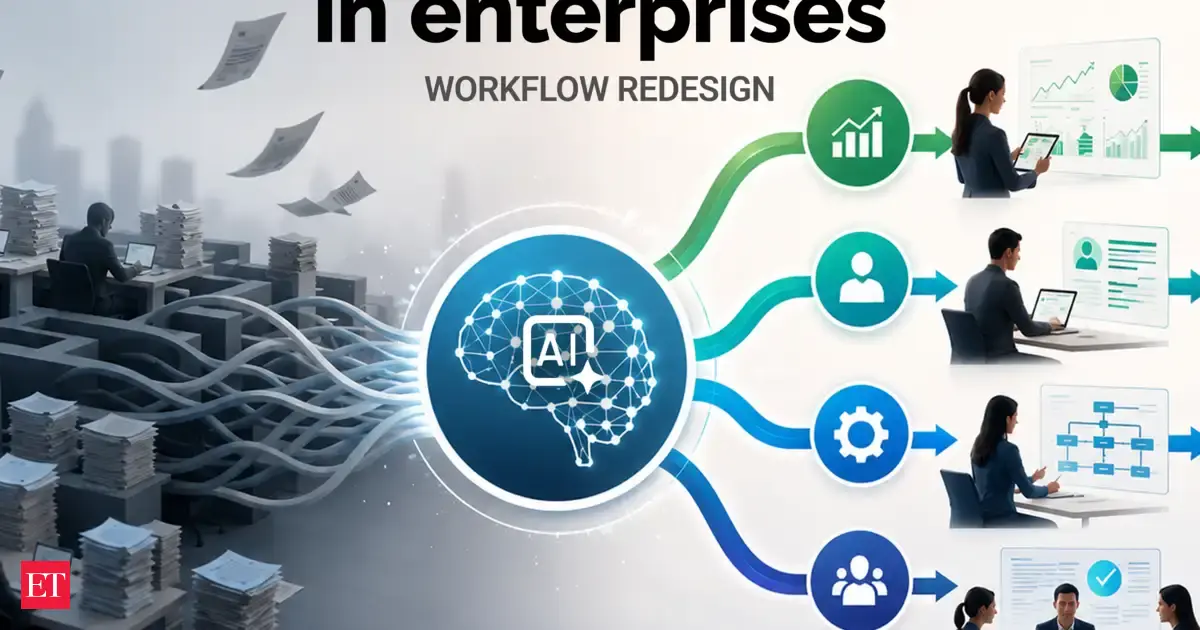
Enterprise leaders and developers can end up talking about AI in a very abstract way, using phrases like “unlock our true potential” or “give us valuable insights into our business”. It’s true, AI can do those things. But when it comes to actually following through, the trick is to be as specific as possible.
Enterprises across Africa face the challenge of adopting AI at scale and keeping up with their competitors and industries at large, but they also need adoption to deliver company-wide impact and open the door to future value generation. According to research by PwC, African organisations demonstrate strong intent in adopting AI, but are falling behind the rest of the world in terms of unlocking measurable returns.
Let’s take a step back and think about the fundamentals. Enterprises need models, tools and platforms that let them shape AI according to their digital environments and not rely on foreign, costly architectures. Models must be mapped to specific use cases, and not the other way round, and platforms must enable enterprises to move workloads between those models as they need. Being able to do so, regardless of the use case, helps enterprises maximise their control over their systems and set themselves up for measurable success.