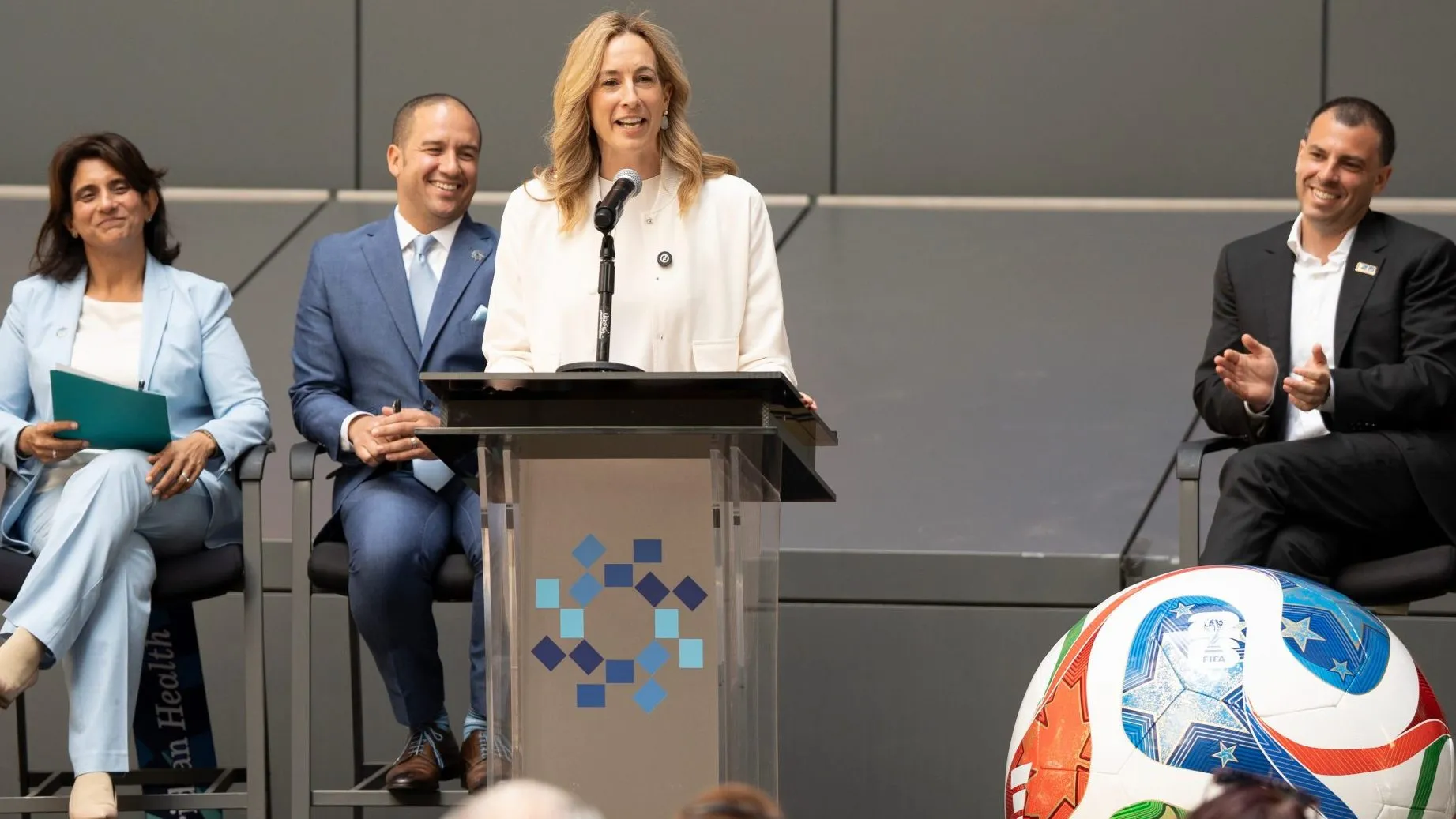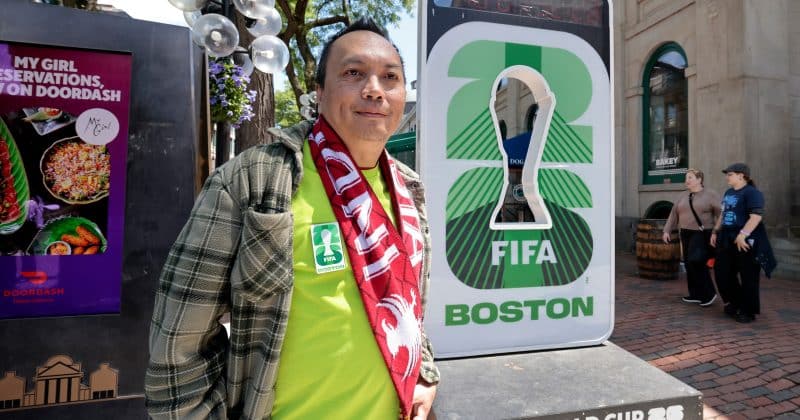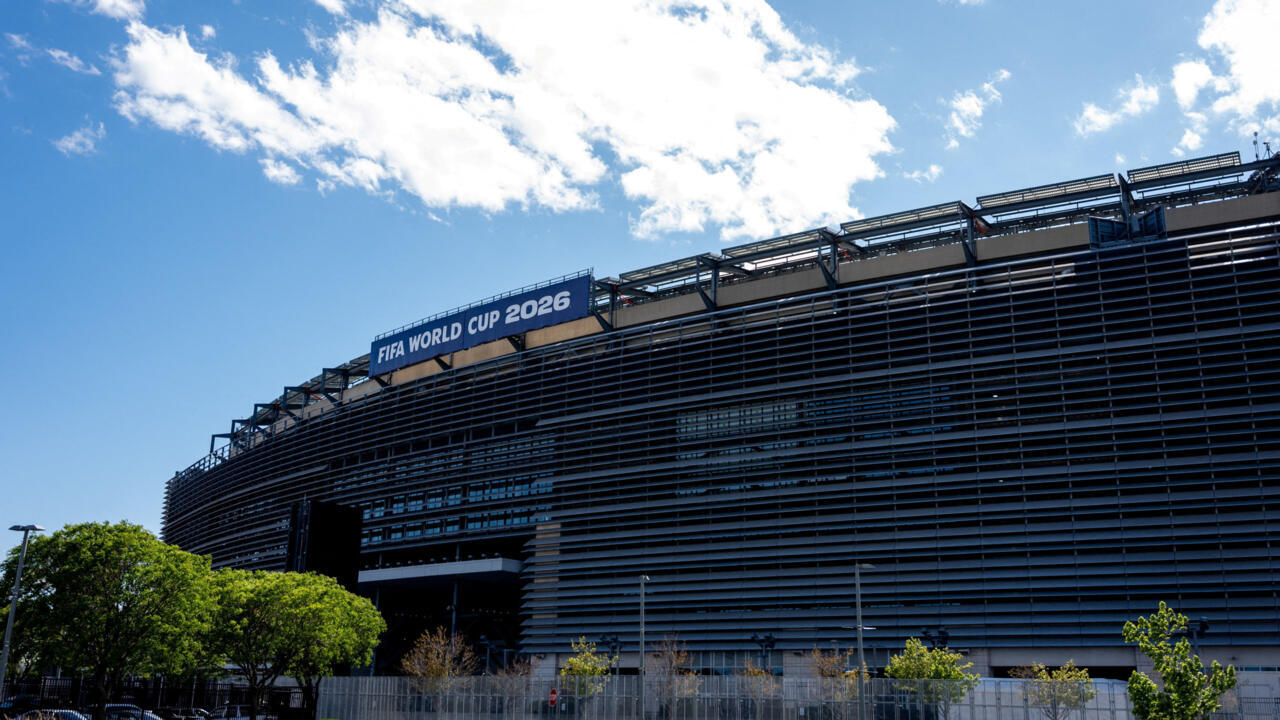
Massachusetts governor Maura Healey announced Monday that her office had secured 1,104 World Cup tickets to distribute at no cost to young people across the state. Less than 24 hours later, New Jersey governor Mikie Sherrill made a similar proclamation, declaring that more than 750 free tickets would be made available to local residents.
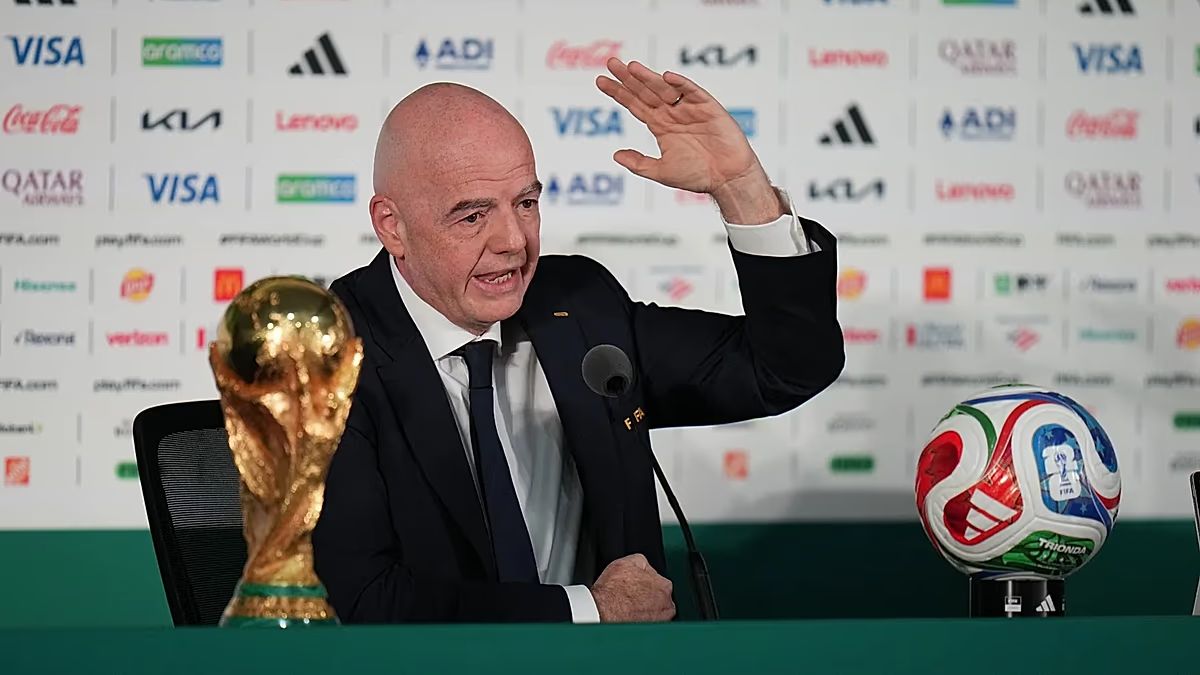
The two announcements may confuse many Americans who have read for months about FIFA‘s money- maximizing ticket strategy. The event organizer priced tickets for the men’s World Cup dramatically higher than any in its history, making precious few seats initially available at any sort of discount.
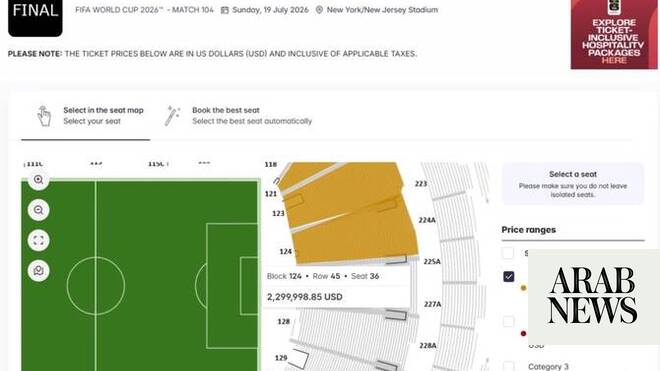
FIFA’s most recent financial budget projects about $3 billion from tickets and hospitality for the event, more than triple the $929 million that it made from the 2022 World Cup in Qatar, which itself was a record. The cheapest tickets to the U.S. men’s team’s opening match on Friday against Paraguay were initially listed at $1,120, among the most expensive get-in prices that I can remember for a major sporting event in America.
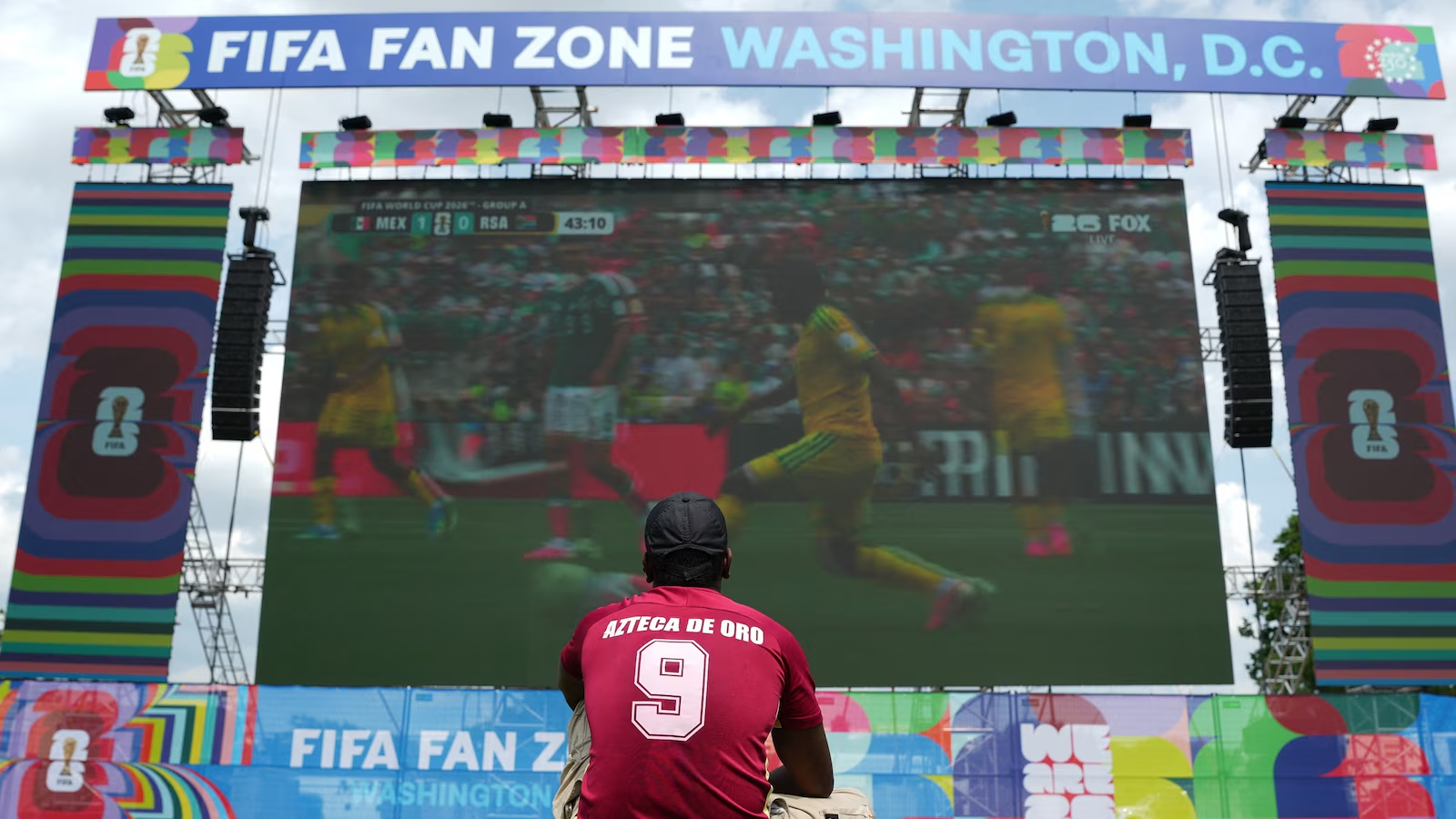
Though the tournament begins Thursday, this week’s free ticket giveaways are not necessarily a break from FIFA’s overall strategy. Nor are they a tacit admission that the organization’s pricing has backfired. Instead, they’re more likely a long-planned part of the endgame, a way to unload unsold inventory (and perhaps catch some good PR for sponsors) all while continuing to prop up the market for last-minute buyers.