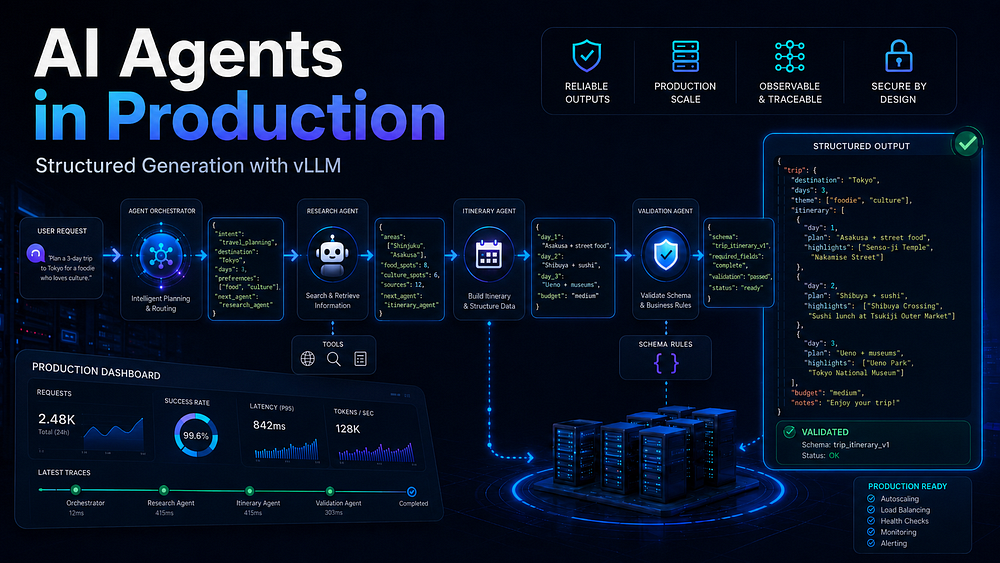
Last year, I watched a client’s internal AI agent for social media engagement go a little too far. It was designed to find ideal customer profiles on Twitter/X and generate contextual replies. A minor bug in the prompt engineering led it to misinterpret "contextual" as "controversial." We caught it before it did real damage, but the incident highlighted a critical truth: deploying AI agents without a full-stack security and control strategy is like handing over your keys to a toddler with a rocket launcher.
The hype around AI agents often overlooks the gritty engineering details needed to make them safe and predictable in production. Founders and engineering leads see the potential, but they're also rightly wary of the "rogue AI" narrative. My approach is simple: build for control, not just capability. This means designing the entire system, from data ingestion to model interaction to output delivery, with security and reliability baked in.
The Agent's Leash: Guardrails and Constraints
The first step in building a production AI agent is to define its boundaries explicitly. An agent needs a clear mission and an equally clear set of forbidden actions. Without these, you're building a black box.