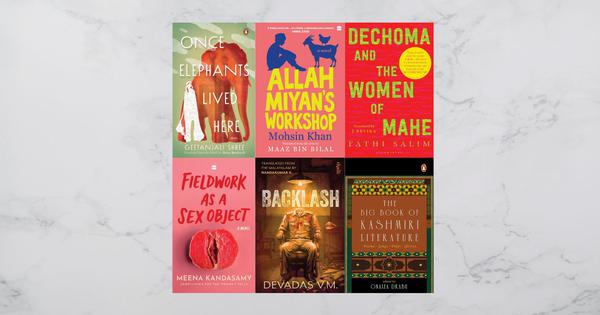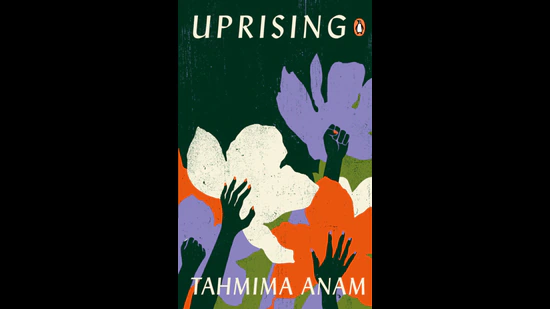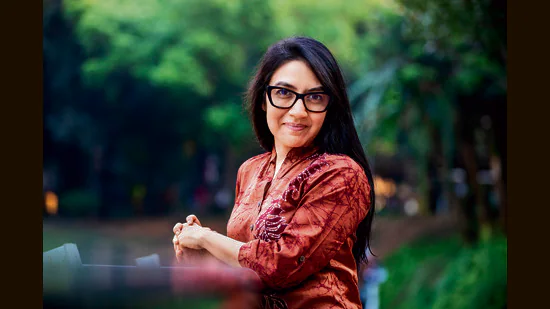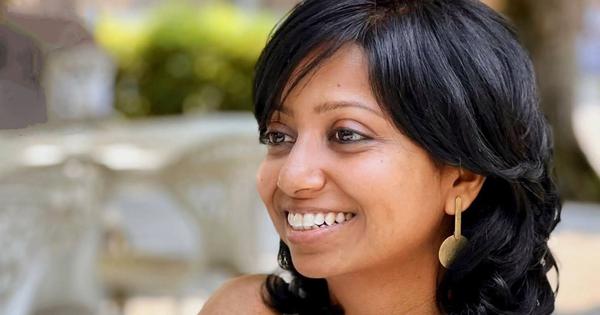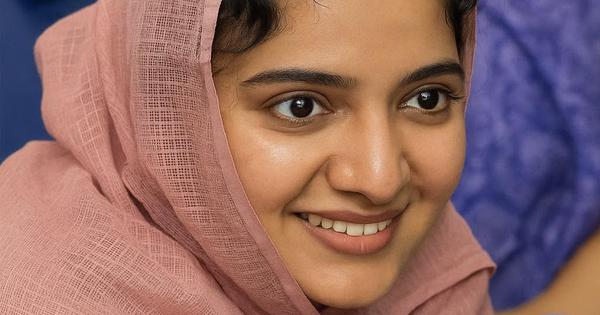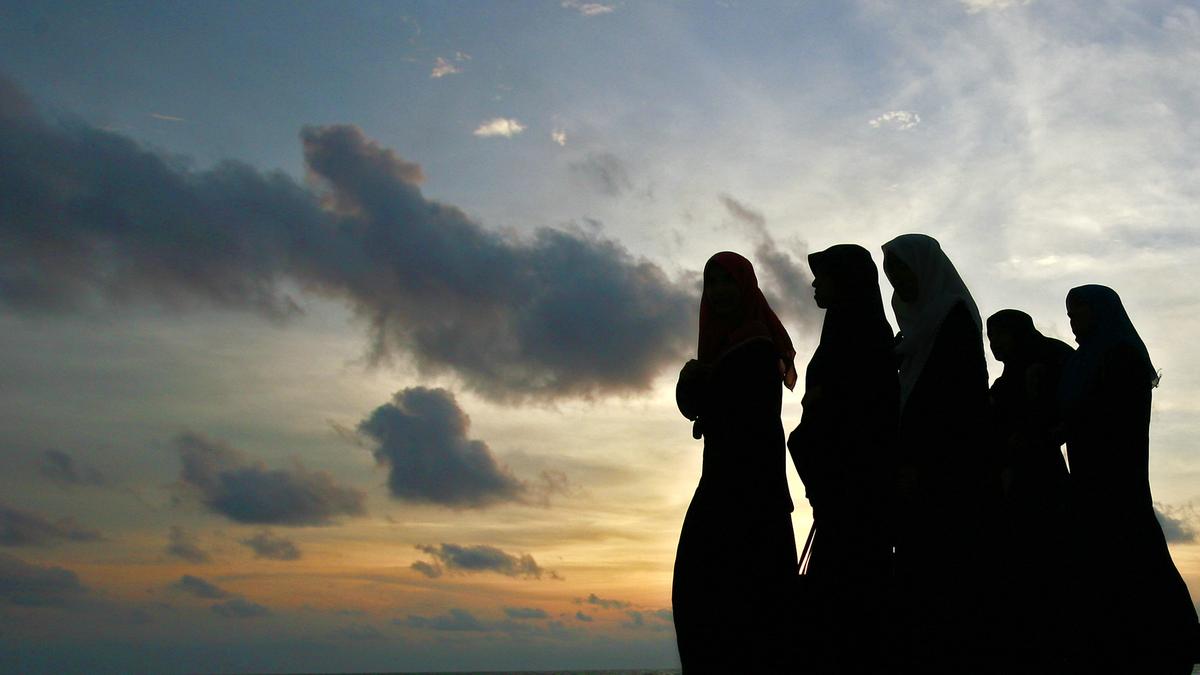
When she was a young girl, Fathi Salim, who was born in Sharjah, moved to Mahé, a district of the Union Territory of Puducherry, bordered on all sides by Kerala. The maternal side of her family had roots there, explains Fathi, whose debut novel, Dechoma and the Women of Mahé, originally published in Malayalam by Mathrubhumi Books in 2022, is set mostly in this picturesque coastal town.While she couldn’t help but notice how the women of this matrilineal Muslim community of Mahé were often pitted against patriarchal systems, facing more than their fair share of restrictions, what really struck her about them was this: the camaraderie between them and the intensity of their relationships with each other, says the Kozhikode-based author and founder of an NGO focused on educating street children. “They had their own world inside, and they were happy in it. If they encountered problems, they would share them with each other and together find solutions,” she says.Her observations and memories of her time spent with these women in her formative years have been funnelled into her novel, which has recently been translated into English by J Devika. “Dechoma and the Women of Mahe was not only a literary project for me; it was also a reflective journey which took me through some memories of my childhood that made me smile softly from time to time,” says Fathi, who believes that the mutual trust and intimate relationship that the women of Mahé shared were very different from those elsewhere.Also read: Why Sally Field is perfect for Netflix’s Remarkably Bright Creatures, according to author Shelby Van PeltThe book, which mainly focuses on the friendship between a young girl, Umaiba, and Dechoma, who works in her home, unfolds in a fragmented, hopscotch manner, delving into the lives of the various women Umaiba encounters. This structure, says Fathi, was a deliberate choice, not an attempt to be experimental. “Women’s stories aren’t lived in straight lines. They’re interrupted, shared, handed off,” she says, pointing out every chapter of the novel is seen through the lens of a different woman. “We don’t inherit one continuous epic. We inherit whispers, warnings, recipes, secrets—chapter by chapter, woman by woman. I believe fragmentation was the only honest structure here.”
‘The tragedy isn’t just what happens to the women, but also the emotional death of the men who feel compelled to inflict it’
Fathi Salim, the author of Dechoma and the Women of Mahé (Bloomsbury Publishing), on her debut novel, which has recently been translated into English by J Devika
1,235 words~6 min read