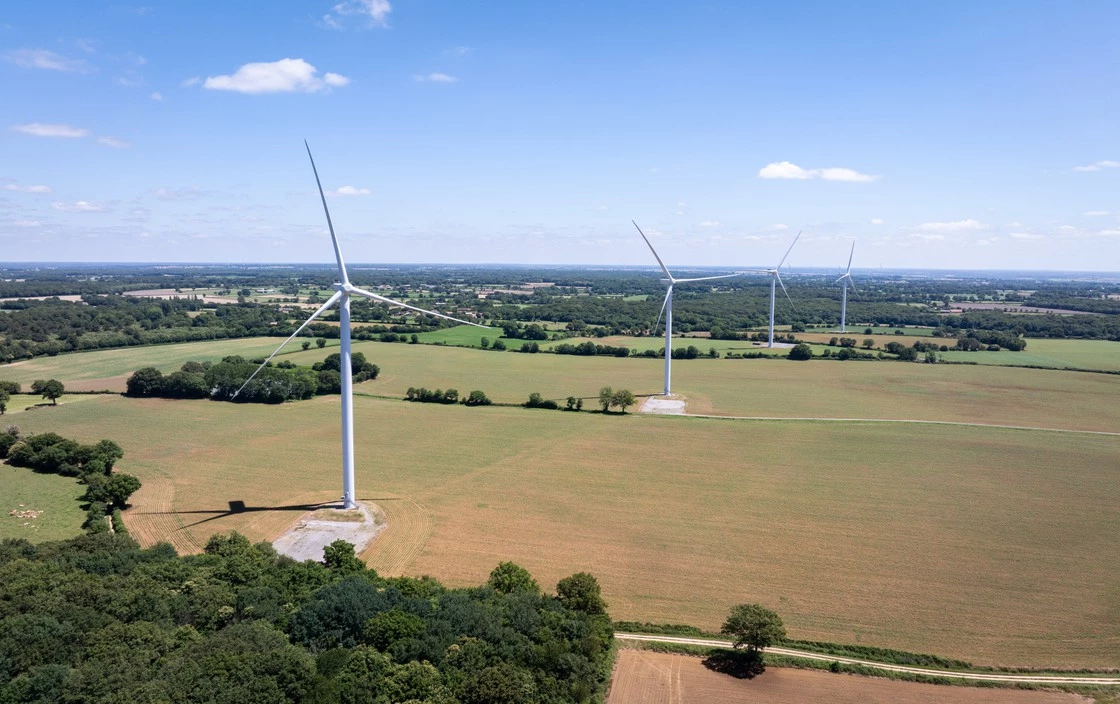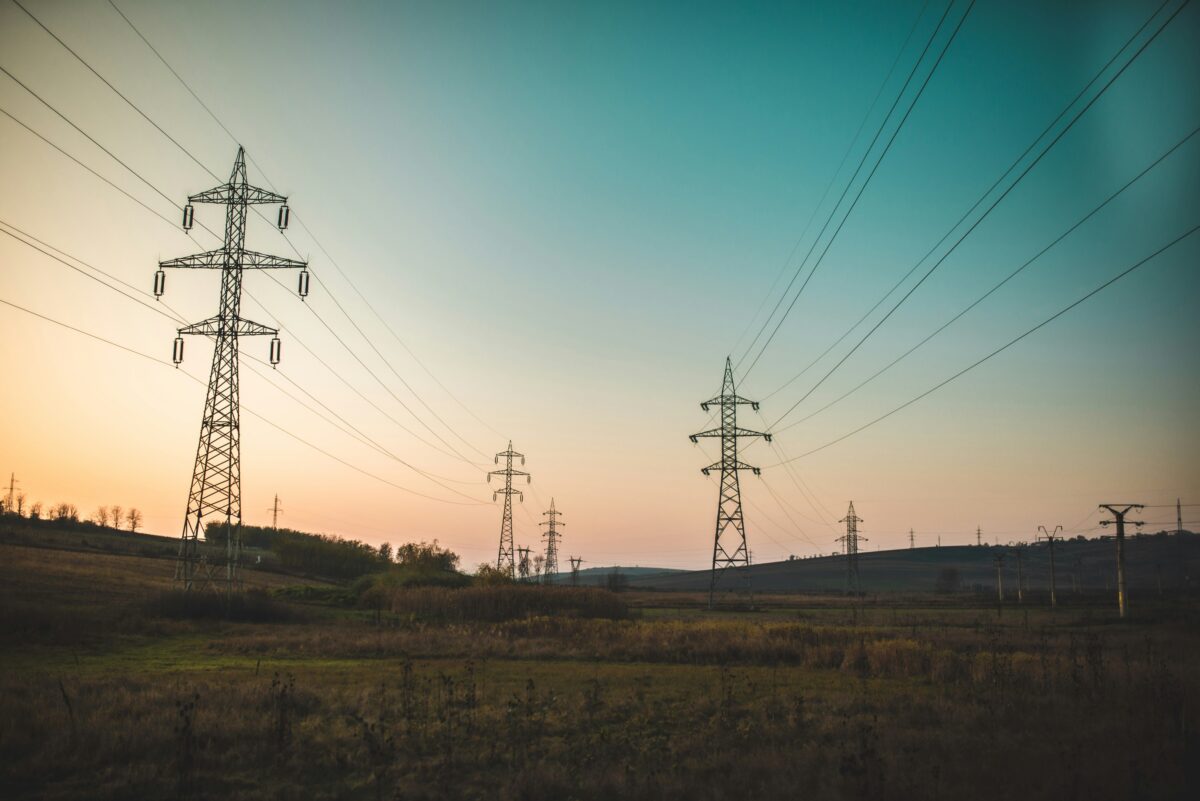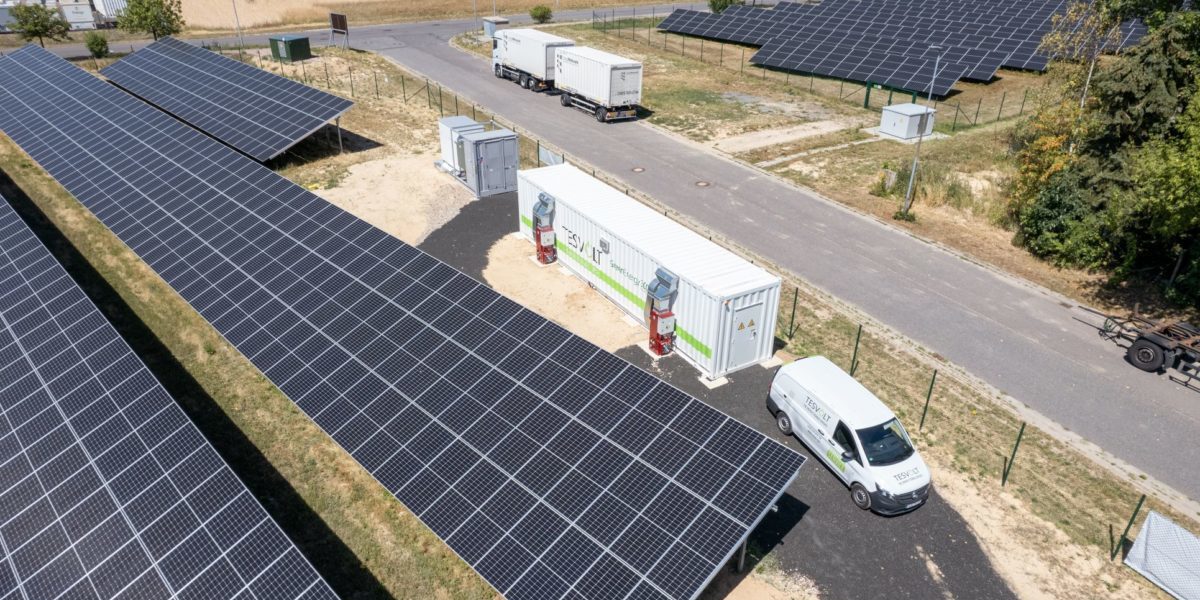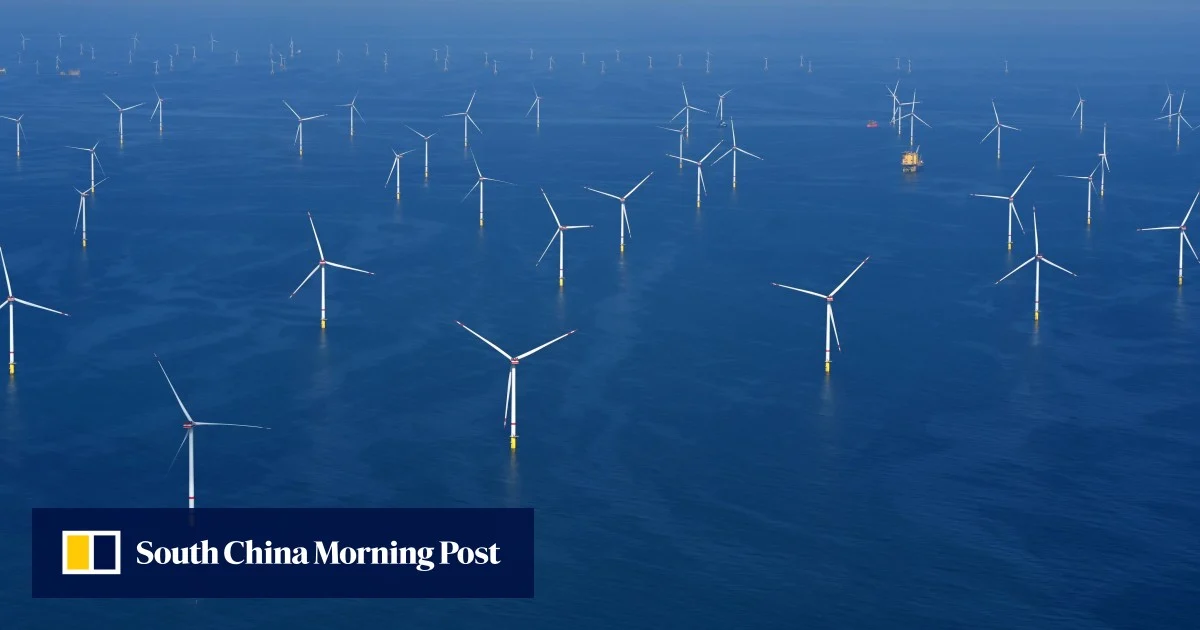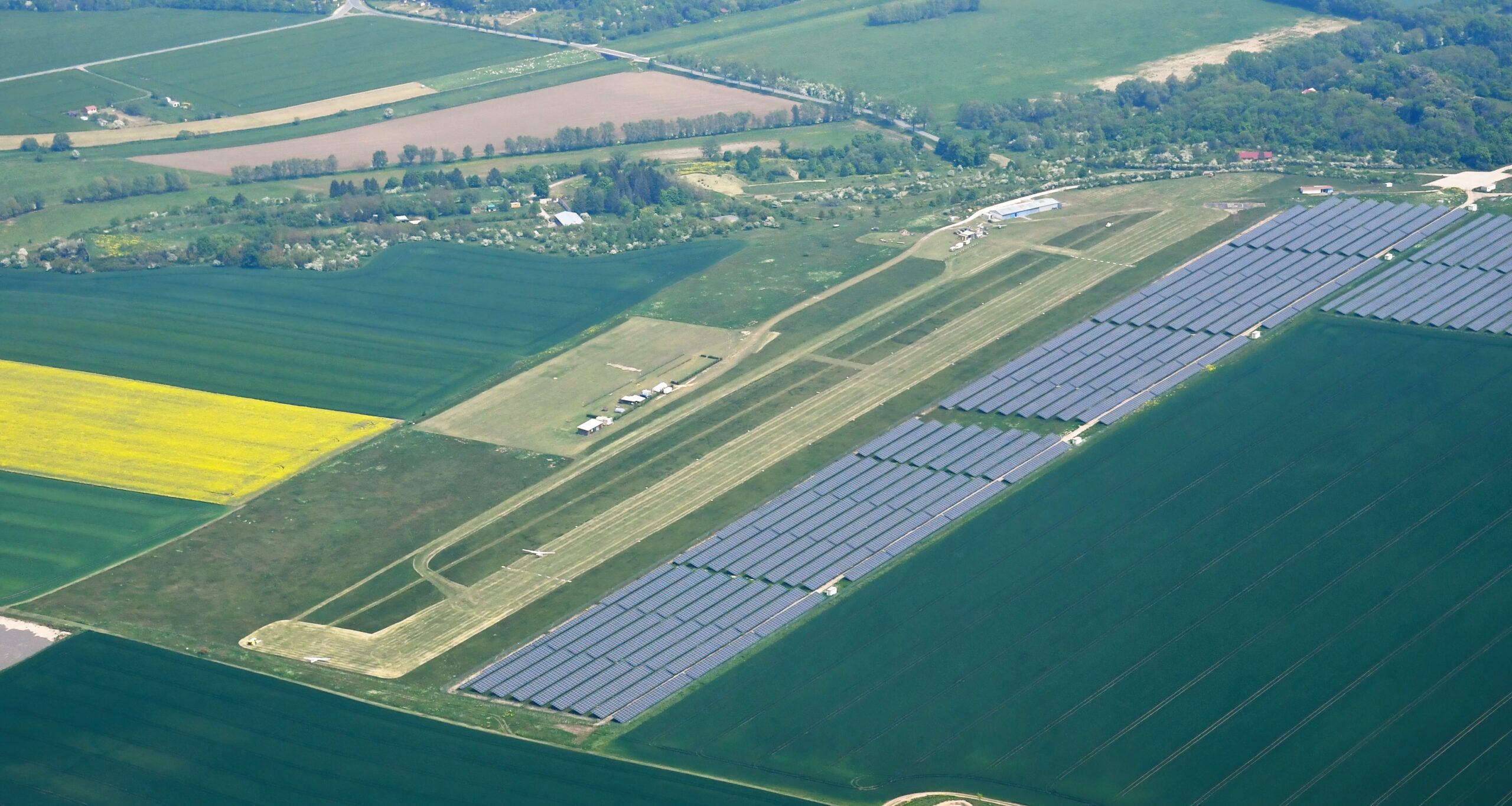
Germany’s renewable power market is shifting from stable feed-in support to a more volatile system with frequent negative prices, 15-minute trading, and growing grid congestion. For asset and fund managers, performance now depends on time-specific production, curtailment, pricing, and redispatch effects, making granular operational and settlement data essential beyond monthly revenue reporting.
Germany’s renewable electricity market is entering a more demanding phase. For more than two decades, the Renewable Energy Act (EEG) helped create one of the world’s most mature renewable power markets, giving investors and operators a high degree of revenue visibility through feed-in tariffs and later market premium schemes. That framework is now being reshaped by a power system with more renewable output, more decentralized generation, and more frequent grid constraints.
For commercial asset managers and fund managers, monthly production and revenue totals now tell only part of the story. Teams increasingly need to understand when an asset produced, whether it was curtailed, which mechanism applied, what the asset would otherwise have generated, which market price was relevant, who is responsible for compensation, and how the financial impact should be reported.