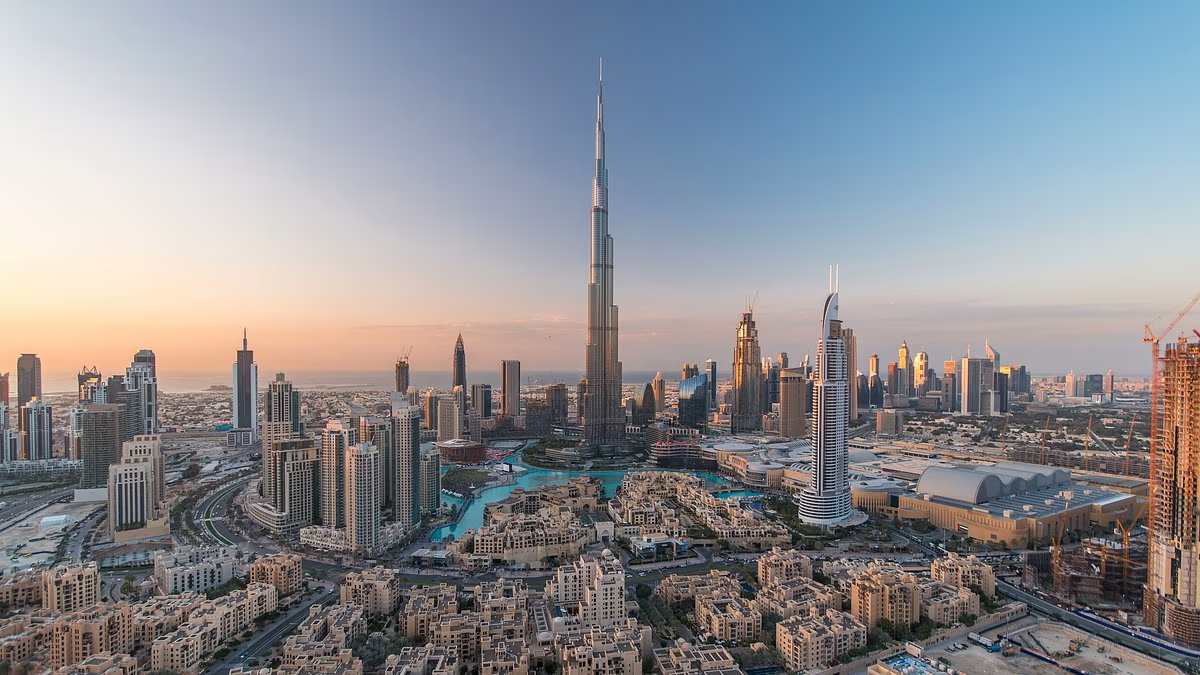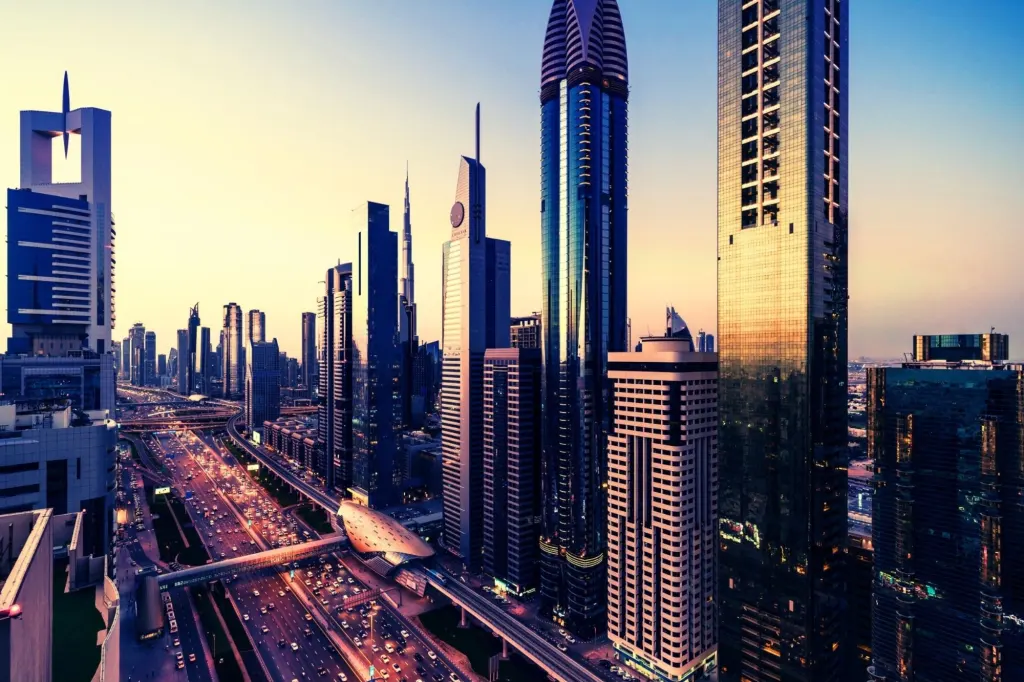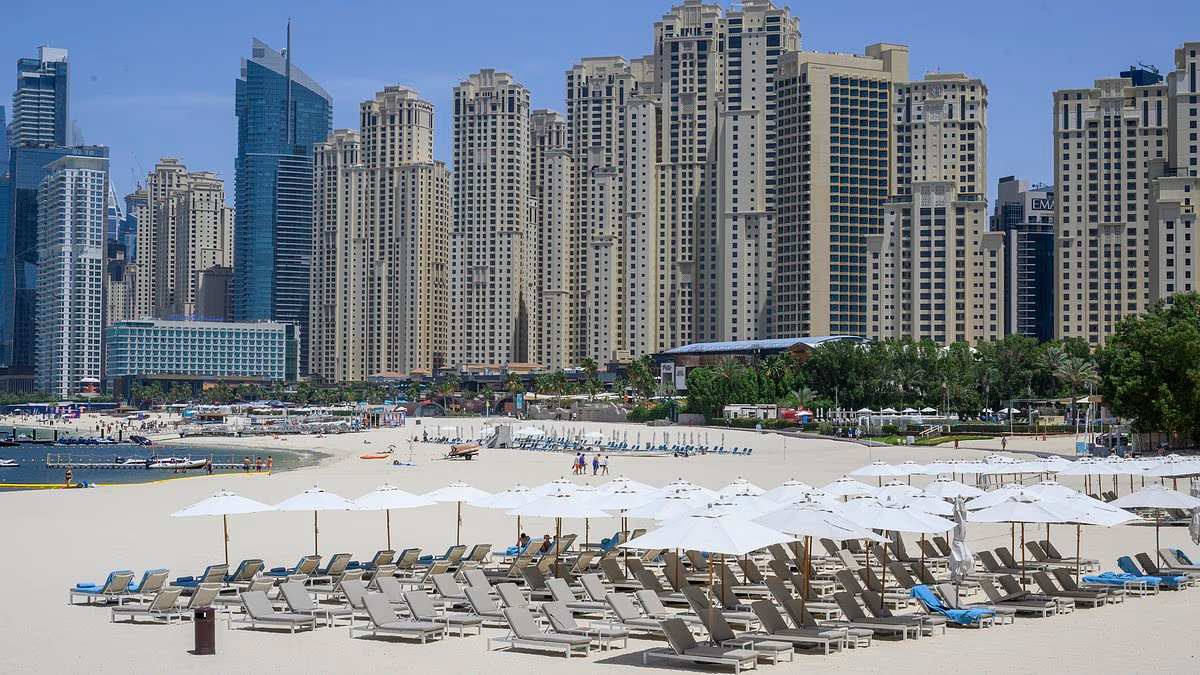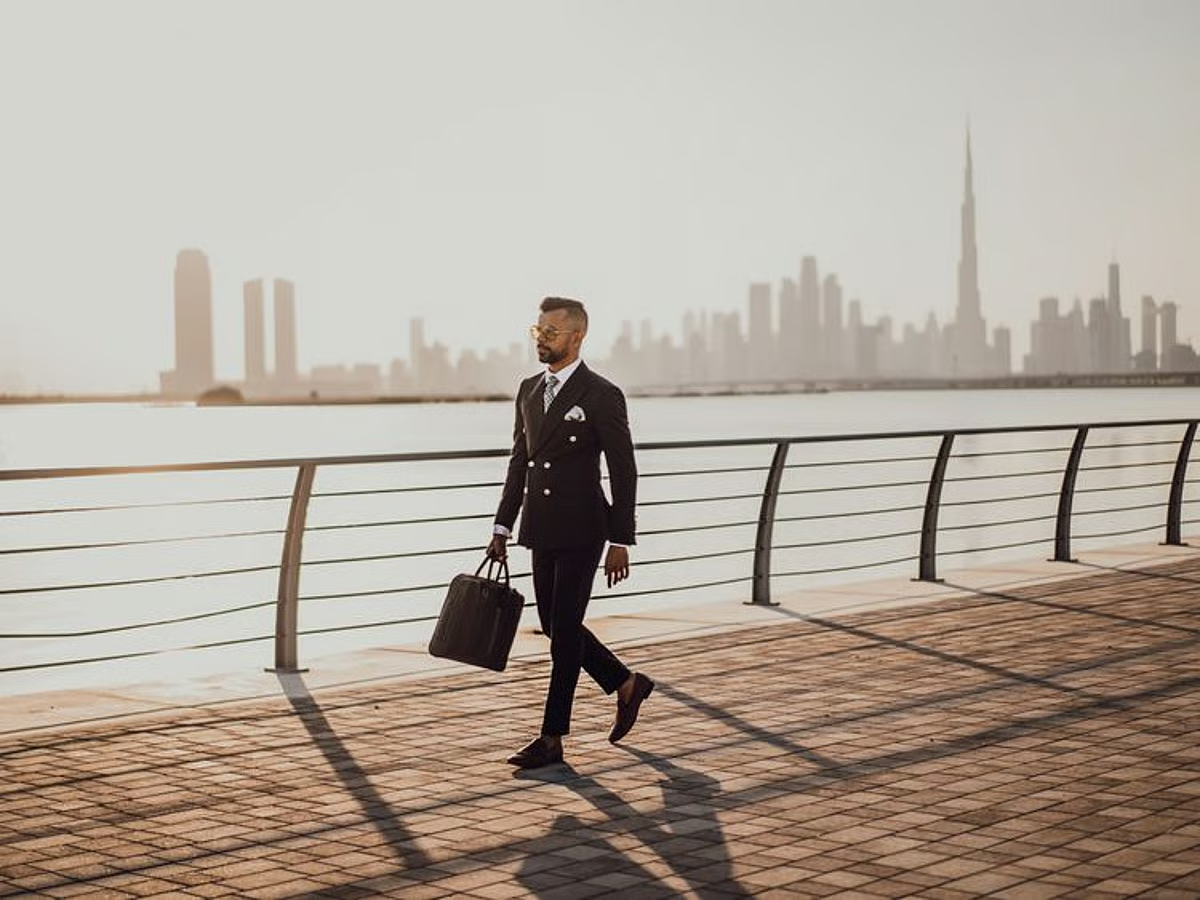
For the 50,000 South Africans who live and work in Dubai, the city is not a distant, gloomy headline but the culmination of all their hard work and ambition. These entrepreneurs, engineers, financiers and healthcare professionals have forged careers and lives in Dubai that are built to last. The current conflict in the Gulf has prompted some talking heads to yawn that Dubai’s star is starting to fade. But South African businesses know the city is a permanent fixture in how they spend, invest and grow. In the first half of 2025 South Africa and the United Arab Emirates (UAE) recorded $3.93bn in non-oil trade, building on a bilateral relationship that has more than doubled in volume since 2019. In December, both governments agreed to deepen trade and investment discussions, a further step in economic integration. South Africa is now the UAE’s second-largest trading partner on the continent. This relationship has blossomed for practical reasons. For a South African company with continental ambitions Dubai is not a rival to Johannesburg. It is an extension of its reach: a point of access to Gulf sovereign capital, Asian and European investors, and a base from which to manage business across Africa, the Middle East and beyond.Dubai also offers something more for the aspiring entrepreneur. It is a regulated, low-tax environment with direct flights to every major market. The Dubai International Financial Centre (DIFC) provides an English common law framework and independent courts, giving South African entrepreneurs a legally familiar environment in which to structure cross-border deals. Dubai’s network of double taxation agreements (covering more than 130 countries, including South Africa) eliminates the risk of being taxed twice on international earnings. And free zone structures such as the DIFC itself allow 100% foreign ownership with full profit repatriation, removing the equity dilution that can constrain growth elsewhere. That gateway role matters not just for established businesses, but for the next generation of South African entrepreneurs. Yet potential without access to capital, networks and markets remains just that: potential. That is why Dubai’s appeal is now also becoming institutional.This year Absa is opening a representative office in Dubai, specifically to serve clients seeking to invest in African infrastructure. Standard Bank, Africa’s largest lender by assets, has gone further still: in September 2025 it convened a summit in Dubai under the theme “Unlocking Infrastructure Capital for Africa”, bringing South Africa’s state-owned companies, including Transnet and Rand Water, directly to Gulf investors to pursue the funding needed to close our country’s infrastructure gap. If more evidence were needed that the links between South Africa and Dubai remain strong, look at the decisions businesses are making right now. Broll Property Group, headquartered in Cape Town, expanded into Dubai this month to capitalise on Gulf-Africa investment flows. Meanwhile, Dubai’s Averi Finance is eyeing up a Johannesburg listing through a reverse takeover of Mantengu’s mining operations. When the UAE launched its $1bn AI For Development initiative to expand AI infrastructure across Africa, it was making a bet on the continent’s future and opening a door for South African businesses. South Africa’s relatively sophisticated tech and financial services sectors position our businesses to act as implementation partners for AI-driven infrastructure across the continent: providing the engineering talent, financial structuring expertise and regional knowledge that Gulf capital alone cannot supply. For South African firms with continental ambitions, Dubai is increasingly the place where those partnerships are being formed and financed. But that kind of long-term commitment only holds value if it proves stable and resilient to shocks. On that count, Dubai has now proven itself twice in six years. The first test was the pandemic. Global travel collapsed almost overnight, yet Dubai imposed a firm lockdown before successfully re-opening earlier than most major destinations. It launched the 10-year Golden Visa, which offered long-term residency to investors, entrepreneurs and skilled professionals without requiring a local sponsor, dismantling one of the most persistent barriers to putting down genuine roots in the UAE. The city then went on to host a World Expo, bringing millions of visitors to the city at a pace few thought possible.The second test is playing out now. Dubai’s response to the US-Iran conflict has been instructive. Rather than aligning with either side, the UAE has deliberately maintained a position of neutrality; preserving diplomatic channels with both Iran and the Western powers arrayed against it. This neutrality reflects a conscious choice to place commerce and stability above geopolitical alignment, and it is precisely what makes Dubai functional as a global hub when other regional centres cannot be. Its authorities have projected calm, its advanced preparation has been evident, and its expatriate community has held together. Some expats who left in the early days of uncertainty are already returning. The factors that underpin Dubai’s appeal, including safety, connectivity and opportunity, have not changed. Many still view Dubai as a tourism brand rather than a thriving global hub. But the 50,000 South Africans who have built lives and careers there know otherwise. They know Dubai is not a temporary phenomenon or a speculative economic outpost. It is a permanent feature of how South Africans live, work, invest and grow. The opportunity ahead is substantial. South African firms that treat Dubai as a permanent base rather than a stepping stone will find themselves better positioned to access Gulf sovereign capital, structure deals across African markets, and compete for the infrastructure and technology partnerships that will define the continent’s next decade of growth. The question for South African business is no longer whether Dubai belongs in their strategy. It is how quickly they move to make the most of it. Burdin is the former world assignments editor and Africa bureau chief for the BBC.
PETER BURDIN | Dubai is not going anywhere, and South Africans know it
Entrepreneurs find stability and growth in Dubai’s regulated, low-tax environment
950 words~4 min read