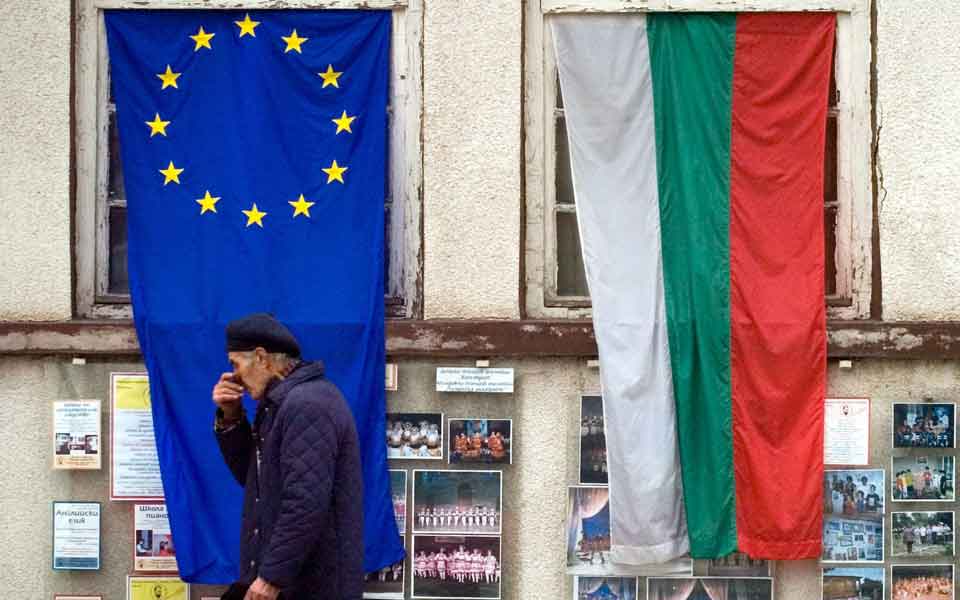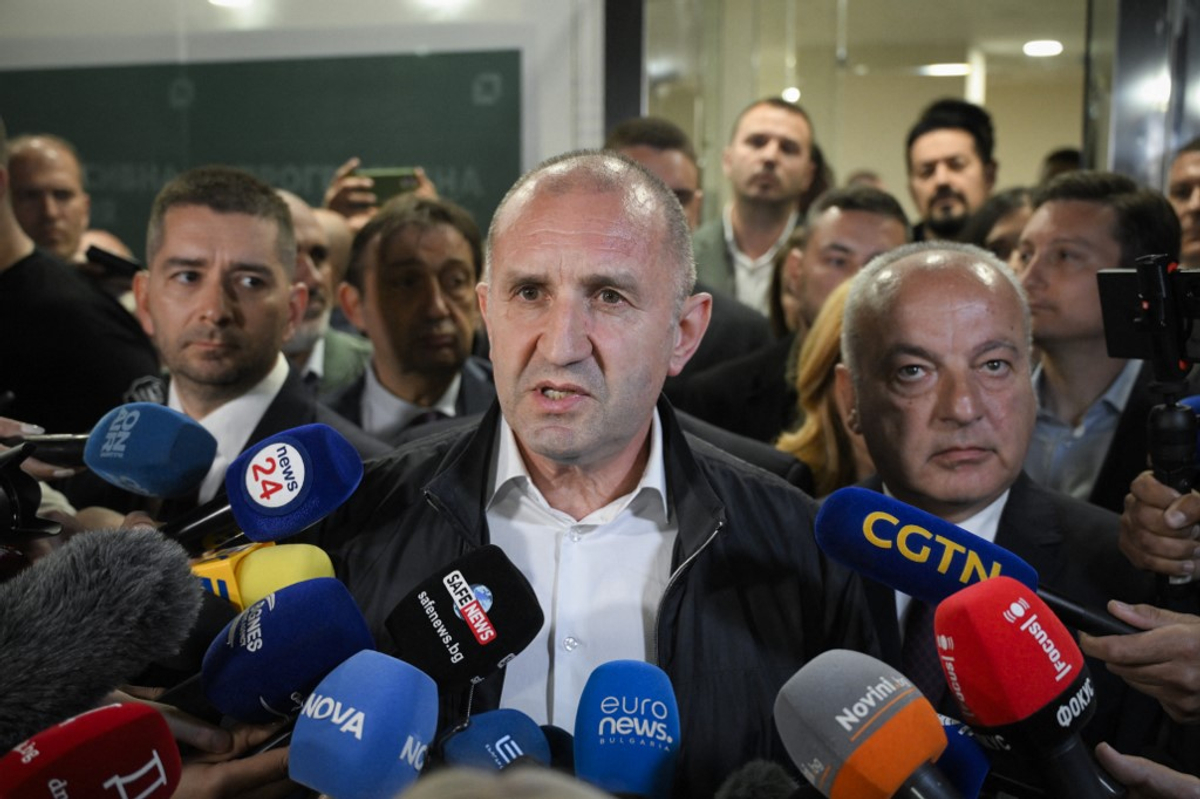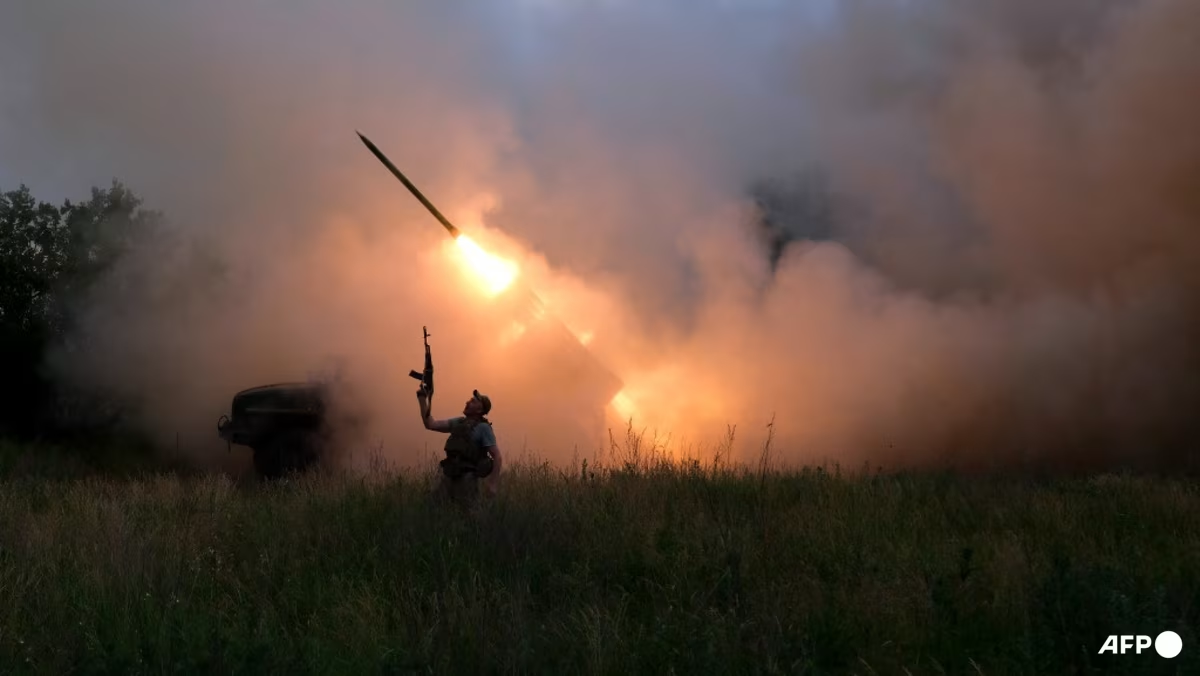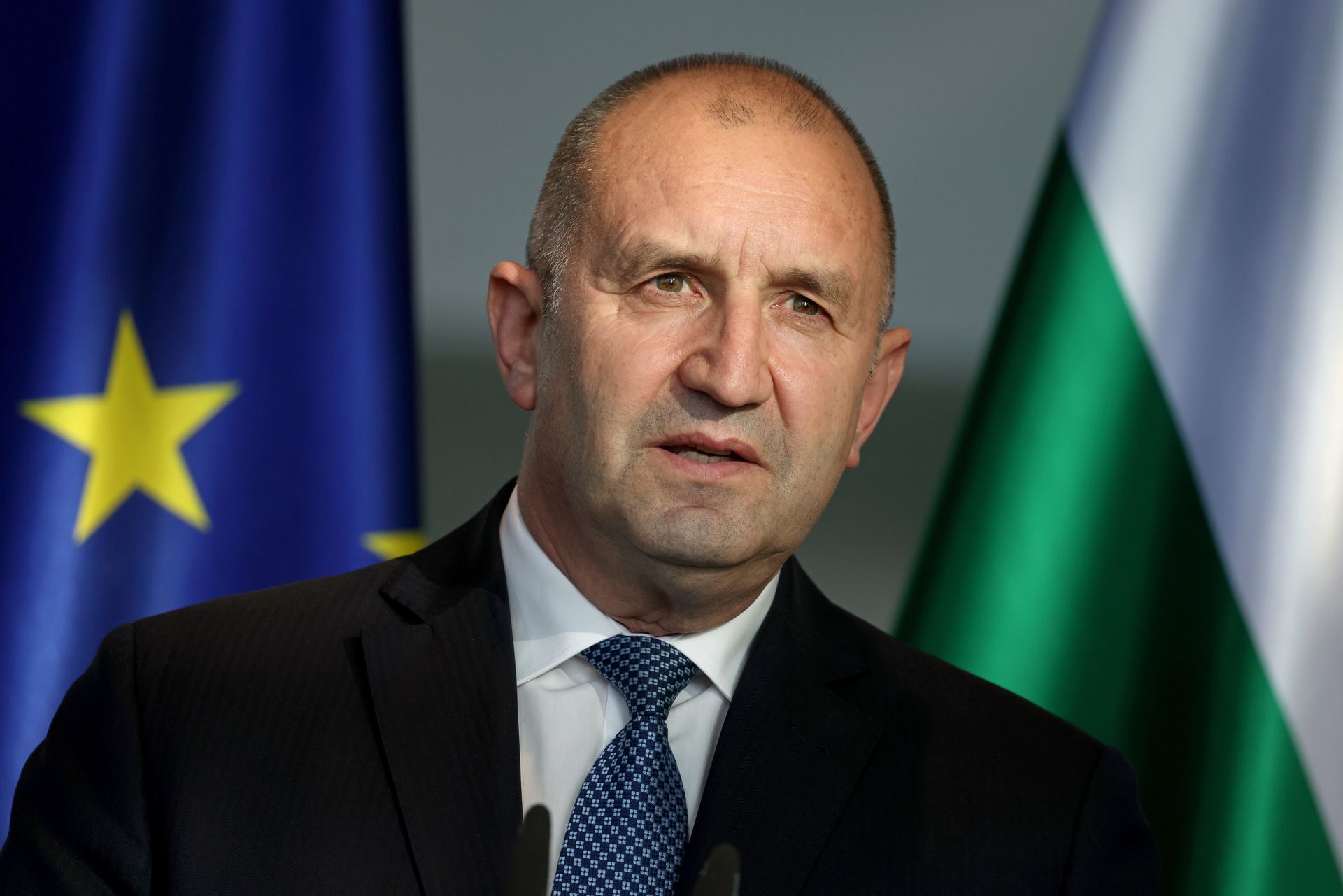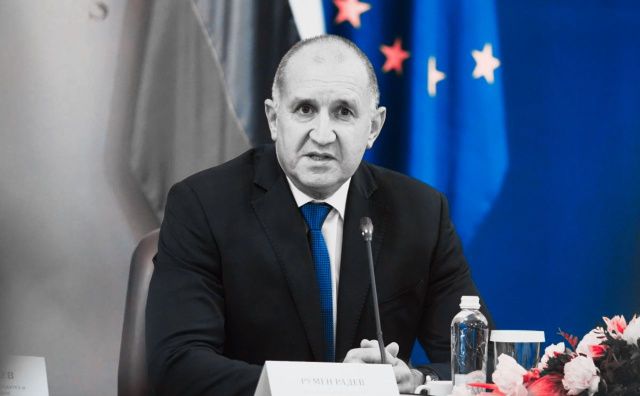
On Wednesday, at the start of a Council of Ministers meeting, Prime Minister Rumen Radev announced that Bulgaria would stop providing weapons to Ukraine. "We have already given enough," he said. "Our country continues to suffer socio-economic damage from this bloody war." The line was clean, declarative, and aimed at the cameras. It was also, on closer inspection, not really true.
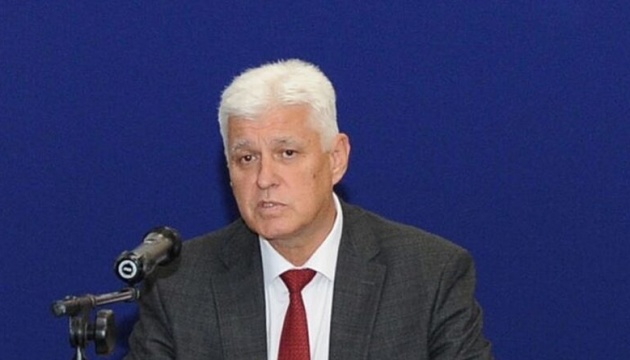
Later, Defense Minister Dimitar Stoyanov began walking it back. Speaking to bTV, he made an important clarification. "We are stopping the provision of weapons and ammunition from the warehouses of the Bulgarian army. The word is provision, not sale," he said. If Ukraine wants to buy weapons through Bulgarian defense industry channels, that remains entirely possible. Foreign Minister Velislava Petrova reminded journalists that any decision on aid, military or humanitarian, has to go through the Council of Ministers and then parliament, and that nothing has actually been formally decided yet.
What Was Actually Being Stopped
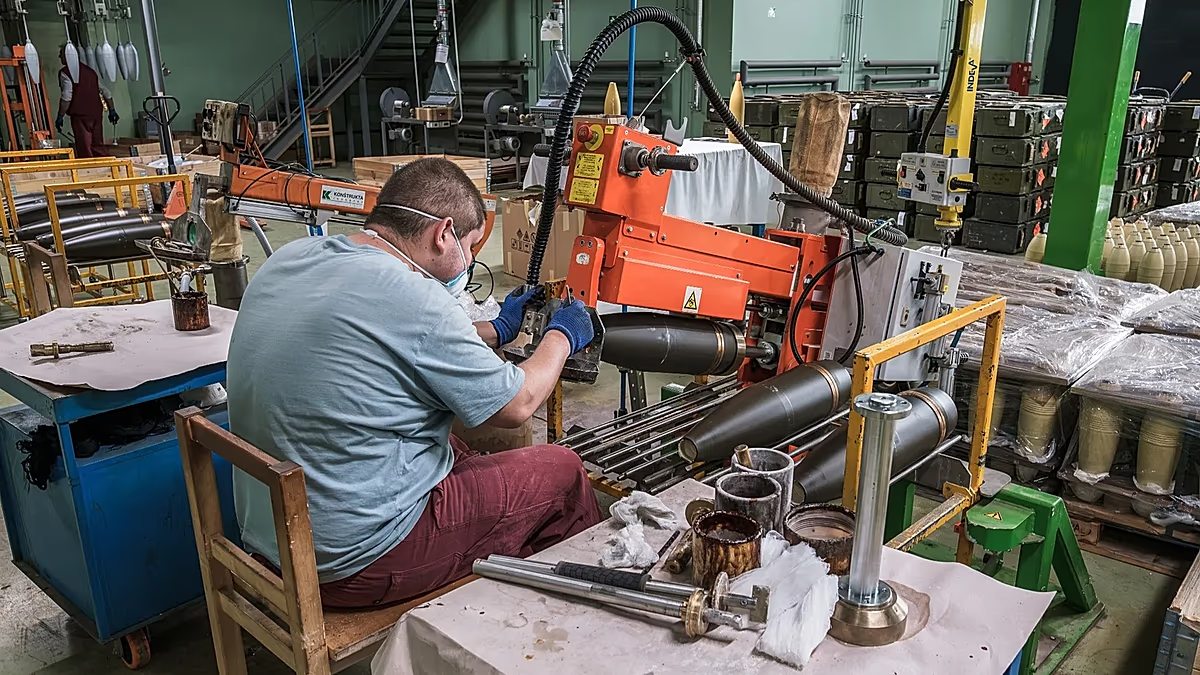
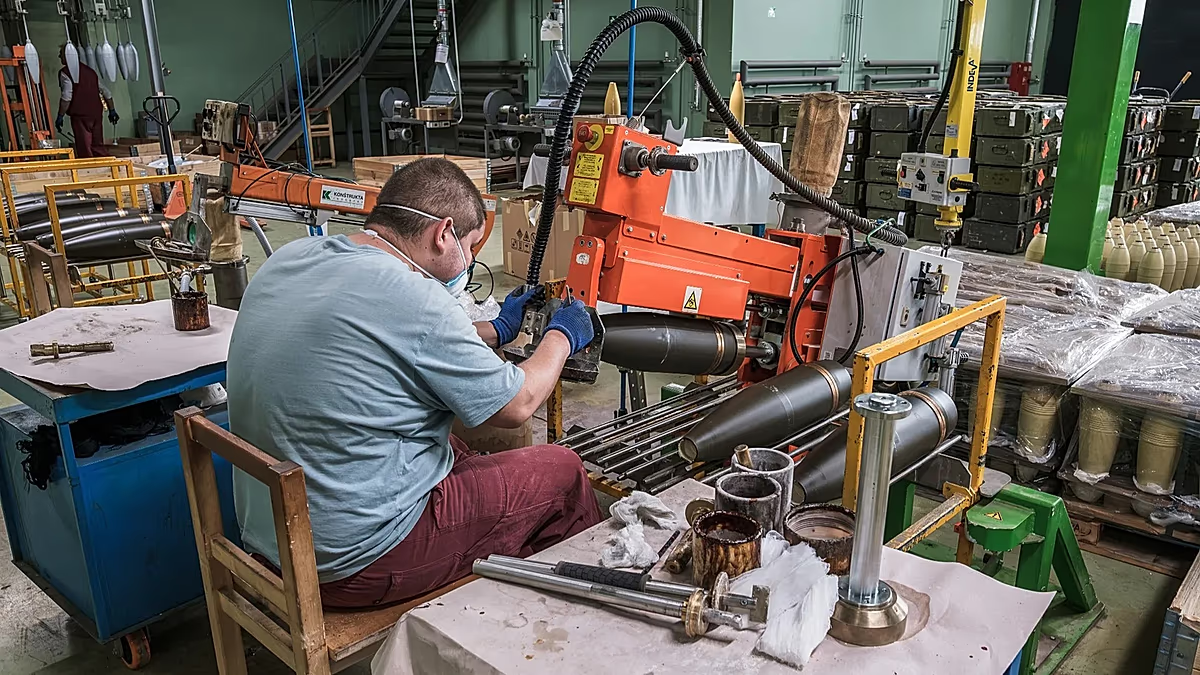
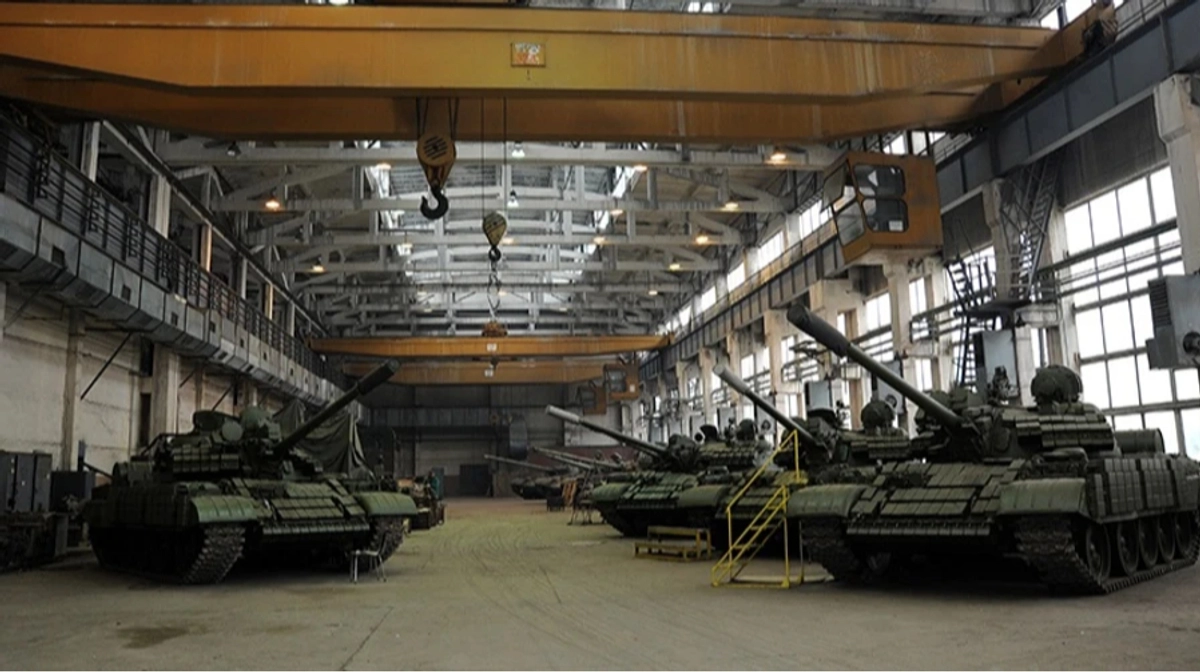
The first thing worth understanding is the scale of what Bulgaria was supposedly halting. According to opposition MP Ivaylo Mirchev of Democratic Bulgaria, roughly 98 percent of Bulgarian military aid that has reached Ukraine has come not from army warehouses but from the country's defense industry, paid for either directly by Ukraine or through European partners. The European Peace Mechanism alone has channeled some 6.5 billion euros into the Bulgarian economy in exchange for that production. Former Economy Minister Bogdan Bogdanov, now a PP MP, estimates the broader Bulgarian defense sector employs around 70,000 people and is deeply integrated into international supply chains.