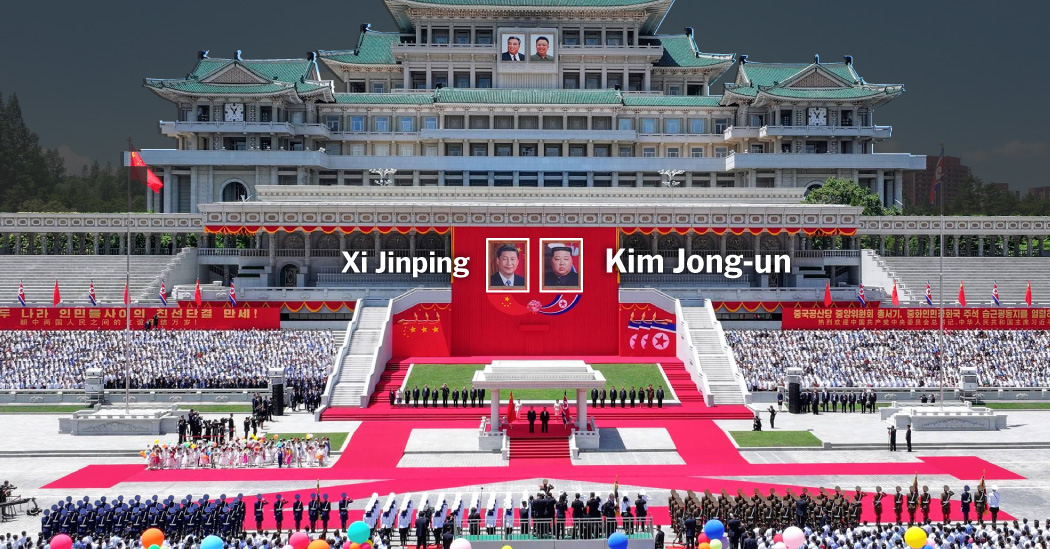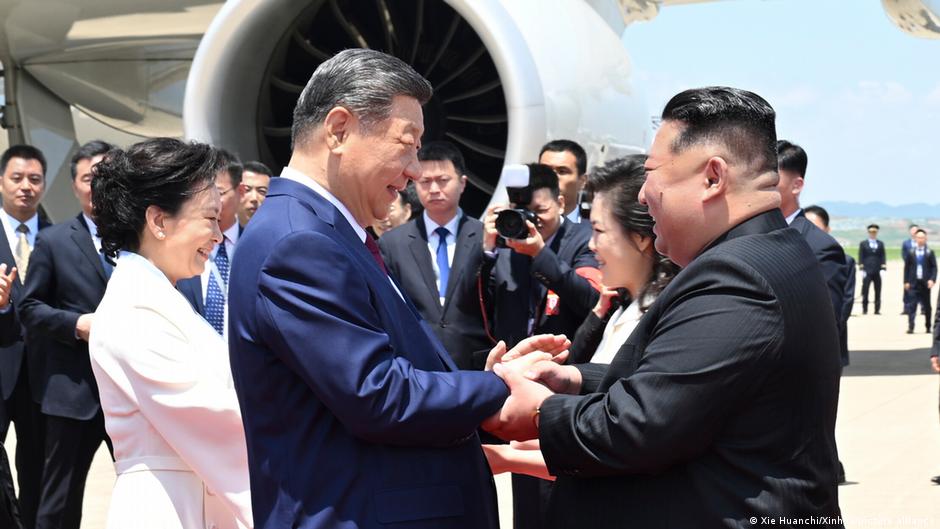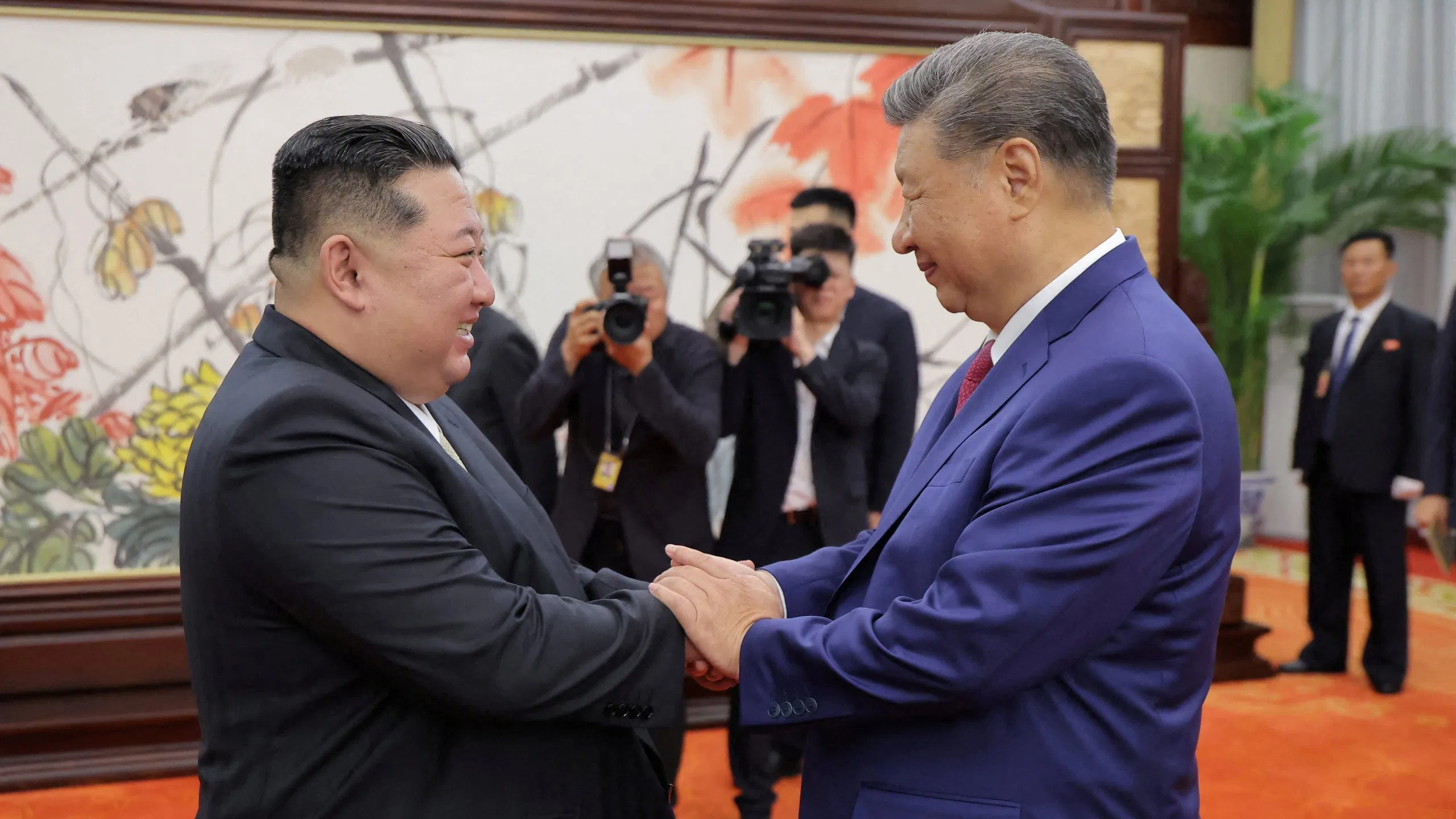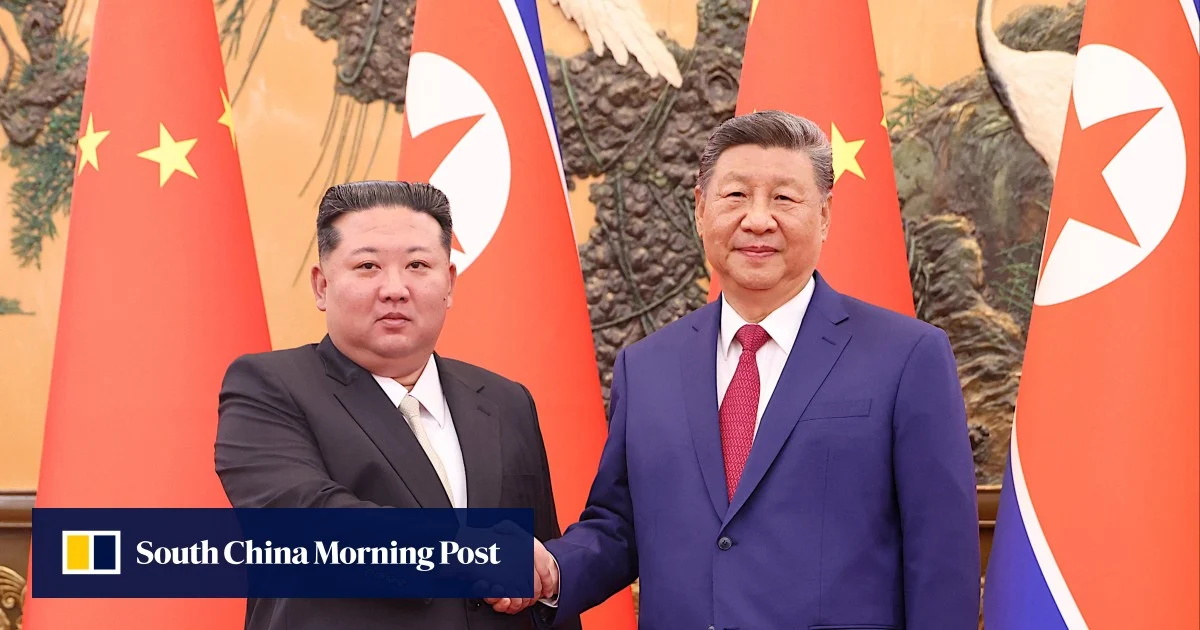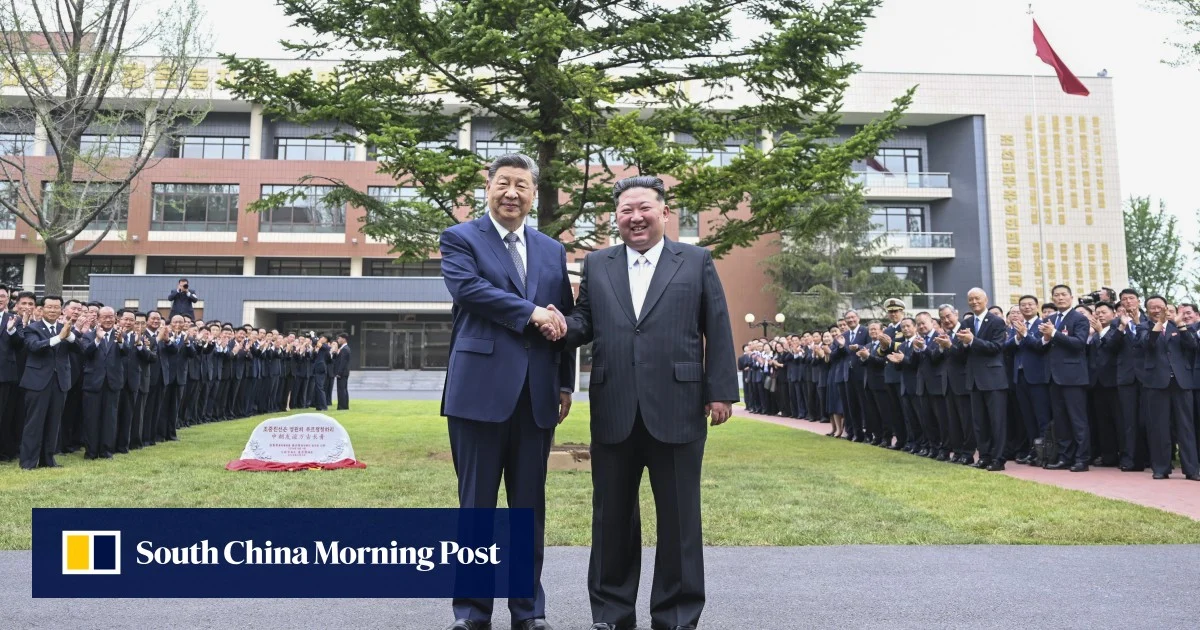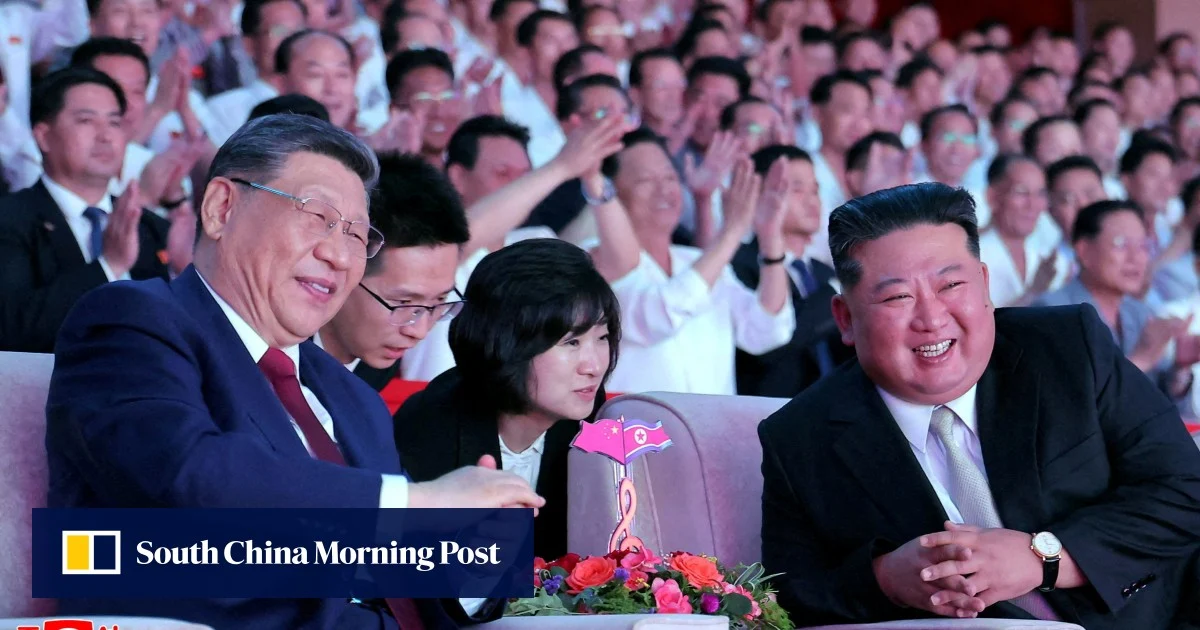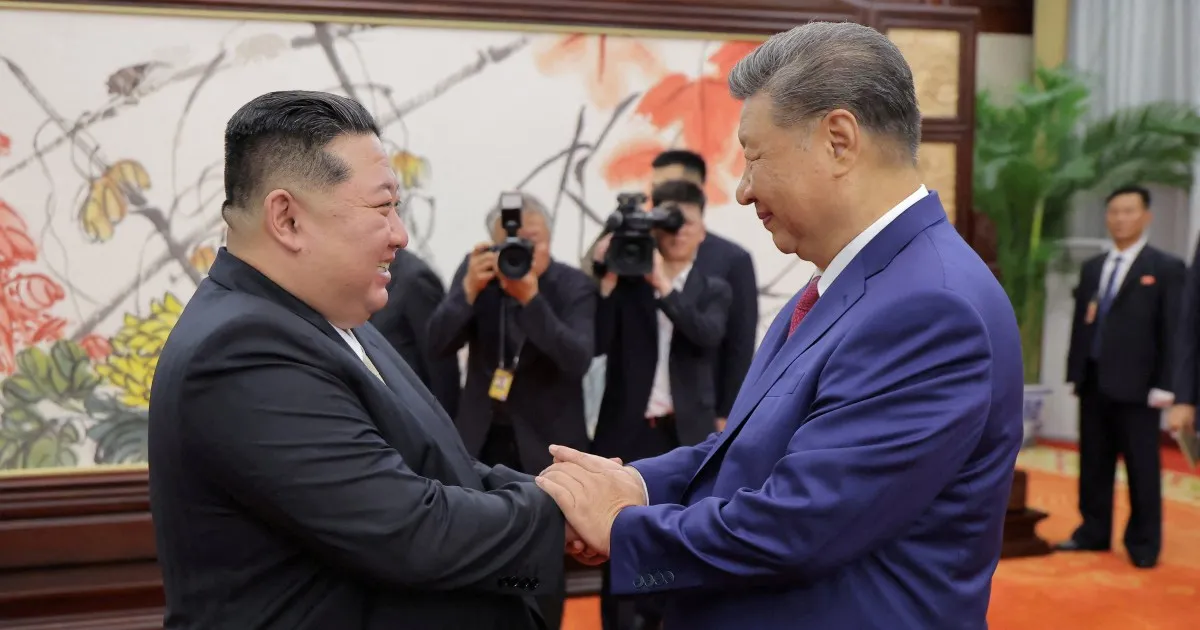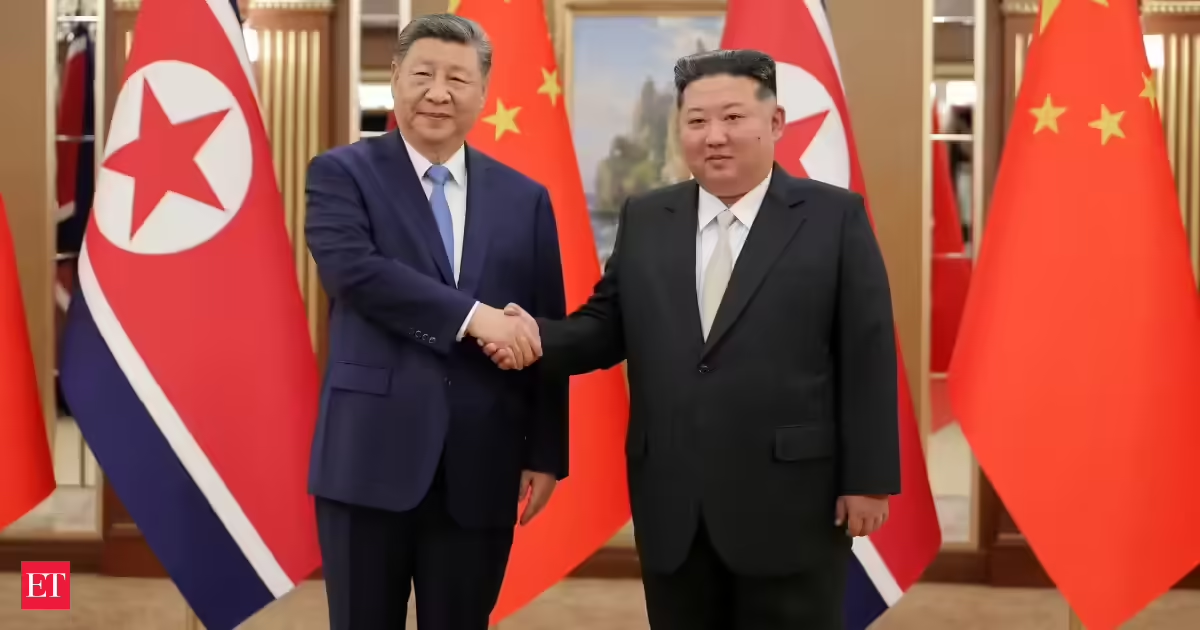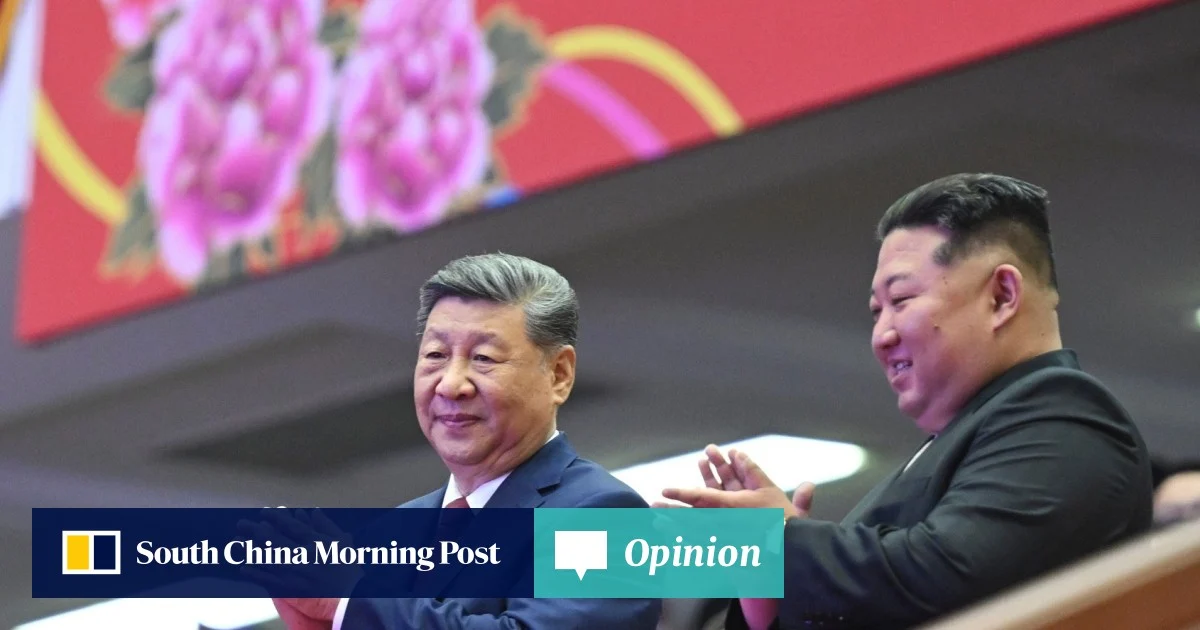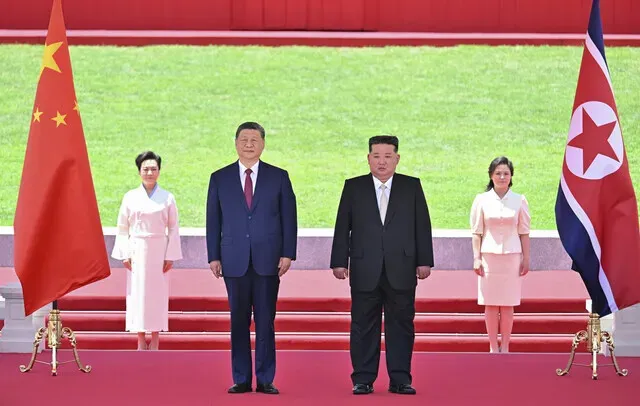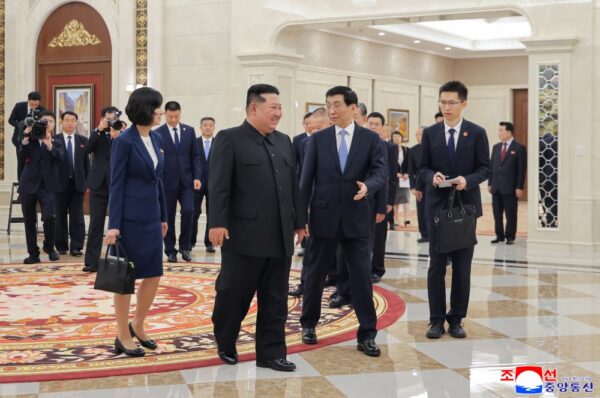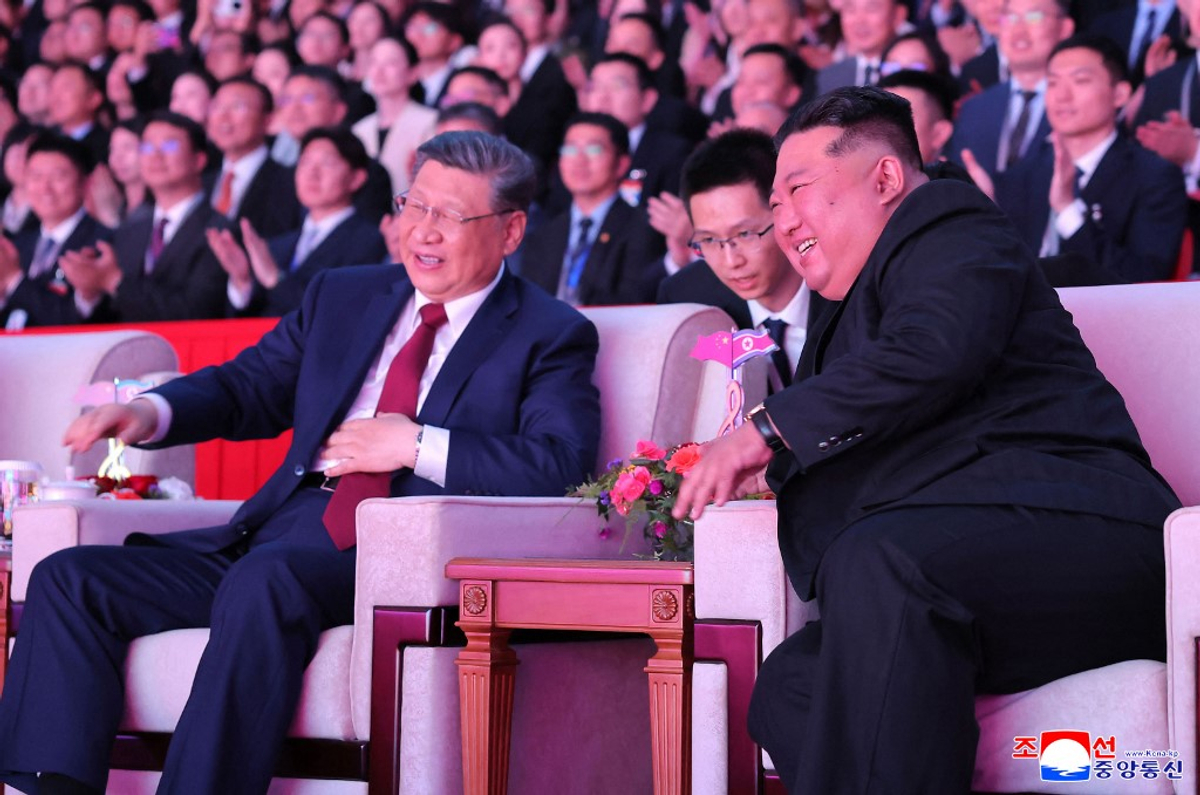
For decades, the only available option to North Korea in its relations with neighboring China was a junior partner status. Economically isolated, diplomatically constrained and heavily dependent on Chinese trade, Pyongyang had little choice but to accommodate Beijing’s interests and priorities. Today, that balance is shifting. Xi Jinping’s visit to North Korea this week highlights a remarkable reversal in regional dynamics. Rather than arriving as the leader of an indispensable patron seeking to influence a dependent neighbor, Xi found himself engaging with a regime that had acquired strategic value through its deepening partnership with Putin’s Russia. North Korea managed to acquire new leverage over China at a time when a great-power struggle is reshaping the global geopolitical landscape.JOIN US ON TELEGRAMFollow our coverage of the war on the @Kyivpost_official. Russia’s full-scale invasion of Ukraine has been a great catalyst in this process. By signing a mutual defense treaty in 2024, North Korea has emerged as a critical military partner for Moscow, supplying troops, ammunition and other forms of support to the Russian war effort. In return, Russia has provided economic assistance, diplomatic backing and enhanced military cooperation, helping to revive North Korea’s struggling economy while reducing its dependence on China. The consequences extend far beyond the battlefield in Ukraine. For the first time in decades, Kim Jong Un has an alternative partner capable of providing economic support, political cover and strategic relevance. This has weakened Beijing’s historical ability to shape North Korea’s foreign policy through economic means.
How Kim Jong Un Gained Leverage Over Beijing
Once heavily dependent on Beijing, Pyongyang has used its partnership with Moscow to gain leverage over its most important economic partner
1,015 words~5 min read