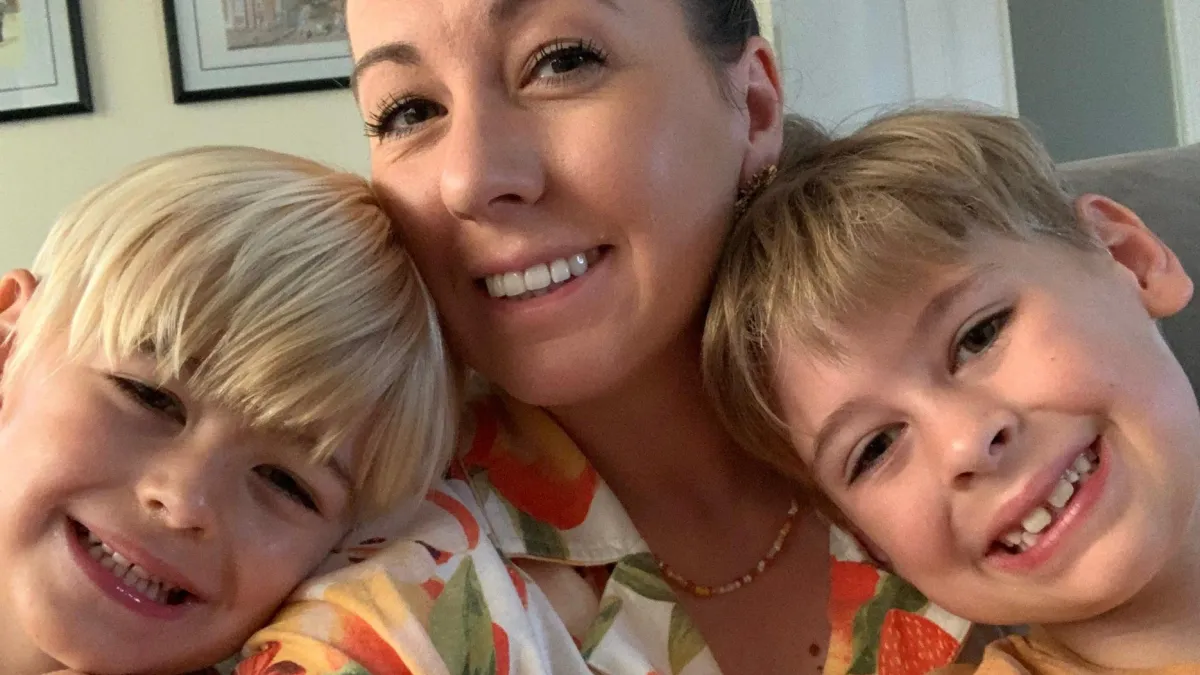
When Natasha Hunt’s son Elliot was born, she had a plan. She’d done her psychology degree, then a teaching qualification, and was working at a mental health charity running therapeutic sessions in schools — groundwork, she hoped, for training as an educational psychologist. She loved it.
Elliot is now nine. He has a diagnosis of autism, intellectual disability, a language processing disorder, which can make it hard for him to be understood, as well as ARFID — avoidant restrictive food intake disorder, a condition that severely limits what a child can eat, and which is particularly common among autistic children.
His five-year-old brother Hugo is currently being assessed for autism and ADHD. Natasha, 39, has not returned to work since Elliot was born — not because she chose not to, but because the combination of his needs and the failure of the system designed to support families like hers has made it impossible.
“People say to me, ‘Oh, you’re so lucky to stay at home,’” she says. “And I think: this isn’t a choice. This wasn’t something I decided. It’s completely devastated us financially.”
Natasha’s difficulties earning money started becoming clear when Elliot reached school age. No place appeared. Despite more than 20 schools being approached in and out of the borough, none said they could meet his needs. The local authority’s solution was for him to remain in nursery while a place was found, but that placement quickly broke down. For two years, Elliot remained at home — and Natasha was unable to work.