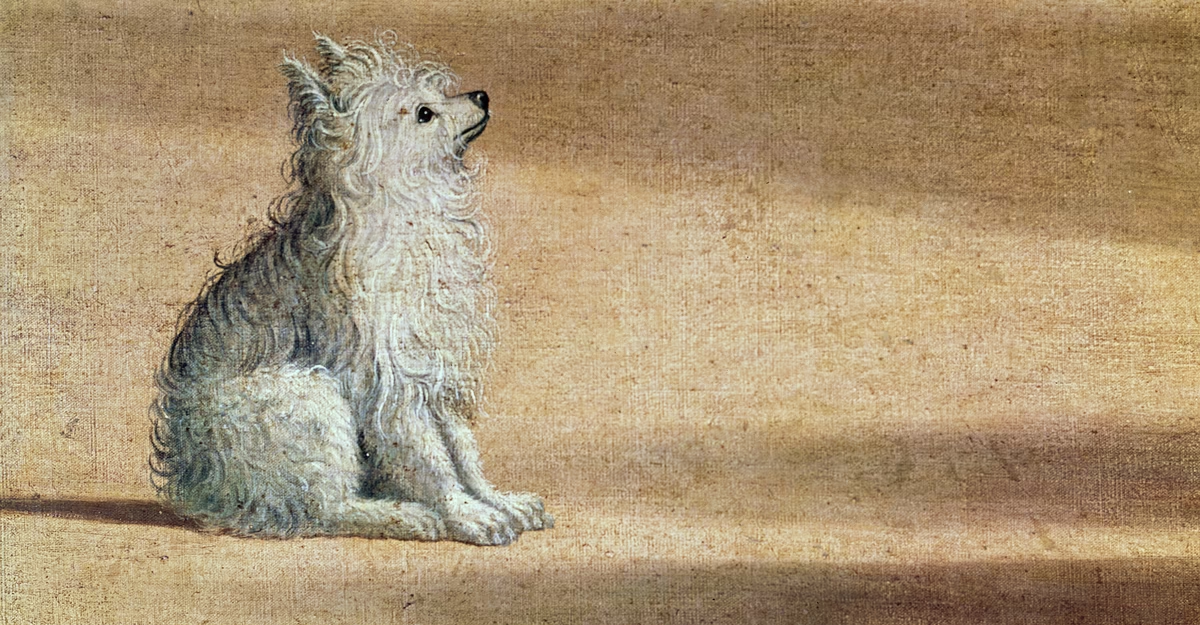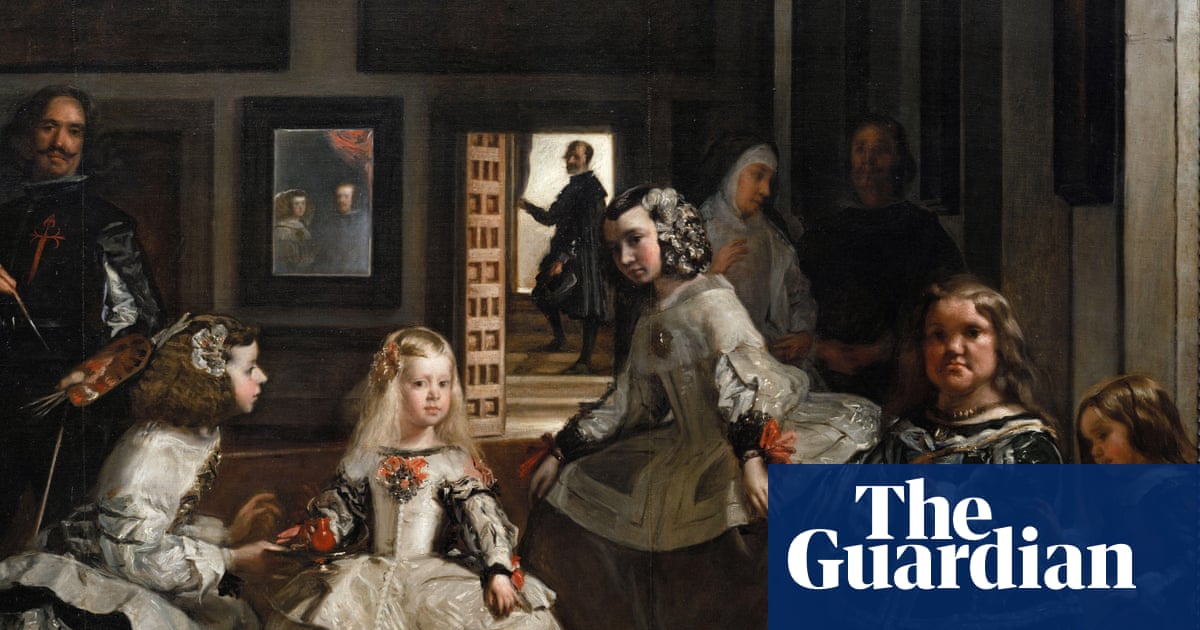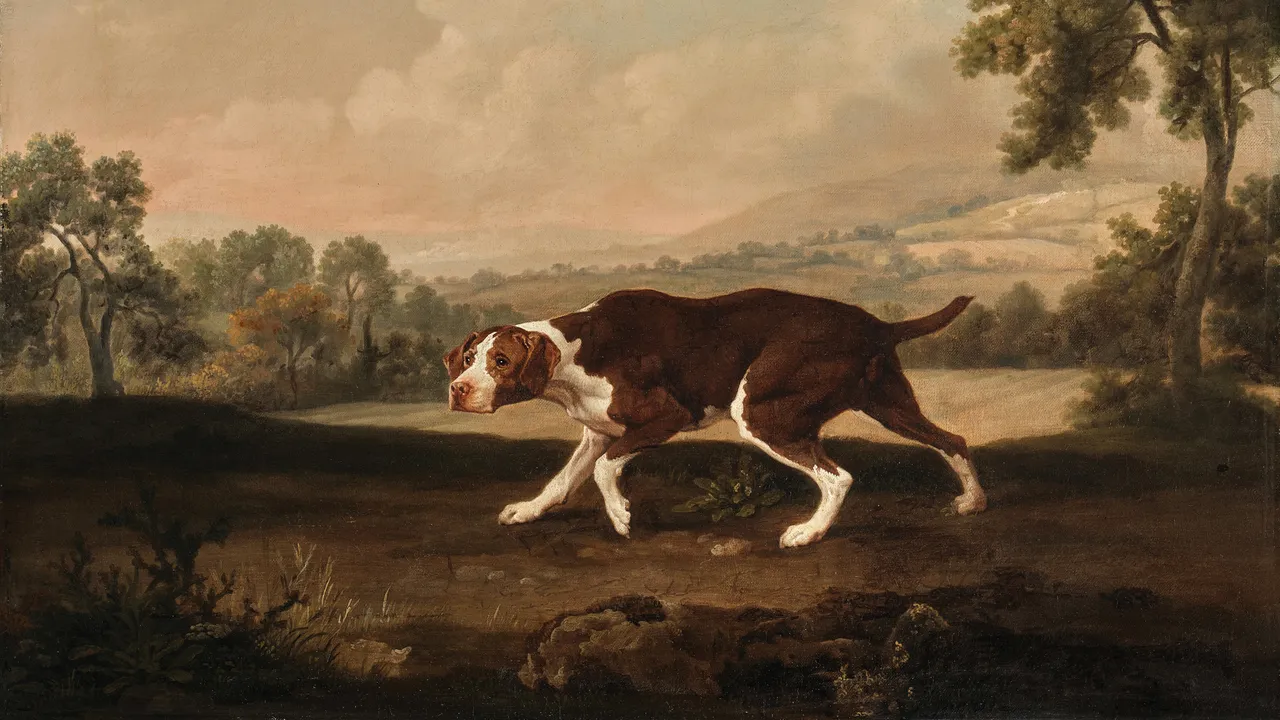
Dogs have long occupied a position at the boundary where the human animal meets the rest of creation. The great Victorian critic John Ruskin thought that the artists of Renaissance Venice—Titian, Veronese, Tintoretto—painted dogs “to give the fullest contrast to the highest tones of human thought and feeling.” They attracted these painters not because they are “the basest of animals, but the highest – the connecting link between man and animals.” This is not a claim about their position on an imagined evolutionary tree or even a Great Chain of Being, but a status conferred on them by artists who thought of dogs on a social and moral continuum with humans, as a kind of double in another register.Article continues after advertisement
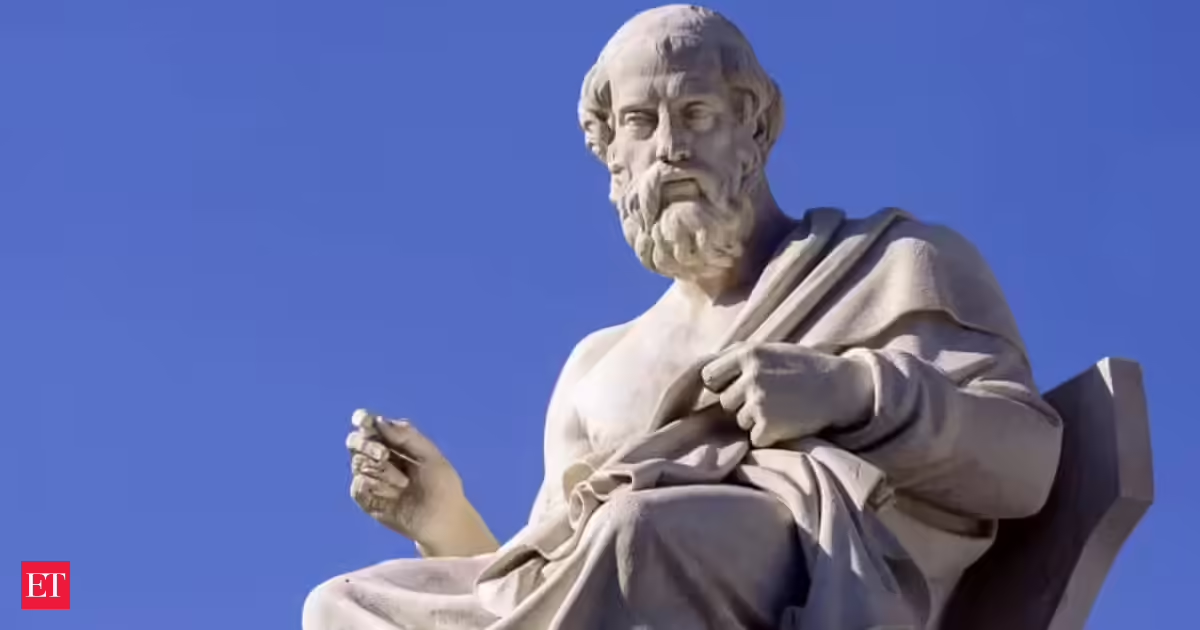
This idea has a long history. Diogenes the Cynic, a younger contemporary of Plato’s, was known as the dog philosopher—from the Greek word for dog, Kynikós—because he lived a life at the borderlands of culture: like a dog. Diogenes was a liminal creature; he lived on the street, close to nature; he did in public what civilized humans did only in private. And why not? he argued. He was ever unmasking the natural man who resides within the civilized one. Plato is reported to have thought of him as a mad version of Socrates in his challenges to civic convention. Diogenes the dog philosopher was not—could not have been—the cat, or the horse, or the donkey, or the bird philosopher; there is no equivalent thinker for other species.