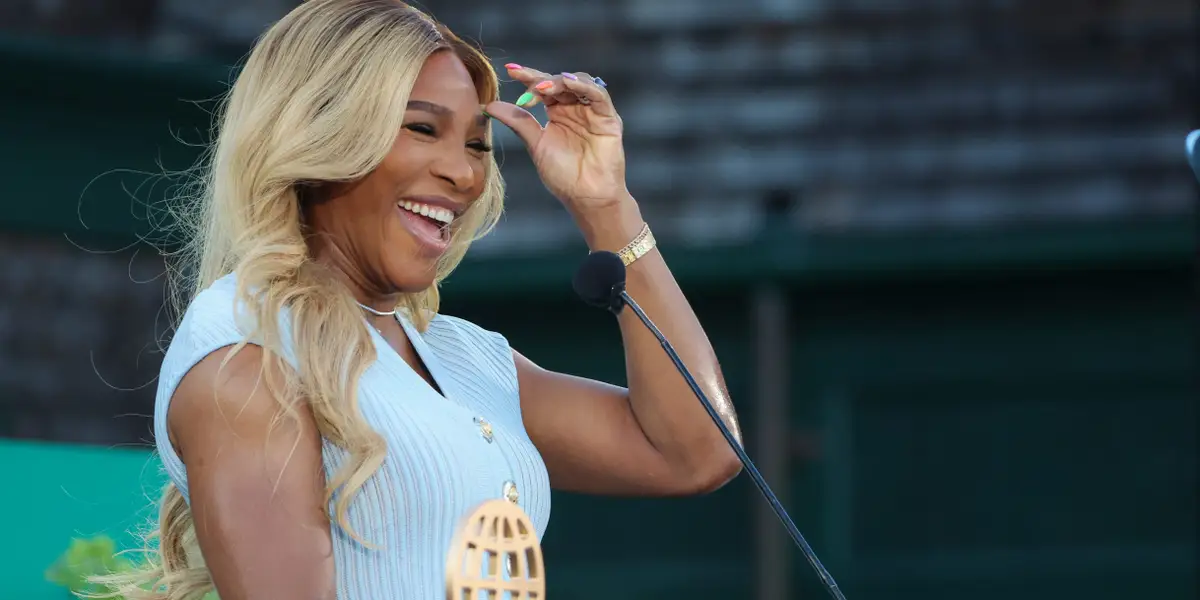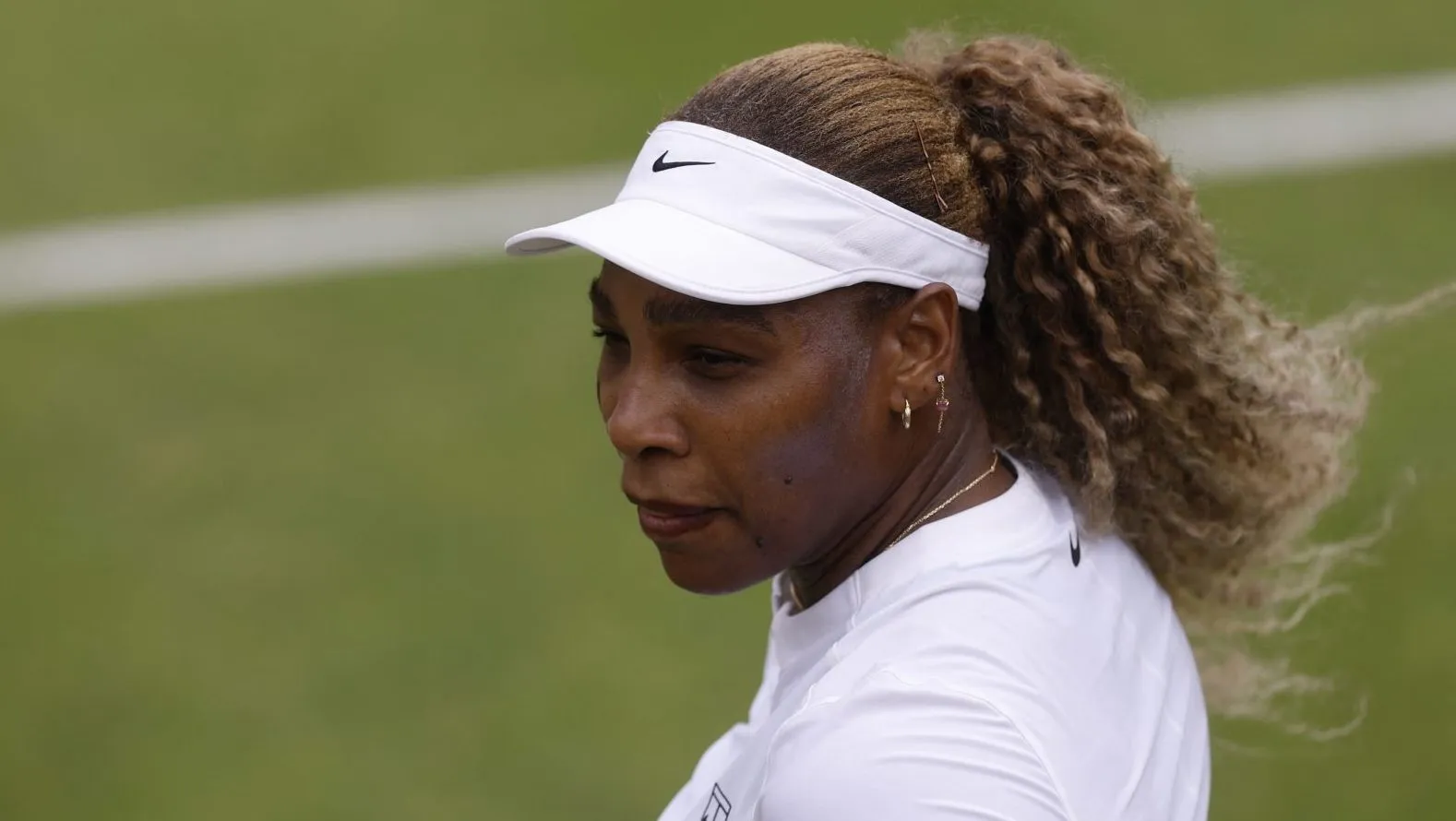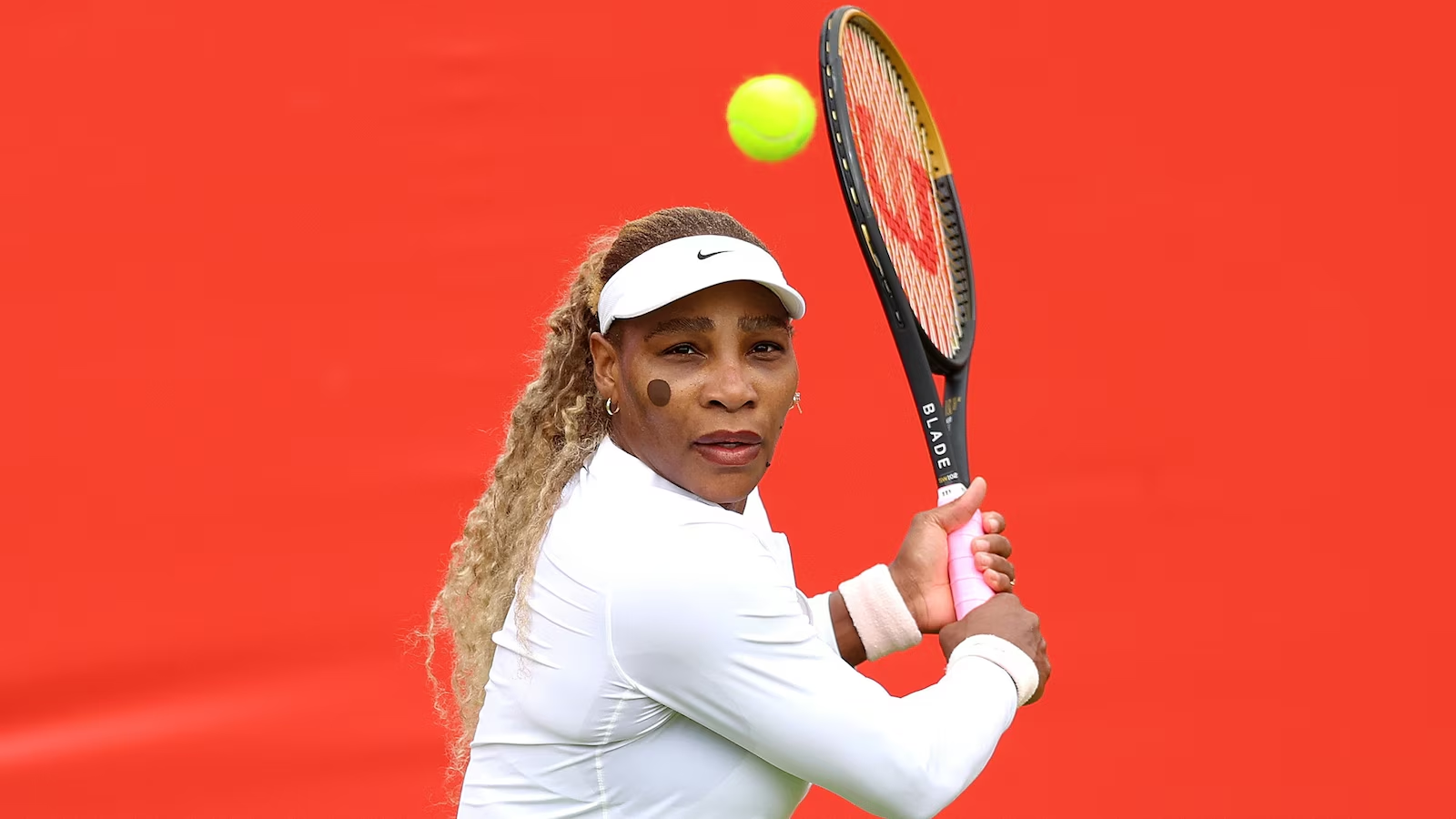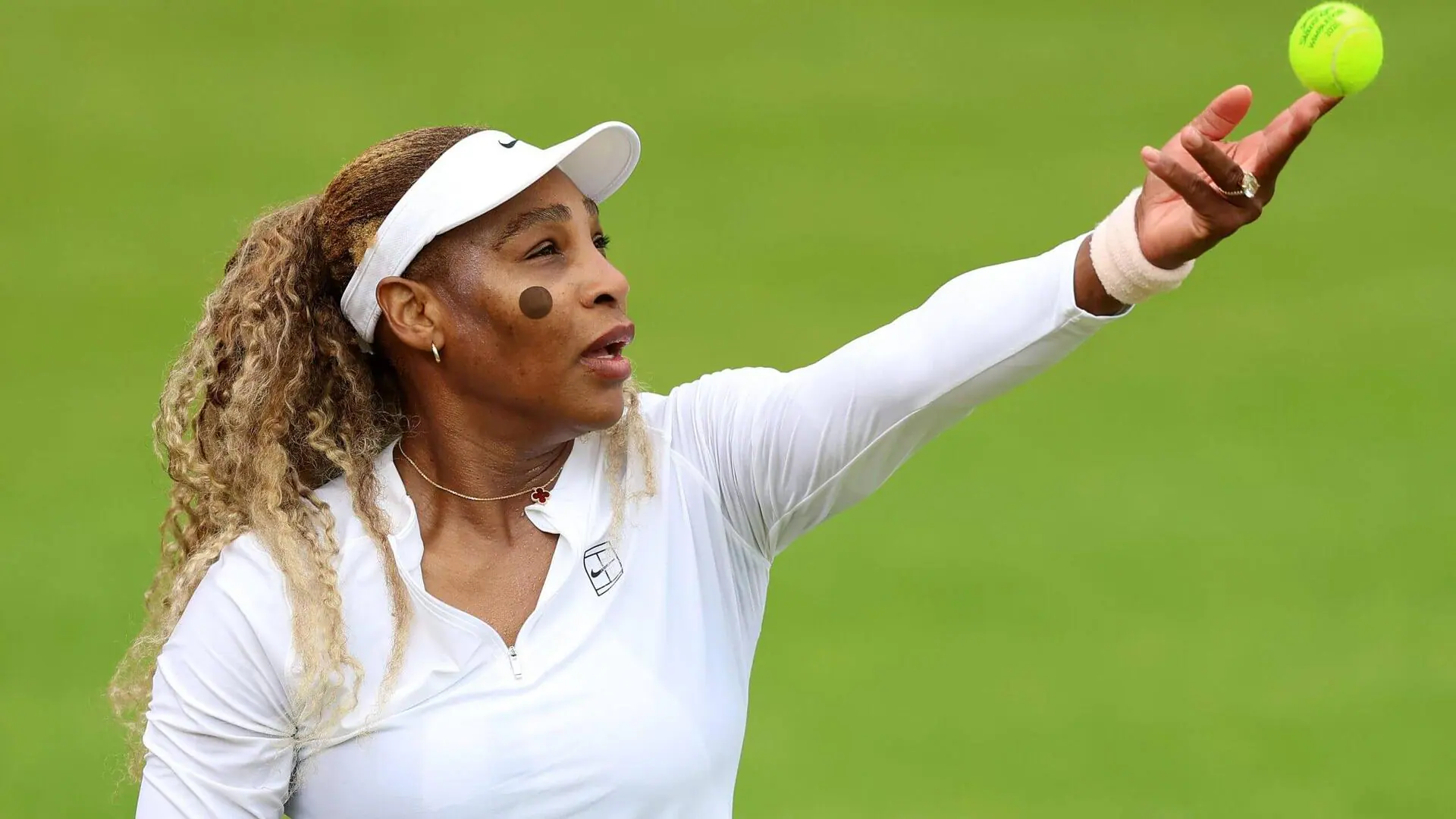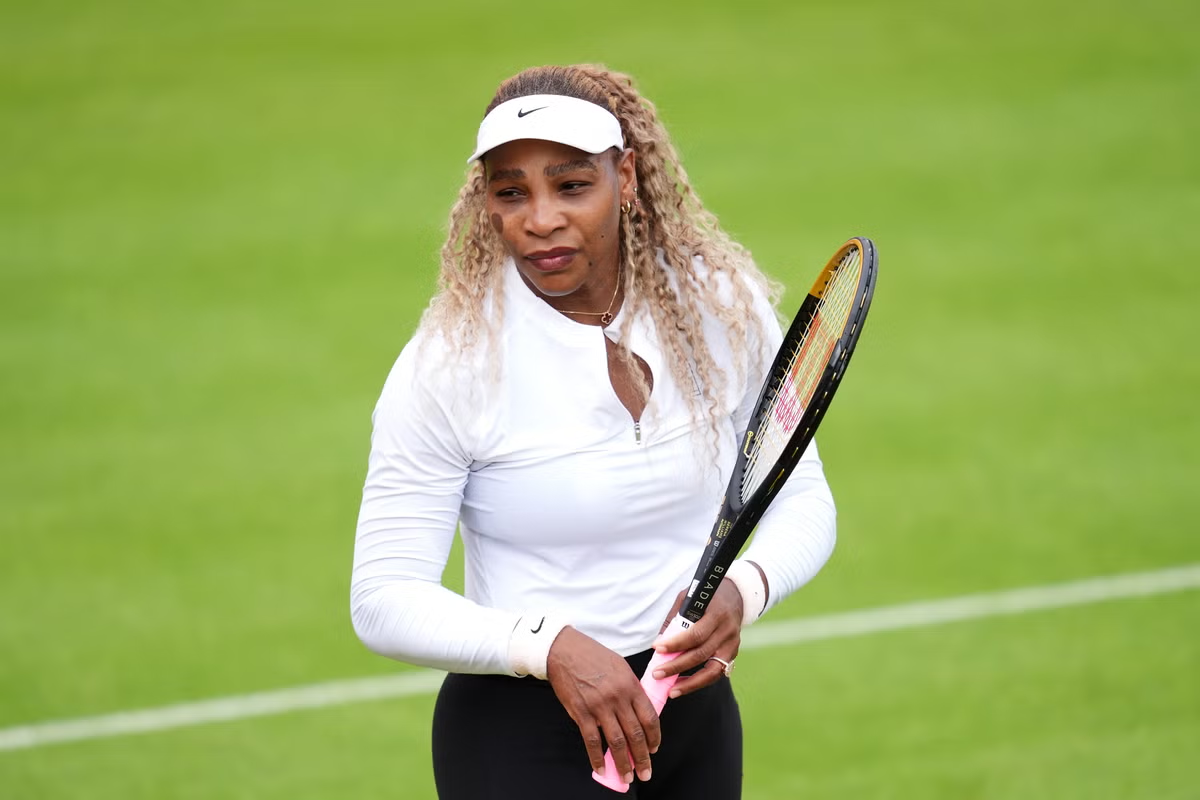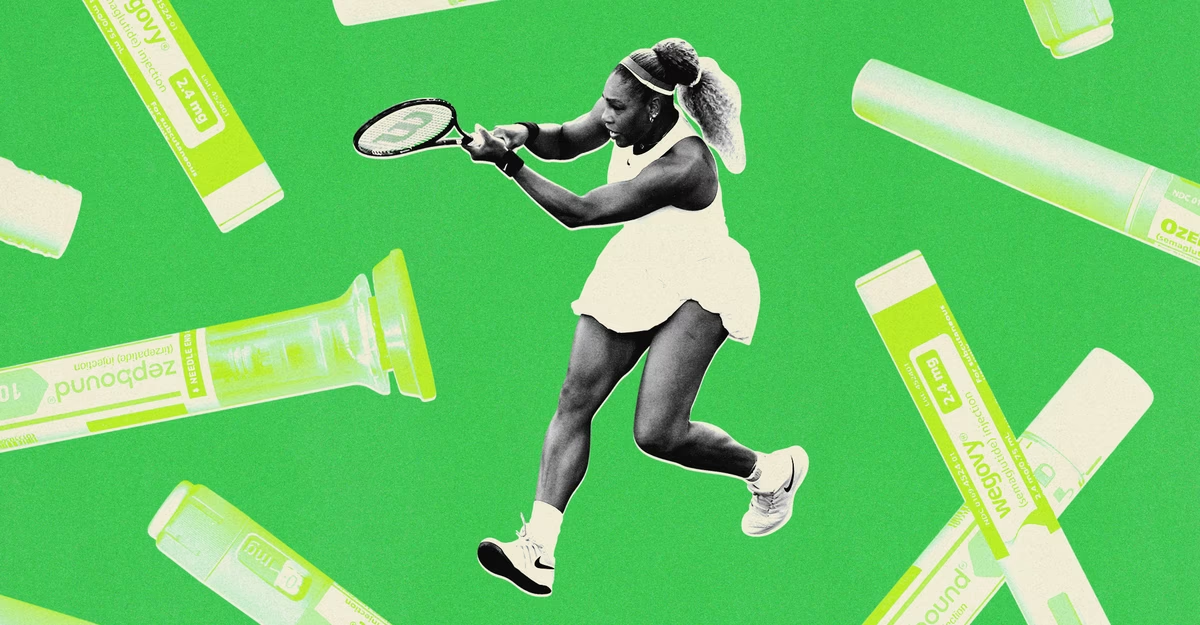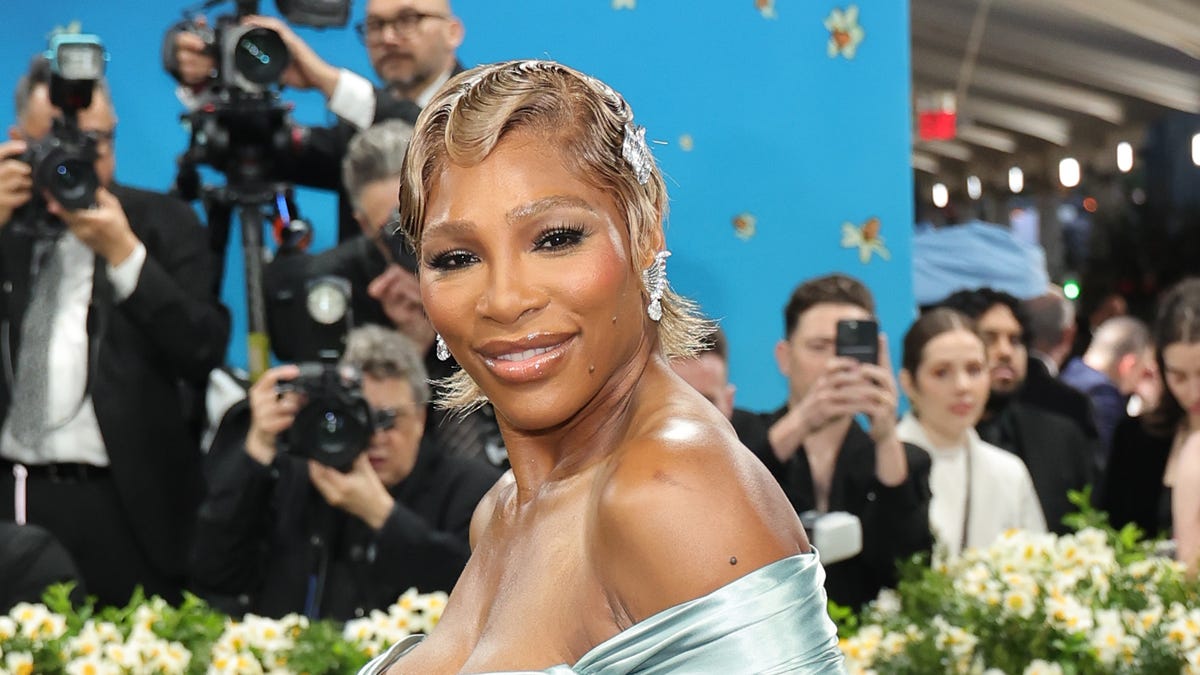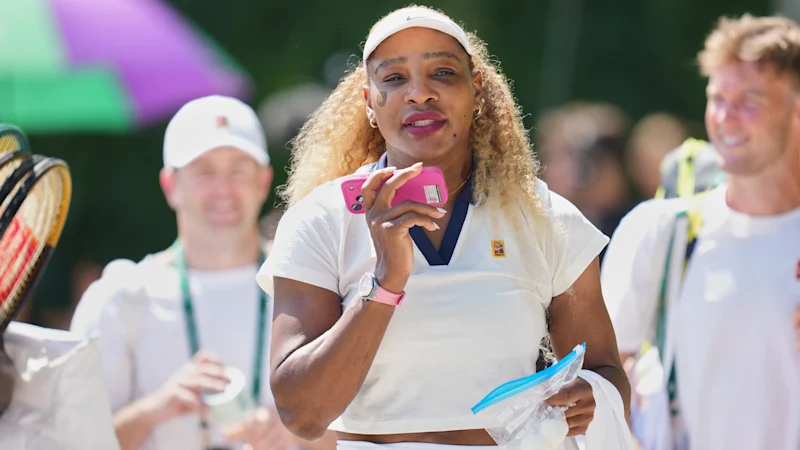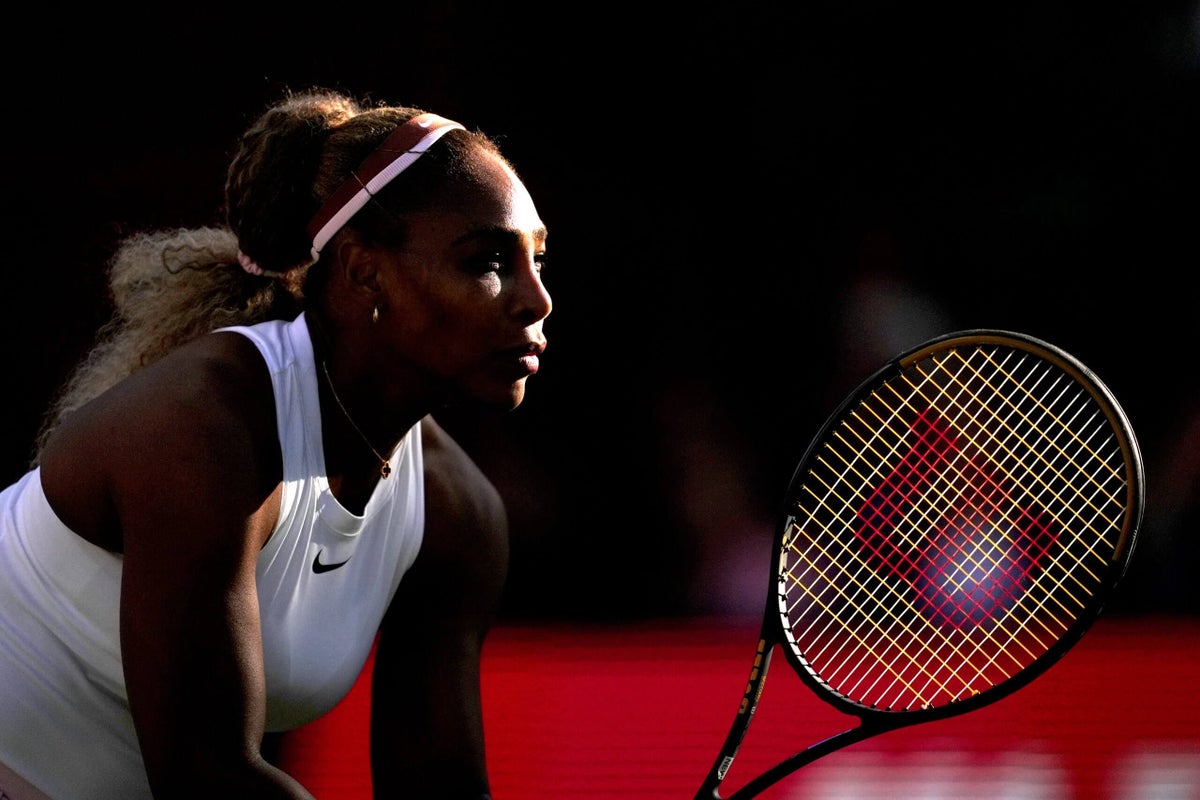
Serena Williams is back.Teaming up with rising Canadian teenager Victoria Mboko for a straight-sets win over the No. 3 seeds in women’s doubles at the Queen’s grass-court tournament in London, Williams sent a message to the tennis world that it may be in for an interesting summer.Williams’ comeback comes just under one year after she decided she had something else to tell the world.Last summer, the 23-time Grand Slam singles champion said she had been taking Zepbound, one of the new generation of drugs which are designed to treat diabetes, but can also help people lose weight: GLP-1s.Williams, 44, said that she made the decision after trying just about every other avenue. She had not wanted to take “the shortcut,” she said on Oprah Winfrey’s podcast last August, but, Williams said, getting to where she wanted to be after her two pregnancies was not working through training alone.“I couldn’t beat the weight. It was the one opponent I couldn’t beat,” Williams, who manages her treatment through Ro, a telehealth company for which she serves as a paid ambassador, said.Charles Barkley, the NBA Hall of Famer and TV analyst, is also an ambassador. Williams’ husband, Alexis Ohanian, a founder of Reddit, is a major investor in Ro.At the time, Williams had not played a professional match in nearly three years. She had snuffed out talk of a comeback, busy being Serena Williams, one of the greatest tennis players and athletes of all time, a star of business and pop culture as much as the tennis court.That all changed last week, when Williams announced that she would play doubles at one of the main tuneups for Wimbledon, which she has won seven times. No one expects her comeback to stop at Queen’s, or with doubles, though she has not directly committed to playing singles yet.Immediately, Williams reclaimed her position as the most magnetic star in the sport. She also became by far the most prominent athlete to compete at the highest level of their sport having taken GLP-1 drugs, which anti-doping authorities have been monitoring since 2024.They are not a prohibited substance, nor classed as a performance-enhancing drug. They may never be. Williams’ communication team declined an interview for this story, and to express her views on the debate about whether the drugs could be banned.Williams, who has always been a story unto herself, returns to the arena she dominated as a character in a larger debate hanging over the world of sports.Semaglutides and tirzepatides, the two main classes of GLP-1 drug, have been on the World Anti-Doping Agency (WADA) monitoring program since 2024. They work by mimicking the behavior of glucagon, a naturally occurring hormone that triggers the pancreas to release insulin, slow digestion and reduce appetite and hunger.People who take GLP-1s — Glucagon-Like Peptides — report significant reduction in “food noise,” the part of their mind that thinks about the next snack or meal. The reduction in food intake can lead to significant weight loss.There is no timetable on the WADA process for establishing whether GLP-1s are performance-enhancing, a spokesperson for the organization said. Tennis anti-doping protocol is managed by the International Tennis Integrity Agency (ITIA), but as an Olympic sport, WADA oversees its compliance with its code.“The WADA List Expert Advisory Group has discussed their status, as well as other substances of the same class,” the statement said.“Semaglutide and tirzepatide were added to the Monitoring Program to track patterns of use in sports in and out of competition. The Monitoring Program includes substances which are not on the Prohibited List, but that WADA wishes to monitor in order to detect potential patterns of misuse in sport.”
Serena Williams and the coming reckoning with GLP-1s and performance enhancement
GLP-1s are not prohibited; the way they work means they might never be. Anti-doping authorities are still monitoring how athletes use them.
1,811 words~8 min read