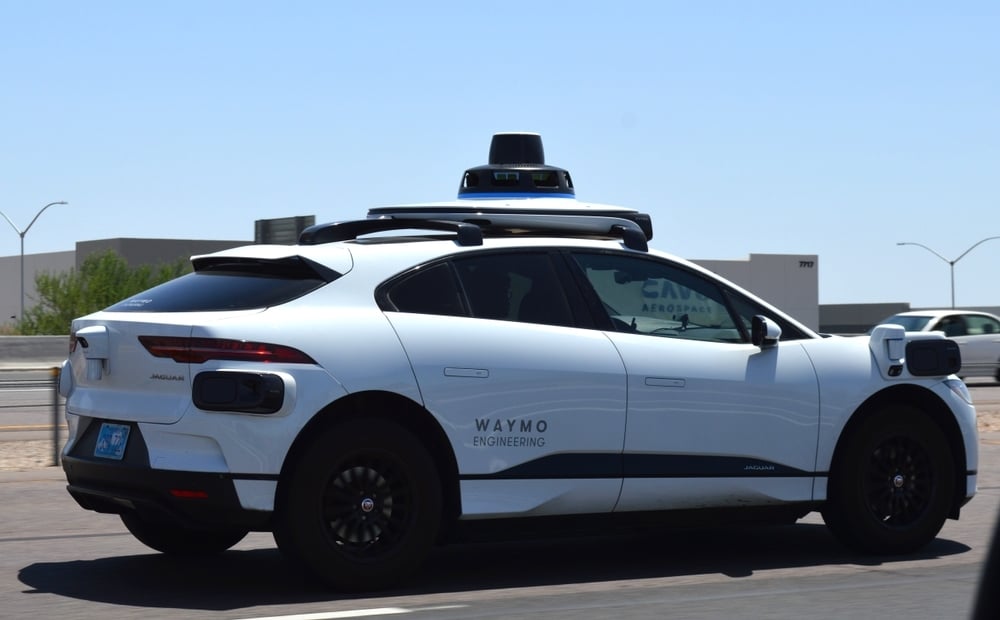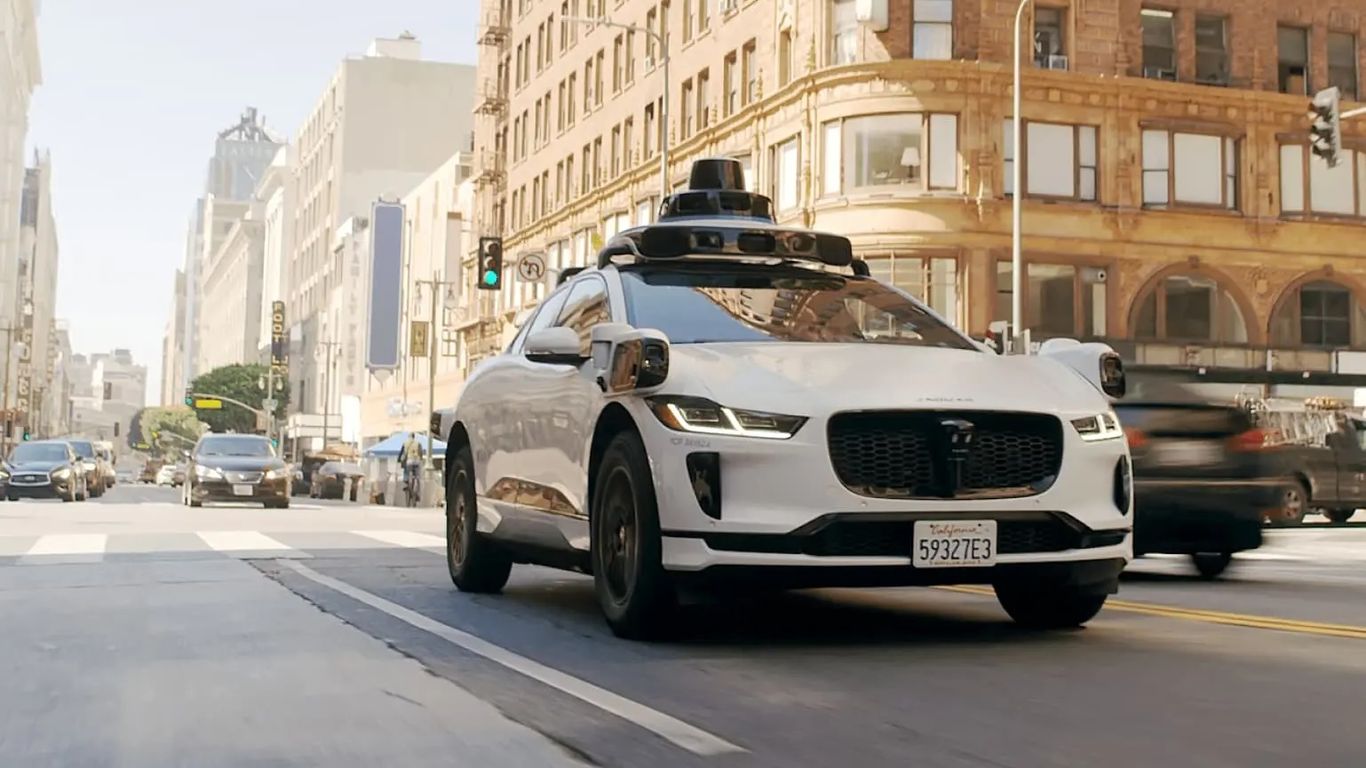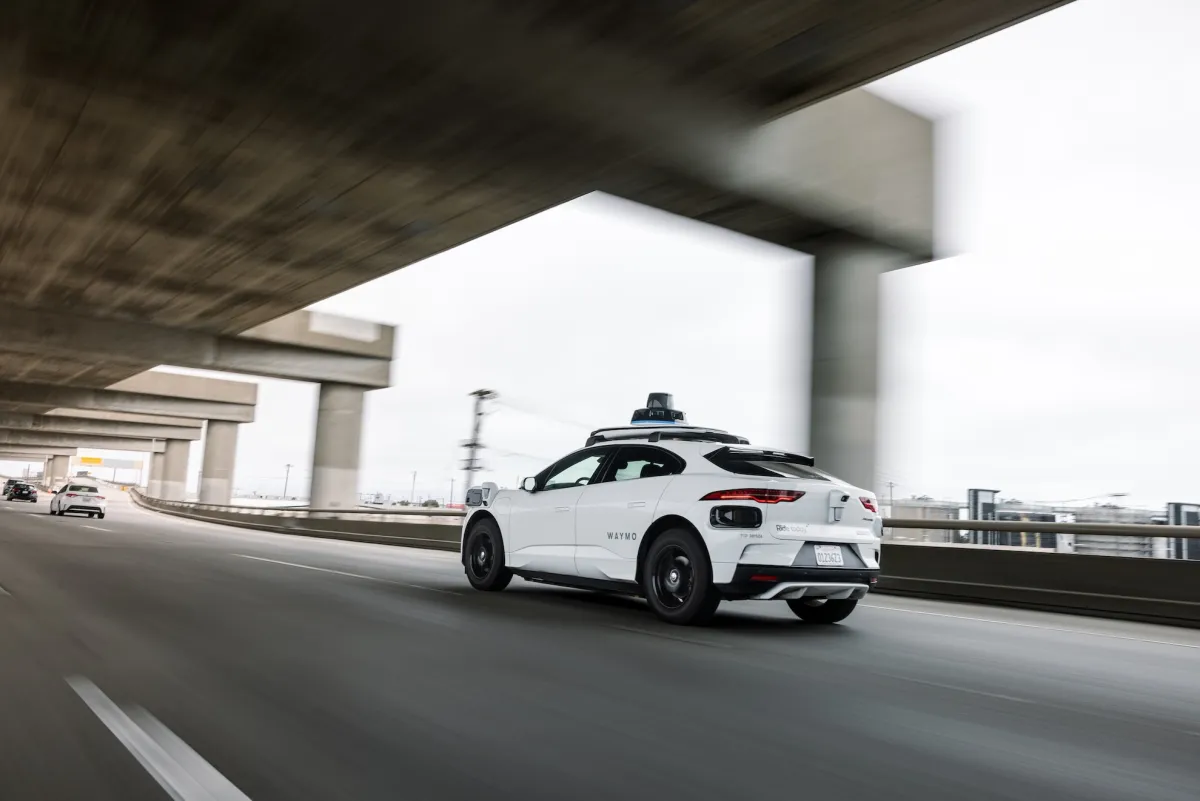
Waymo has created a new computer model designed to more accurately answer a fundamental question: how does its autonomous driving software stack up against humans?
The Alphabet-owned robotaxi company, which developed the computer model of human driving capabilities in conjunction with TU Delft, published a research paper about it in Nature Communications on Wednesday.
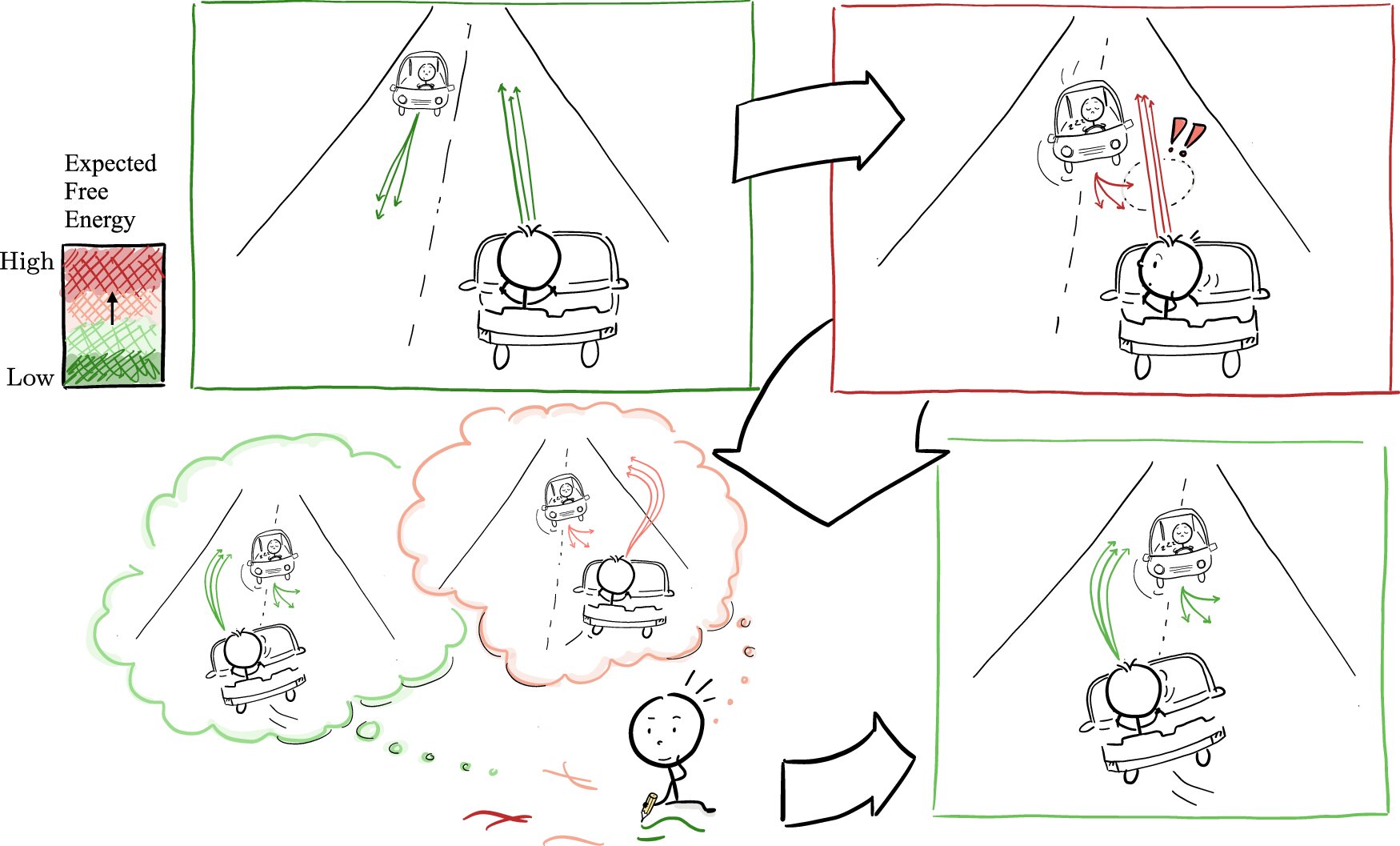
Waymo said it expects the new model to be more accurate than the previous version it has used over the past several years. The new model was built using a framework called active inference — the theory that a driver is constantly imagining possible futures and taking actions to reach the safest, most predictable one.
Waymo said the new model will help it better understand how humans behave in crash scenarios that its robotaxis encounter.
“For decades, the automotive industry has used physical and virtual crash dummies to evaluate a car’s safety features, including its hardware and structural integrity,” Waymo wrote in a blog post on Wednesday. The new model, Waymo said, “evolves this concept, serving as a behavioral benchmark for autonomous driving systems able to realistically represent reasonable expectations on how a careful and competent human driver responds to traffic conflicts.”