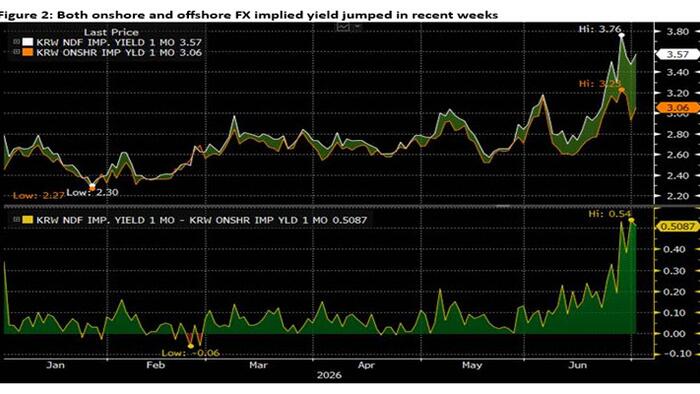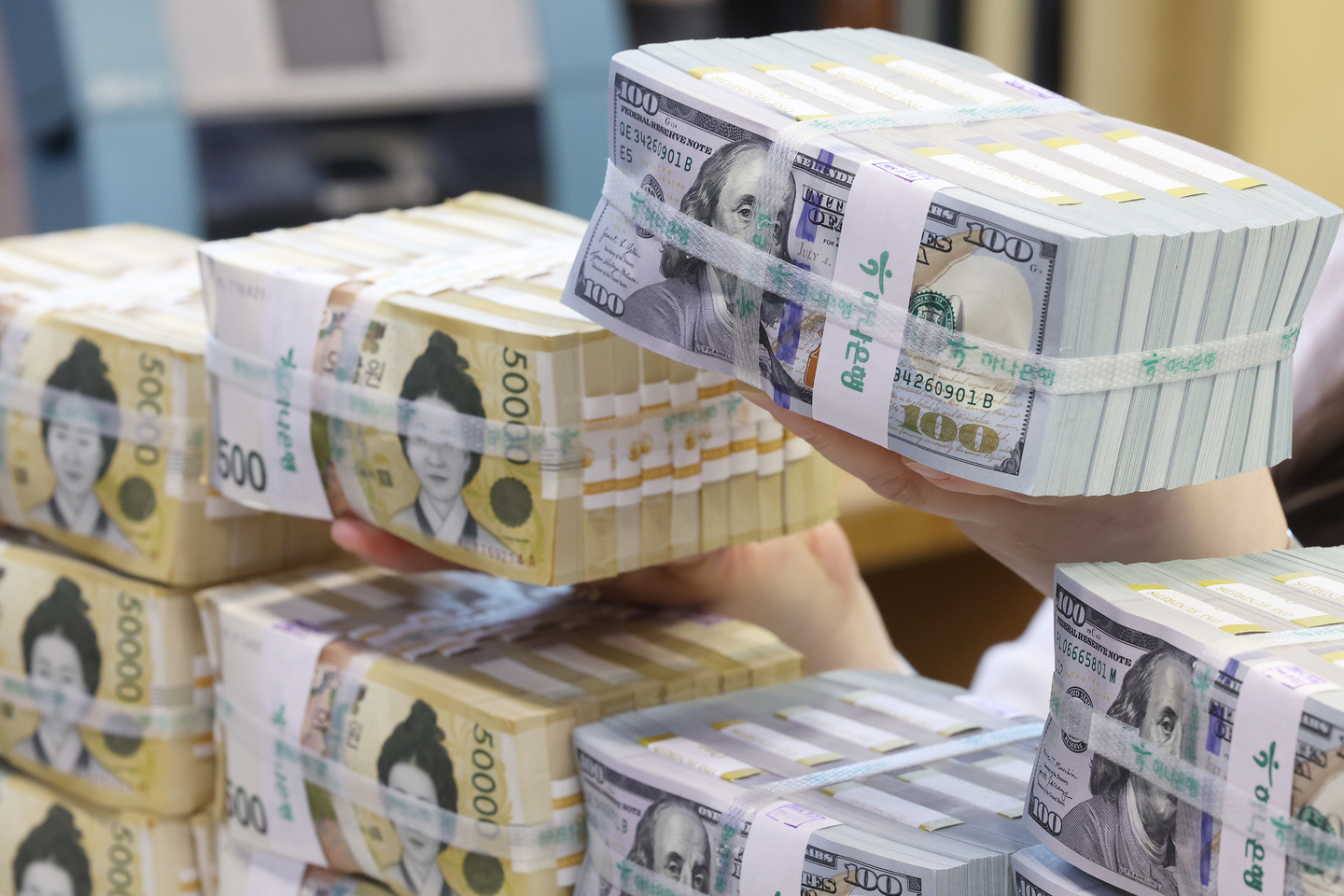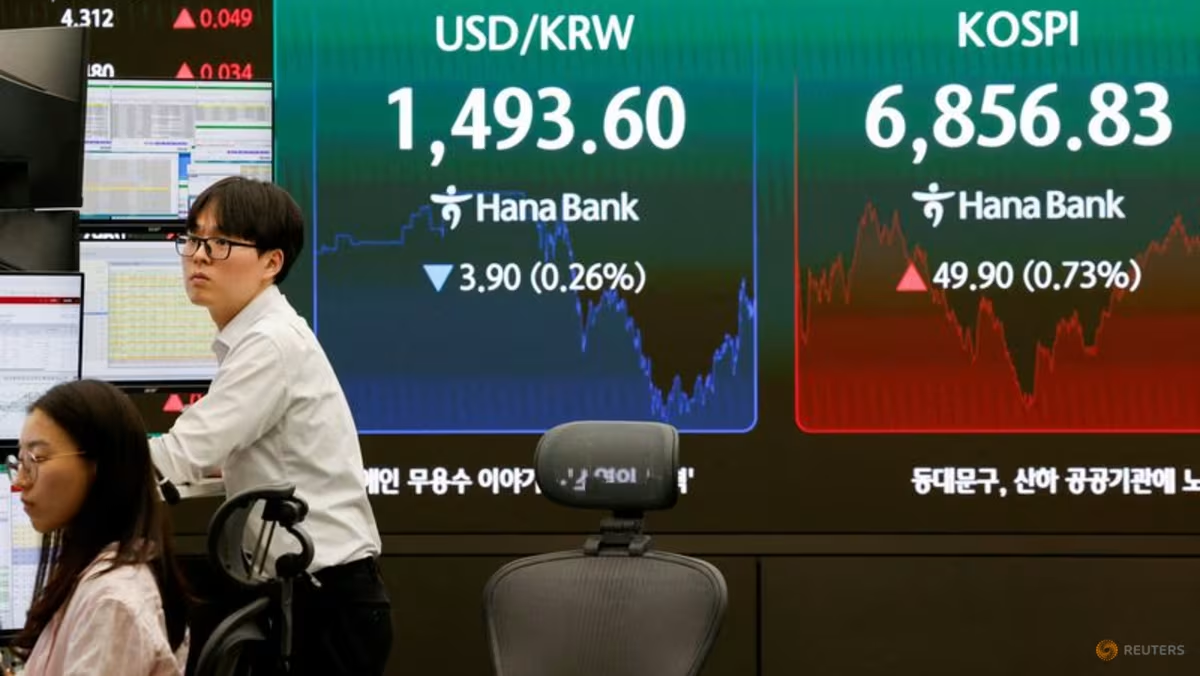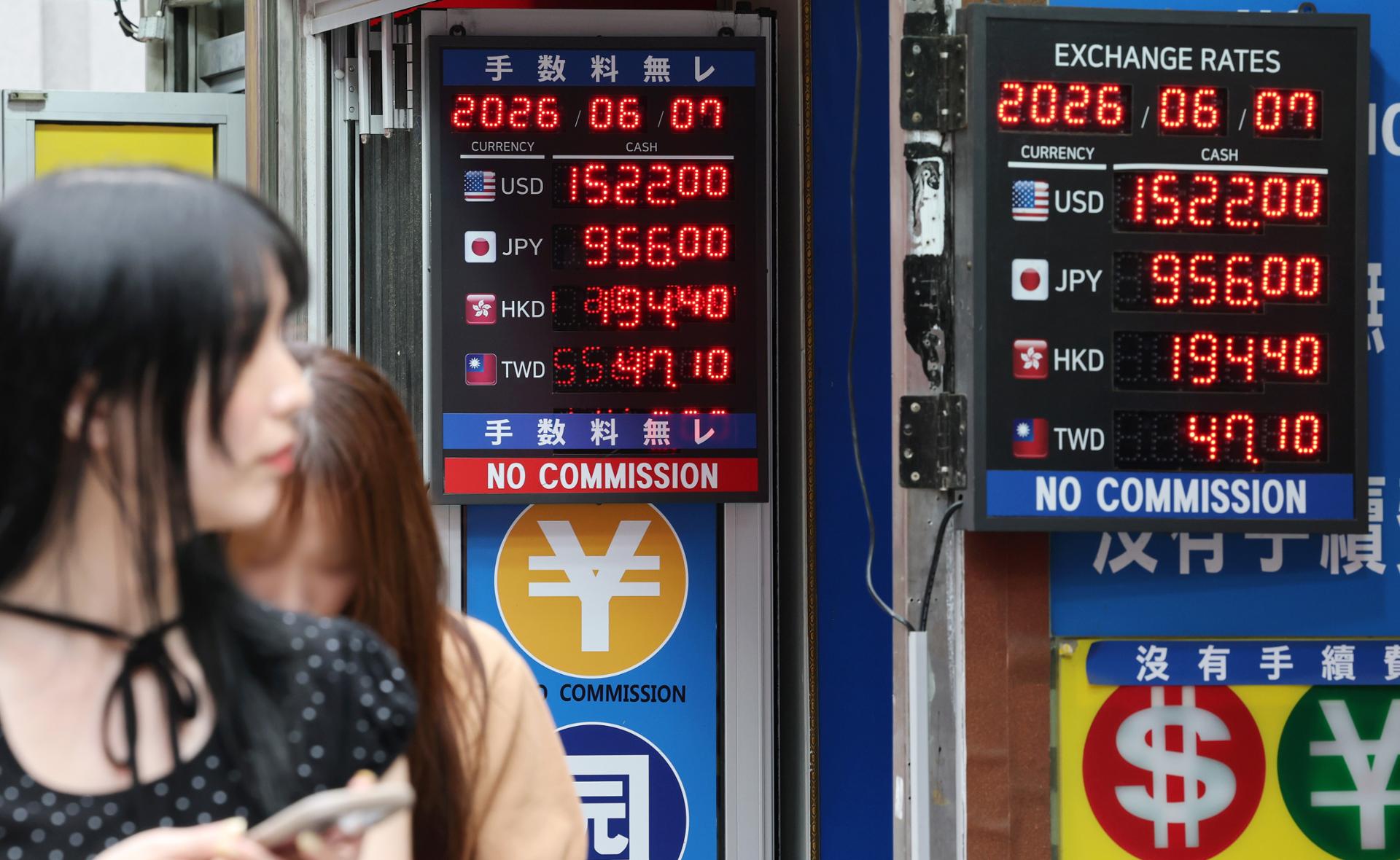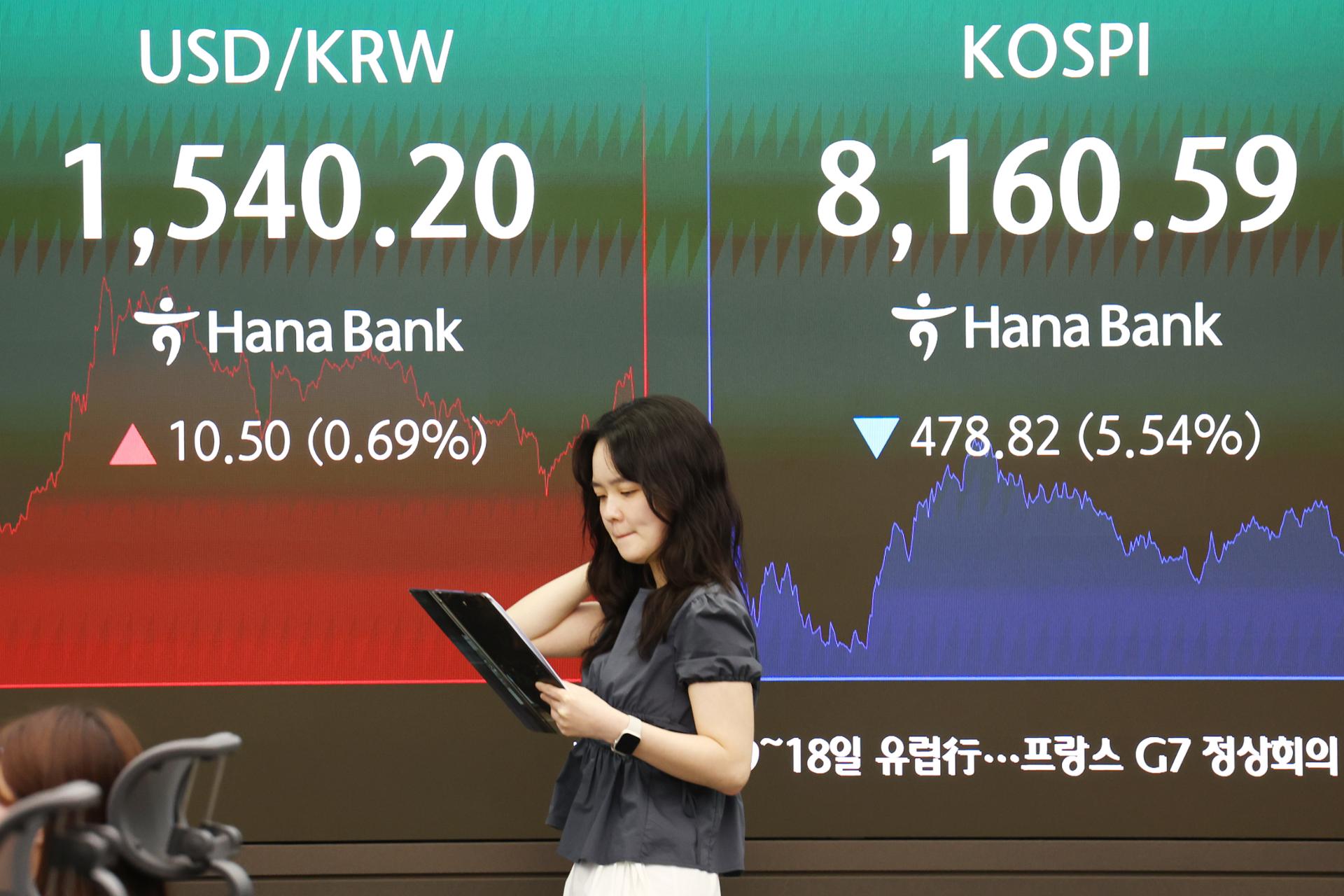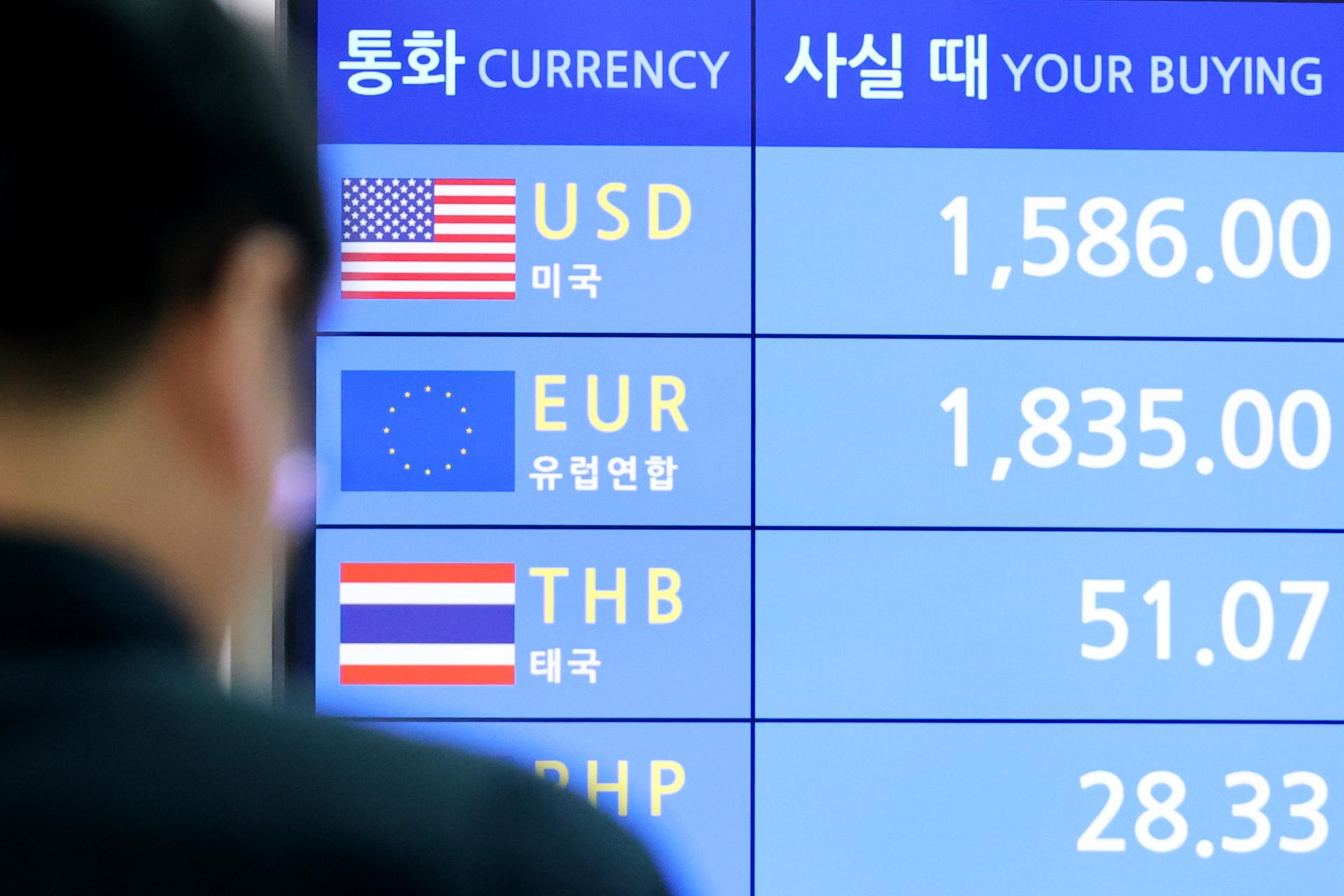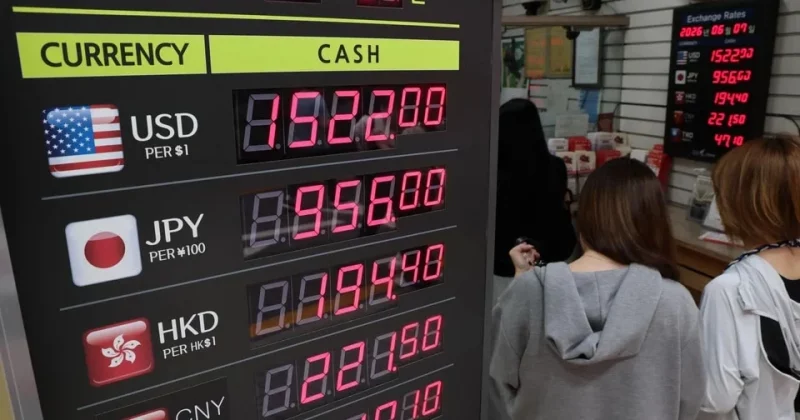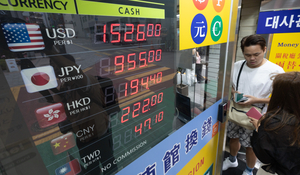
Authorities examine whether offshore derivatives trading is amplifying volatility in Korean currency Exchange rates for major currencies are displayed at a currency exchange booth in Seoul's Myeong-dong on Monday. (Yoon Chang-bin/The Korea Herald) First came Korean retail investors pouring money into US stocks. Then came overseas investors trimming their exposure to Korean equities.Now authorities are turning their attention to another potential factor behind the won's sharp depreciation: trading in the offshore derivatives market.With the Korean won sliding to lows not seen since early 2009, authorities have flagged nondeliverable forward trading as a potential source of excessive volatility and stepped up monitoring of offshore transactions.An NDF is a foreign exchange derivative traded over the counter. It allows investors to bet on or hedge a currency without physically exchanging it. Instead, gains or losses are settled in cash based on the difference between the agreed forward rate and the actual spot rate.While NDFs are widely used for emerging-market currencies subject to capital controls that limit offshore trading, the Korean won is one of the most actively traded currencies in the global market.According to a survey conducted by the Bank for International Settlements, won-dollar trading accounted for 20.4 percent of global NDF average daily turnover by currency pair on a net-net basis in 2025, second only to the Chinese yuan.With Seoul's onshore won-dollar trading running from 9 a.m. to 2 a.m. the following day, foreign investors cannot access the currency during the remaining hours. Instead, they rely heavily on the offshore NDF market to take positions on the won.The market's sheer size underscores its growing influence on exchange-rate formation.Average daily trading volume in the offshore won-dollar NDF market reached $15.55 billion in the first quarter, up 27.7 percent from the previous quarter, according to the Bank of Korea. The figure accounted for the bulk of total forward foreign exchange transactions, which averaged $18.94 billion a day.While still smaller than the average daily spot won-dollar trading volume of $33.28 billion, officials view NDF turnover is substantial enough to have a significant impact on market sentiment and price expectations."NDFs allow traders to take much larger positions with a relatively small amount of capital. While some transactions are intended to hedge equity investments, it is difficult to assume that all trading is driven by such needs," a foreign exchange market official said, hinting that a portion of the trading may be speculative.Authorities explicitly referred to the NDF market in a verbal intervention issued Monday."Recent volatility in the forex market appears to have been amplified not only by supply and demand factors but also by speculative forex transactions, including those in the NDF market," senior officials from the BOK and the Finance Ministry said in a joint statement.With onshore won-dollar trading set to be extended to 24-hour weekday operations starting July 6, authorities appear to expect the offshore NDF market to account for a smaller share of won-dollar trading. They are also understood to be discussing possible measures to improve the NDF trading framework.
Won slide puts spotlight on offshore NDF trading
First came Korean retail investors pouring money into US stocks. Then came overseas investors trimming their exposure to Korean equities. Now authorities are tu
498 words~2 min read