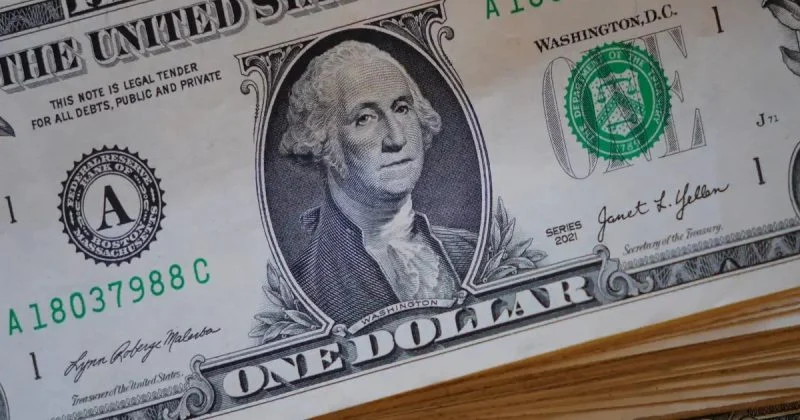
The US dollar found its footing near a dollar index score of 100 on June 10, 2026, showing remarkable composure for a currency whose government just launched military strikes against Iran. Investors, meanwhile, shifted into a familiar posture: one eye on the Middle East, the other on an inflation report that could matter even more.
The strikes came in response to Iran’s downing of a US Apache helicopter over the Strait of Hormuz, one of the most strategically vital chokepoints for global oil transit. Oil prices climbed on the news, and Bitcoin dropped roughly 2% to below $62,000, following the well-worn playbook where digital assets sell off when geopolitical risk spikes and traders reach for the exits.
What happened in the markets
The greenback’s stability also reflects something else entirely. Traders are positioning for US inflation data that could arrive with some uncomfortable numbers baked in. Higher energy prices from Middle East tensions feed directly into consumer price readings, and those readings feed directly into what the Federal Reserve does next with interest rates.
Bitcoin’s reaction was more immediate and less nuanced. A 2% decline to below $62,000 put the largest cryptocurrency squarely in the “risk-off” category for the day. This pattern has repeated itself throughout 2025 and into 2026, with digital assets experiencing sharp but often short-lived selloffs during geopolitical flare-ups involving the US and Iran.