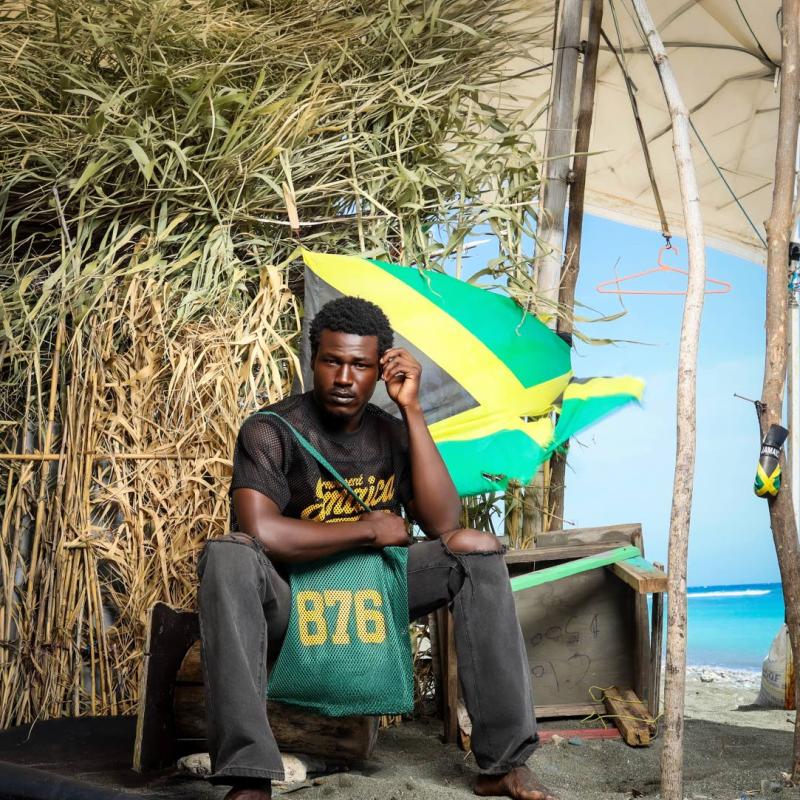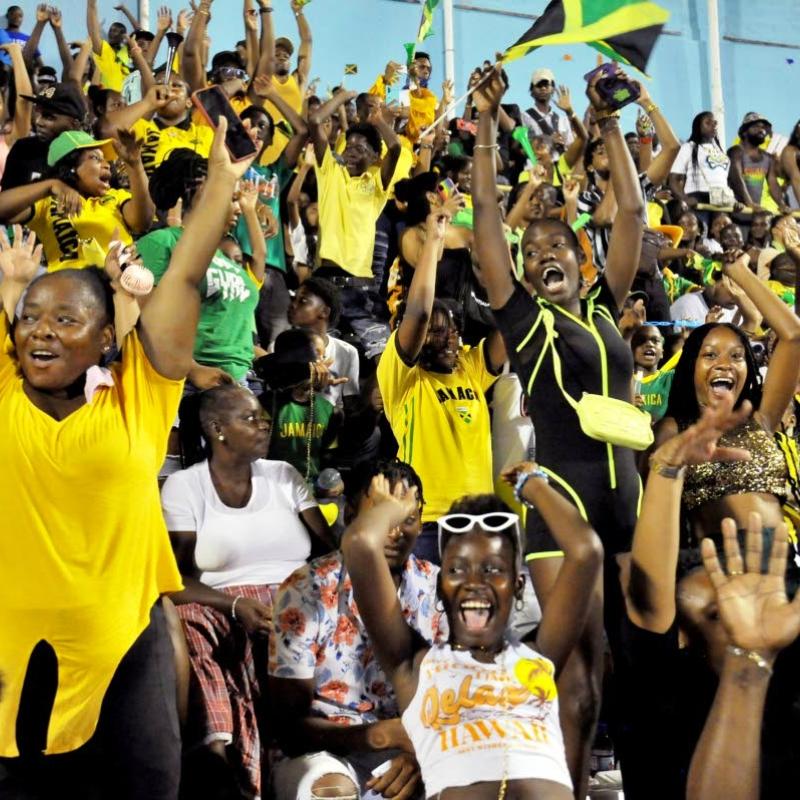
Brand Jamaica became a global phenomenon. The business model never fully caught up.Few countries of Jamaica's size have shaped global culture as profoundly or as quickly, while still struggling to fully commercialise it. Our music travels faster than some currencies. A dance created in Kingston can become a TikTok trend in Brazil or Ghana by nightfall. Jamaican phrases appear in global pop culture. Jerk is now a globally recognised flavour category. Dancehall aesthetics influence fashion, from London to Paris to New York. Yet many of the original creators remain disconnected from the larger commercial structures built around their work, and many remain financially underwhelmed.Brand Jamaica commands global attention, but for all our cultural dominance, the question remains: Have we truly done right by our creators, our cultural entrepreneurs, our citizens, our icons, and by the brand itself? Because, while Jamaica exports cultural influence at an extraordinary rate, we often fail to retain ownership, scale, or long-term commercial control over the value created from it.Or, to put it diplomatically, everybody seems to be monetising Jamaica except Jamaica.Jamaica is exporting an entire identity ecosystem — music, athletics, food, movement, and aspiration. The problem is not whether the world values Jamaican culture. Clearly, it does. The problem is that global admiration and economic ownership are not the same thing.We often celebrate talent after it succeeds internationally but invest far less in the systems that help success to happen. Many creatives still lack access to legal support, scalable management systems, or commercialisation pathways capable of taking brands global.Some would argue that this is fundamentally a policy failure. There is some truth in that argument. Jamaica continues to face fragmented support systems, uneven intellectual property protection, inconsistent export structures, limited infrastructure and financing to help creators scale globally. Too often, culture is treated as entertainment rather than serious economic infrastructure. If tourism is treated as an economic sector, why is culture still often treated like a side attraction, instead of a core export industry?The global creator economy exceeds US$250 billion. South Korea's K-pop industry did not become a global force by accident; it emerged from deliberate investment, export alignment, training systems, and long-term strategic positioning.I would dare say Jamaican culture became globally influential precisely because it was organic, raw, rebellious, entrepreneurial, and decentralised. Dancehall probably could not have emerged from a committee meeting.The State's role is to strengthen the infrastructure around culture, not choreograph it. Many of Jamaica's greatest cultural successes were driven by entrepreneurs, artistes, and producers, long before the world paid attention.In many ways, the market scaled Jamaican culture faster than the State ever could.But there is a question we rarely ask: What is Brand Jamaica actually worth?In business, brands are serious assets. Apple's brand alone was valued at over US$574 billion in 2025. Not the phones. Not the stores. Just the brand itself. Why? Because strong brands generate loyalty, premium pricing, and long-term revenue.Economists generally value brands using cost-based, market-based, and income-based models, including the Royalty Relief Method, which estimates what others would pay to license a brand. That idea becomes particularly relevant when considering Jamaica. Around the world, our symbols, colours, language, music, and cultural identity are routinely used to sell products, experiences, and lifestyles. Yet the country often captures little of the commercial value created.The issue became highly visible in 2019, when Kanye West's Sunday Service merchandise in Jamaica featured national symbols and imagery. Shirts reportedly sold for as much as US$200 and caps for US$60, before concerns were raised regarding the use of Jamaican emblems. The issue was never really Kanye West. It exposed a bigger question: What systems exist to protect, license, and monetise Jamaican cultural assets?And that reality matters, because we are no longer living in a world where small countries can rely on geography for protection or scale.Culture now moves at algorithmic speed. Virality creates visibility, but visibility alone does not create ownership, and ownership alone does not guarantee wealth. In the platform economy, attention without infrastructure often becomes extraction. Even Jamaican slang now generates engagement; merchandising; and monetisable, digital traffic internationally, often without any ownership structure benefiting the original cultural source.A domestic market of under three million people cannot sustain global ambition alone. Scale now comes through intellectual property, licensing, digital distribution, partnerships, and diaspora networks. Yet foreign labels, overseas festivals, international restaurants, and fashion brands often derive value from Jamaican culture, while many creators remain undercapitalised.Ownership of Brand Jamaica remains fragmented. Various public agencies play a role in promoting the country's image, but no single institution appears to have clear responsibility for managing it as a commercial asset. In late 2024, the Government announced work on a Nation Brand Strategy. That is a welcome step. The challenge is ensuring it evolves beyond marketing into measurable economic value.Jamaica arguably produces cultural influence at levels disproportionate to its size. The issue is whether we are building systems capable of retaining more of the value generated from that influence.Jamaica does not suffer from a lack of talent. We suffer from fragmented and inconsistent systems around talent. From this viewpoint, the State must focus on stronger IP protection, export financing, creator education, licensing frameworks, and access to capital. The market must focus on building brands, partnerships, diaspora distribution, and global thinking from inception.Being famous is not the same thing as being structurally positioned or financially formidable.The next phase of Brand Jamaica must be built intentionally, protected legally, scaled commercially, and owned strategically.Jamaica is already a brand. A powerful, premium, globally desired brand. The only thing missing? The invoice.We've inspired the world. That's not in question. But inspiration without infrastructure is exploitation in disguise. Jamaica deserves more than being a global muse. We deserve our place in the boardroom, the copyright office, and the global e-commerce cart.Because cultural influence is powerful. But ownership is what changes economies. Culture is Jamaica's inheritance. Commerce must be its future.— Dr Charlene Ashley, JP, is an international business strategist, organisational behaviour consultant and marketing strategist. Email: cashley@theconsultancyinc.com.
Charlene Ashley | THE BUSINESS OF BRAND JAMAICA: Where culture meets commerce - and misses The Mark
Brand Jamaica became a global phenomenon. The business model never fully caught up.
994 words~5 min read