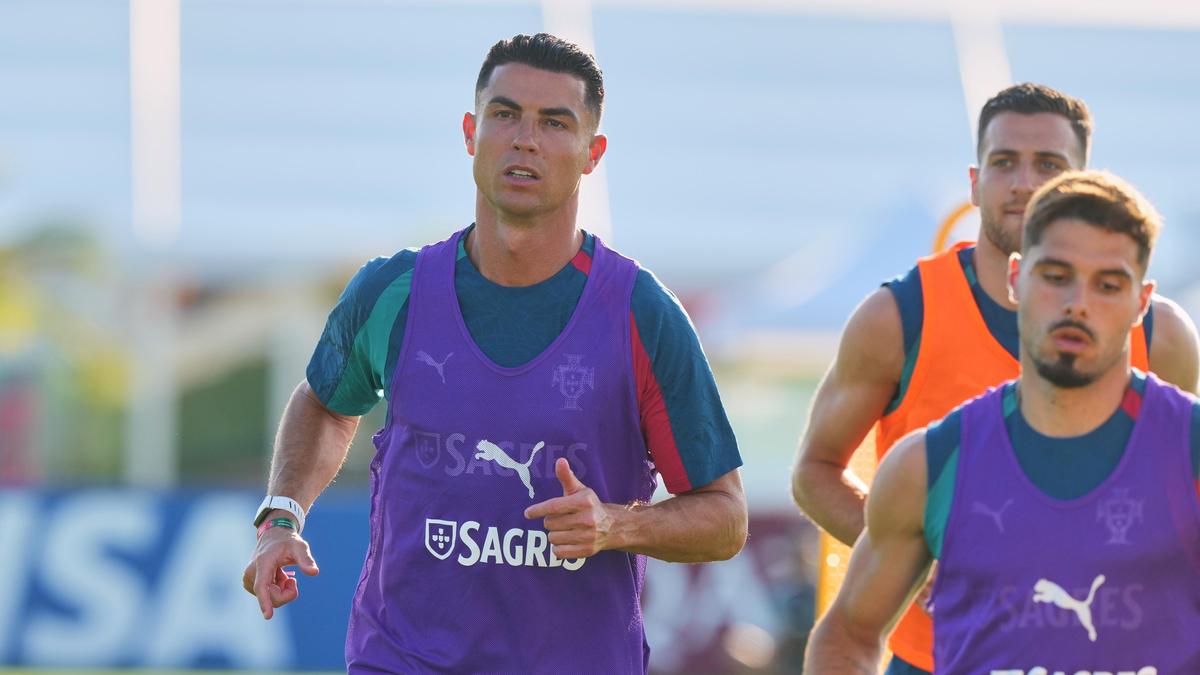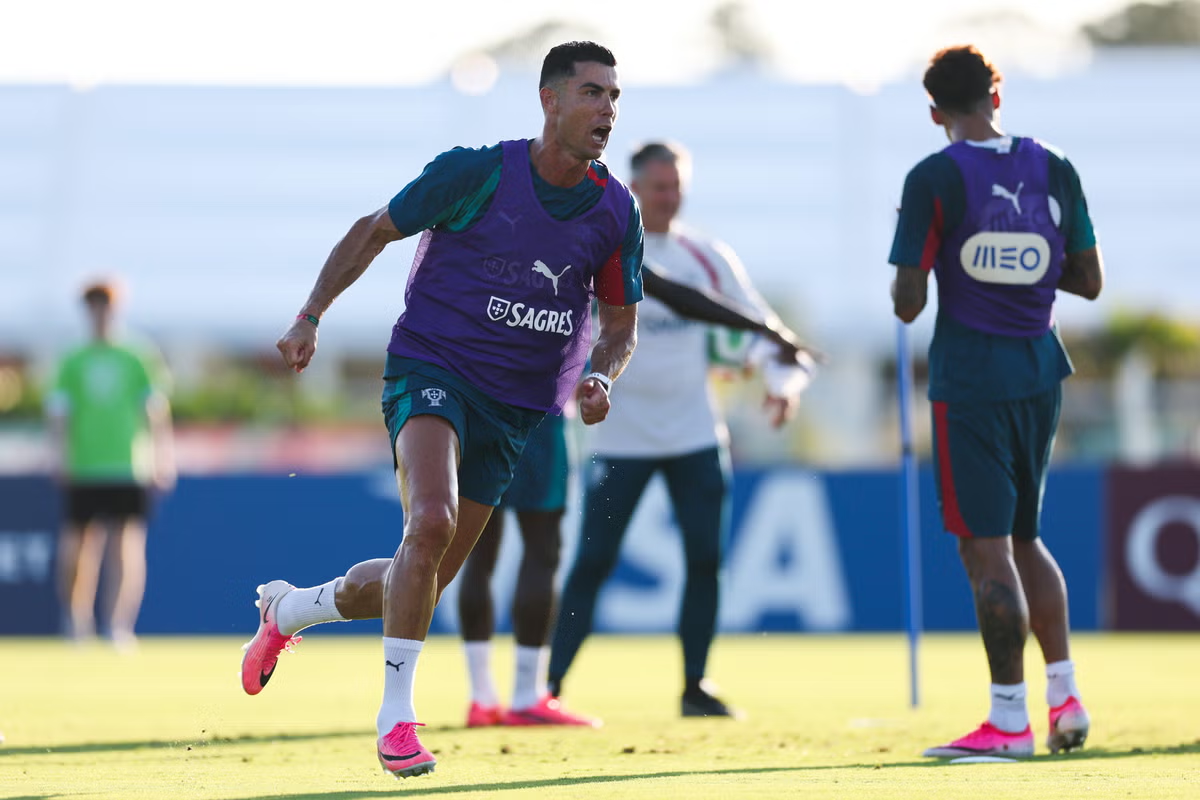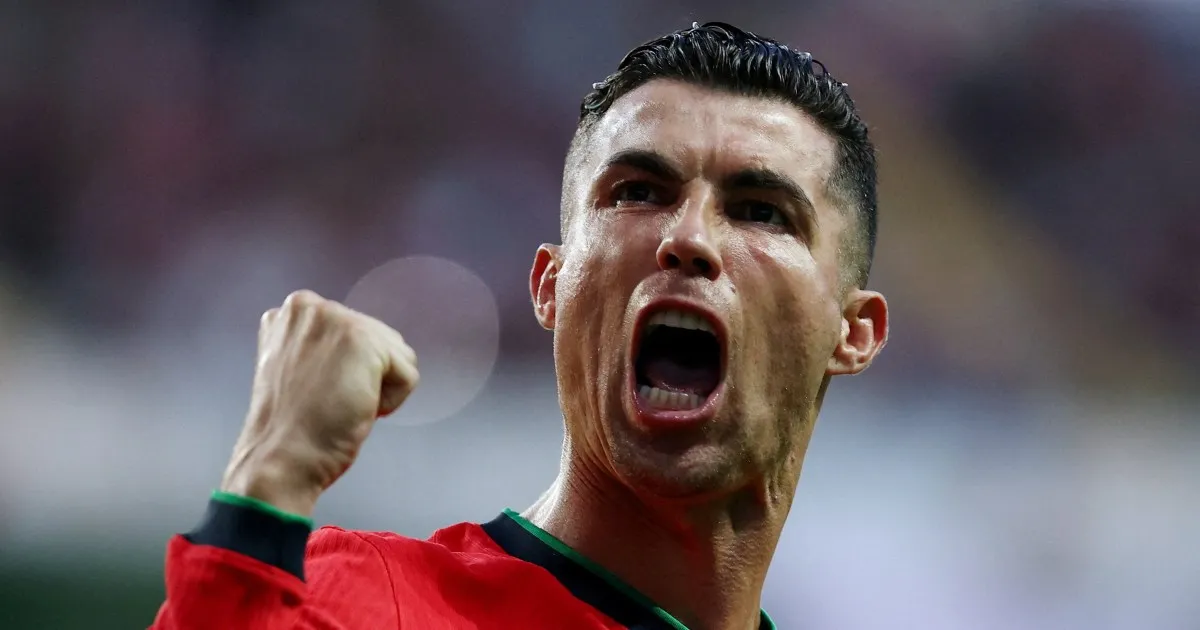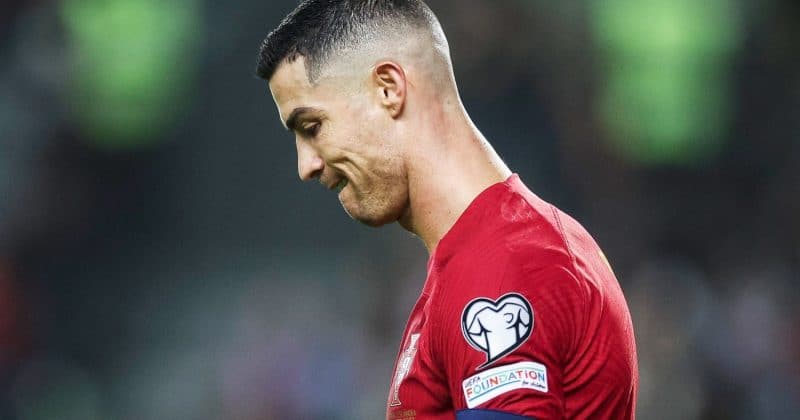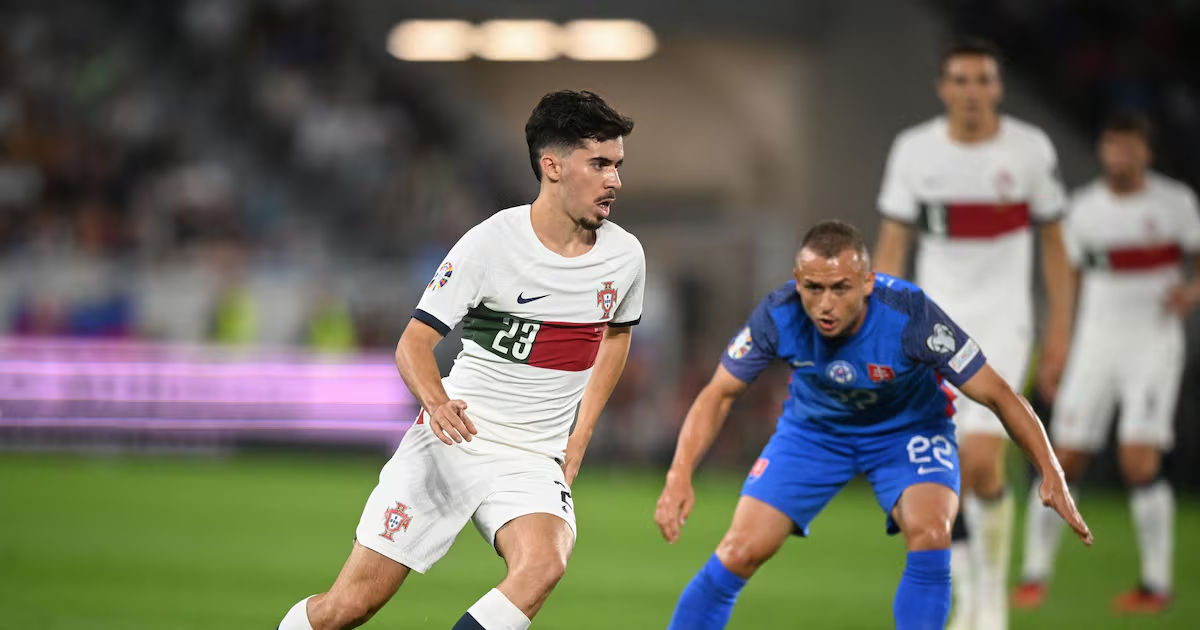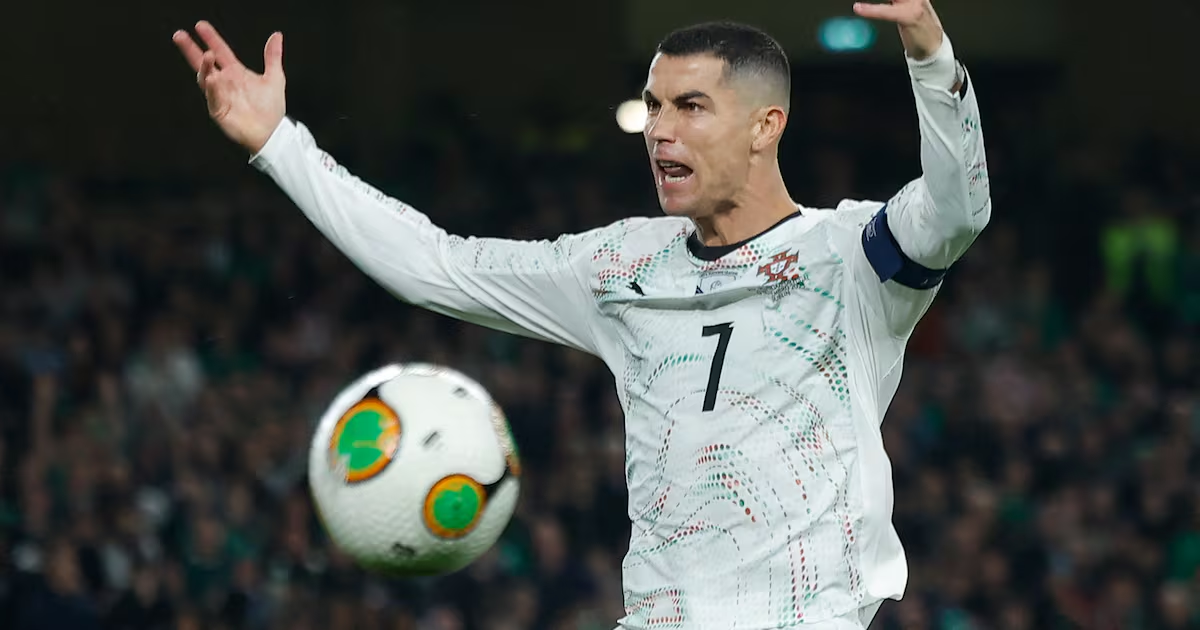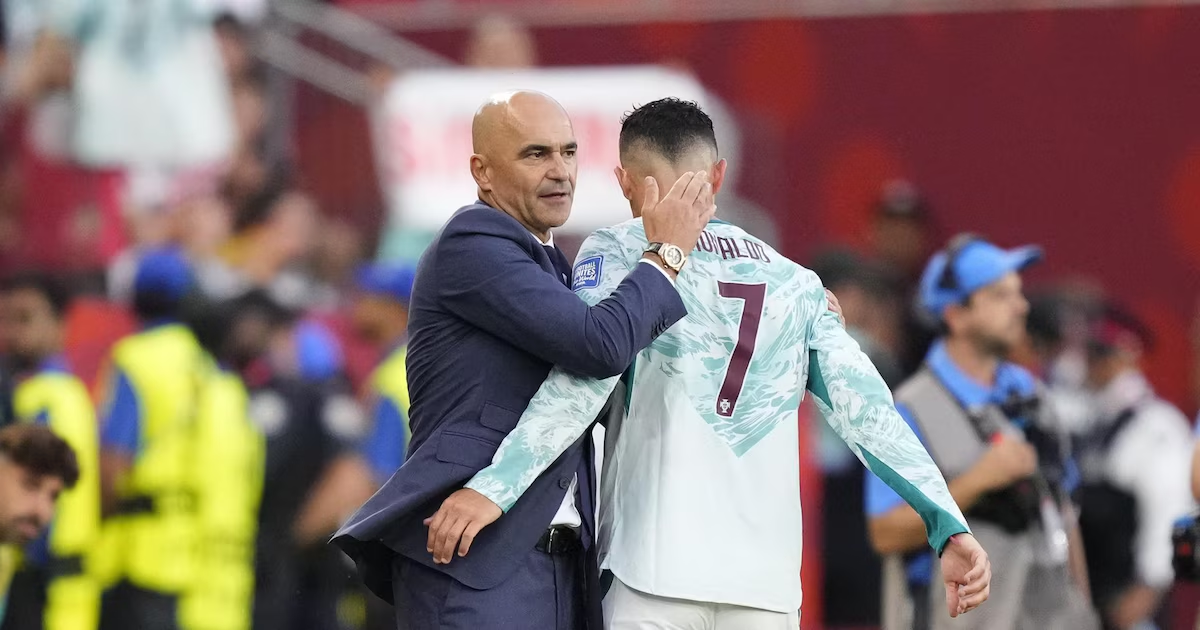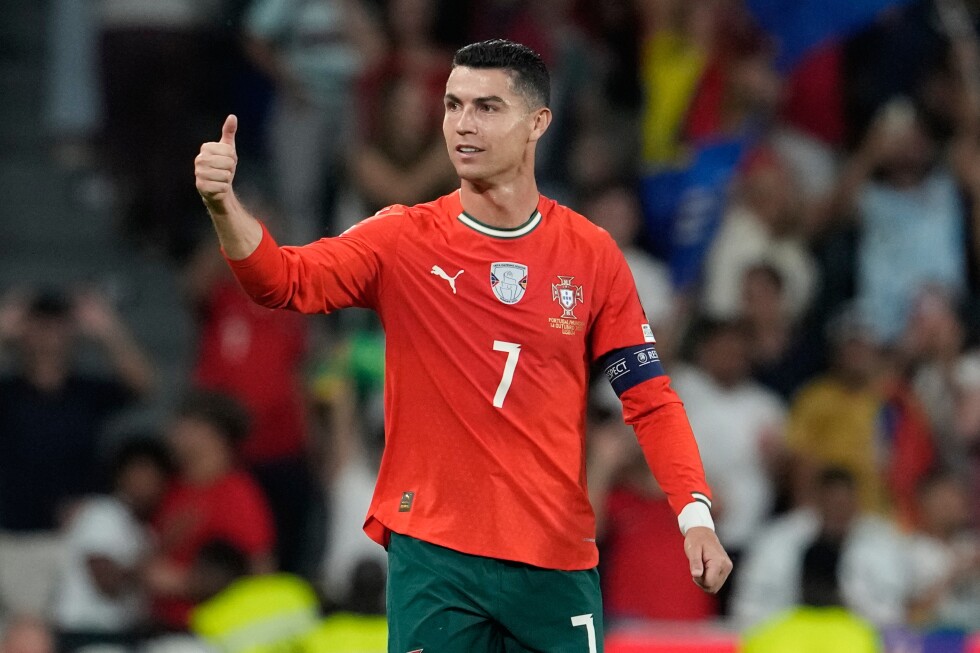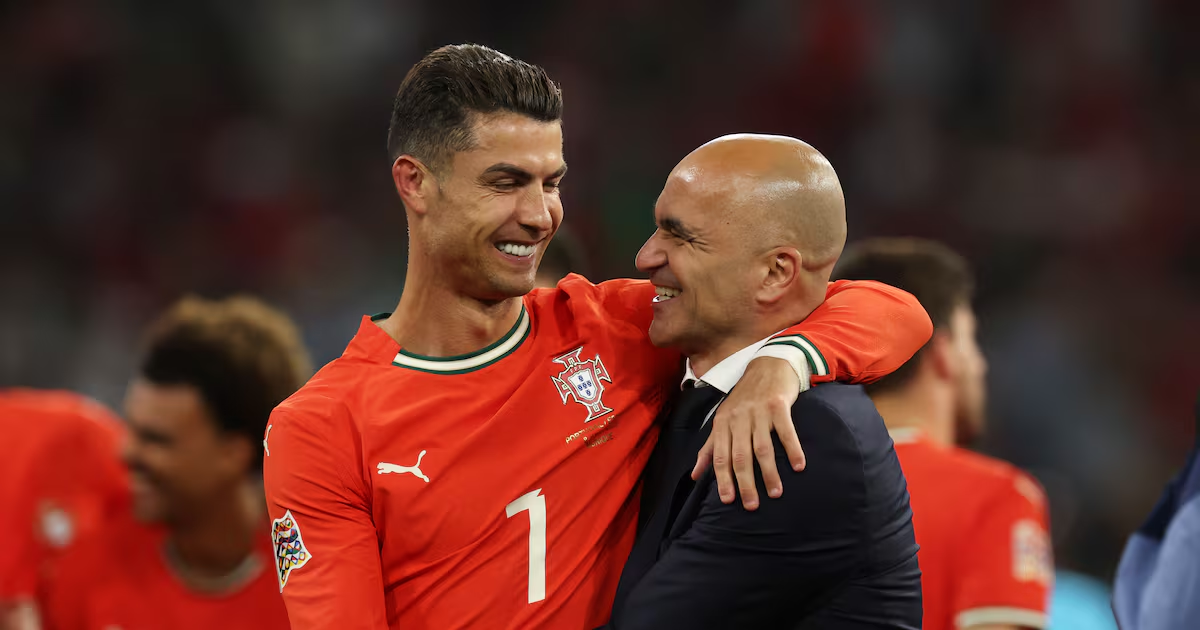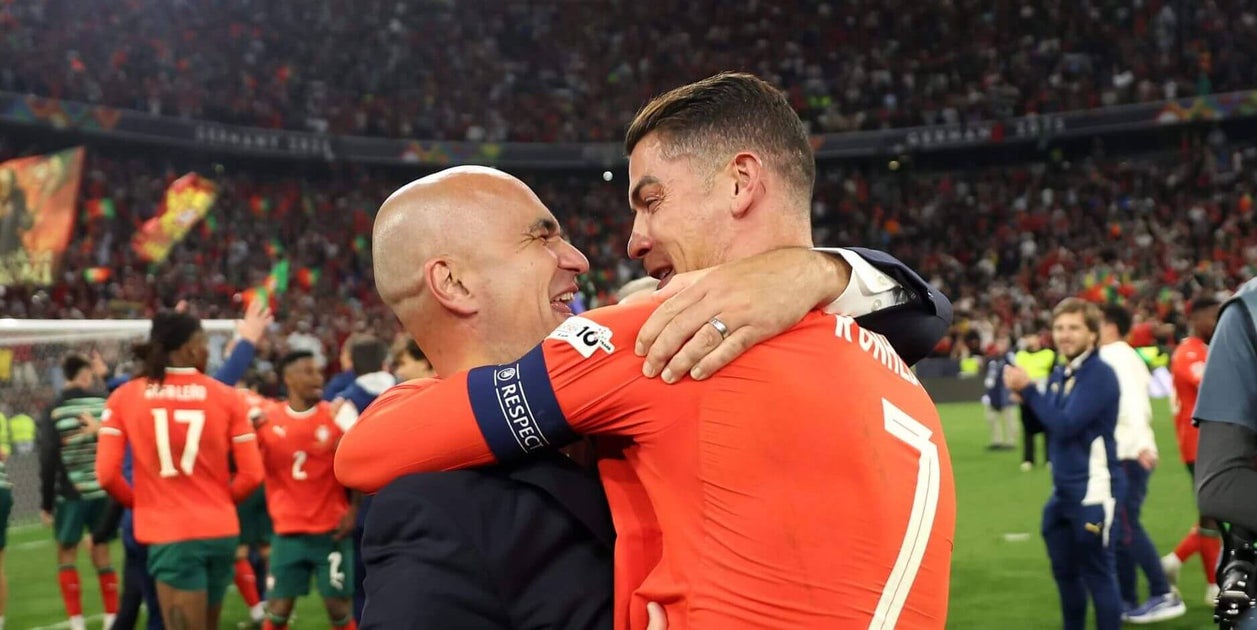
An exhibition is on at the headquarters of the Portuguese Football Federation. Grainy black-and-white film runs on a loop behind a backlit display case. It holds a crimson Eusebio jersey, his signature etched beneath the old hand-stitched national team crest. The footage is of Portugal at the 1966 World Cup. “They were called Os Magricos,” Roberto Martinez says. Heroes from a 16th-century poem. Knights summoned to England for vengeance. “I remember when I was at Goodison Park as a manager, there were iconic pictures of the game in which Eusebio scored four goals (against North Korea),” Martinez recalls. “He became a respected figure in the British game without being British, which is quite rare.”Sixty years later, the team of ’66 still holds a vaunted place in the country’s imagination, as their run to the semi-finals remains Portugal’s best finish at a World Cup. “You want to draw back on these memories and see their values as something we need,” Martinez says.Since becoming national team coach three and a half years ago, the Catalan has immersed himself in Portuguese history and football culture. He moved his family here, even though the rhythms of international football would have allowed him to carry on living in the north west of England. He has kept up his Portuguese lessons, despite showing an early command of the language.It is the reverse experience of a Portuguese player. Twenty-one members of his 26-man squad play abroad. Almost all of them speak in tongues additional to their native ones. “It comes historically from the navigators,” Martinez says. Maritime explorers like Ferdinand Magellan and Vasco da Gama. “They went around the world and discovered the world. The Portuguese people are prepared to go abroad. Very rarely a young Portuguese player doesn’t speak Spanish and English. The mentality is open-minded.”After Os Magricos, Portugal didn’t play at another World Cup for 20 years. They then failed to qualify in 1990, 1994 and 1998. Three in a row, like Italy today. But this is a nation of just 10.7million. Haiti, another World Cup participant, has a comparable population. Super cities such as Sao Paulo in Brazil are bigger. Looking at the trophies arranged in the foyer of the Portuguese Football Federation, particularly the 2016 European Championship, pairs of red and green ribbons still strewn from its arms, it beggars belief.“Remember Portugal has been to seven consecutive World Cups, now nine in total, since Cristiano Ronaldo arrived in the national team,” Martinez says. “He’s given incredible continuity in qualifying for the big tournaments.”Ronaldo with the Euro 2016 trophy after Portugal’s 1-0 win against France (Matthias Hangst/Getty Images)We will, in good time, come to Ronaldo and his impact on the Portuguese game. For now, another thing catches my eye. On a pedestal at the foot of an impressive cantilevered helical staircase stands the ornate Taca de Portugal. In May, it was won by second-division Torreense for the first time in their 109-year history. By upsetting Sporting in the final, their coach, Luis Tralhao, and his players wrote one of the fairytales of the 2025-26 season. It is comparable to the FA Cup that Martinez won with Wigan Athletic, and serves as an allegory for Portugal’s national story; one about punching above its weight.How do they do it? In explanation, Martinez pulls at a red thread and a green one. The former is coaching and instruction. “The coaching style of Portugal comes from the university,” Martinez says. He name-checks the work of an influential academic, Vitor Frade of the University of Porto, and the course he taught in tactical periodisation. Frade is the acorn from which the modern-day Portuguese coaching tree sprouted. Jose Mourinho, for instance, was Frade’s student. “Everything is very methodical,” Martinez says. “There is a real structure that helps a lot of footballers, but what they do really well is the equilibrium… that it’s the game that teaches the players, and the game needs to be a difficult game.”This is the other strand: youth development, something Portugal arguably does better than anyone else in relative terms. “To be able to have national leagues at under-19 level, then you got the Youth League in Europe, then you got the Under-23 League of Revelation, then you got the B teams, and then you got the first team. What you see is a 16- or 17-year-old going through four phases until he gets the first team. So the players are ready when they get to the first team.”It sounds simple, standard even, but it is not like this everywhere. “When we’re looking around Europe, it’s a very challenging time for a young player to make that jump from the academy to first-team football.“In the British game, it’s very difficult to get a young player that is ready to win games in the first team. In Spain, they found that B teams help a lot to develop the player at almost a pre-senior level. In England, it was always that under-23s level and the reserve leagues. (They are) not competitive enough to prepare a player, so then everything comes down to the manager to select an individual loan period and the risk of (him) fitting in and the style that you want the player to develop… the risk of using the player correctly is huge.”
Roberto Martinez on why Portugal need Cristiano Ronaldo and how Diogo Jota is their ‘light’ at this World Cup
The Portugal coach speaks to The Athletic ahead of the World Cup about Ronaldo's role, the 'incredible' Fernandes and having so many leaders
2,496 words~11 min read