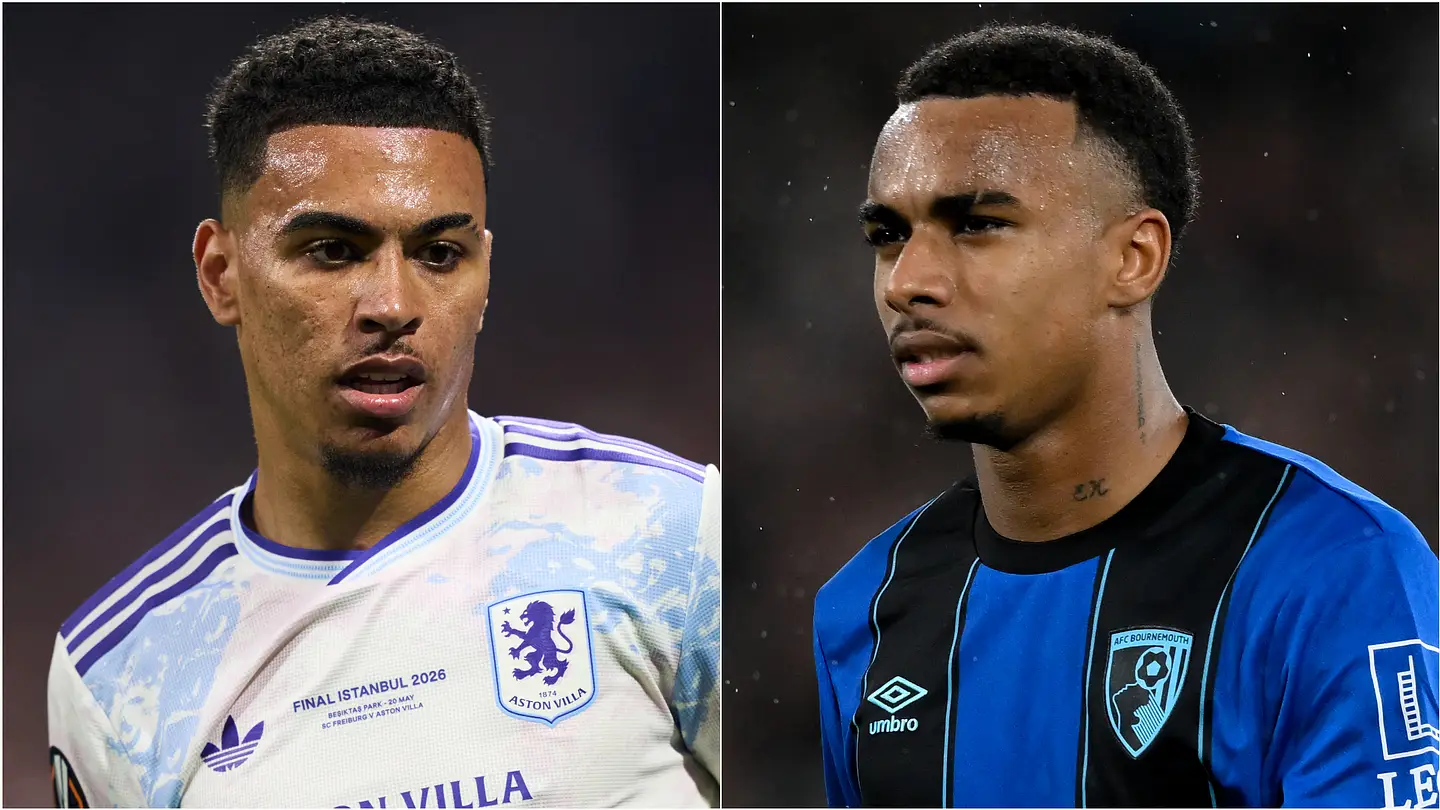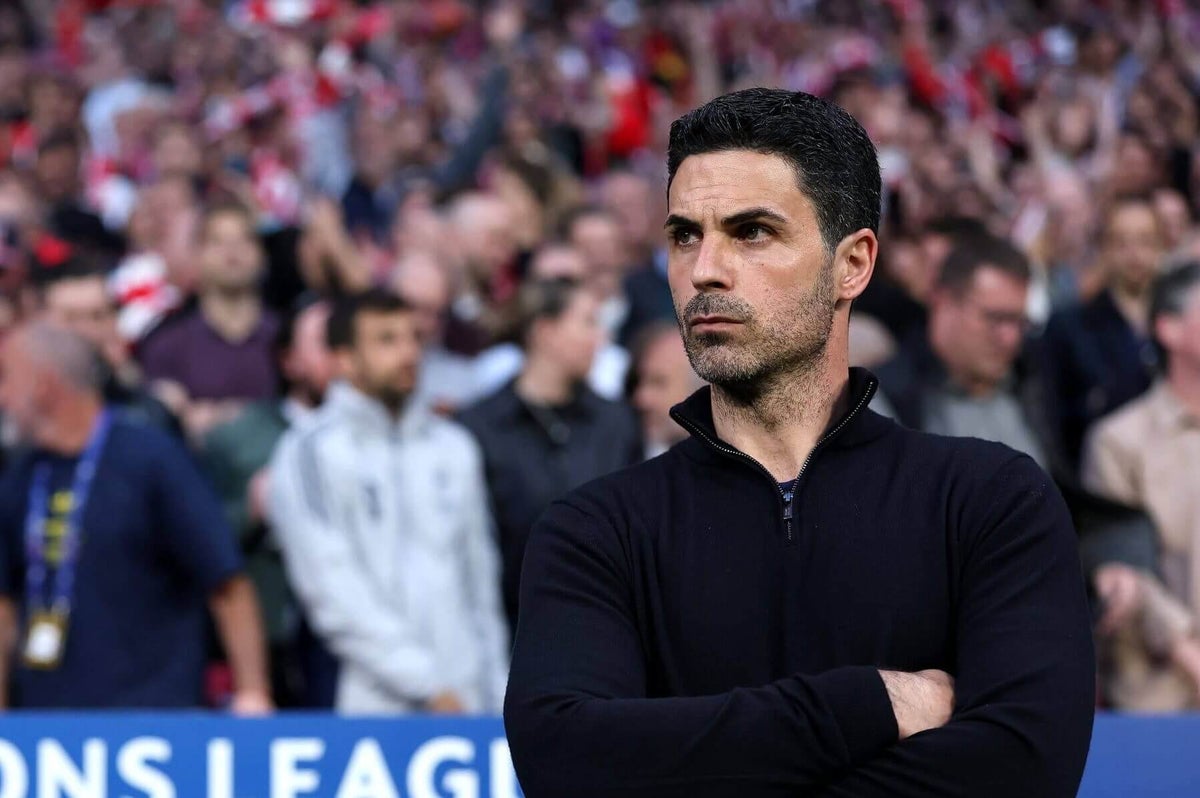
The further you travel on a journey, the more important it becomes to remember where you started.In June 2026, Arsenal are Premier League champions and looking to build on that success.Mikel Arteta’s story as their manager began in December 2019, but to reach six and a half years in the job, he has needed to hit key checkpoints. The title race in the 2022-23 season is seen as a watershed moment for his Arsenal. However, the summer transfer window of 2021 stands as an essential precursor to the progress that followed.Arsenal were in a very different position that summer. They were in free fall. Terminating Willian’s contract was symbolic of the squad’s direction, which left them out of Europe for the approaching 2021-22 season. Change was needed, so Arsenal leant into youth, signing six players aged 23 or younger.Nuno Tavares and Albert Sambi Lokonga from Benfica and Anderlecht were first through the door in mid-July, with Ben White (Brighton and Hove Albion) the only other signing made before the opening-weekend defeat away to promoted Brentford. After that surprising loss, Sky Sports pundit Gary Neville said: “I don’t know the plan at Arsenal. The recruitment has been really poor.”Arsenal then lost against Chelsea and Manchester City too and were bottom of the league after three matches, but worked on deals for Martin Odegaard (from Real Madrid, having initially joined on loan in the January), Aaron Ramsdale (Sheffield United) and Takehiro Tomiyasu (Bologna) before deadline day. Of the six first-team signings, five started Arsenal’s next game (a 1-0 win over Norwich City) to kick-start their season.A week later, after a 1-0 win away to Burnley, Arteta said: “With more time, I would like to have specialists for every position to do exactly what we want to do. We are much closer. What we identified and recruited was players with really specific qualities.”Four of those summer 2021 signings were hits, with Tavares and Lokonga the only misses. Odegaard, who was named club captain a year after signing permanently and lifted the club’s first league title in 22 years last month, was an obvious success alongside White, Tomiyasu and Ramsdale.Martin Odegaard was signed in 2021 and went on to be club captain (Shaun Botterill/Getty Images)Before those matches against Norwich and Burnley, technical director Edu said: “We need to create a solid foundation. I don’t want to see the squad in one season. I’d like to see Arsenal strong in one, two, three, four and five seasons. That needs strategy.“To create a good foundation, you need time. I want to see the team play together, and then let’s judge them when they play together. Then, after that, no problem. Judge us then.”Even if the squad needed the full five years to win the Premier League, the early signs from that strategy were promising. Arsenal had the youngest average age of any Premier League team in 2021-22 (25.2), and of the youngest teams over the previous 12 years, they earned the second-highest points per game (1.9). Tottenham Hotspur’s 2016-17 side ranked top with 2.3 points per game.Arsenal’s needs this off-season are different, but finding specificity within their recruitment strategies has been key in each summer window since 2021.Level-raisers have been necessary each year. In 2022, that came with Gabriel Jesus and Oleksandr Zinchenko’s unpredictable brilliance. In 2023, it was the versatility and physicality of Declan Rice, Kai Havertz and Jurrien Timber. Riccardo Calafiori and Mikel Merino added depth in 2024 before the real drive from strength in numbers last summer.Even if they hold interest in players across multiple positions, the concentration of left-wingers Arsenal are monitoring shows their intent. Arteta made clear his admiration for Paris Saint-Germain’s attacking corps after losing to them in the Champions League final, and that can be seen from the interest in Morgan Rogers, Bradley Barcola and Jeremy Monga, as well as the enquiry for Kenan Yildiz that Juventus pushed back.This group of players are not carbon-copies of each other, but they do not need to be. For where Arteta and Arsenal want to go, specificity is not about functional players, but those who have the skill set and ability to find a gap in an already exceptional squad. That is what creates moments of individual brilliance Arteta talks about, and we were given glimpses of by Eberechi Eze in 2025-26.It is also what he found in a quartet of hits from 2021.Odegaard’s ability to connect with others on and off the ball quickly made him the glue in Arsenal’s midfield. Tomiyasu provided a blueprint for an ideal Arteta defender with his one-v-one principles. White’s athleticism and adaptability made him an integral cog in the Arsenal machine in a new position (right-back). In goal, Ramsdale helped form the connective tissue between playing with a more traditional ’keeper in Bernd Leno and the more modern David Raya.Arteta and sporting director Andrea Berta may view 2026 as the start of something new, but it is important not to discount the importance of the foundations built in the past. Five years have passed since ‘Project Youth’ revived Arteta’s Arsenal, allowing for a natural time span to reflect and ponder what this summer should do for the next five years of the club’s history.Arsenal have the potential to enter uncharted waters. They have not retained a league title since a stretch of three successive triumphs between 1933 and 1935. They will also be aiming to go one better than last season by winning the Champions League for the first time.To do either — or both — will require a brave transfer strategy similar to the summer of change in 2021.Jun 10, 2026Connections: Sports EditionSpot the pattern. Connect the termsFind the hidden link between sports terms
What Arsenal should learn from 2021 transfer window – a blueprint for going to the next level
To build on their Premier League title and go further will require a brave transfer strategy similar to the summer of change in 2021
950 words~4 min read