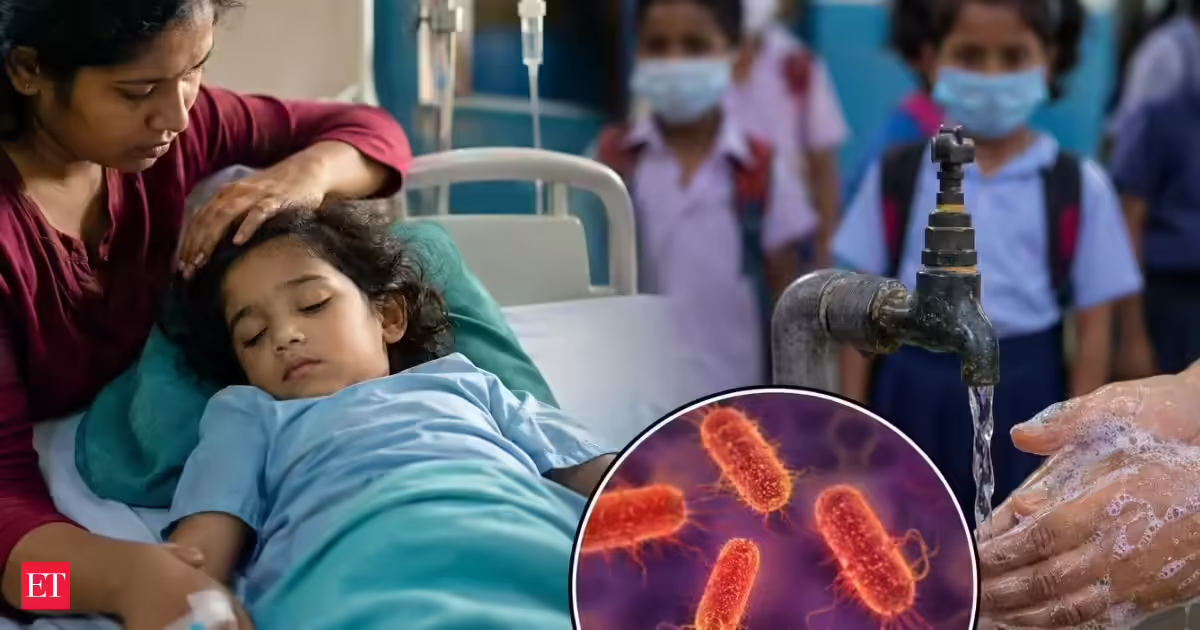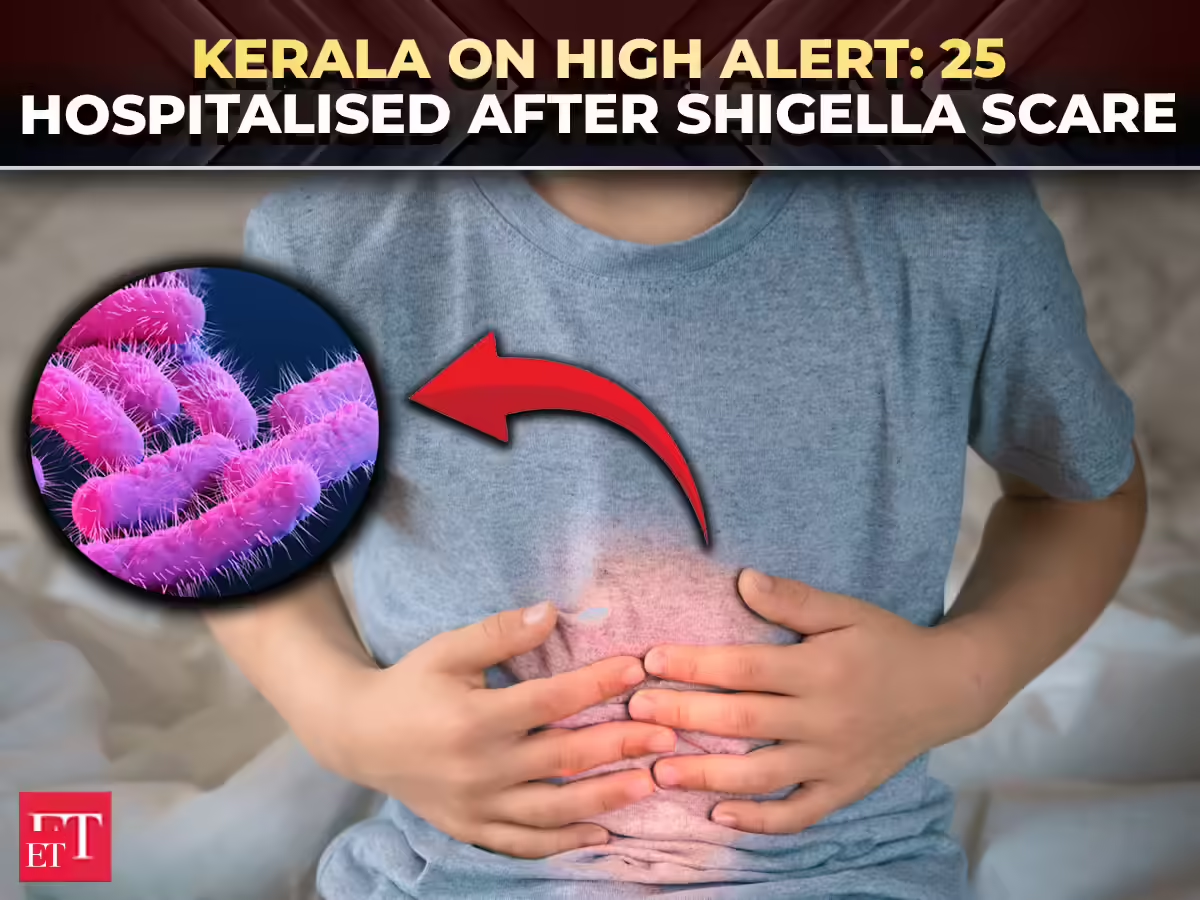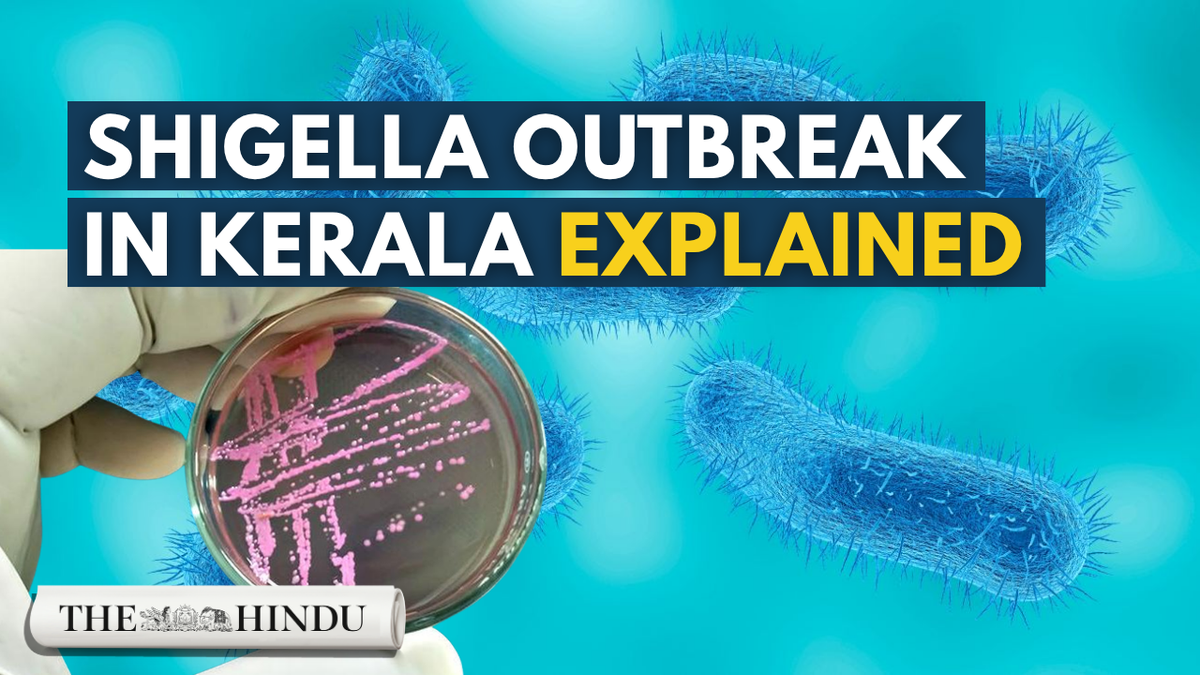
Kerala is witnessing a shigella outbreak that has affected schoolchildren across multiple districts, prompting intensified surveillance by health authorities. The situation escalated after a four-year-old girl from Kozhikode died due to the infection, the state’s first reported fatality linked to shigella.Health officials have since stepped up monitoring in schools, tested multiple samples and expanded surveillance to new clusters as cases continue to emerge.Over 800 households under surveillance in WayanadAccording to Manorama News, more than 800 households and 13 institutions in Wayanad are under monitoring after a Shigella outbreak. One more student sample from Koliyadi tested positive, with several results awaited. Students with symptoms are being treated under protocol, while linked schools and workplaces are also under surveillance.Health alert as minister reviews situationAs per the report, the Health Minister visited Sulthan Bathery Hospital to meet patients and review the situation with officials. Authorities warned of potential secondary infections following a rise in cases among parents, describing this week as critical. They emphasised strict hygiene and frequent handwashing to prevent contact-based transmission.Rising cases and containment stepsHospitals reported 68 inpatients and 443 total treatments since the outbreak began, amid rising concern among parents. Officials noted likely contact transmission in some cases.A large-scale cleaning drive has been announced, including chlorination of wells and disinfection of water sources in schools, Manoraa News reported.What is shigella infectionShigella is a group of bacteria that causes shigellosis, an intestinal infection that spreads through the faecal–oral route. It is highly contagious, requiring only a small number of bacteria to cause illness, making it easy to spread in schools, households and areas with poor sanitation.The infection typically spreads through contaminated food, water, surfaces or unwashed hands.Symptoms to watch out forShigellosis usually develops within one to three days of exposure. Common symptoms include:DiarrhoeaFeverStomach crampsAbdominal painNausea and vomitingIn some cases, diarrhoea may contain blood or mucus. Children are particularly vulnerable due to the risk of rapid dehydration.Warning signs include dry mouth, sunken eyes, fatigue and reduced urination.Who is most at riskWhile anyone can be infected, severe illness is more likely in:Children under fiveElderly individualsPeople with weakened immunityCancer patientsCommunities with poor sanitation or overcrowdingSchools and daycare centres often act as transmission hotspots.Why shigella can become dangerousMost patients recover within a week, but complications can develop if treatment is delayed. These include:Severe dehydrationElectrolyte imbalanceIntestinal inflammationHospitalisation in serious casesRarely, deathExperts stress that infants, older adults and immunocompromised individuals are most vulnerable.How it is treatedTreatment focuses on preventing dehydration through oral rehydration solutions and fluid intake. Rest and monitoring are essential.In severe cases, antibiotics may be prescribed based on laboratory tests. Doctors warn against self-medication and unsupervised use of anti-diarrhoeal drugs.Kerala’s response and surveillance measuresHealth authorities have intensified inspections and surveillance across districts. Key developments include:More than 800 households and 13 institutions under surveillanceOver 126 confirmed cases reported in recent weeksFood safety inspections at hotels and eateries with penalties issued for violationsWater sources and schools under active monitoringOfficials are also tracking contacts and treating symptomatic students under standard protocols.District-wise monitoringKozhikode remains the primary focus after the fatal case was reported.In Wayanad, two students tested positive, triggering contact tracing. In Sulthan Bathery, more than 160 children reported stomach-related illness, though not yet linked to shigella.Prevention and public health adviceAuthorities have urged strict hygiene measures, including:Drinking only boiled or treated waterWashing hands with soap regularlyProper food hygiene and cooking practicesCleaning and chlorinating water storage sourcesAvoiding self-medication and seeking timely treatmentWhy prevention matters nowShigella spreads rapidly in communities where sanitation and hygiene practices are weak. Health officials say early detection, isolation of symptomatic cases and public awareness are key to containing outbreaks in schools and communities.With inputs from Agencies
Kerala shigella outbreak: Symptoms, risks and all about the highly contagious infection
Kerala reports a Shigella alert after a child’s death. Know symptoms, high-risk groups, treatment options and key prevention steps to stop the spread.
600 words~3 min read