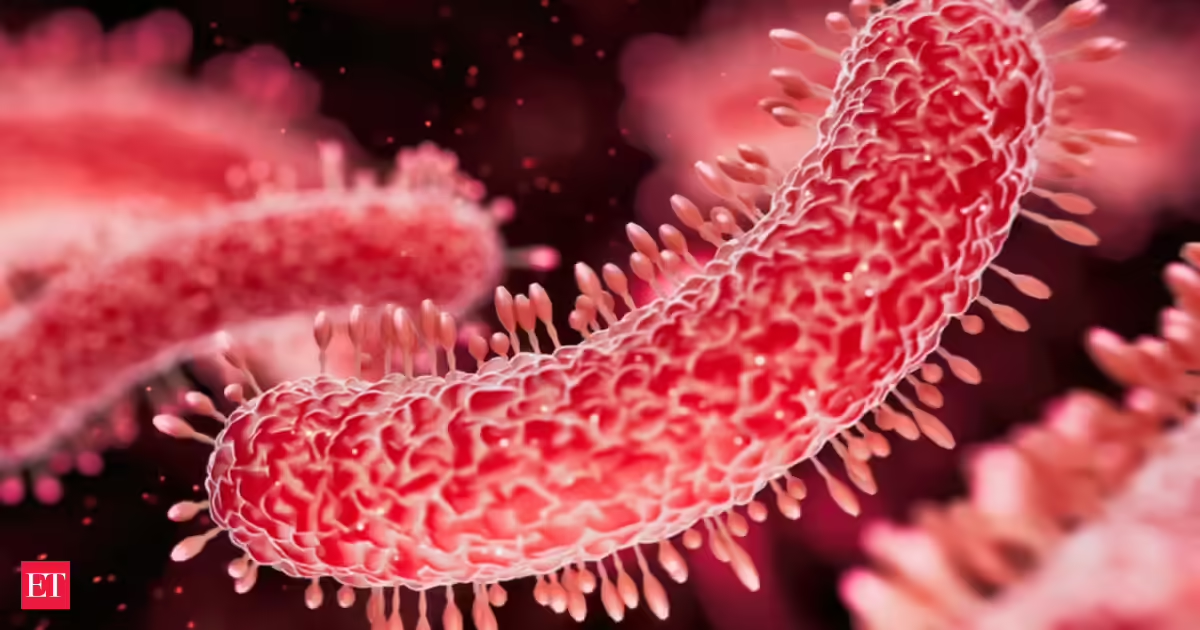
Kerala reported 10 new cases of Shigella infection on Monday, taking the total number of cases recorded in the state this year to 226. The latest infections were detected across four districts. Kozhikode reported seven cases, while Wayanad, Ernakulam and Malappuram recorded one case each. According to the state health minister, Kerala has reported 150 Shigella cases and six deaths so far in June. Outbreaks have been declared in Kozhikode, Wayanad, Thrissur and Alappuzha districts. Cases have also been reported from Malappuram, Thiruvananthapuram, Kannur, Kollam, Idukki, Ernakulam and Palakkad. According to reports, six have already lost their lives due to Shigella in Kerala. Meanwhile, Karnataka is also in high alert mode amid the Shigella outbreak. What is Shigella infection? Shigella infection, also known as shigellosis, is a highly contagious intestinal disease caused by bacteria belonging to the Shigella genus. The infection spreads through contaminated food, water, surfaces or direct contact with an infected person.Symptoms of Shigella infection Symptoms typically appear one to three days after exposure and may include: Diarrhoea, which may contain blood or mucus Stomach cramps Fever Nausea or vomiting Frequent urge to pass stools Dehydration Most people recover within five to seven days, although bowel habits may take longer to return to normal. How does Shigella spread? Shigella spreads through the faecal-oral route, where microscopic amounts of infected stool are ingested. Common sources of transmission include: Contaminated food or drinking water Poor hand hygiene Schools and daycare centres Crowded living conditions Close contact with an infected person Who is most at risk? The infection is more likely to affect: Young children Elderly people Individuals with weakened immune systems Travellers visiting areas with poor sanitation Possible complications While most patients recover without serious issues, severe infections can lead to: Severe dehydration Seizures, particularly in children with high fever Bloodstream infections in rare cases Reactive arthritis Severe inflammation of the colon Diagnosis and treatment Doctors usually diagnose Shigella infection through a stool test that identifies the bacteria. Treatment generally includes: Drinking plenty of fluids to prevent dehydration Supportive care for mild cases, which often resolve without antibiotics Antibiotics for severe infections, based on laboratory testing due to rising antibiotic resistance among some Shigella strains Doctors generally advise against using anti-diarrhoeal medicines such as loperamide unless specifically recommended.How to prevent Shigella infection To reduce the risk of infection: Wash hands thoroughly with soap and water Drink clean and safe water Avoid preparing food while sick Wash fruits and vegetables properly before consumption Maintain good personal and environmental hygiene When should you see a doctor? Seek medical attention immediately if you experience: Bloody diarrhoea High fever Signs of dehydration, such as dizziness, dry mouth or reduced urination Severe abdominal pain Symptoms that persist for several days Illness in infants, elderly individuals or people with weakened immunity Early diagnosis and proper hygiene remain key to controlling the spread of Shigella infection and preventing serious complications.
Shigella outbreak in Kerala: 10 new cases reported taking tally to 226; here's everything you need to know about the infection
Kerala is grappling with a surge in Shigella infections, recording 226 cases this year and 150 in June alone, with six deaths reported. Outbreaks have been declared in four districts, prompting Karnataka to go on high alert. Shigellosis, a contagious intestinal illness, spreads through contaminated sources and poor hygiene. Symptoms include bloody diarrhoea, fever, and cramps.
483 words~2 min read