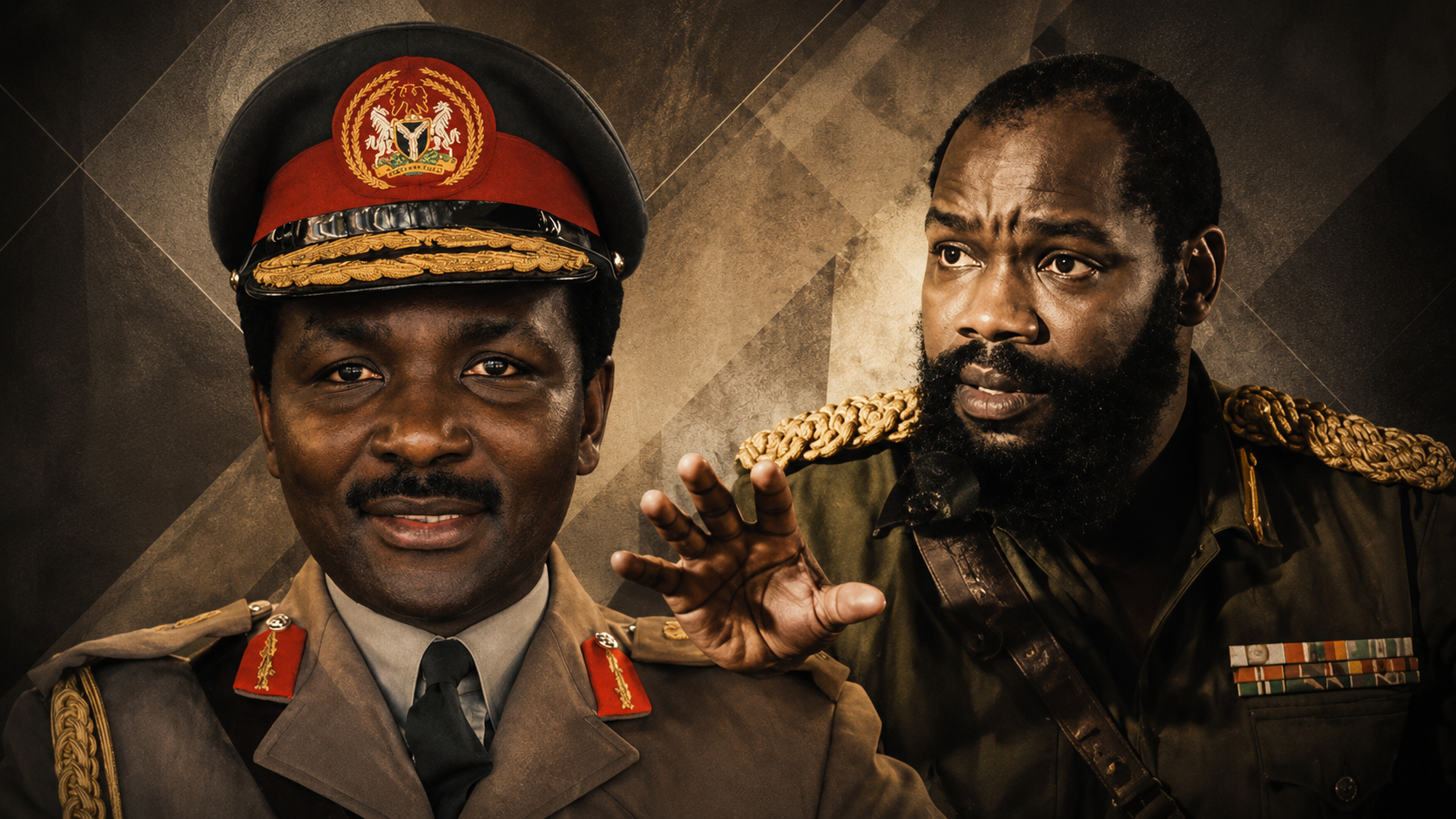
It is both: coincidence in production, choreography in historical effect, argues PAT ONUKWULI
Nearly 60 years after the first shots of the Nigerian Civil War tore through the fragile fabric of a young republic, Biafra has returned to public conversation, not as an apology, a restitution, or a national reckoning, but as a memoir and a documentary.
General Yakubu Gowon released My Life of Duty and Allegiance, his account of a war he led from the summit of state power in Abuja on May 19, 2026. Almost simultaneously, the BBC released Surviving Biafra, directed by Meji Alabi, on BBC iPlayer and YouTube on June 1, 2026. Coincidence may explain the timing. It cannot erase the symbolism. The question is stark: is Biafra being remembered, or managed? This question is not paranoia. It is prudence.
Meji Alabi is an accomplished filmmaker, having worked on major visual projects such as Beyoncé’s Black Is King. His competence is not in doubt. But competence is not neutrality. A gifted director may still be shaped by vantage, inheritance, and proximity. His familial connection to the Nigerian military, his grandfather, a former Nigerian Army commando, gives the film intimacy; it also burdens it with suspicion. Intimacy may illumine, but it may also prejudice.