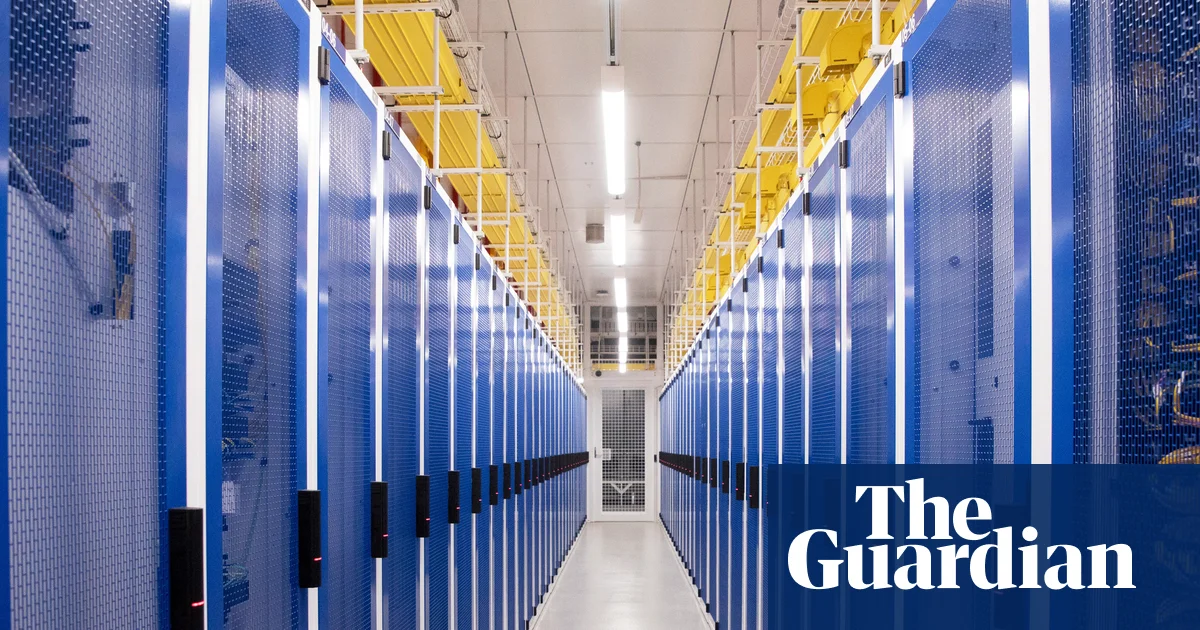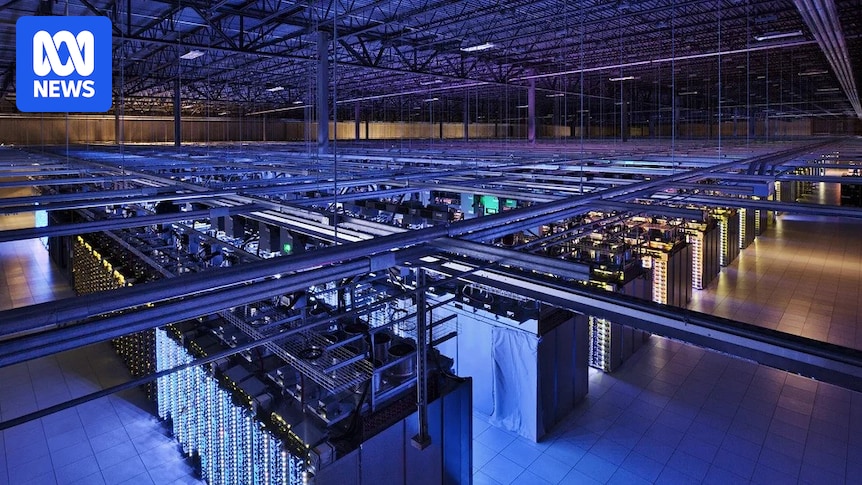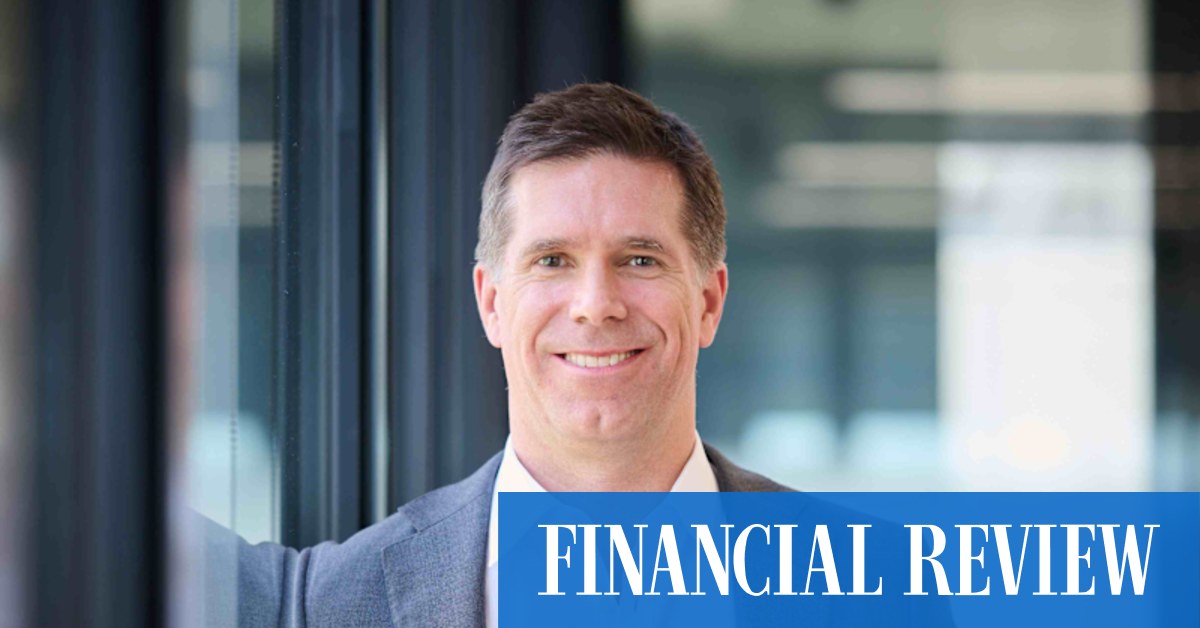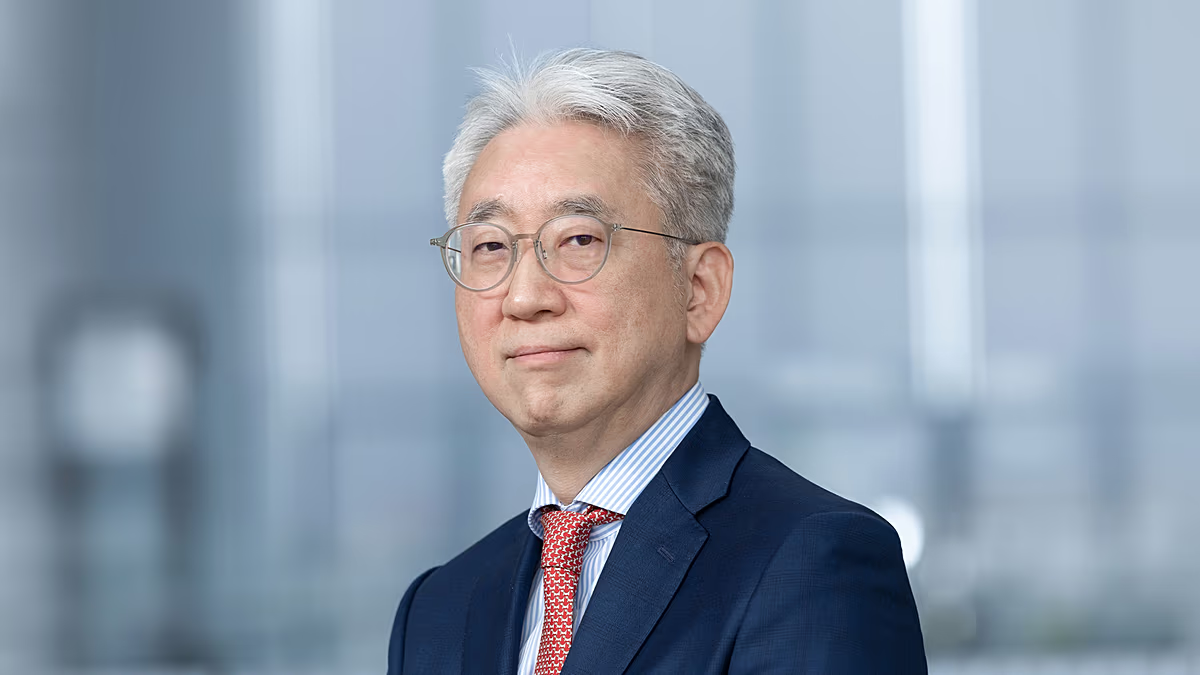
“As the Australian economy has evolved, the nation is now in a phase where it needs to deliver new kinds of infrastructure across a range of asset classes,” says Nicolas Parrot, chief executive of BNP Paribas Australia and New Zealand.“This includes digital infrastructure – in particular data centres and the value chain supporting AI infrastructure – as well as energy infrastructure such as renewable energy zones. There’s also an ongoing need for more traditional transportation infrastructure.”Nicolas Parrot, chief executive of BNP Paribas Australia and New Zealand. The scale of that build-out is drawing on offshore capital, with European investors forming part of a global funding base that spans North America and Asia.“Australian infrastructure is capital hungry and global financial institutions and institutional capital are important drivers – they have a crucial role to play,” Parrot says.For corporates, access to capital depends on how projects are structured, how risks are allocated and how they compare globally.Building a different kind of infrastructureFor sponsors, the financing task reflects the nature of the assets being built. Data centres, renewable energy zones and transmission networks are not only capital intensive, but increasingly interdependent.“Modern energy and digital projects are increasingly interlinked, and green energy assets cannot be fully decoupled from the traditional resource and fossil fuel sector,” says Pierre-Julien Marboeuf head of global capital markets Asia Pacific at BNP Paribas.“While the commercial fundamentals remain unchanged, the process of decarbonising legacy resource operations is capital intensive and it calls for the full suite of financing tools,” Marboeuf says.That includes hybrid instruments, sustainability-linked loans, export credit agency support and multi-tranche structures that align capital with different stages of a project.“International capital brings many benefits,” Marboeuf says. “It creates an appetite to create a new channel of investment or grow a local footprint. It creates the capacity to price competitively. It provides long duration financing that matches stable long-term infrastructure cash flow.”Pierre-Julien Marboeuf, head of global capital markets Asia Pacific. “It also provides the ability to invest across the capital stack – from senior debt and subordinated structures – to hybrid instruments and equity solutions,” he says.European capital within global flowsAccessing that capital means tapping global markets, with European investors forming part of a broader pool alongside North American and Asian institutions.“These investors need to deploy capital in trusted, tier-one jurisdictions and growth economies and they’re seeking returns and thematic exposures that match their strategies,” Marboeuf says.“Consequently, there’s a large appetite for them to find suitable investments in Australia.”European balance sheets play a role where projects require flexibility beyond public markets.“Balance sheets from European banks complement capital markets, when specific features of a project are not suitable for a bond: for example when there is a delayed drawdown, construction risk or merchant risk,” Marboeuf says.“In these situations, a solid, experienced banking partner brings the most value.”BNP Paribas combines balance sheet lending with access to offshore capital markets.“We’re able to underwrite large amounts of debt, that then gets distributed to Asian and European banks, as well as private investors, through our loan syndicates,” Parrot says.The bank also connects Australian corporates to offshore funding channels, including the euro bond market.“For many years now, BNP Paribas is proud to be the number one bank in bringing Australian issuers to the Euro bond market,” Parrot says. “This option is really useful to large issuers during times of volatility, or simply to access the best market at any time.”Capital at scaleFor infrastructure operators, the scale of funding required is increasing at the same time as expectations around delivery and performance are tightening.For AirTrunk, one of the region’s largest data centre platforms, global capital has been central to building out infrastructure across Australia and Asia.“Global capital has been fundamental in delivering data centre infrastructure at scale across Australia and Asia,” says Luke Stephens, vice-president and treasurer at AirTrunk.“APAC hyperscale has now entered a phase where the scale, speed and capital intensity of AI and cloud-driven infrastructure have outgrown the capacity of traditional bank lending markets.”Investment decisions are made globally, with regions competing for funding.“With debt investors adopting a more global approach to data centre capital allocation, ensuring APAC remains attractive from a relative value perspective is critical,” Stephens says.Project costs have increased significantly.“Build costs and inflationary pressures have increased by around 30 to 50 per cent, reflecting higher-density designs, liquid cooling, and more complex power delivery,” he says.“Combined with increased scale, this has materially increased the capital required per project and made financing structures more complex.”Power availability has become a constraint.“The other risk is scale – the size and velocity of our customer deployments, together with inflationary pressures, have increased both the size of facilities and the overall risk,” Stephens says.Luke Stephens, vice-president and treasurer at AirTrunk. “The challenge is not just raising capital; it is structuring projects that meet that higher bar, with secured power, proven delivery capability, and alignment with hyperscale customer demand.”A long-standing connectionBNP Paribas’ role in linking Australian corporates with offshore capital has evolved alongside the economy, shifting from trade finance to large-scale infrastructure, energy and digital assets.“This 145-year legacy highlights a durable partnership that has survived multiple economic cycles,” Parrot says.“It demonstrates BNP Paribas’ ability to adapt financing structures to evolving market conditions, while maintaining trust, delivering local expertise and the capacity to deliver bespoke solutions for large scale projects.”Today, the bank supports corporates across energy, resources, infrastructure and digital sectors, linking Australian projects with offshore investors and capital markets, including Europe.Competing for capitalFor Australian corporates, access to offshore capital depends on how projects are positioned within a global market.“With investors taking a global approach to assessing opportunities, the biggest risks are market confidence, trade, inflation, GDP growth, and other systemic factors,” Stephens says.Capital is not evenly distributed.“Investors today are not just backing growth; they are looking for transparency, resilience, and long-term value,” he says.“To continue attracting sustained global capital, Australia must remain highly competitive by aligning with global investor expectations,” Stephens says.If those expectations of transparency, resilience, pricing discipline and delivery are met, offshore capital will continue to flow into Australian infrastructure, including from Europe – supporting the investment vital to retool the nation’s economy.To find out more, please visit BNP Paribas.
European capital driving Australia’s transition economy
European insights and capital are supporting Australian corporates as infrastructure projects drive a new phase of investment across the economy.
1,023 words~5 min read