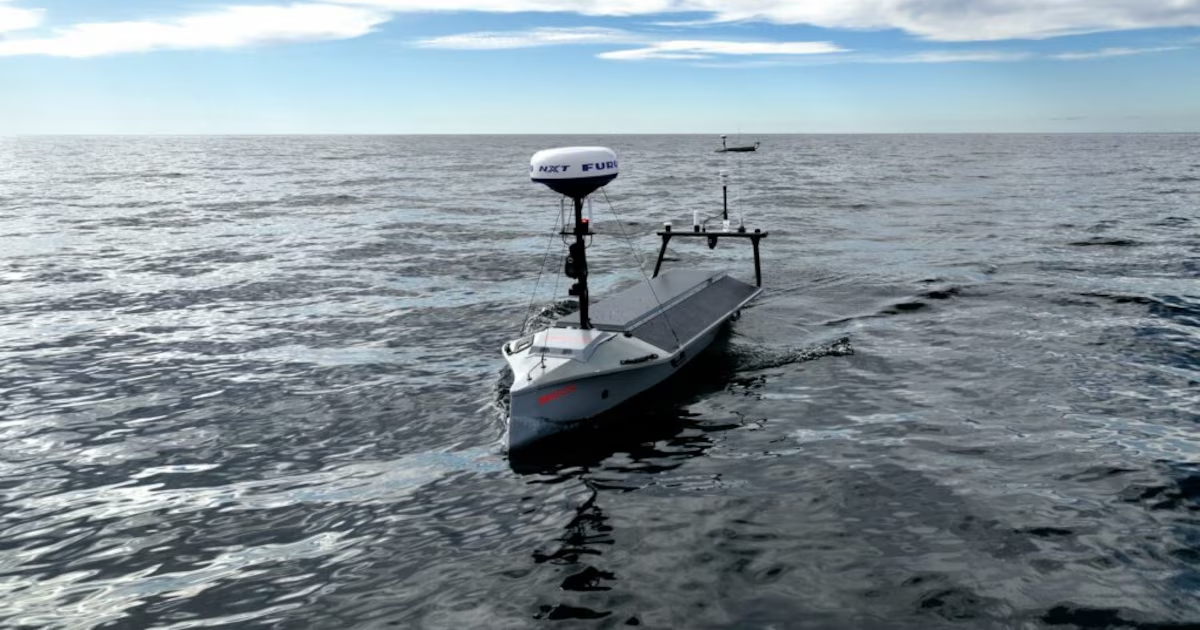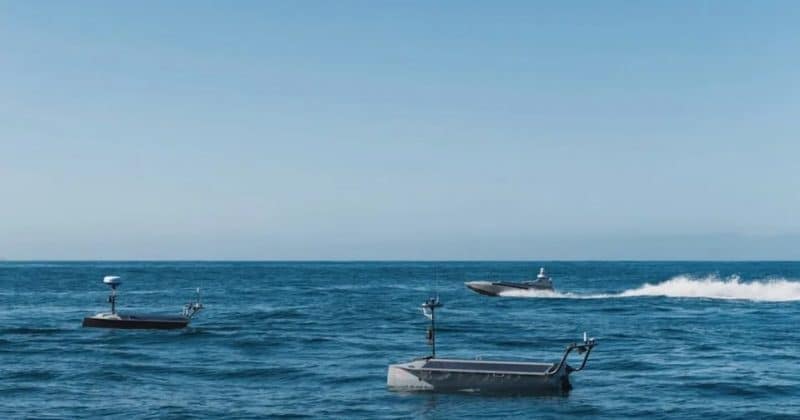
A fleet of tiny, unmanned boats is now doing work that used to require billion-dollar warships. Seasats, a San Diego-based defense startup, has officially deployed its autonomous Lightfish vessels to track Chinese “ghost fleets,” the distant-water fishing armadas that vanish from radar by switching off their transponders while illegally harvesting the ocean.
The company has raised over $40 million in total funding to make this happen. And in May 2026, one of its vessels pulled off the first known autonomous transit of the Taiwan Strait, quietly recording interactions with Chinese naval ships along the way.
Small boats, big mandate
Chinese distant-water fishing vessels routinely disable their Automatic Identification System transponders, the maritime equivalent of turning off your phone’s location services, to fish illegally in restricted waters without anyone noticing.
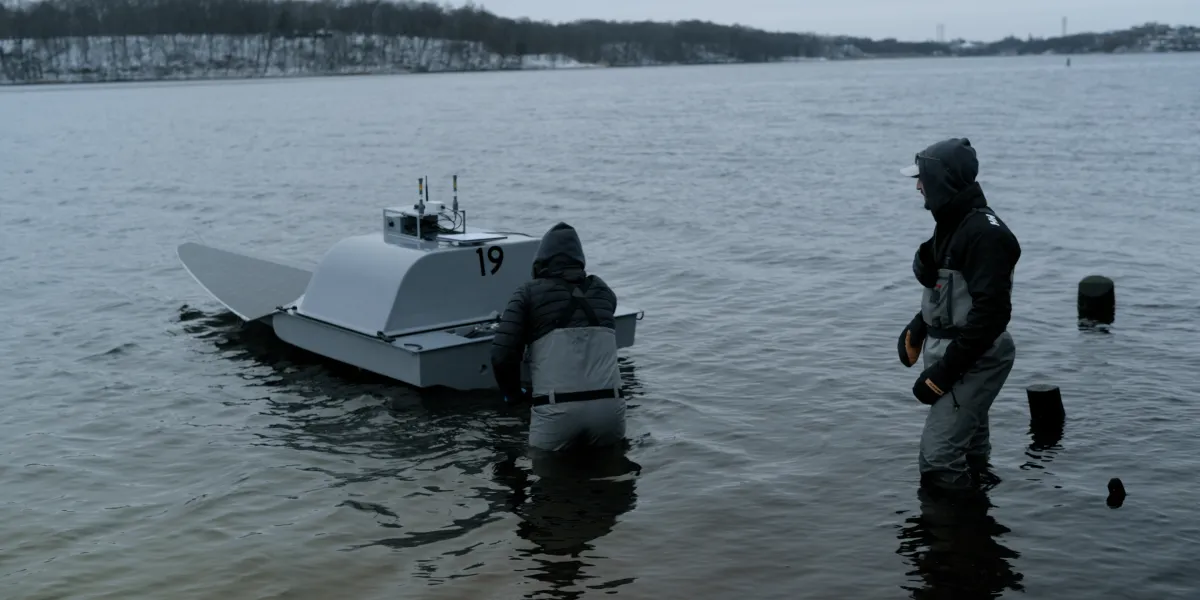
Seasats’ answer is the Lightfish, a small uncrewed surface vessel, or sUSV, that measures roughly 12 feet long and weighs between 305 and 350 pounds. It can stay at sea for up to six months at a stretch.