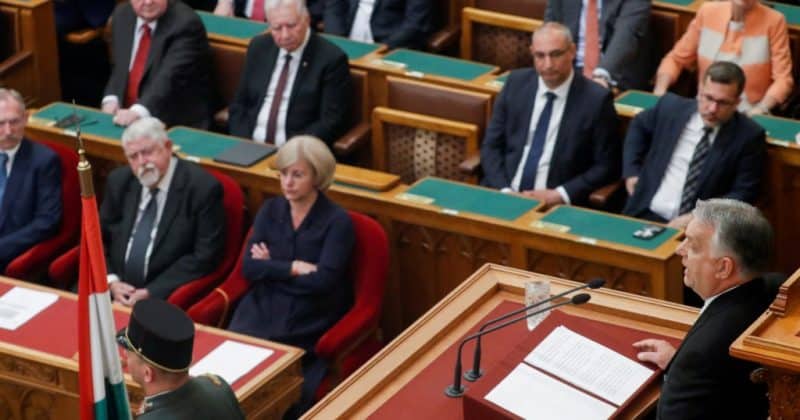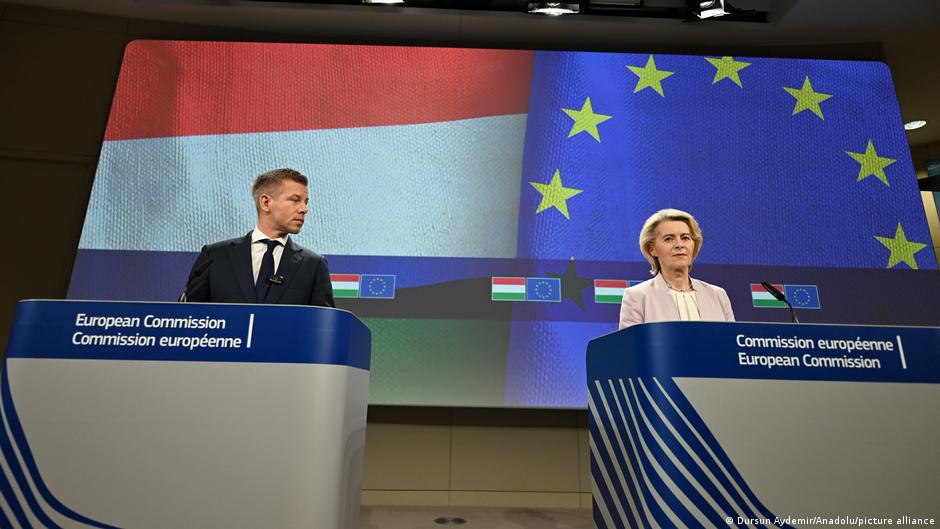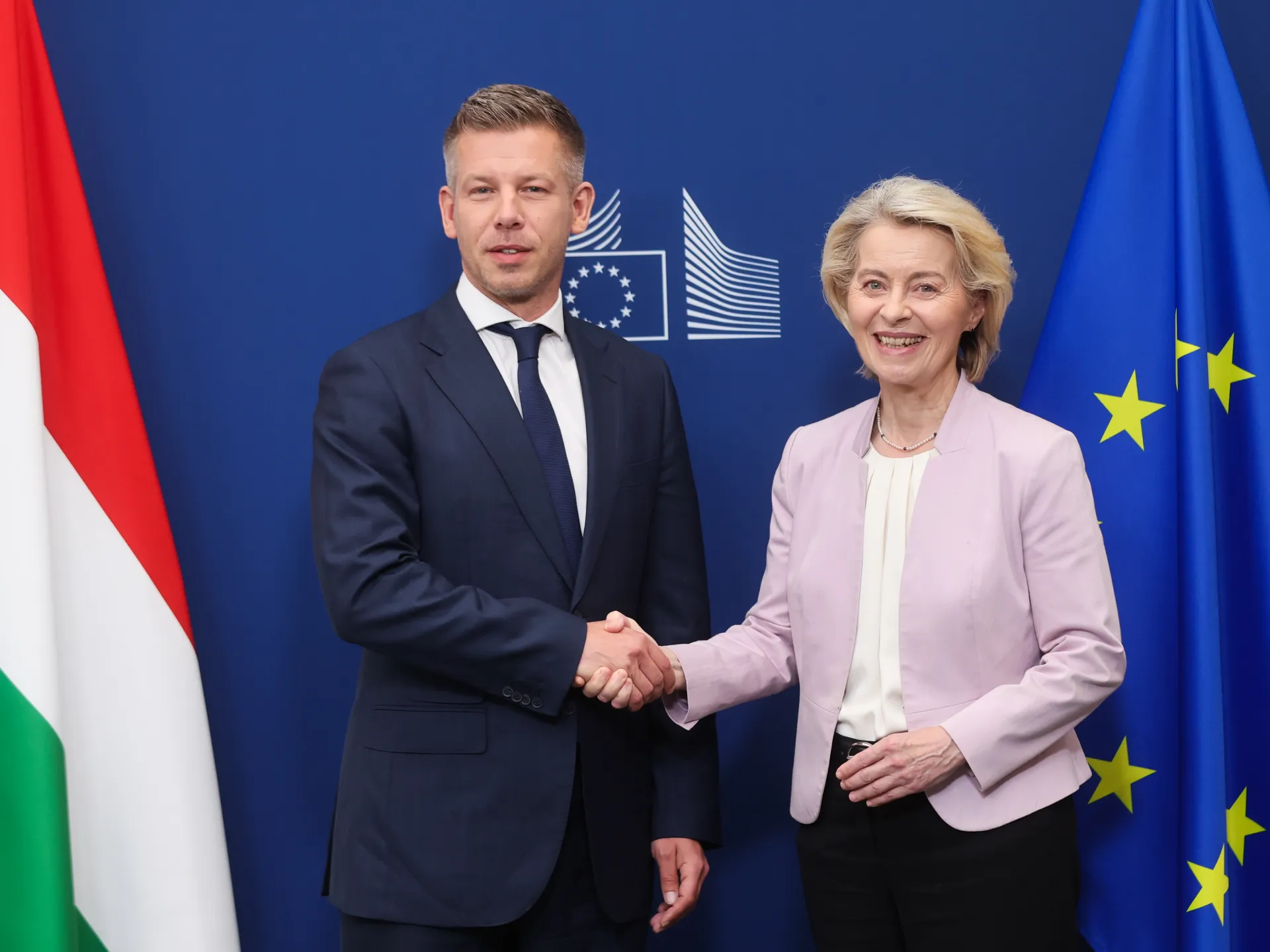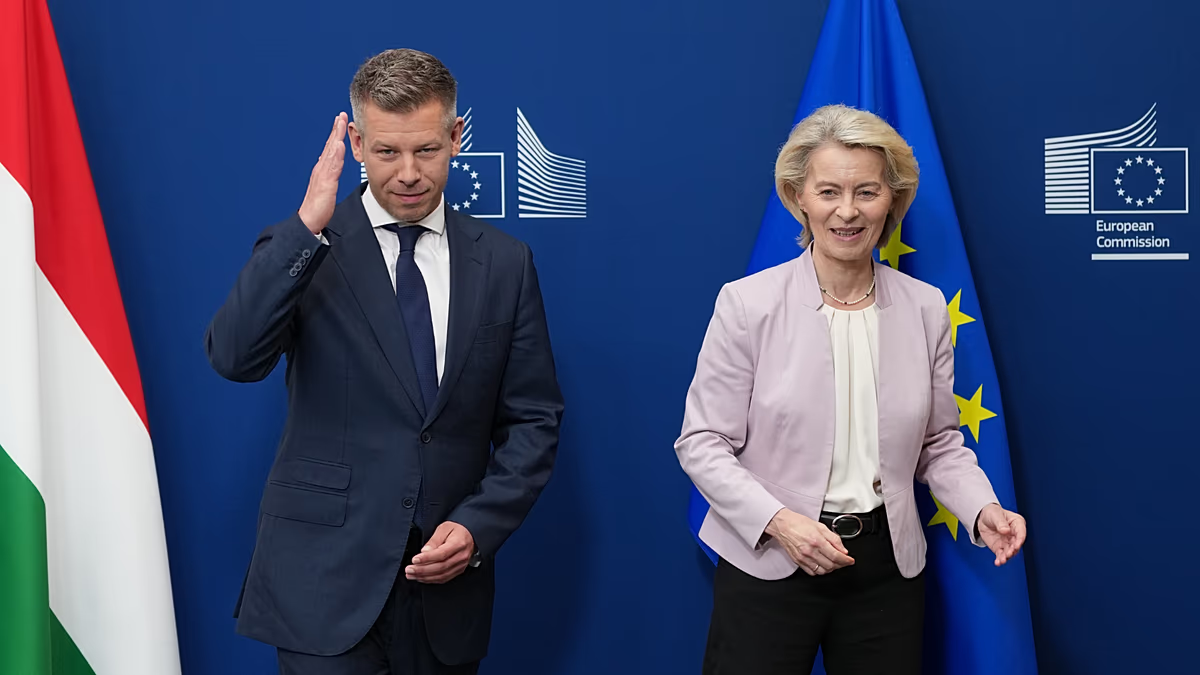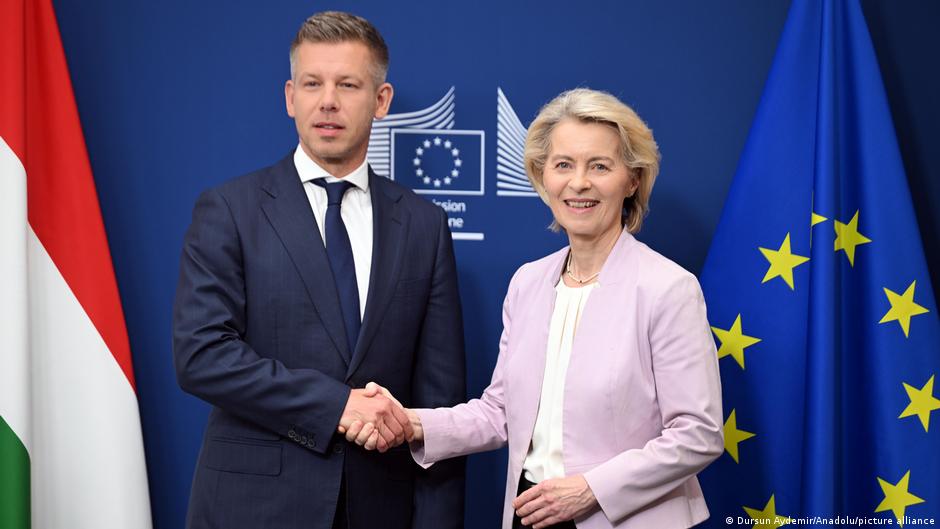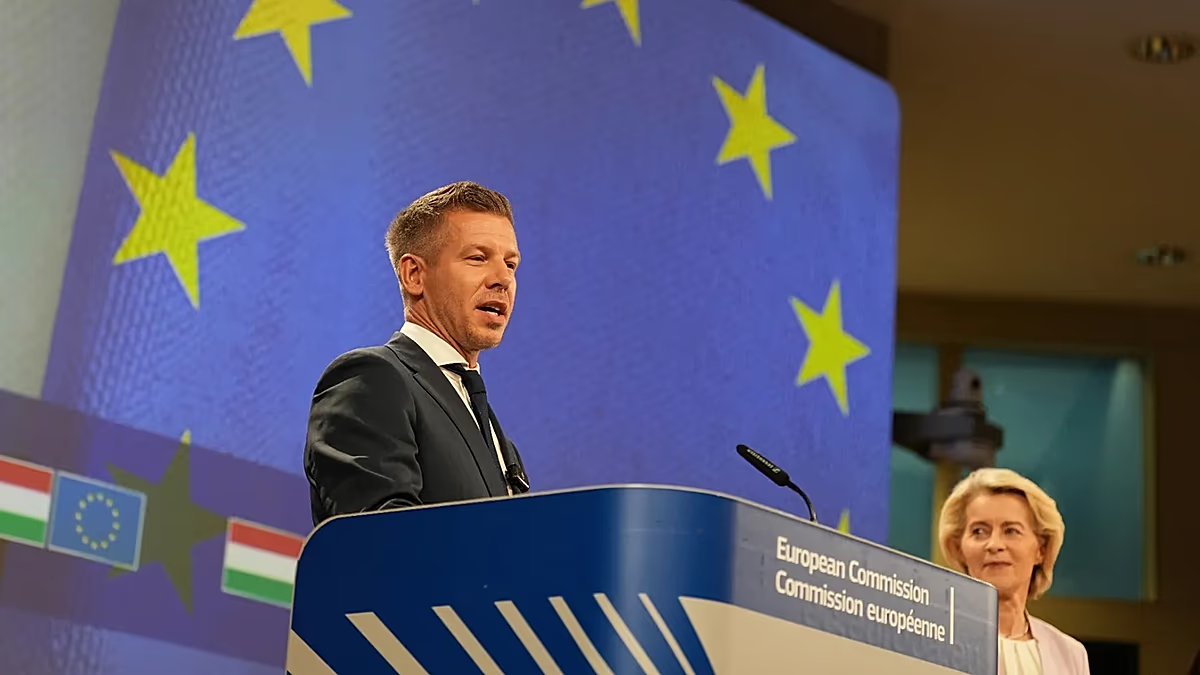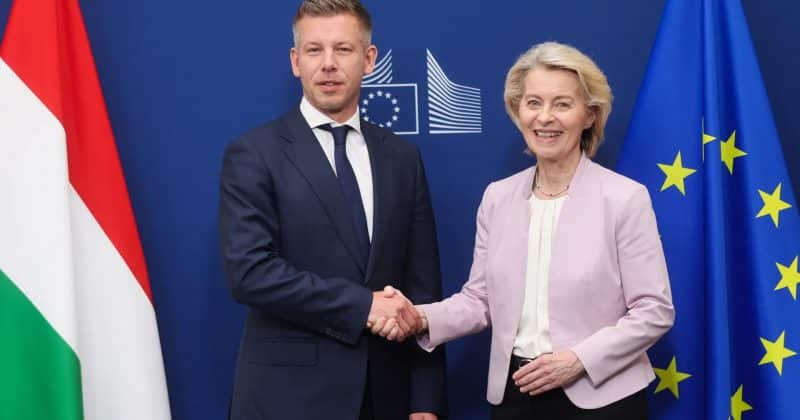
Hungary just cleared one of the biggest financial logjams in recent European history. On May 29, the Hungarian government struck a deal with the European Commission to release €16.4 billion, roughly $19 billion, in EU funds that had been frozen for years over governance and rule-of-law concerns.
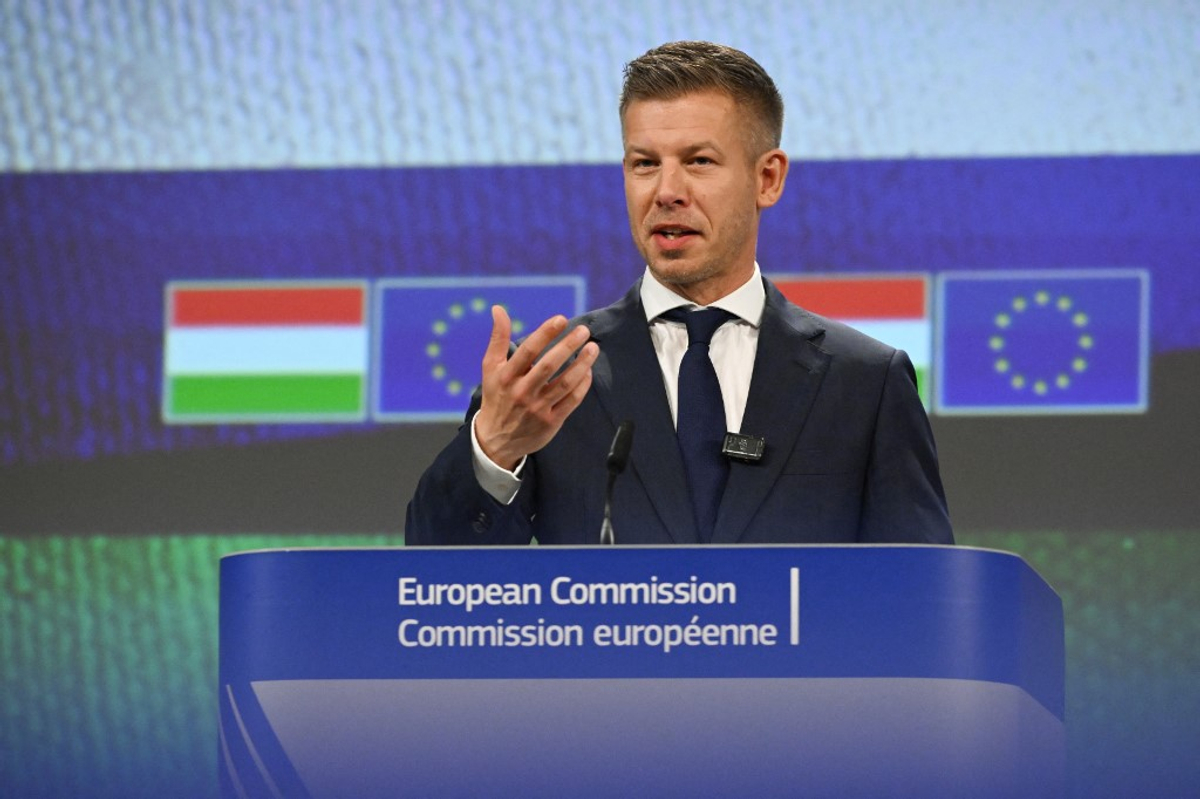
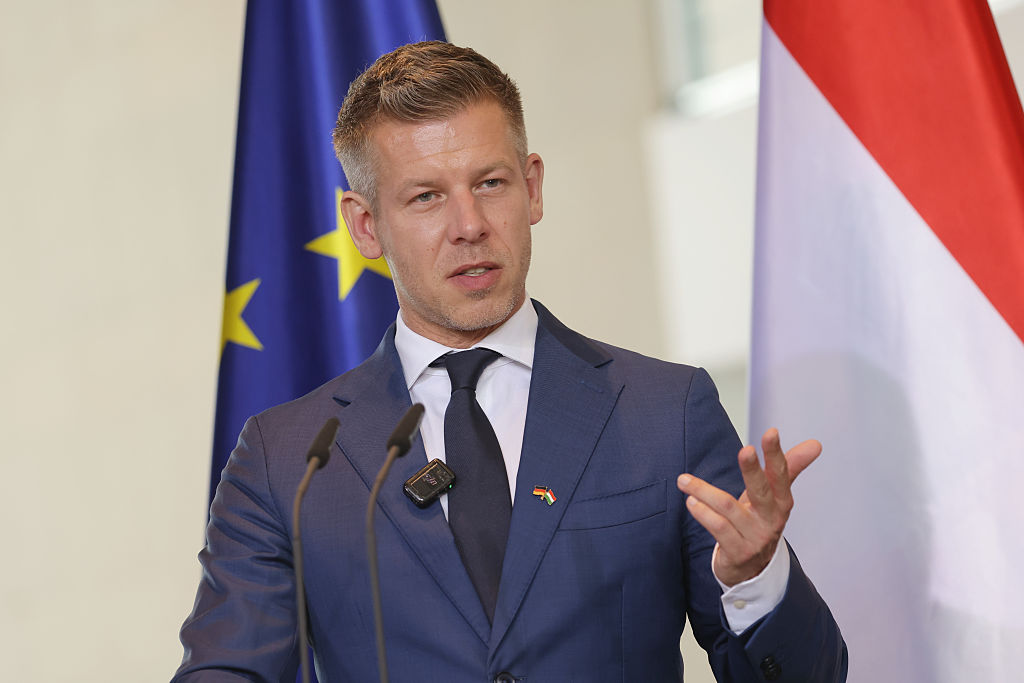
Prime Minister Péter Magyar framed the agreement in blunt terms: Hungary and its people are getting their money back, and they didn’t have to give up anything significant to do it. The main concession, he said, was simply ending the corruption practices of the previous Orbán administration.
What’s in the package
The €16.4 billion breaks down into three buckets. Approximately €10 billion comes from the EU’s recovery and resilience facility. Another €4.2 billion is tied to rule-of-law conditionality. The remaining €2.2 billion is linked to fundamental rights and academic freedom initiatives.
That last category carries a practical bonus: it reinstates Hungary’s participation in the Erasmus educational exchange program, reconnecting Hungarian students and universities to a Europe-wide academic network they’d been effectively cut off from.