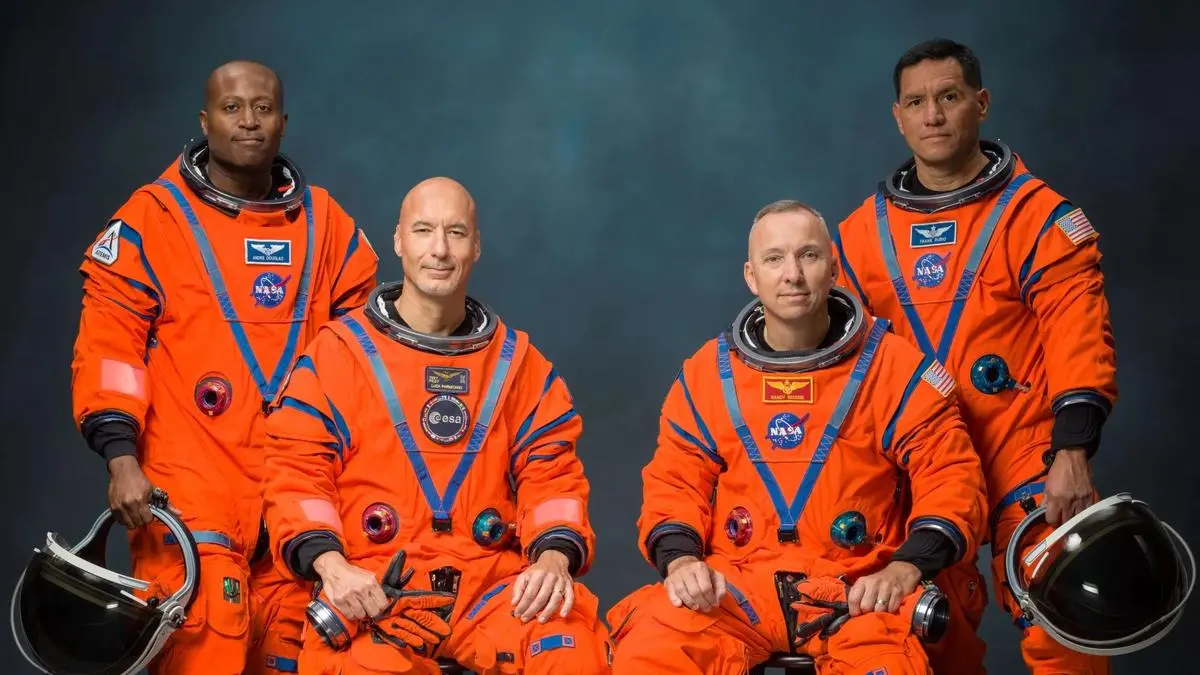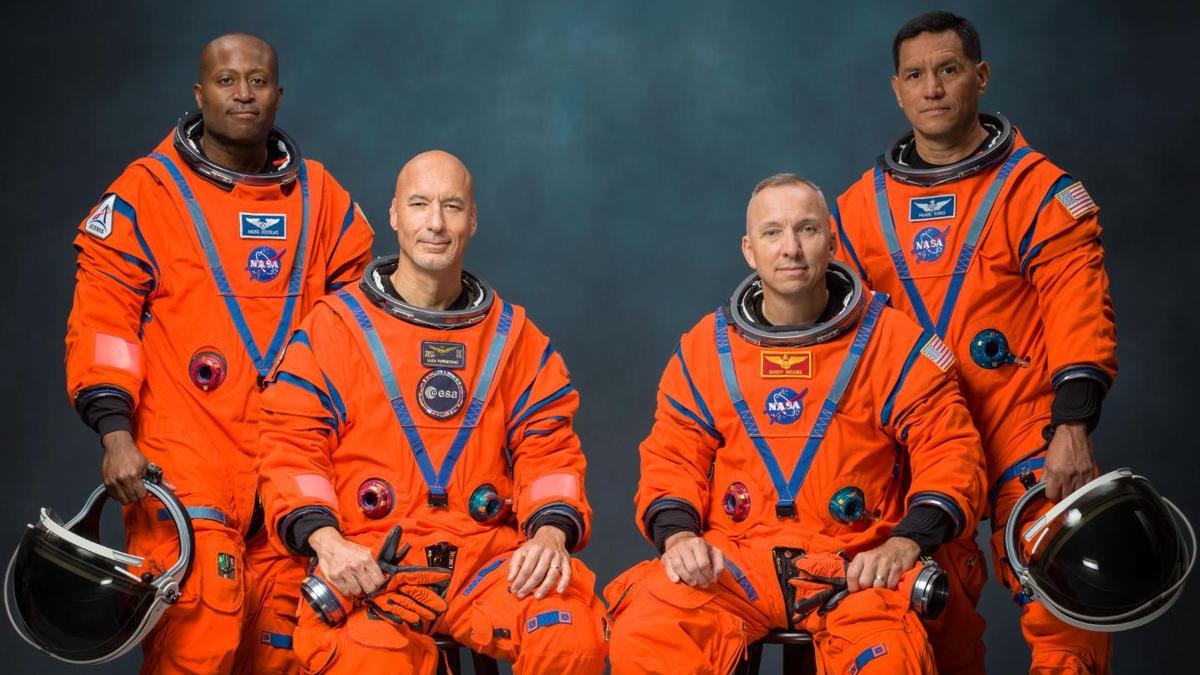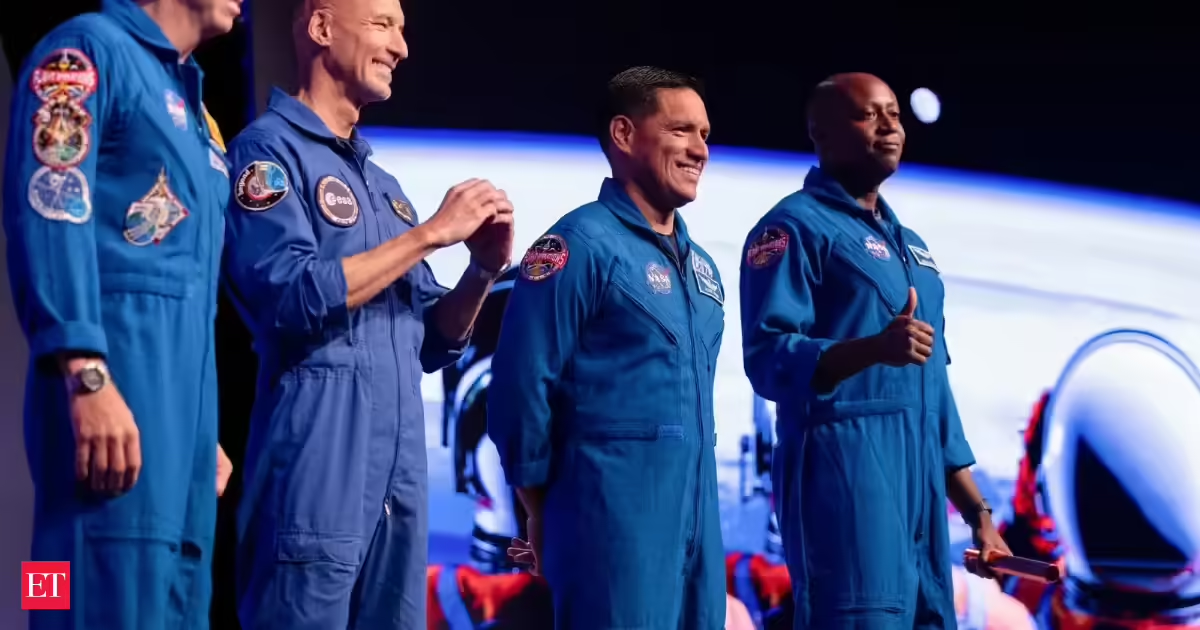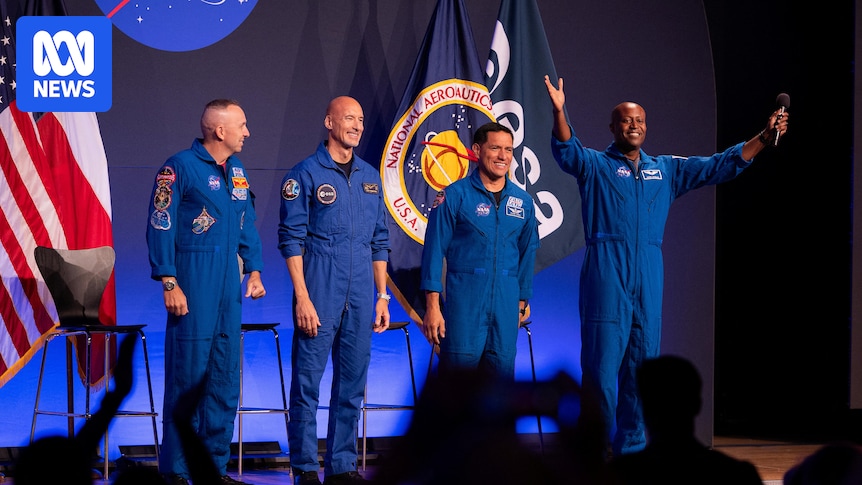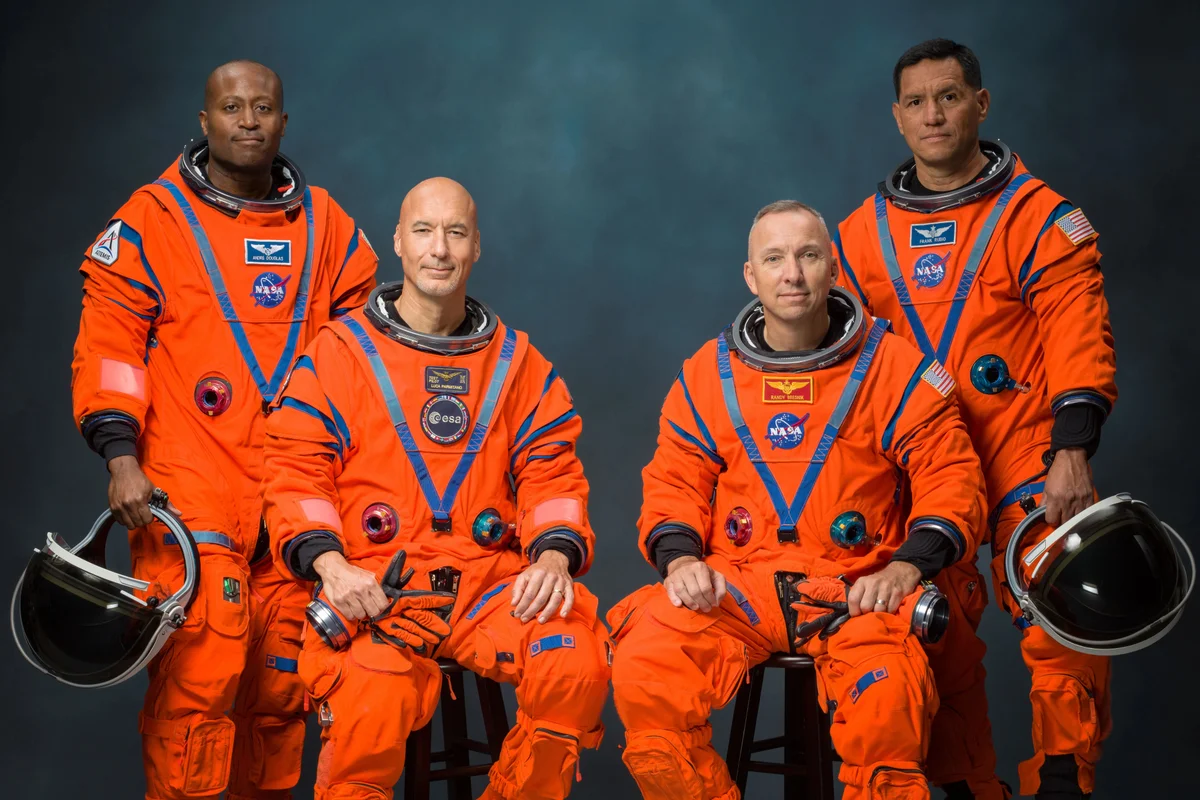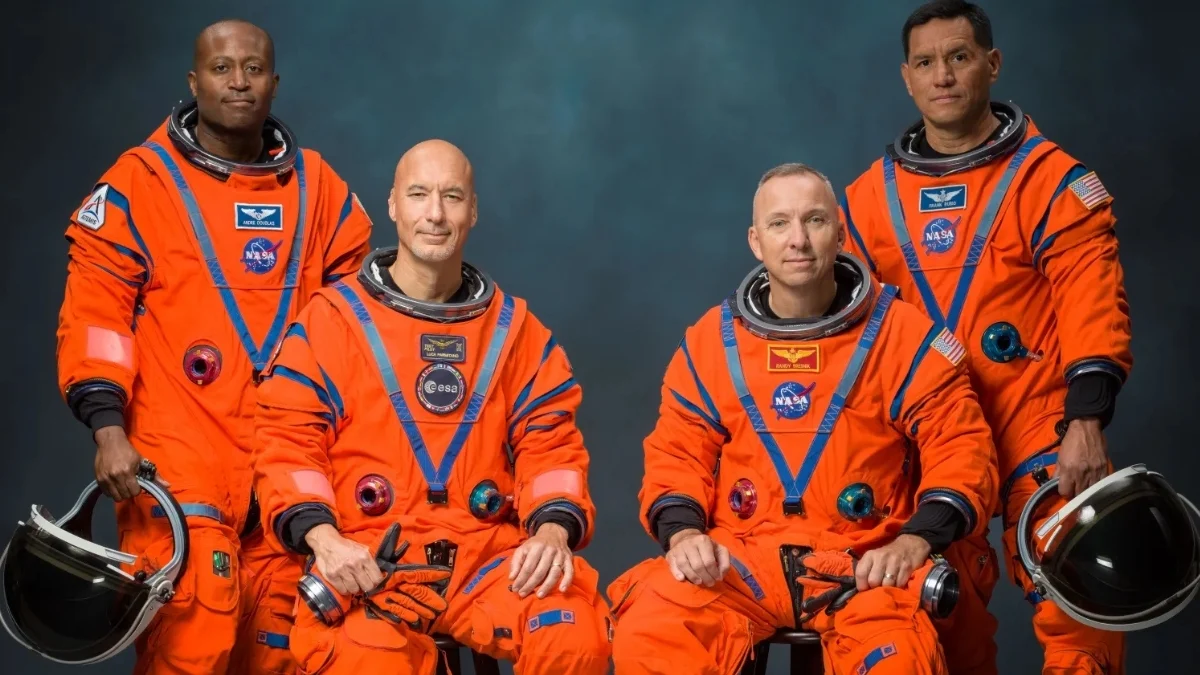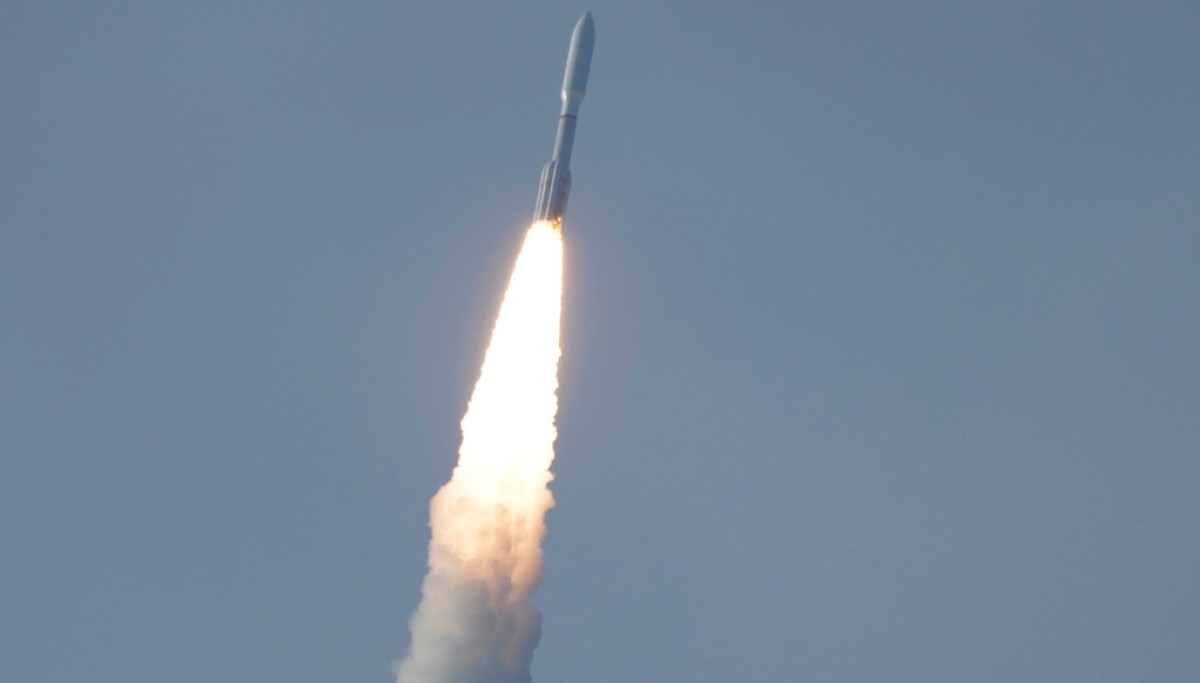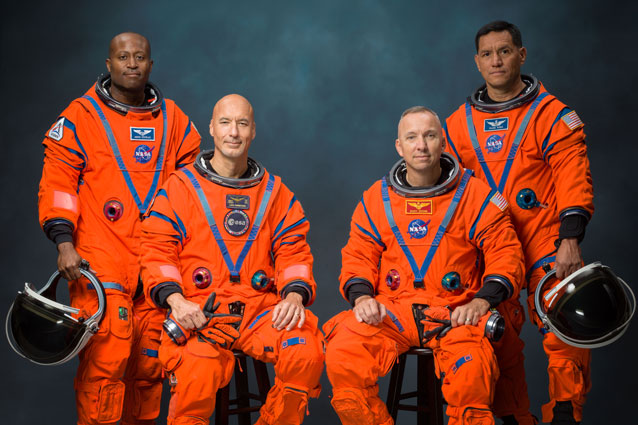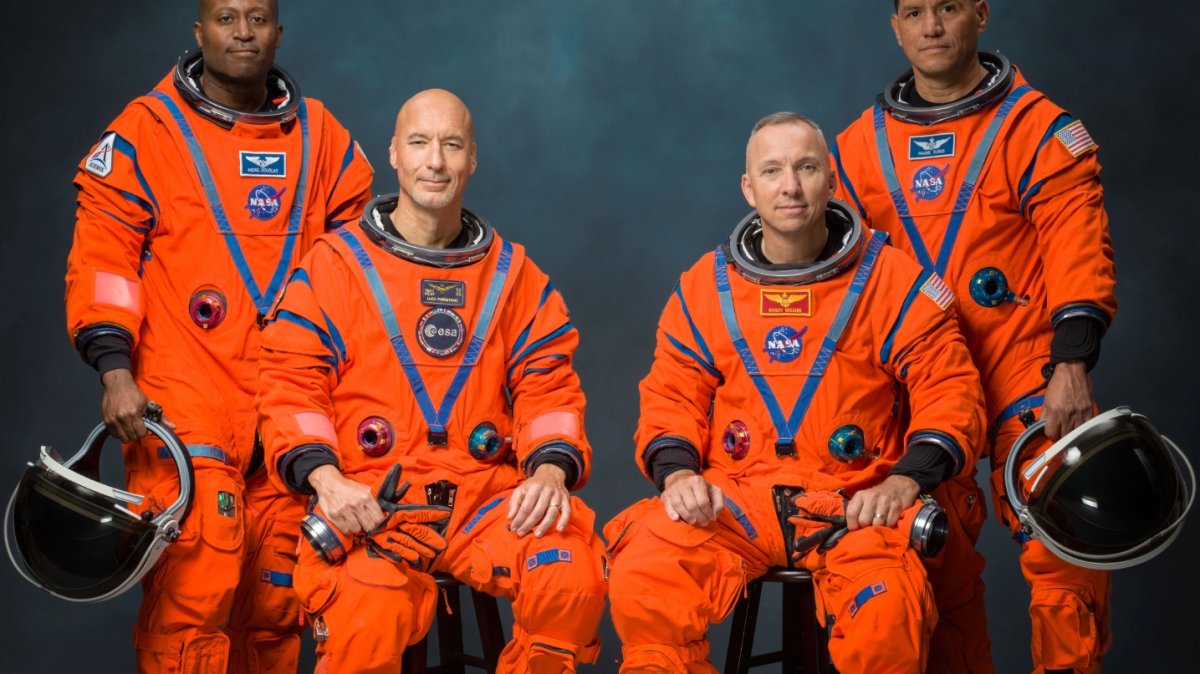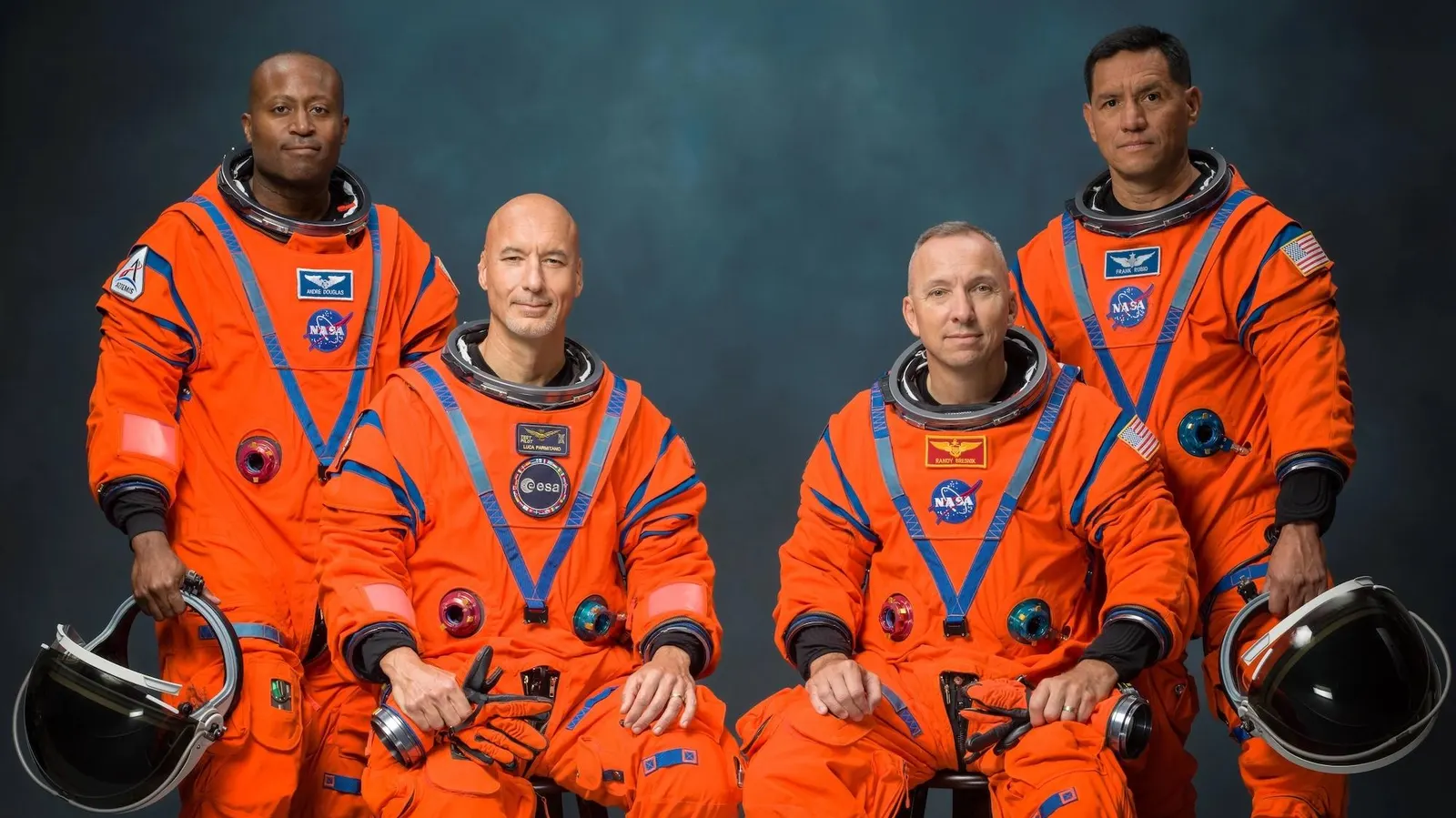
The Artemis III crew poses for an official portrait (from left: Andre Douglas, Luca Parmitano, Randy Bresnik, Frank Rubio).NASA/Bill StaffordJust a couple of months after the Artemis II mission’s successful trip around the moon, NASA has announced the prime crew for Artemis III, marking a major step toward one of the agency’s most ambitious human spaceflight missions — even as the program’s next phase takes a new shape.What Artemis III Will DoThe recently re-assigned mission, scheduled for mid-2027, will send astronauts into low Earth orbit aboard the Orion spacecraft, launched by NASA’s Space Launch System rocket from Kennedy Space Center in Florida. However, rather than landing two astronauts at the moon’s South Pole — as originally planned — Artemis III is now planned as a critical test flight. The four newly announced astronauts will focus on rendezvous and docking operations with two commercial lunar lander systems — Blue Origin’s Blue Moon and SpaceX’s Starship Human Landing System (HLS).ForbesNASA Changes Moon Plan: Landing Now Depends On SpaceX Or Blue OriginBy Jamie CarterArtemis II, Artemis IV And BeyondThe mission follows the completed Artemis II flight, which sent three American astronauts and one Canadian around the moon in a partly European Space Agency-built Orion spacecraft. That mission delivered fabulous images of Earthset, and reinvigorated NASA’s human spaceflight program. With Artemis II complete, attention now turns to what comes next: testing the systems that could help put two astronauts on the moon in 2028 and, in the years after, build a permanent lunar base.MORE FOR YOUAstronauts Randy Bresnik, Luca Parmitano of Italy and the European Space Agency, Frank Rubio and Andre Douglas greet the audience during the conclusion of the Artemis III crew reveal at the NASA Johnson Space Center on June 09, 2026 in Houston, Texas. NASA has selected the astronauts for the upcoming Artemis III mission, scheduled for 2027. The Artemis III mission will stay in low Earth orbit and demonstrate spacecraft docking capabilities. (Photo by Brandon Bell/Getty Images)Getty ImagesArtemis III Includes NASA And ESA AstronautsNASA named Randy Bresnik as commander, ESA astronaut Luca Parmitano as pilot, and NASA astronauts Andre Douglas and Frank Rubio as mission specialists. NASA astronaut Bob Hines will serve as a backup crew member and train alongside the prime crew.The assignment is especially significant for Europe. Parmitano becomes the first European Space Agency astronaut assigned to an Artemis mission. ESA’s European Service Module provides critical power and support functions for the Orion spacecraft.“Luca’s assignment as pilot reflects the depth of European expertise in human spaceflight and draws on his extensive operational experience in high-pressure situations,” said Josef Aschbacher, ESA’s director general. He added that “Europeans can take pride in being part of this exciting journey,” stressing “Europe’s enduring role at the very heart of the Artemis program.”ForbesNASA’s New Moon Base Plan Explains Why It’s Going Back To The MoonBy Jamie CarterOrion To Dock With Blue Origin And SpaceX LandersDuring Artemis III, Orion will demonstrate rendezvous and docking capabilities with test versions of both Blue Moon and Starship IHS. Blue Origin’s lander pathfinder will launch first and wait in orbit. NASA would then send the Artemis III astronauts aboard Orion to rendezvous with the test article for about two days of docked operations, including crew entry into the lander.After separating from Blue Moon, Orion will await SpaceX’s Starship pathfinder. The spacecraft would then dock for roughly a day of checkouts and technology demonstrations before Orion returns the crew to Earth for splashdown in the Pacific Ocean.If both companies are ready — and nothing is guaranteed — Artemis III could become a face-off between two competing lunar lander systems. NASA will ultimately choose whichever system best supports its Artemis IV mission to land on the moon.(L/R) NASA astronaut commander Randy Bresnik, ESA (European Space Agency) astronaut pilot Luca Parmitano, NASA astronaut mission specialist Frank Rubio, and NASA astronaut mission specialist Andre Douglas speak during a press conference announcing the crew for the Artemis III mission at NASA's Johnson Space Center in Houston, Texas, on June 9, 2026. The Italian Luca Parmitano will be the pilot of NASA's Artemis 3 voyage, the first European to join one of the program's missions. Parmitano, who will represent the European Space Agency, is one of four men named as crewmembers tasked with carrying out Artemis 3, which is targeting launch in late 2027. (Photo by RONALDO SCHEMIDT / AFP via Getty Images)AFP via Getty ImagesArtemis IV Now Carries The Moon Landing GoalThe Artemis program was formally named in 2019, when Artemis III was originally expected to land “the first woman and next man” near the lunar South Pole. Since then, Artemis I completed its uncrewed test flight in 2022 and Artemis II its crewed lunar flyby.Under the updated plan, Artemis IV is now expected to send astronauts to lunar orbit in Orion, where they would rendezvous with either Blue Moon or SpaceX IHS. Two crew members would then descend to the surface and spend about a week near the Moon’s South Pole before returning to Orion for the journey home.By testing Orion’s ability to dock with commercial landers in orbit, NASA hopes the Artemis III mission will reduce risk before asking astronauts to descend to the lunar surface. For Bresnik, Parmitano, Rubio and Douglas, their mission may not be a moon landing, but it will surely determine how soon the next one happens.Wishing you clear skies and wide eyes.
NASA Reveals Astronauts For Artemis III — And One Is Italian
NASA names the crew for 2027’s Artemis III Earth orbit mission testing Orion docking with Blue Origin and SpaceX landers ahead of future moon landing missions.
896 words~4 min read