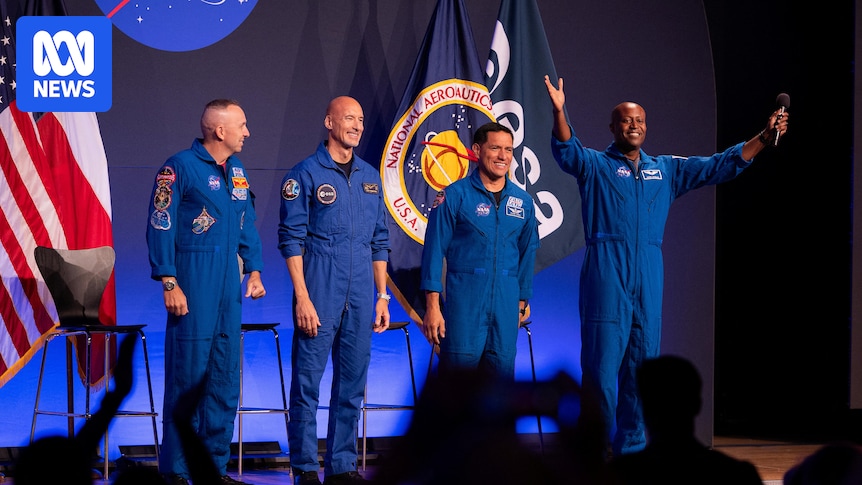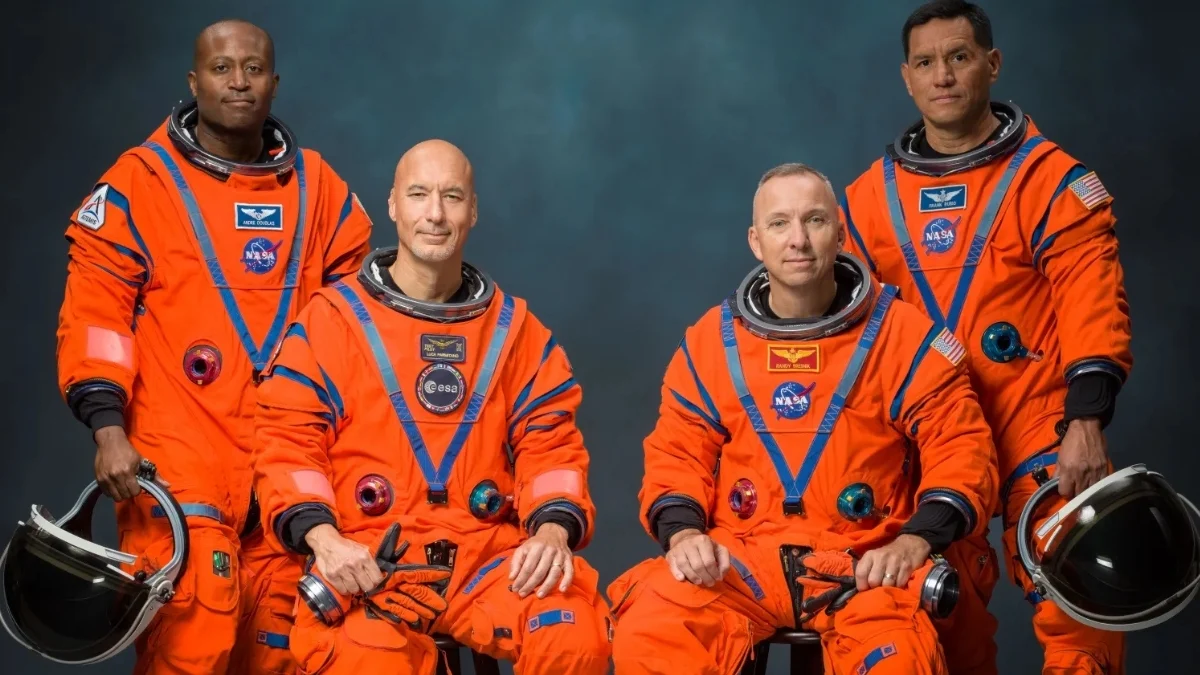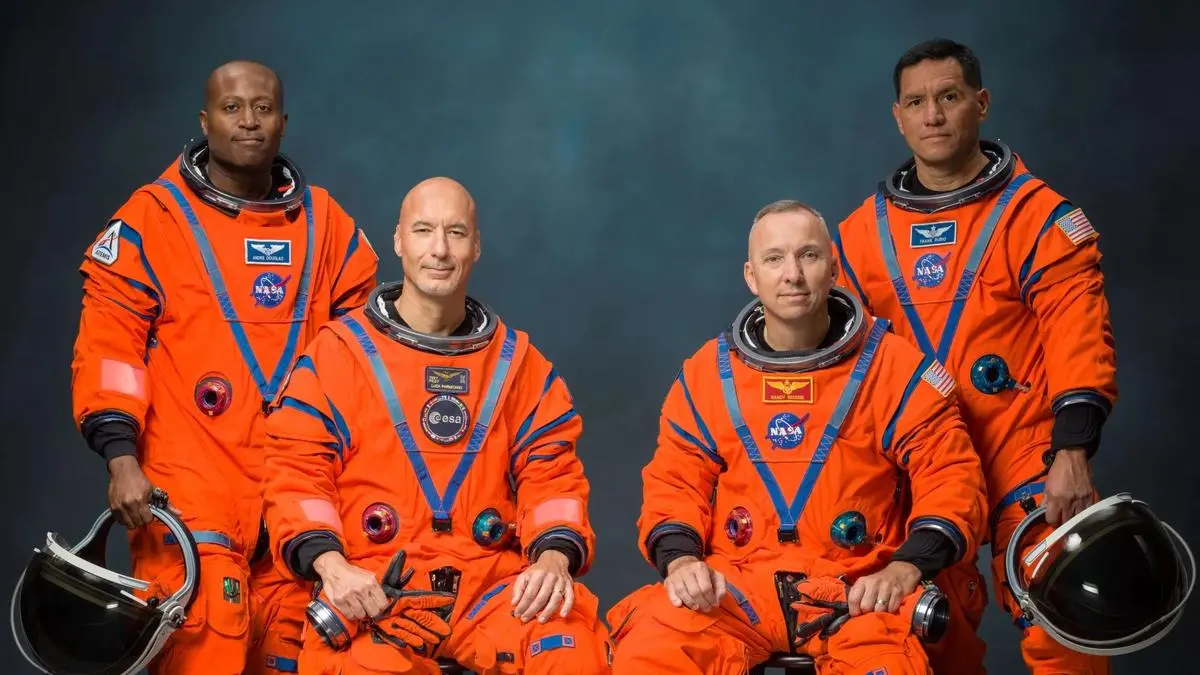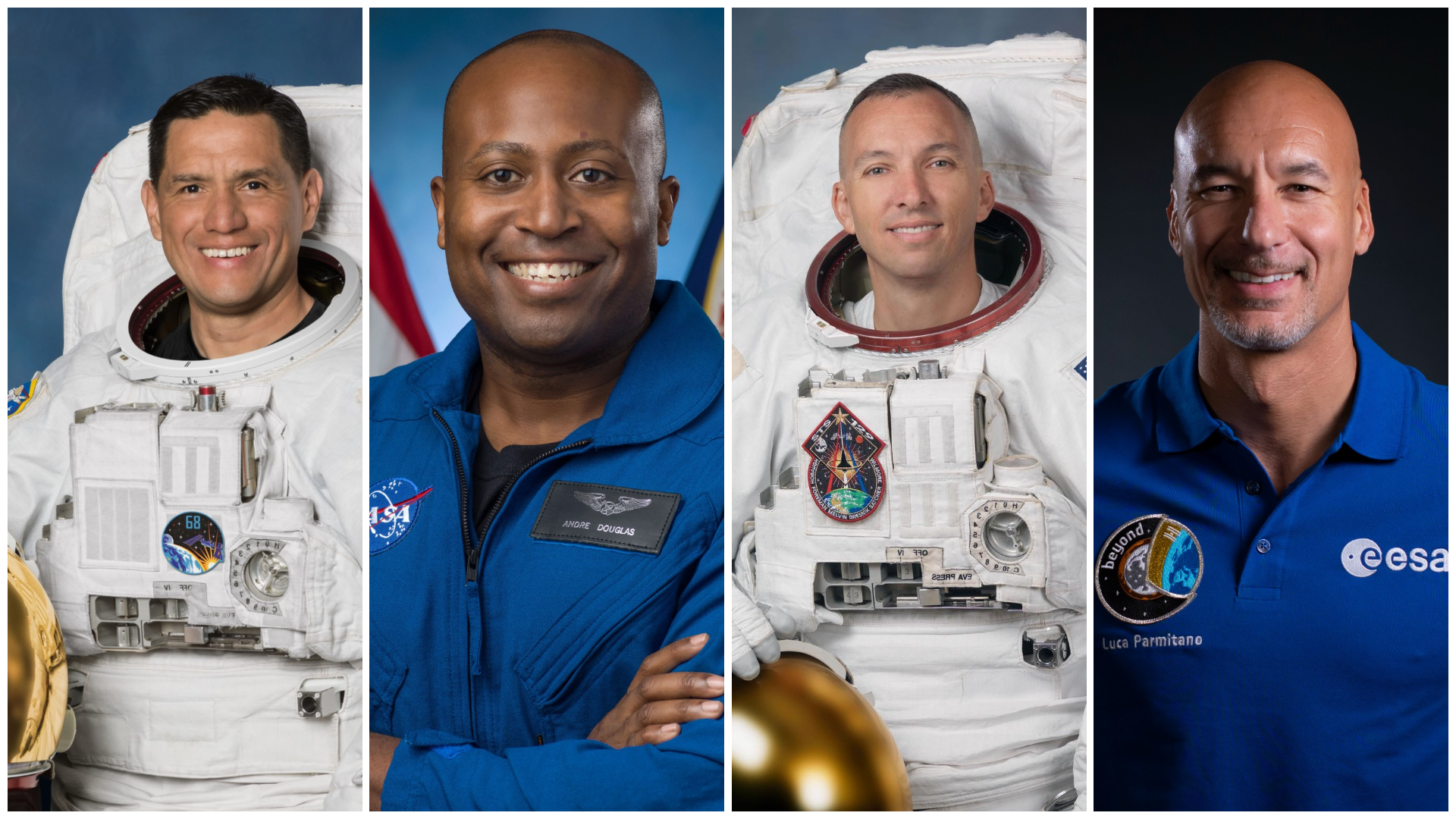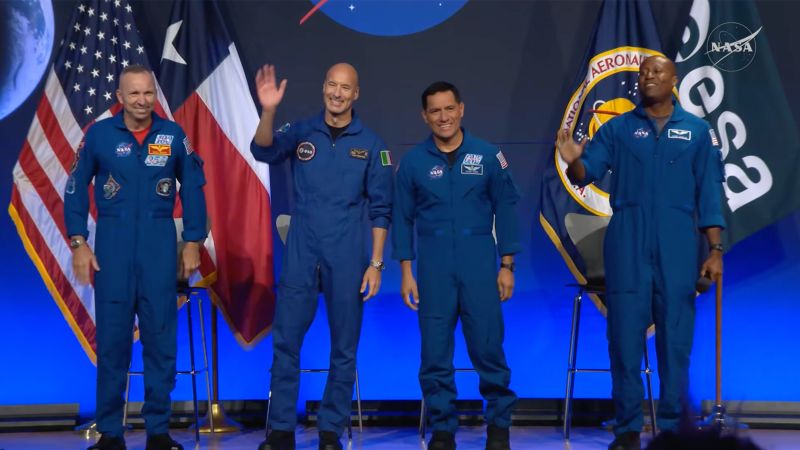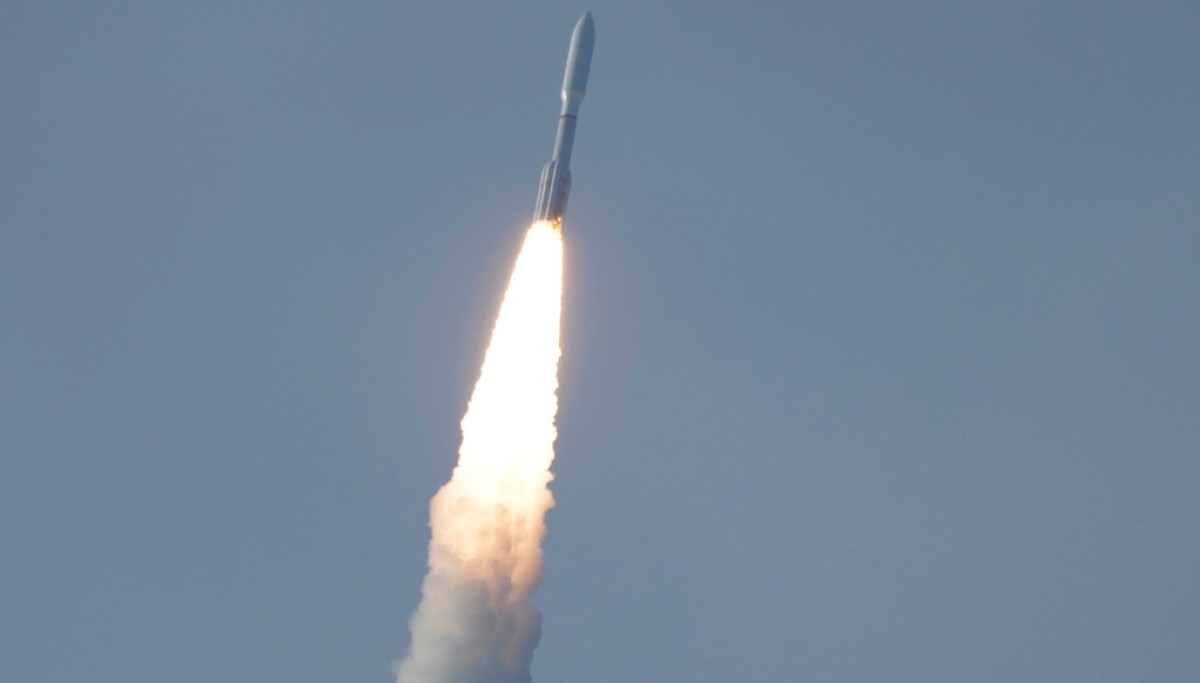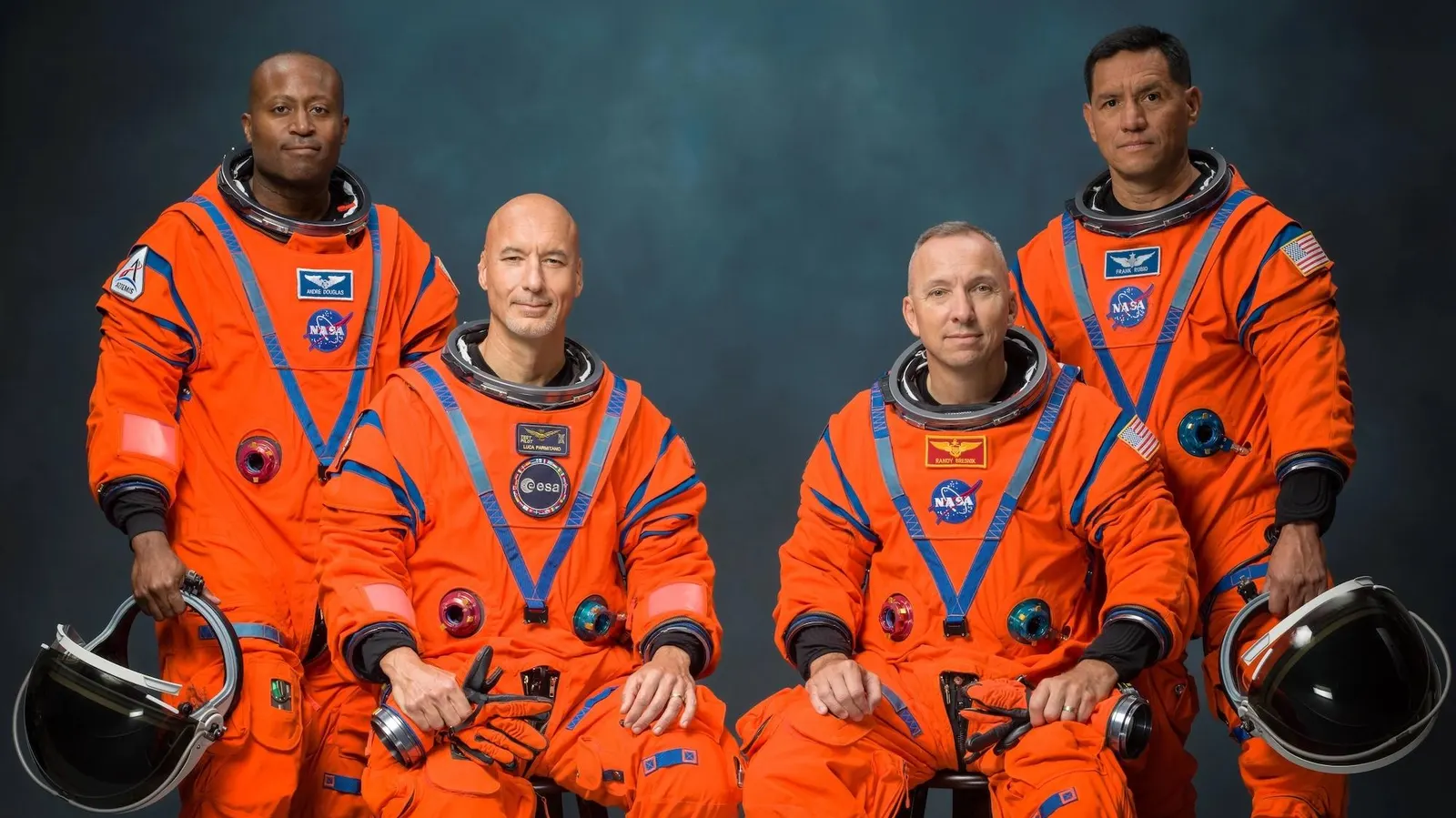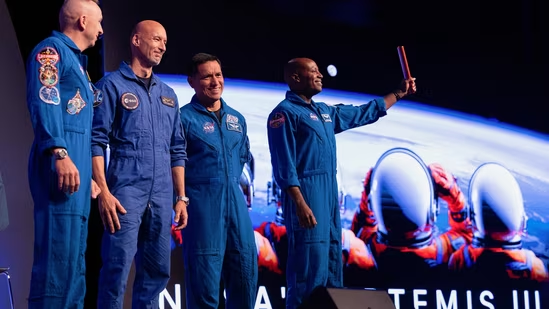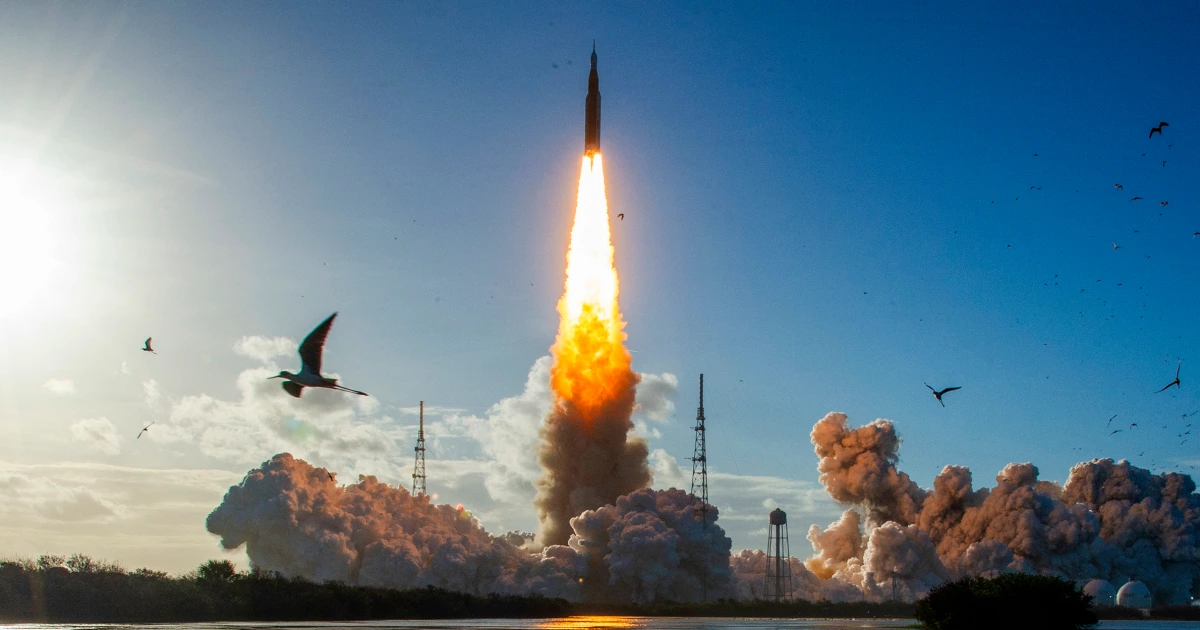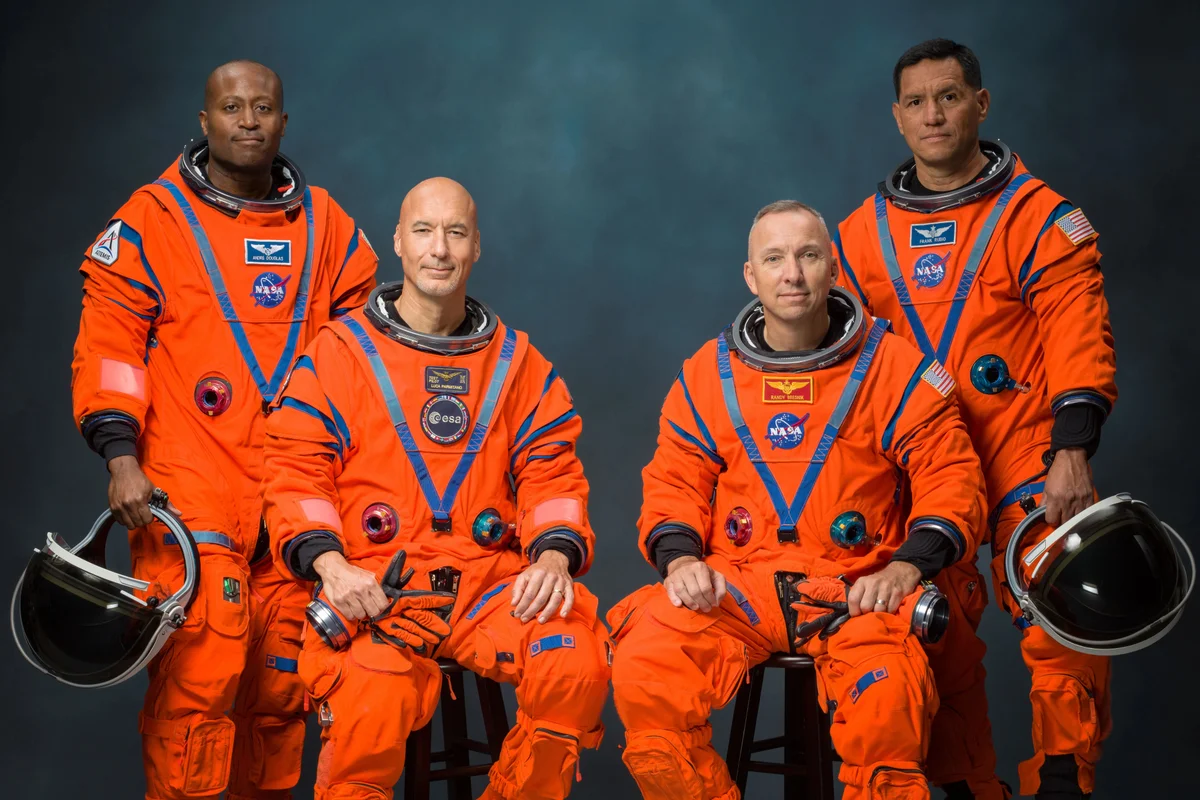
NASA on Tuesday revealed the four astronauts who will crew its upcoming Artemis III mission—the agency’s critical next step toward landing humans back on the moon for the first time in more than fifty years.The four astronauts who will fly on the mission, currently slated for 2027, are NASA astronauts Andre Douglas, Frank Rubio and Randy Bresnik and European Space Agency astronaut Luca Parmitano.Douglas is a spaceflight rookie who will serve as mission specialist alongside Rubio, who holds the record for the American with the longest spaceflight. Parmitano will be the mission’s pilot, and Bresnik will be mission commander. Should any need to pull out of the mission, the back-up crew member is NASA astronaut Bob Hines.On supporting science journalismIf you're enjoying this article, consider supporting our award-winning journalism by subscribing. By purchasing a subscription you are helping to ensure the future of impactful stories about the discoveries and ideas shaping our world today.According to NASA’s official timeline, Artemis III could launch as early as the second half of 2027, but many experts expect that schedule to slip. Originally conceived as the first U.S. crewed moon landing since 1972’s Apollo 17, NASA overhauled the mission’s scope earlier this year to make it a test flight in low-Earth orbit. There, the four astronauts will seek to rendezvous NASA’s Orion crew capsule with two separate Human Landing System (HLS) vehicles. In future Artemis missions, such HLS spacecraft would ferry crews from lunar orbit to the surface of the moon and back.“Artemis III is an incredibly exciting, complicated, and highly coordinated multi-launch campaign. It's going to happen in a short period of time with three of the world's most powerful rockets,” said Jeremy Parsons, NASA’s Acting Assistant Deputy Associate Administrator for the Moon to Mars Program Office.The mission will begin with the launch of Blue Origin's lander test vehicle, which Parsons said can “loiter” in space for up to 90 days. The, the crew will launch inside the Orion capsule via the space agency’s Space Launch System rocket. Then, they will orbit in a circular trajectory around Earth, before attempting to rendezvous the Orion capsule with the Blue Origin lander. The paired spacecraft will spend around two days together, enabling technology demonstrations and tests—including inside the Blue Origin spacecraft, said Parsons.After that, the Orion capsule will detach from the Blue Origin spacecraft and perform a similar meet-up and demonstration with a version of SpaceX’s Starship V3.“This gives our teams key information on systems the lunar lander crew will depend on in an all in an environment close to home versus four plus days away around the moon,” Parsons said. “This mission is deliberately designed to take calculated risks, so that future crews will be safer and ultimately successful when we put boots on the lunar surface.”During their mission, the crew will spend around two weeks inside their Orion capsule—about four days more than their predecessors did on April’s Artemis II mission, a nearly ten-day voyage that took four other astronauts looping around the moon’s far side.Artemis III’s objectives also include a spacewalk and other tests of the agency’s latest spacesuits, which are being designed and made by the aerospace company Axiom Space and the fashion firm Prada. The basic outline is similar in sequence and scope to Apollo 9, a 1969 mission preceded by the moon-orbiting Apollo 8 that was a critical precursor to Apollo 11, the first-ever human moon landing later that year.For now, NASA’s human return to the moon is planned for late 2028, via the Artemis IV mission. NASA chief Jared Isaacman said at the Tuesday event that Artemis III would be critical to getting into the rhythm necessary to make that and future moon missions achievable.The Artemis III crew “are carrying, carrying forward the hopes and dreams of the next generation, just as the Apollo astronauts did for so many of us,” Isaacman said. “When Eugene Cernan left the lunar surface on Apollo 17, he said, ‘We leave as we came, and God willing, we shall return with peace and hope for all mankind.’ Now it's taken a little bit longer than he may have imagined, but we are returning, and we do so with the experience of Apollo, the lessons of Artemis II, the crew now of Artemis III, and the promise of what lies ahead, and our collective effort to build out humanity's first outpost on another world.”Both SpaceX and Blue Origin are vying to supply the HLS; SpaceX’s lander is a variant of its enormous Starship rocket, which has yet to fully reach Earth orbit despite a dozen test flights. Blue Origin’s HLS contribution is its in-development Blue Moon lander, which would liftoff on the company’s huge New Glenn rocket. That latter plan, however, suffered a major setback after a New Glenn exploded during testing on the company’s launchpad on May 28, destroying some of Blue Origin’s mission-critical infrastructure. The company’s CEO David Limp has vowed that New Glenn will return to flight before the end of this year—a sentiment echoed on Tuesday by John Couluris, Blue Origin’s Senior Vice President of Lunar Permanence.Even if both companies manage to meet those ambitious deadlines in time for Artemis III, other hurdles remain. To actually get crews to the lunar surface and back, Starship and Blue Moon alike would require in-space refueling—a scarcely tested maneuver that carries significant risks and the possibility for further delays. At the same event, SpaceX’s Senior Vice President of Customer Operations and Integration Jessica Jensen said the company will attempt a fuel transfer in space later this year. SpaceX CEO Elon Musk is targeting late 2026 for Starship’s next launch.Artemis III won’t test refueling even under ideal circumstances, which suggests that capability will require further uncrewed test flights of both HLS systems before either one can be used for a crewed lunar return.“Let me assure you, NASA is taking an active role with all of our partners, contractors, and vendors to help solve the problems that are here today and ensure the right outcomes are achieved,” said Parsons.Jensen said SpaceX is planning to use a Starship V3 with a docking mod borrowed from its Crew Dragon capsule, which SpaceX uses to ferry NASA astronauts to the International Space Station, for Artemis III. The firm is also building a Starship HLS cabin at Starbase to further test its systems on Earth before a moon landing.Isaacman said that the agency would release a further update on its moon base plans in the coming weeks.
NASA reveals astronauts who will fly Artemis III, its next step toward a moon landing
NASA’s Artemis III crew includes three NASA astronauts and one European Space Agency astronaut
1,079 words~5 min read