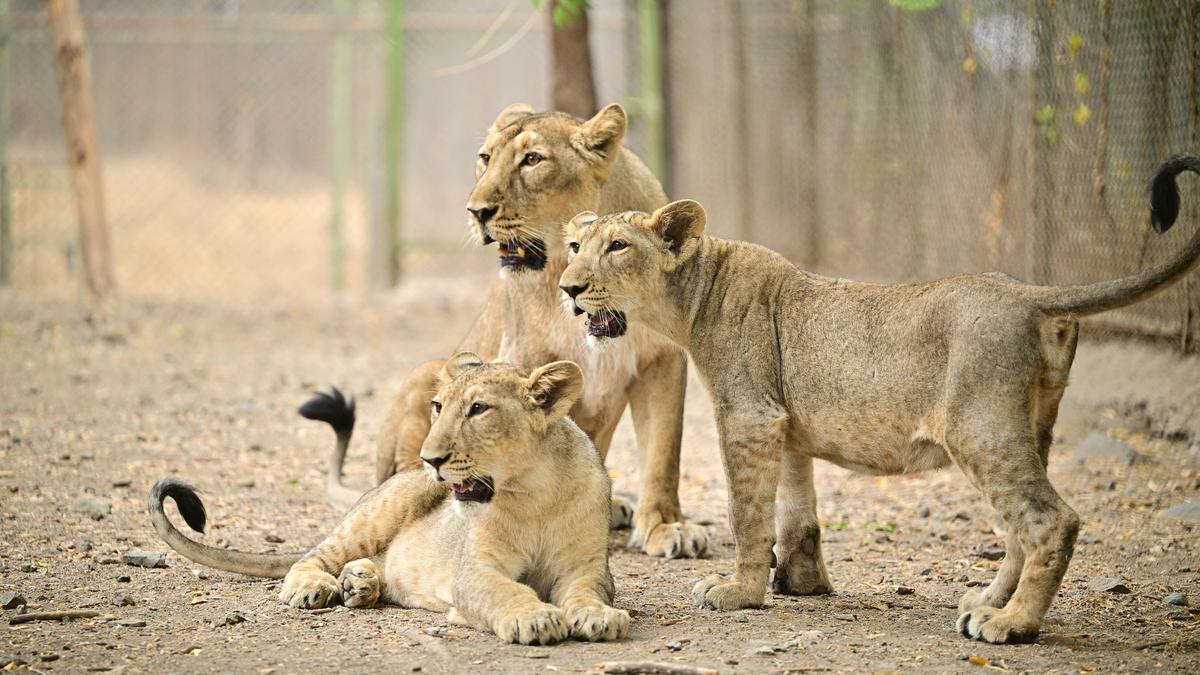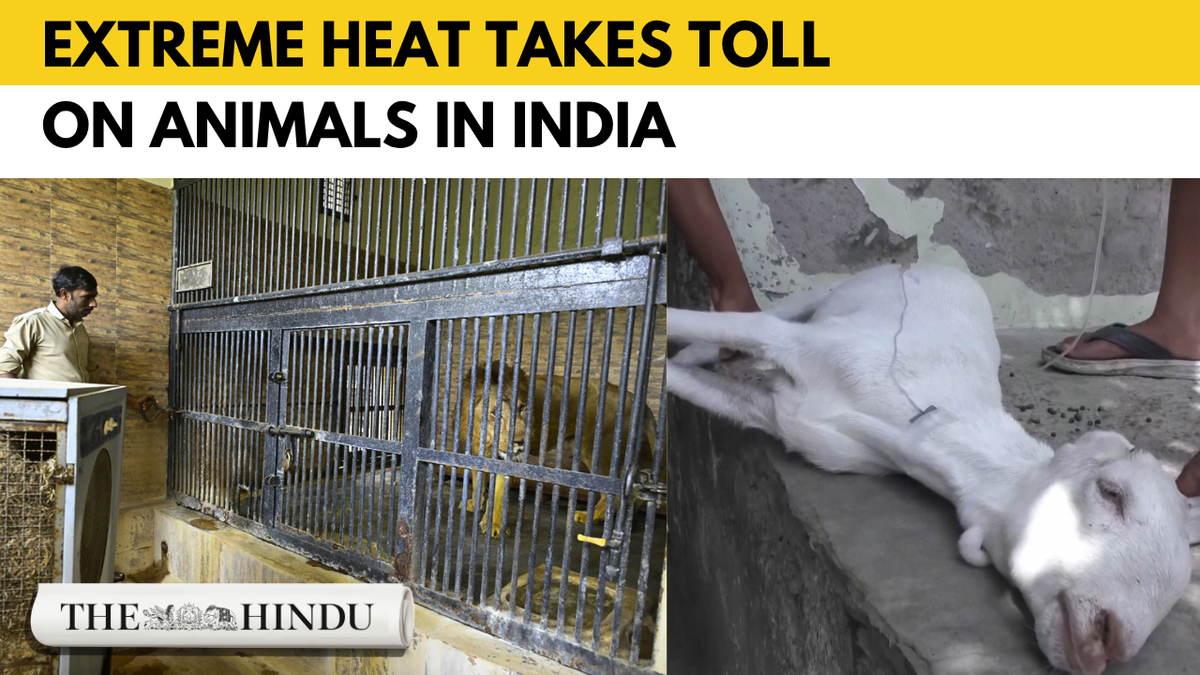
At the end of May, eight endangered Asiatic lions died at a national park in India. Officials feared the animals had succumbed to a tick-borne parasitic disease that previously killed lions in the area.
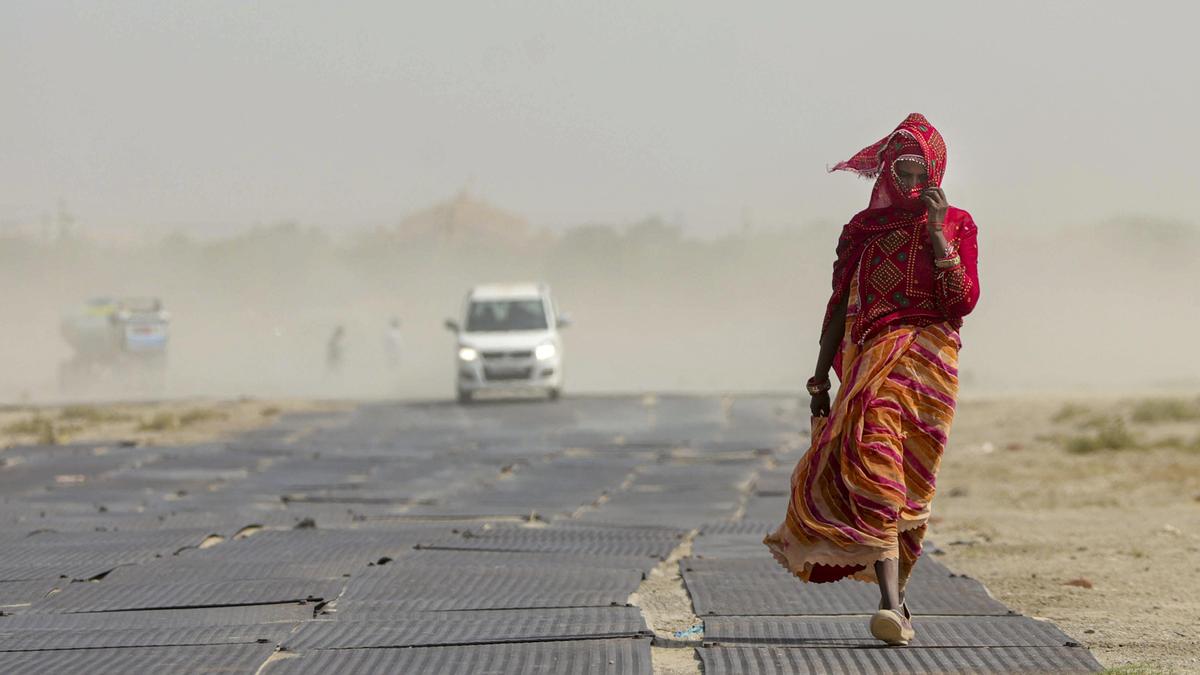
But over the weekend, the Gujarat government announced that the lions’ real killer was extreme heat, The Hindu reports. These casualties add to a mounting heat-related death toll for animal species around the world as climate change accelerates. Even the animals that survive rising temperatures often face other threats connected to heat, from reproductive issues to cognitive disruption.
A new early warning system aims to forecast when and where terrestrial vertebrate species will be exposed to extreme heat up to nine months in advance, which could give governments a chance to help the animals most at risk. But experts say even with this information, the heat issue may prove too difficult to combat if temperatures continue to rise at their current pace.
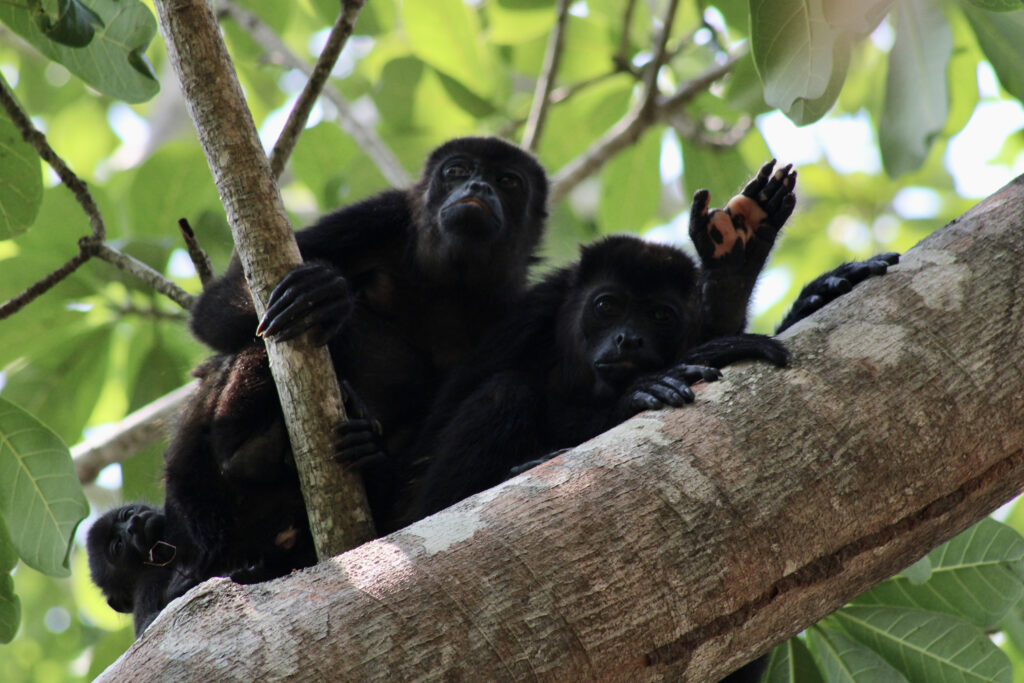
In recent years, extreme heat has devastated species across the animal kingdom. Howler monkeys suffering from heat stroke fell from trees in Mexico, thousands of flying foxes perished during a heat wave in Australia and millions of marine creatures boiled and starved off the United States West Coast and Alaska when ocean temperatures skyrocketed between 2014 and 2016.