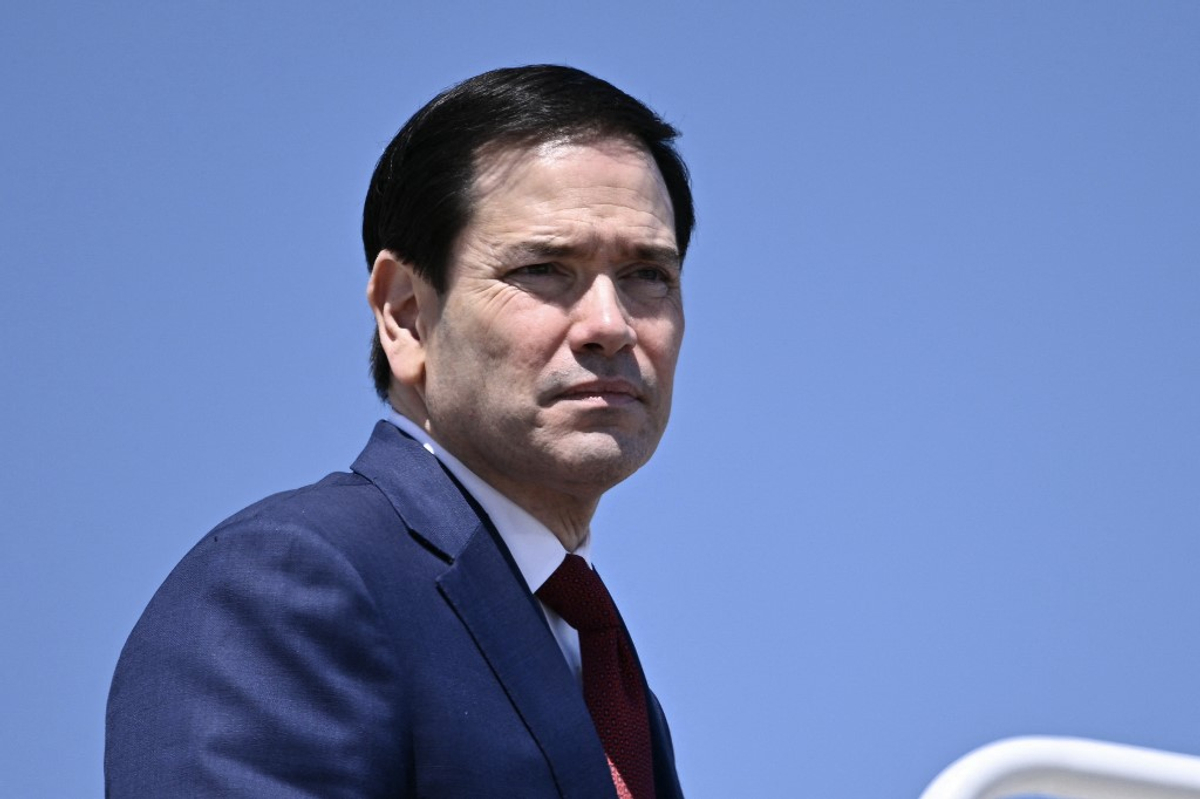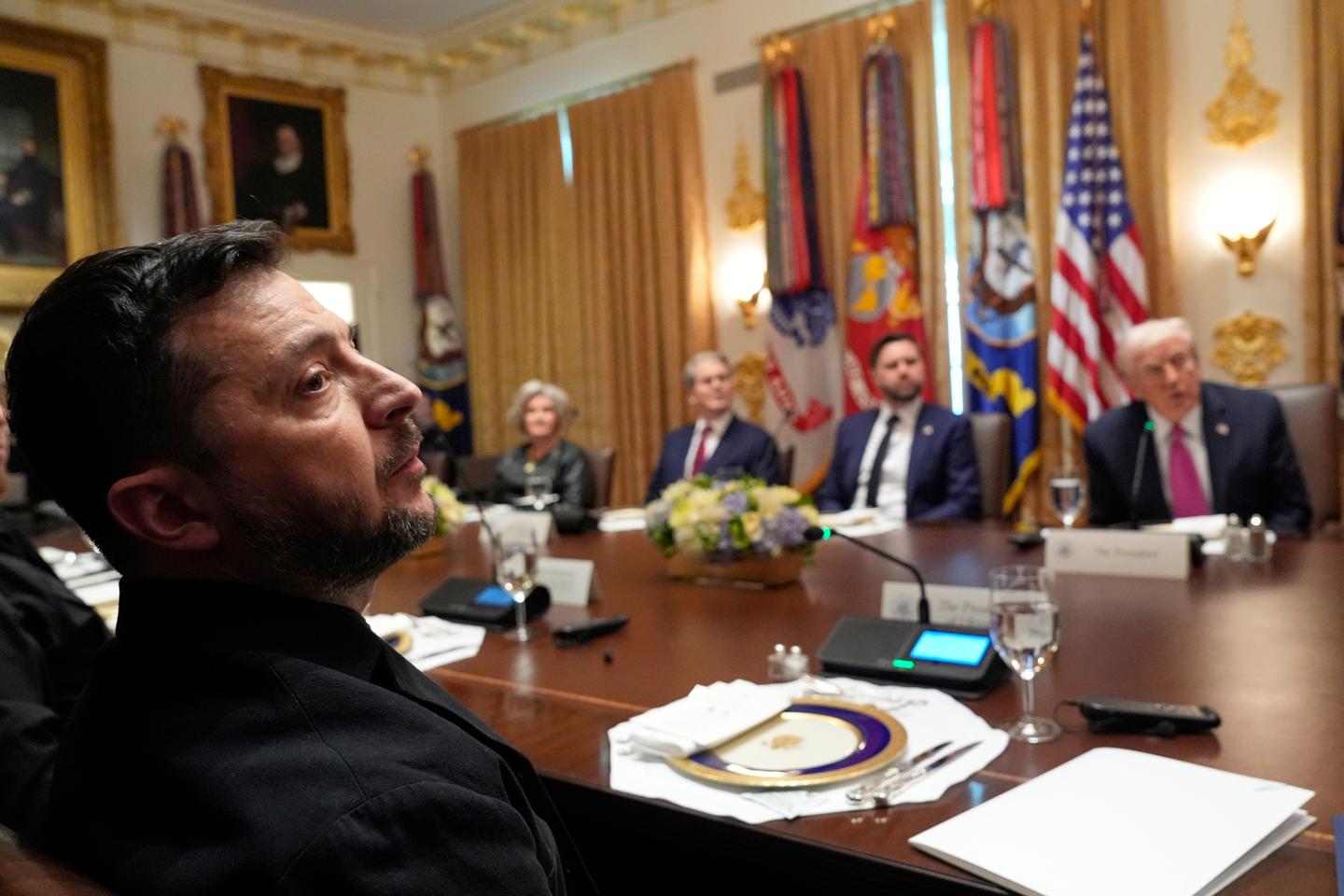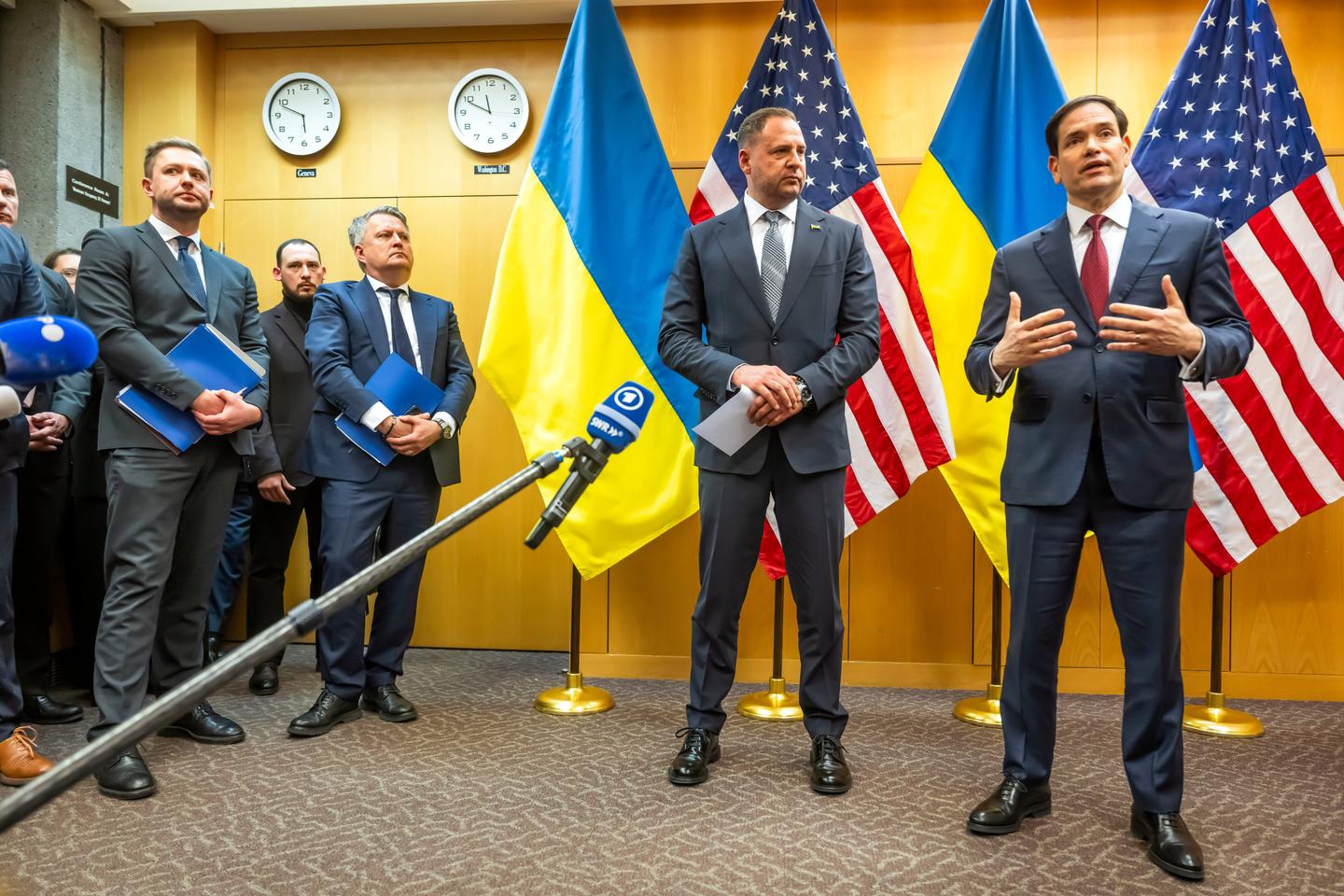
The recent statement by U.S. Secretary of State Marco Rubio about Washington suspending its participation in negotiations on the Russia-Ukraine war has once again brought attention back to U.S.-Ukraine relations. In less than a year and a half of U.S. President Donald Trump’s second term, relations between Washington and Kyiv have changed noticeably. Even before returning to the White House, Trump had taken a pragmatic position on Ukraine, one that differed from the approach of his predecessor, Joe Biden. His line was based on ending unconditional aid to Kyiv, shifting the financial burden onto Europe, and opening direct dialogue with the Kremlin to free up U.S. resources for containing China.
Both Moscow and Kyiv tried to establish a working relationship with Trump well in advance. The Kremlin banked on economic deals and personal flattery. Kyiv, in contrast, argued that Ukraine is not a burden but a valuable partner with unique combat experience, modern technology and significant economic potential. On a personal level, Trump has long viewed Moscow as the stronger player. Yet the White House could not completely ignore Ukraine because of the pressure coming from the U.S. Congress, the American public and European allies.