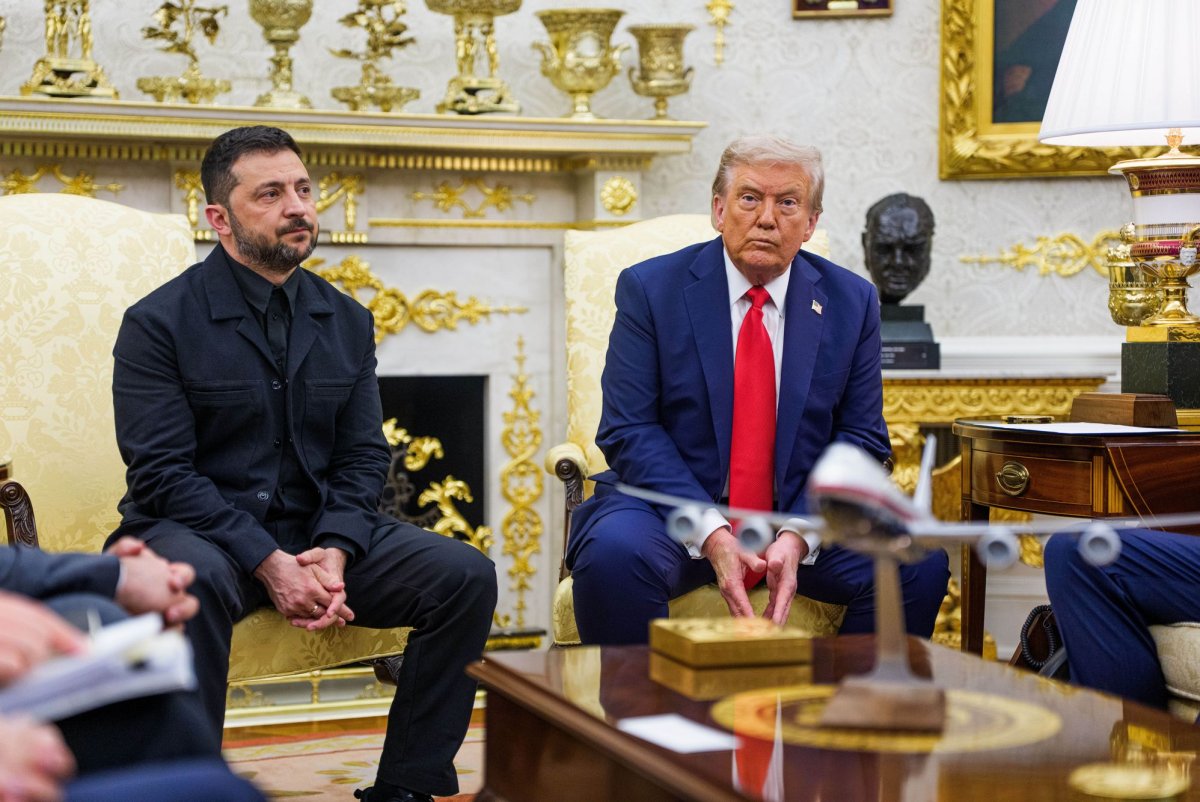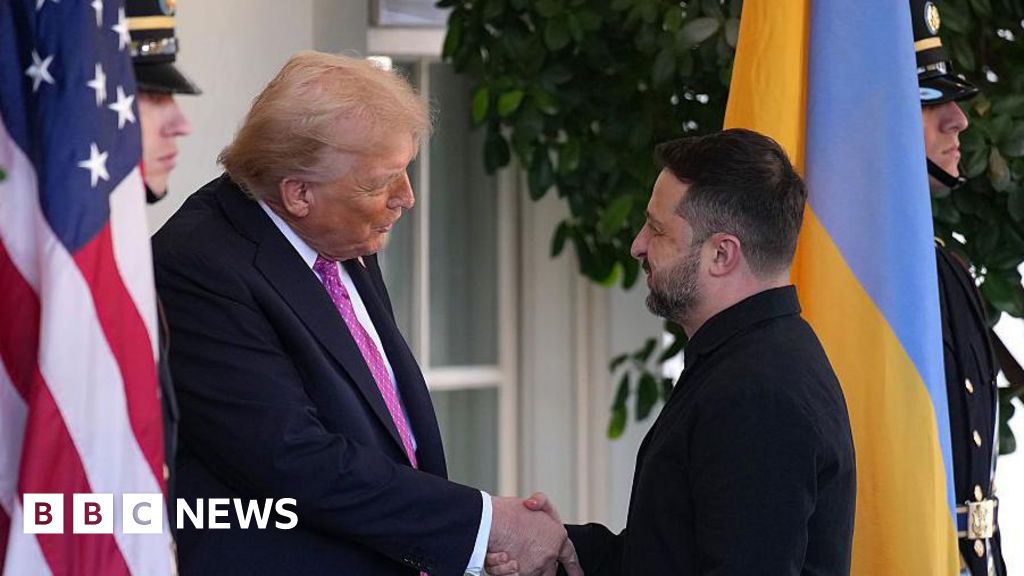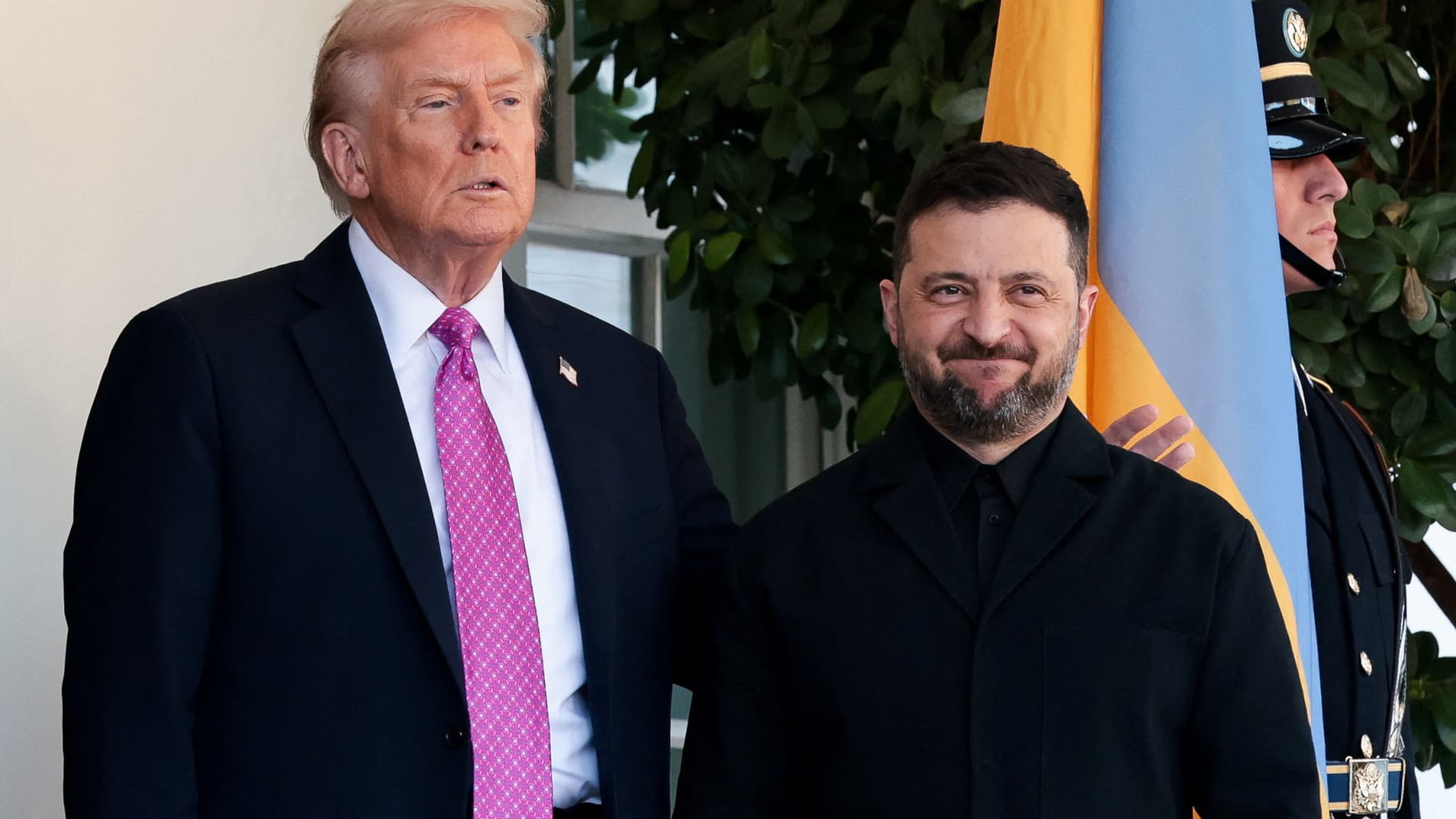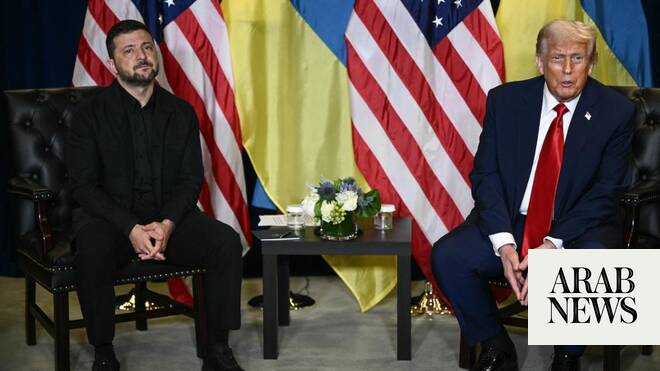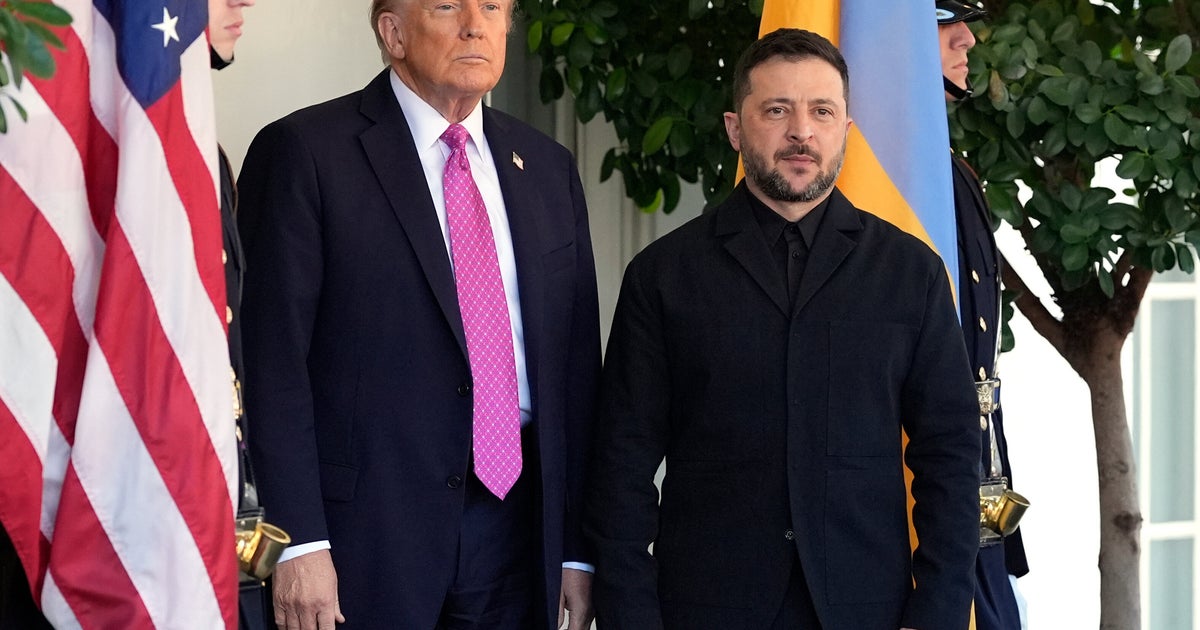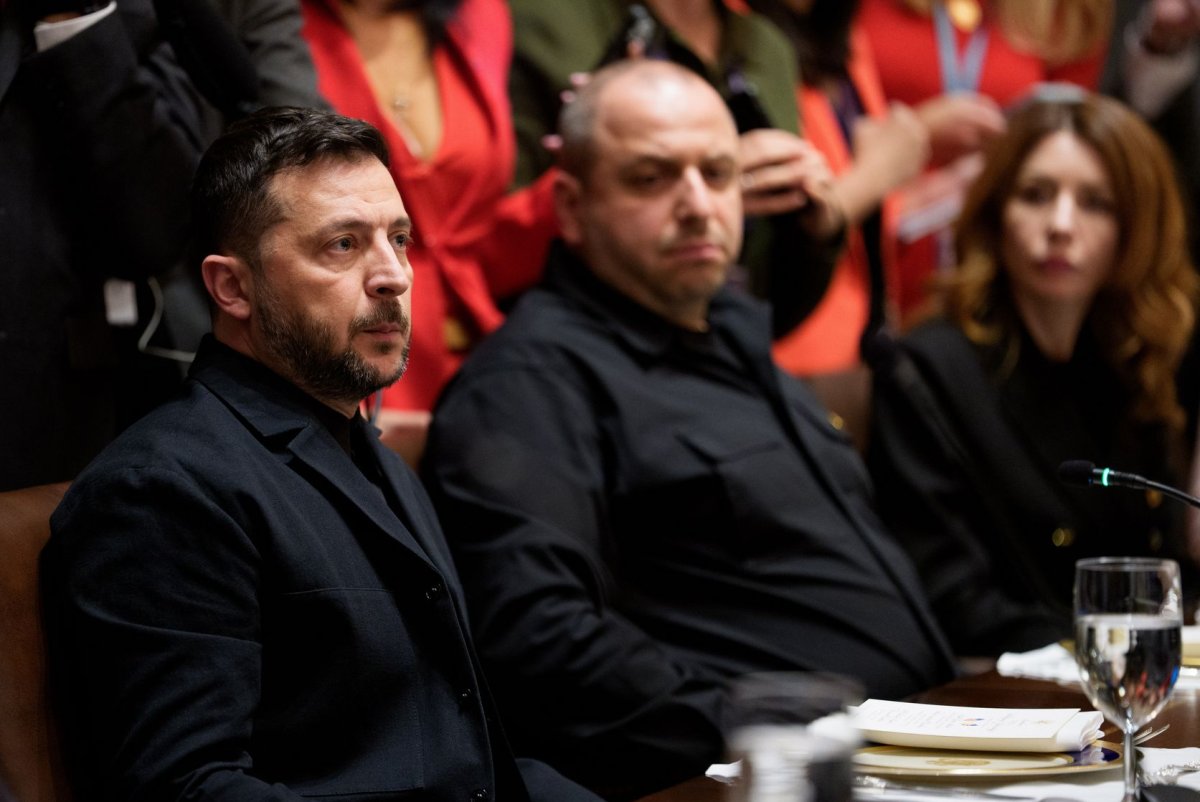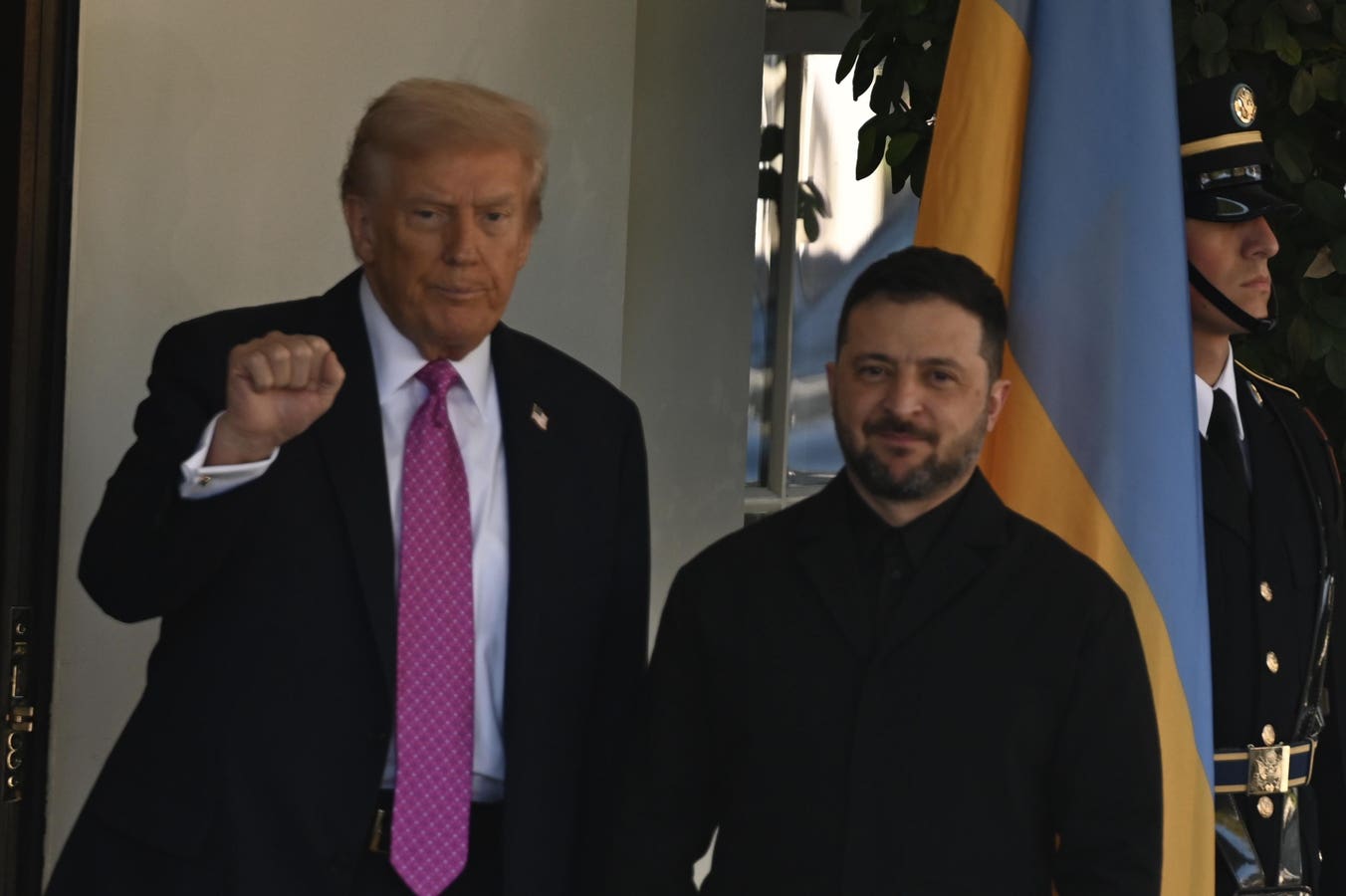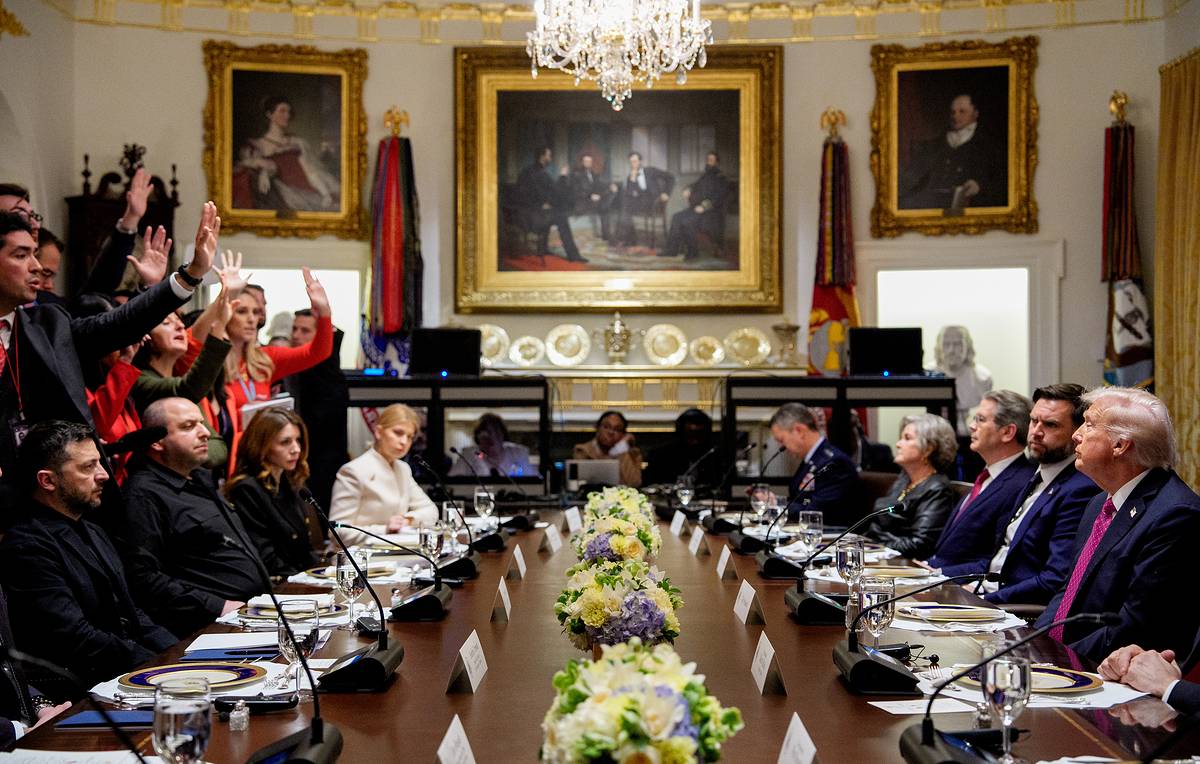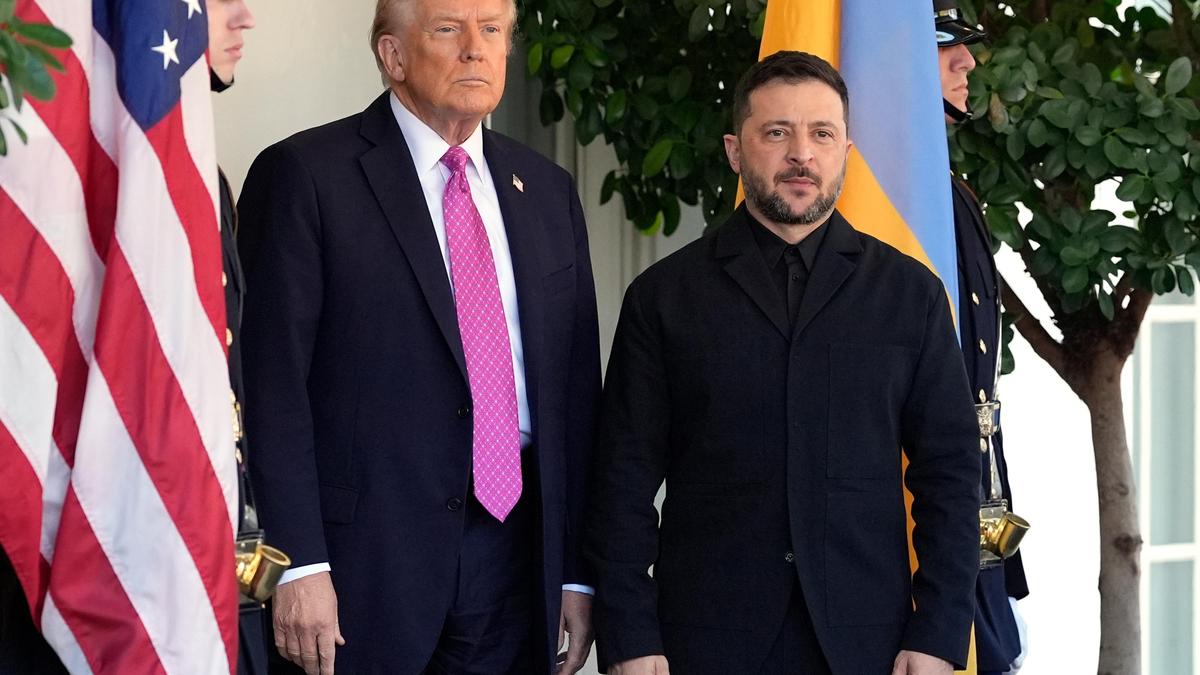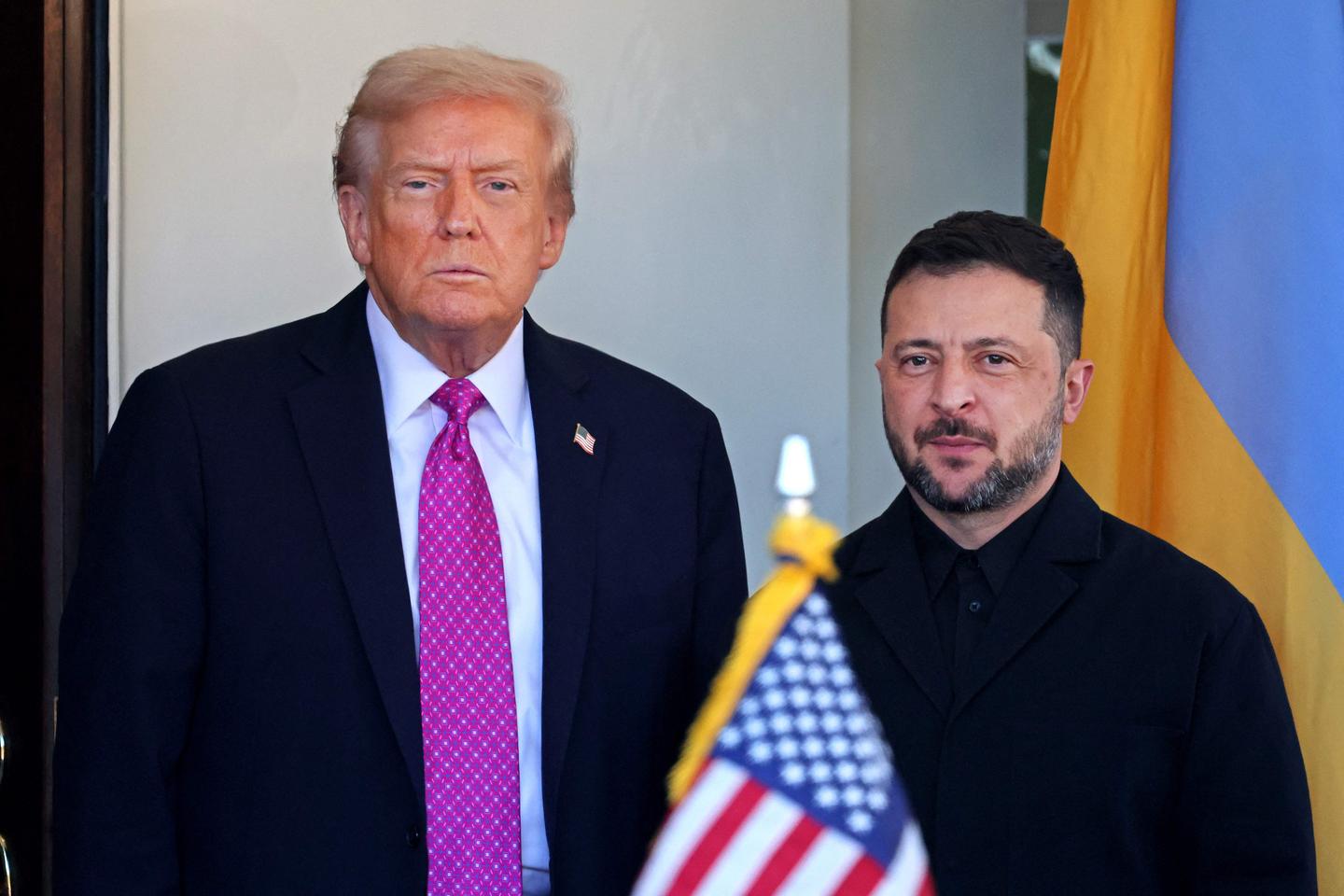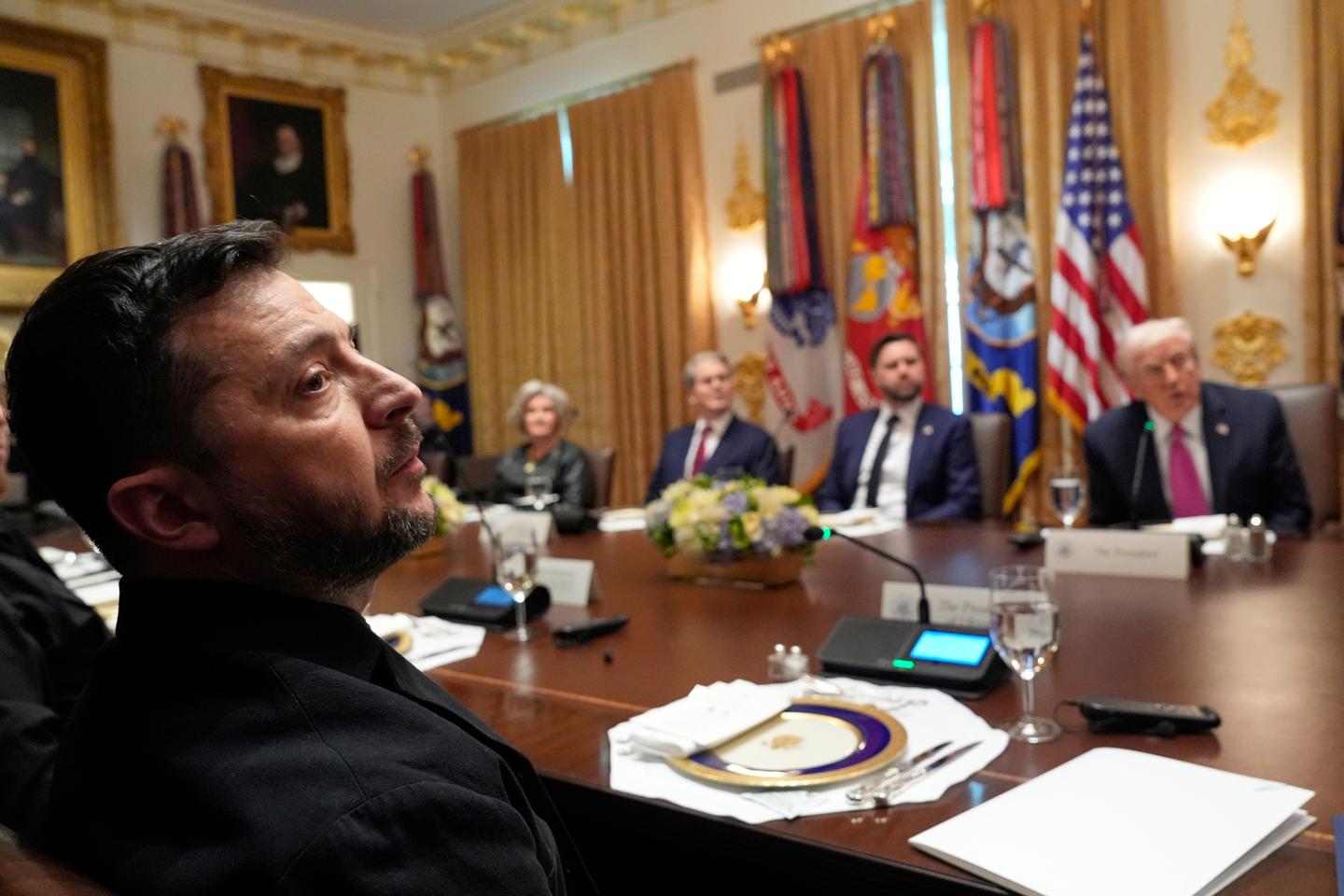
Ukrainian President Volodymyr Zelensky and his American counterpart, Donald Trump, during a lunch at the White House in Washington, October 17, 2025. ALEX BRANDON/AP
The backtracking was apparent. After signaling in recent weeks that he was ready to increase pressure on Russia, Donald Trump backed down. Buoyed by his diplomatic success in the Middle East and the release of the last hostages held by Hamas, the American leader instead chose to rely on the power of persuasion.
"I think President Putin wants to end the war," he said on Friday, October 17, while welcoming his Ukrainian counterpart, Volodymyr Zelensky, to the White House. The former real estate mogul had spoken with the Russian leader the previous day. Confronted with Trump's renewed posture of neutrality – despite having been misled by the Kremlin for the past eight months – his Ukrainian guest showed restraint but disagreed. "We want peace. Putin doesn't want," said Zelensky on camera. "That's why we need pressure on him."
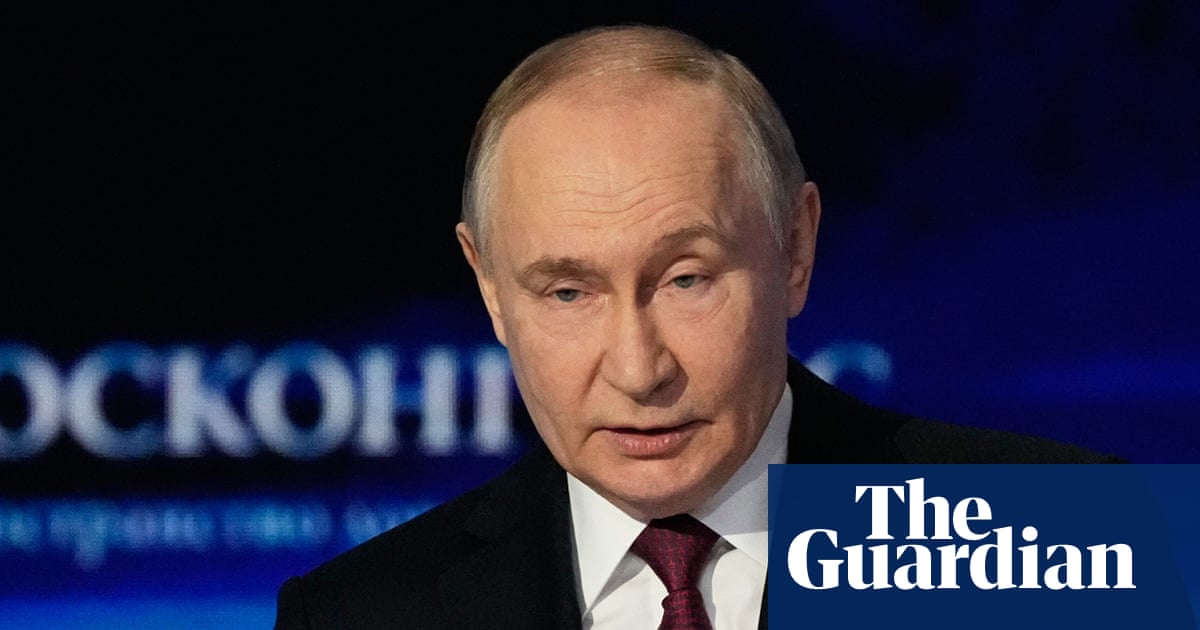
On Thursday, the US president wrote on his Truth Social network that his phone conversation with Putin had yielded "great progress." The Russian leader congratulated him on the fragile and incomplete peace deal in Gaza, and praised Melania Trump's advocacy for Ukrainian children, who had been abducted by Moscow.