Published on
09/06/2026 - 22:28 GMT+2
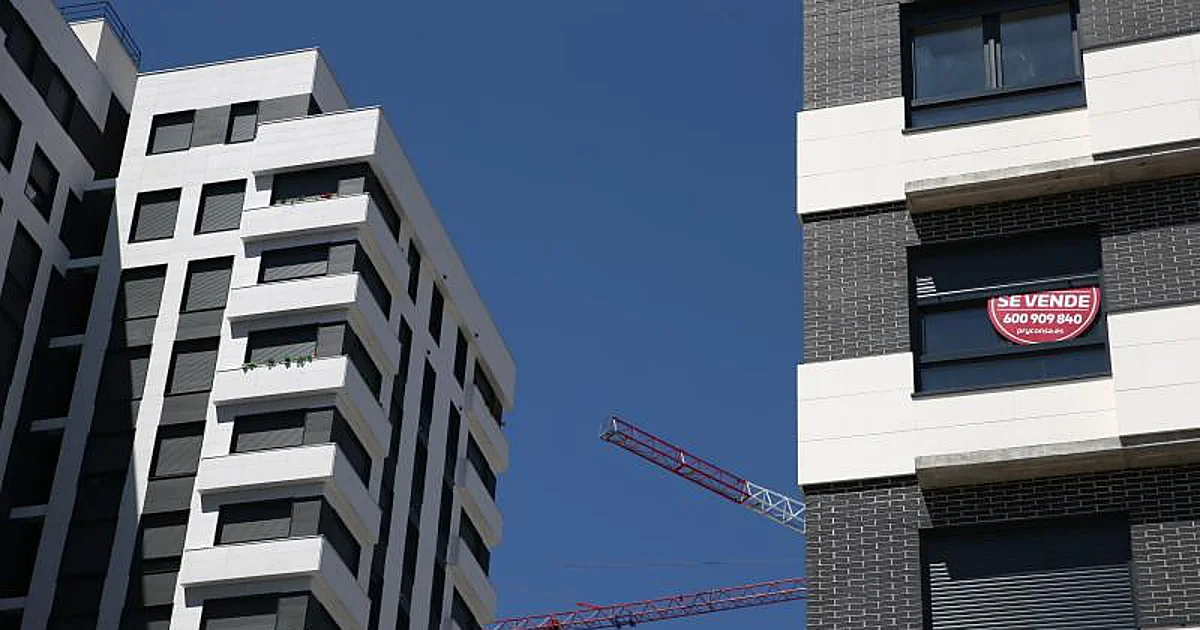
The evidence of the housing crisis Spain is facing is plain for all to see. In the rental market, rents have risen by around 30% since 2022, according to the CIS, while new housing construction - PwC data - has been stuck at record lows since 2010, averaging 83,000 homes a year compared with 315,000 on average between 1970 and 2010. What is more, the stock of public housing is clearly inadequate, according to the Bank of Spain: between 1.5% and 3.3% of the total, compared with an EU average of 9.3%.
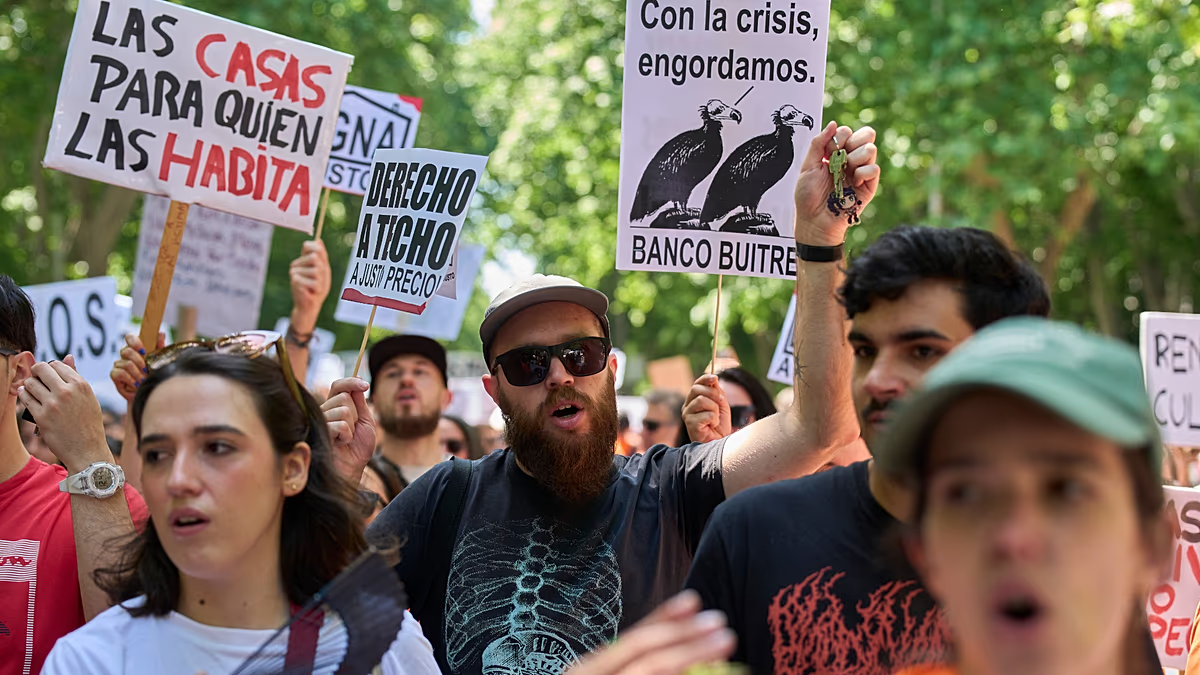
Warnings are now coming even from within the property sector itself, long criticised by platforms such as the Tenants' Union for failing to take robust action against vulture funds or the eviction of vulnerable people. Property portal Fotocasa, which intermediates sales and lettings, estimates that Spaniards who rent their homes spent on average 50% of their salary on rent in 2025.
These figures (based on average salaries in job adverts posted on the InfoJobs platform, a snapshot that is not especially realistic) are higher than in other similar studies. The Funcas think tank (source in Spanish) believes that young people, one of the groups hardest hit, devote around 35% of their budget to rent: still two points above the maximum economists usually recommend for this type of expense, namely no more than a third of income.