Give Europe credit for stepping up when many doubted it could. Since Donald Trump cut American military aid to Ukraine, Europe has managed to fill the breach. It is accelerating the flow of money and arms eastward, while stiffening sanctions on the Russian aggressor. Partly as a result of European help, Russia’s grim losses on the battlefield are putting pressure on Vladimir Putin. With American diplomatic efforts to end the war fizzling, some in Europe are asking whether it is time for them to take the lead and talk to the Russian leader.
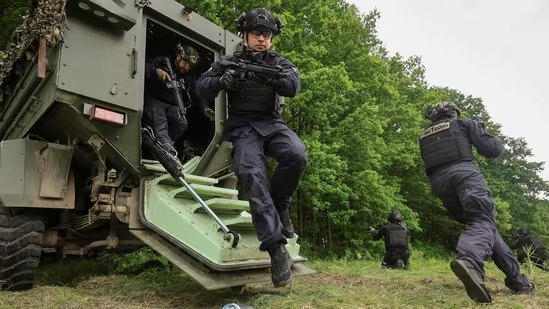
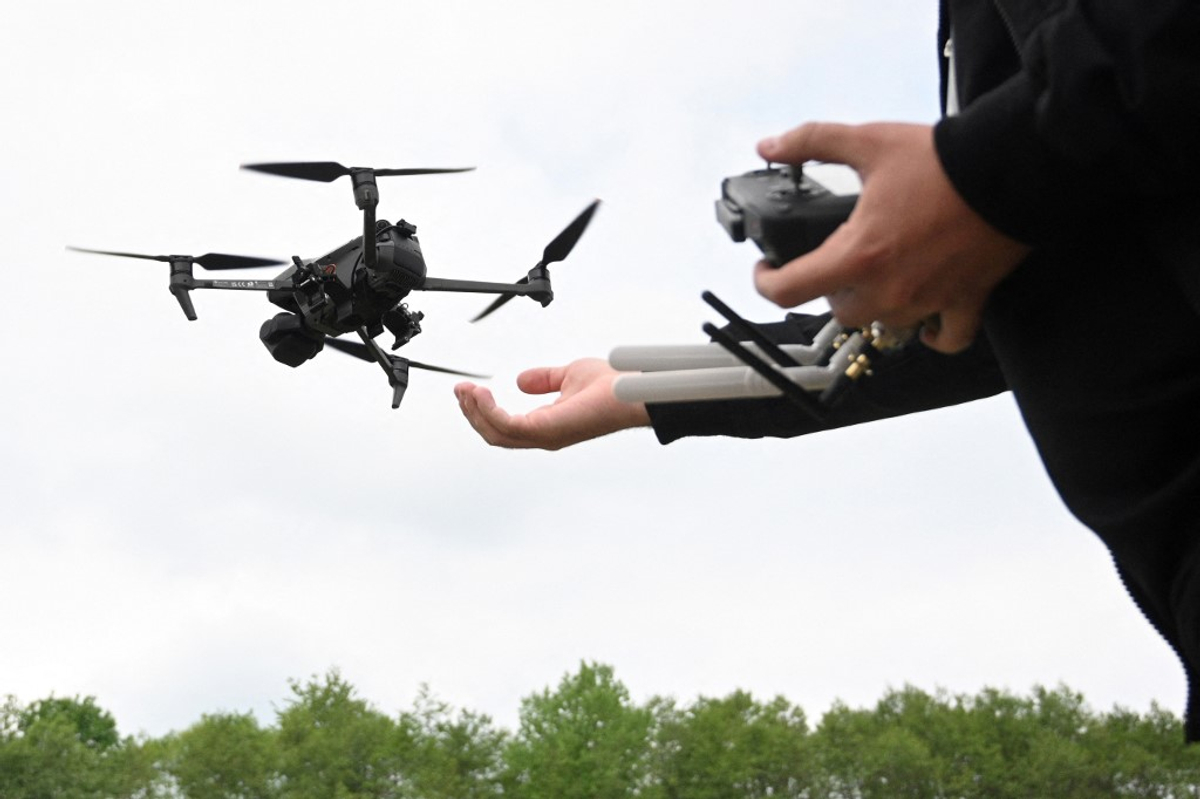
That time may come, but not yet. The more urgent question for Europe concerns its relationship with a country that has transformed itself from a ward of the West into a crucial security partner. Ukraine’s battle-hardened army is making progress and its innovative defence industry is growing. If Europe is to defend its borders and wean itself off a reliance on transatlantic help, it needs Ukraine as badly as the other way round. Europe’s priority should be to fully embrace Ukraine, and fast.
De redactie van NRC selecteert de beste artikelen uit The Economist voor een breder perspectief op internationale politiek en economie.
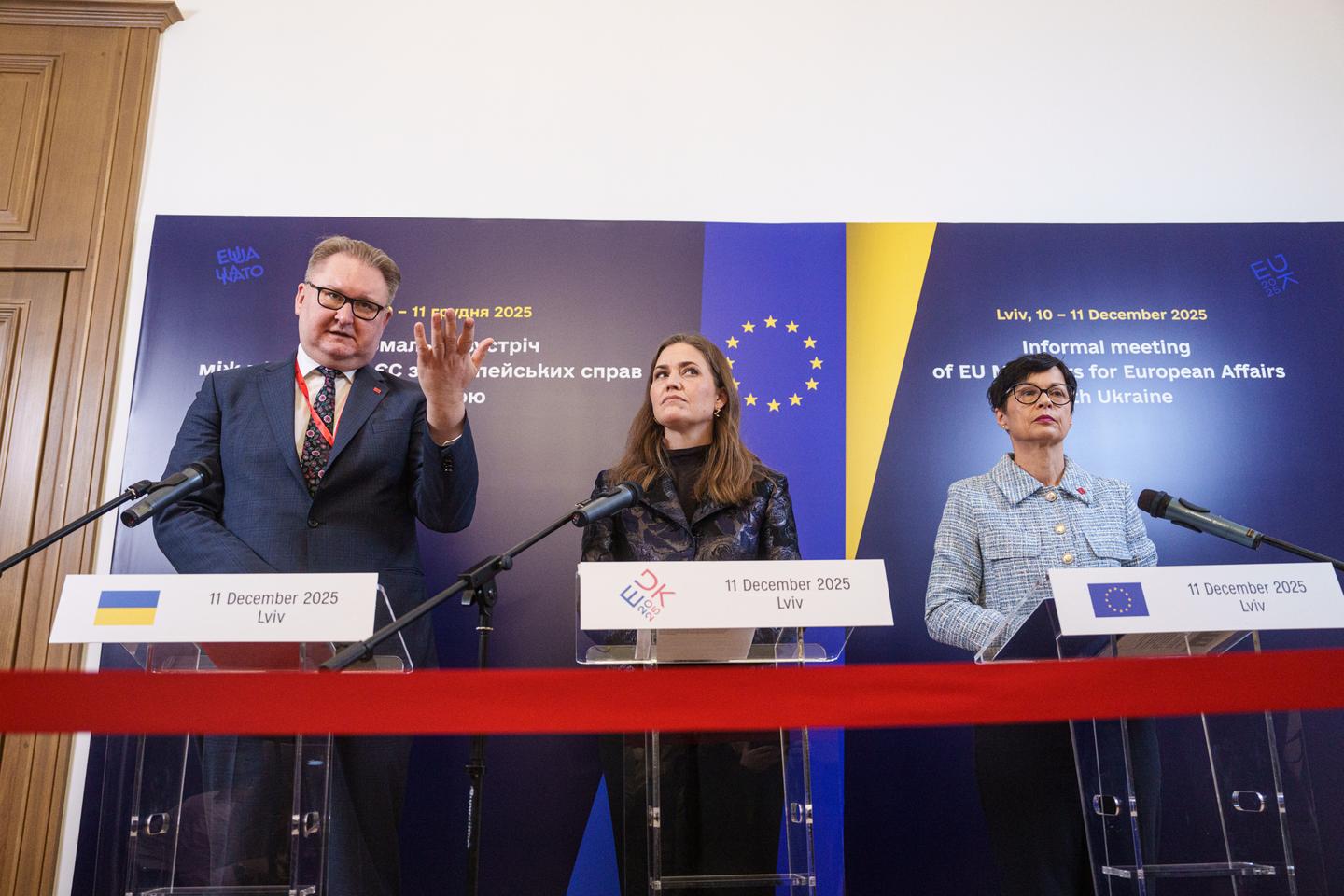
For Ukraine itself, the goal has long been clear: full EU membership, to cement links with the West and make up for territory lost to Russia. Four years after accepting Ukraine as a candidate for membership, this month the EU is expected to open the first negotiating „cluster”, covering topics such as democracy and the rule of law. Some in Kyiv hope full membership could follow as soon as next year. In the EU, however, even enthusiasts doubt it can come within a decade. The gulf in expectations between the two sides is dangerous.