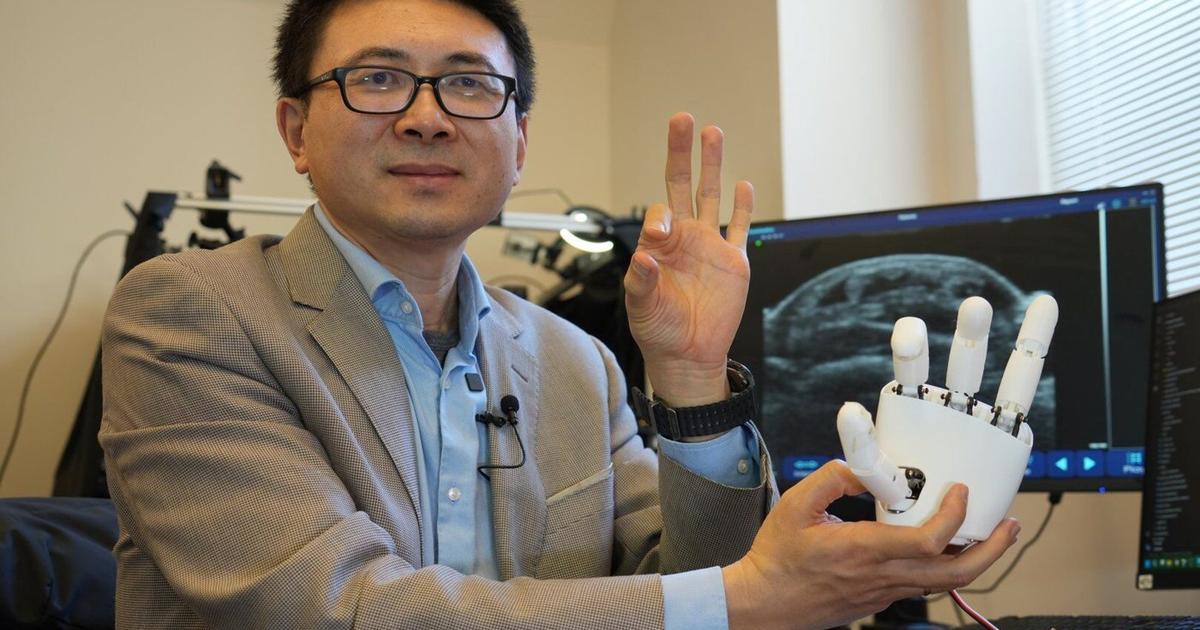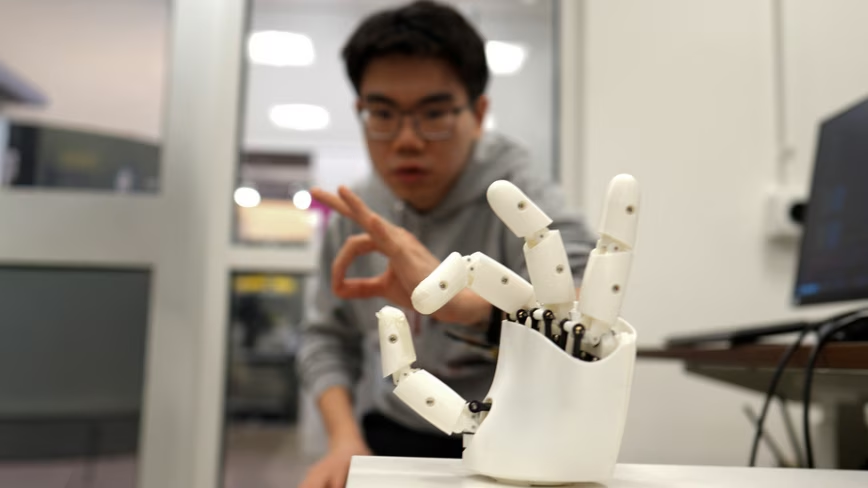
TL;DRMIT built an ultrasound wristband that tracks 22 degrees of hand motion and controls a robot hand in real time with 120ms latency.
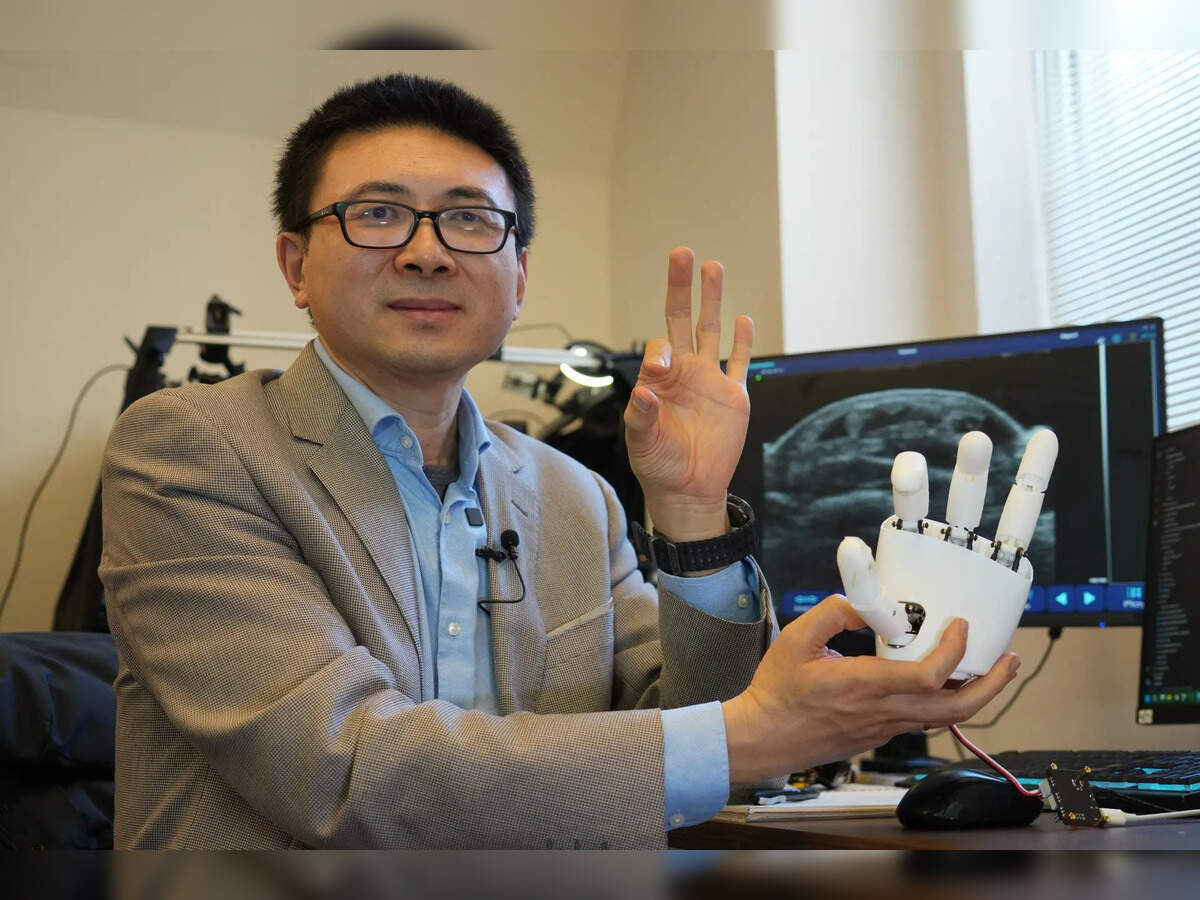
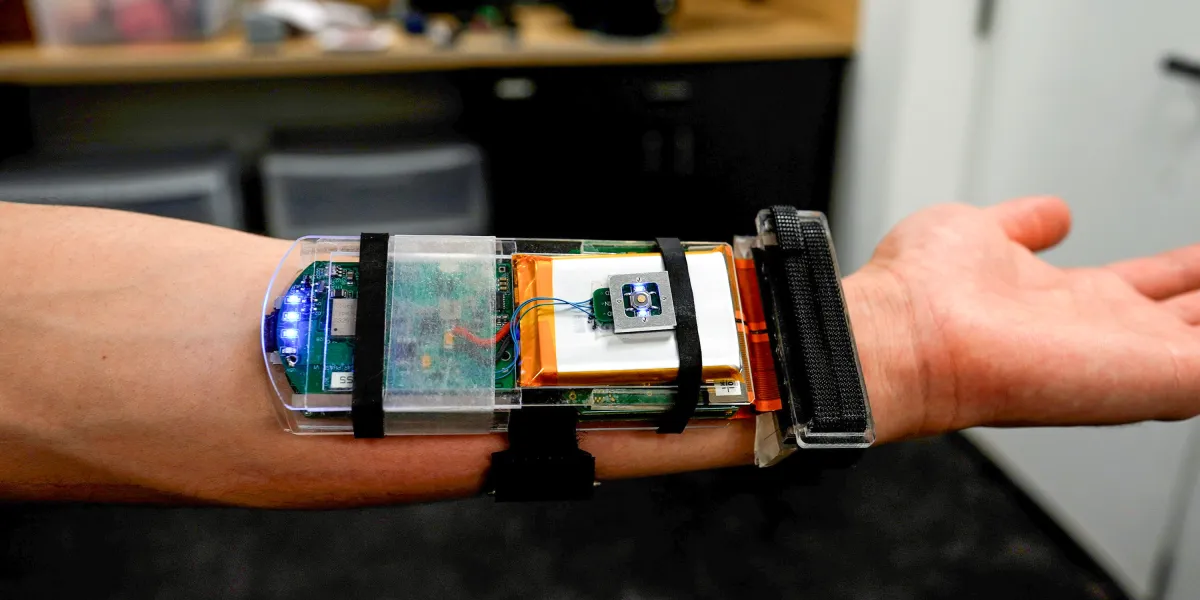
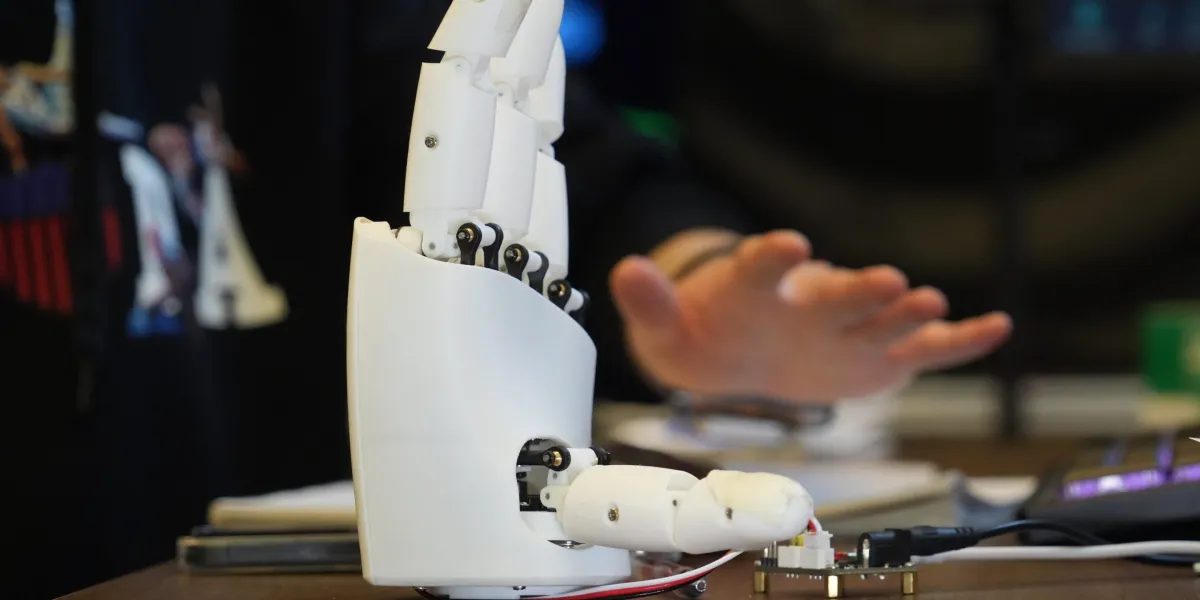
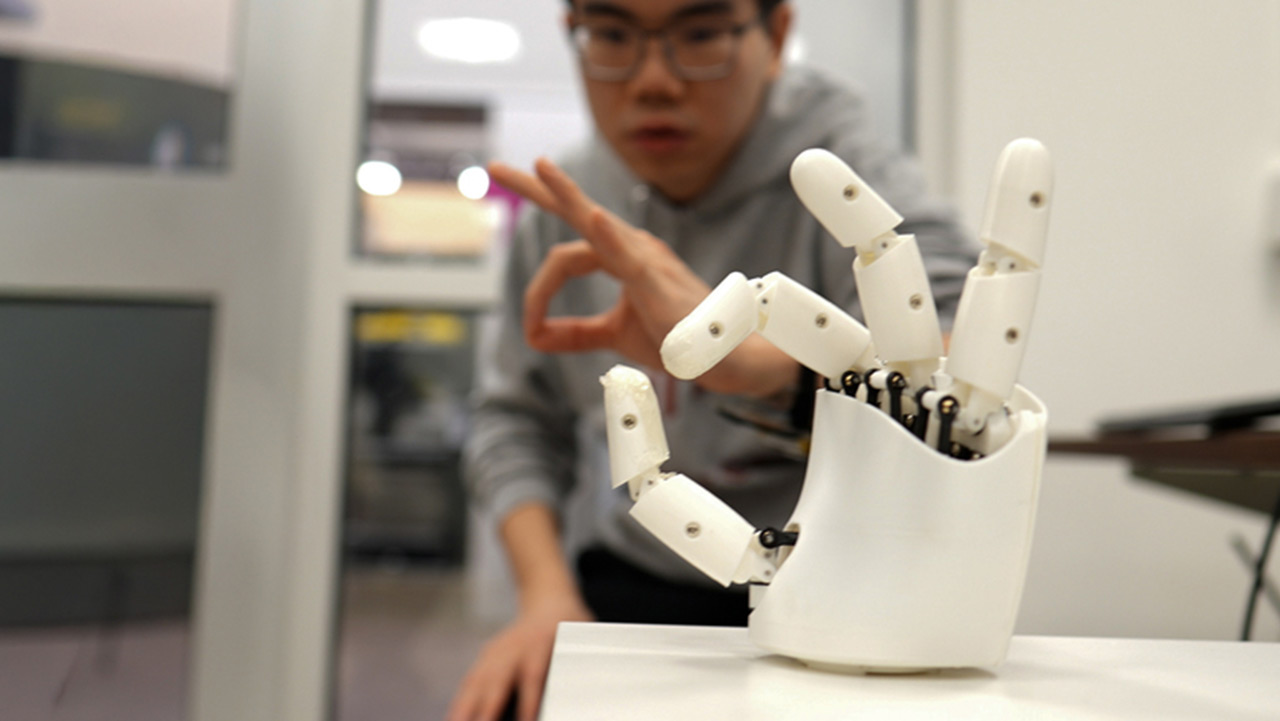
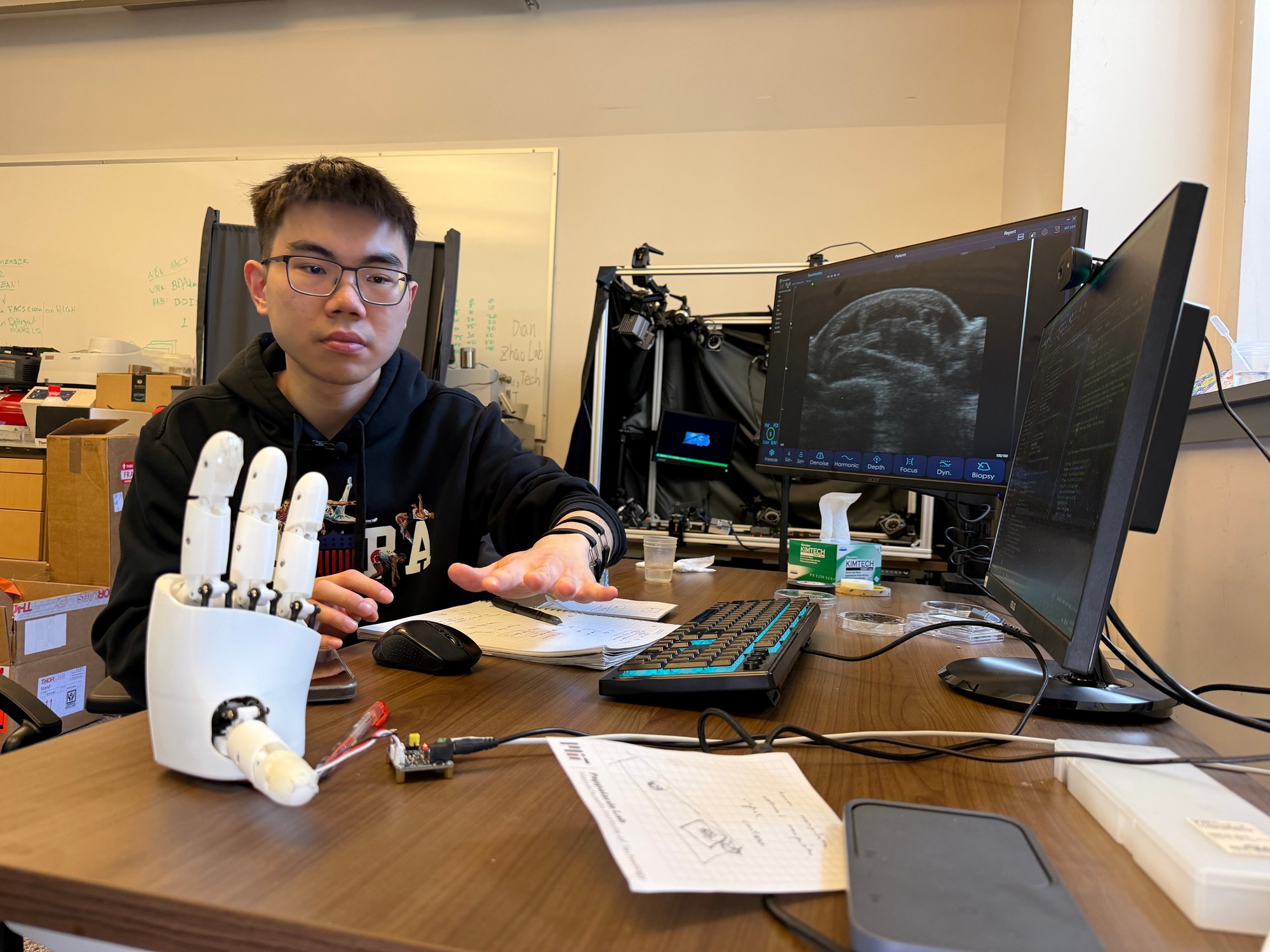
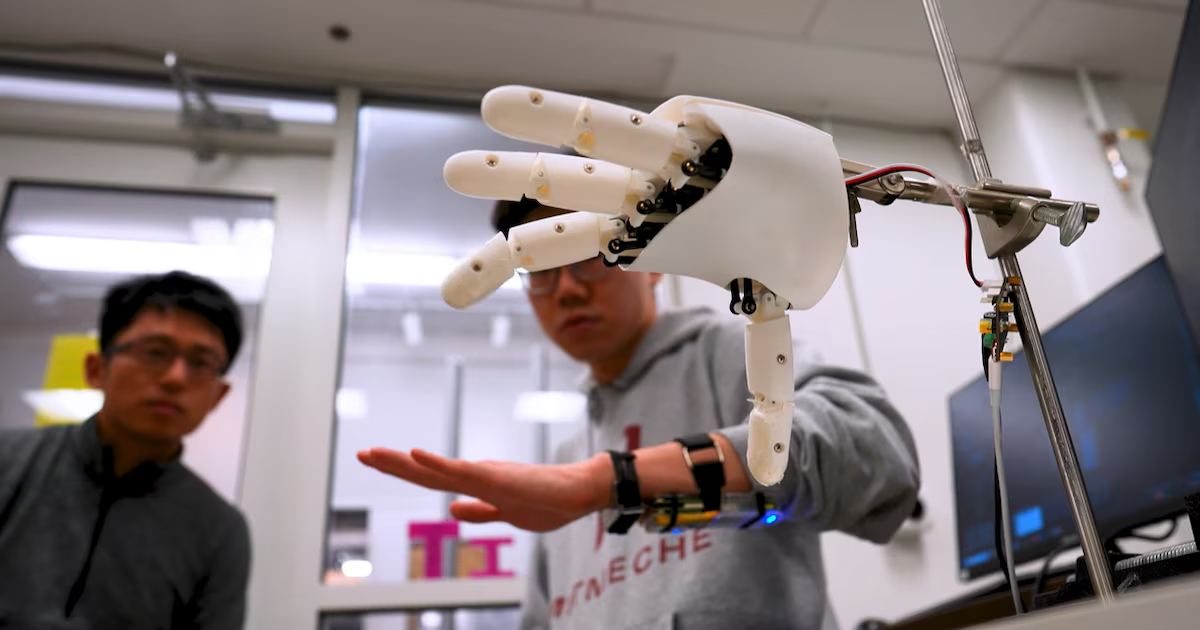
Engineers at MIT have built an ultrasound wristband that can track 22 degrees of freedom in the human hand and use that data to control a robotic hand in real time, according to research published in Nature Electronics in March 2026. The device uses a ring of small ultrasound transducers worn around the wrist to monitor the movement of tendons and muscles in the forearm, translating subtle shifts into a complete picture of finger and thumb position. In tests with eight volunteers, the system achieved continuous tracking with approximately 120-millisecond latency, fast enough to mirror a human hand’s movements on a robotic counterpart with what the researchers describe as near-natural responsiveness.
The research was led by Xuanhe Zhao, a professor of mechanical engineering at MIT, with co-authors including Gengxi Lu, Xiaoyu Chen, Shucong Li, Bolei Deng, SeongHyeon Kim, Dian Li, Shu Wang, Runze Li, and Anantha Chandrakasan, MIT’s dean of engineering. The team demonstrated the wristband’s precision by having all eight participants perform the full American Sign Language alphabet, successfully recognising all 26 letters. The device operates wirelessly and does not require cameras, gloves, or any sensors attached to the fingers themselves.