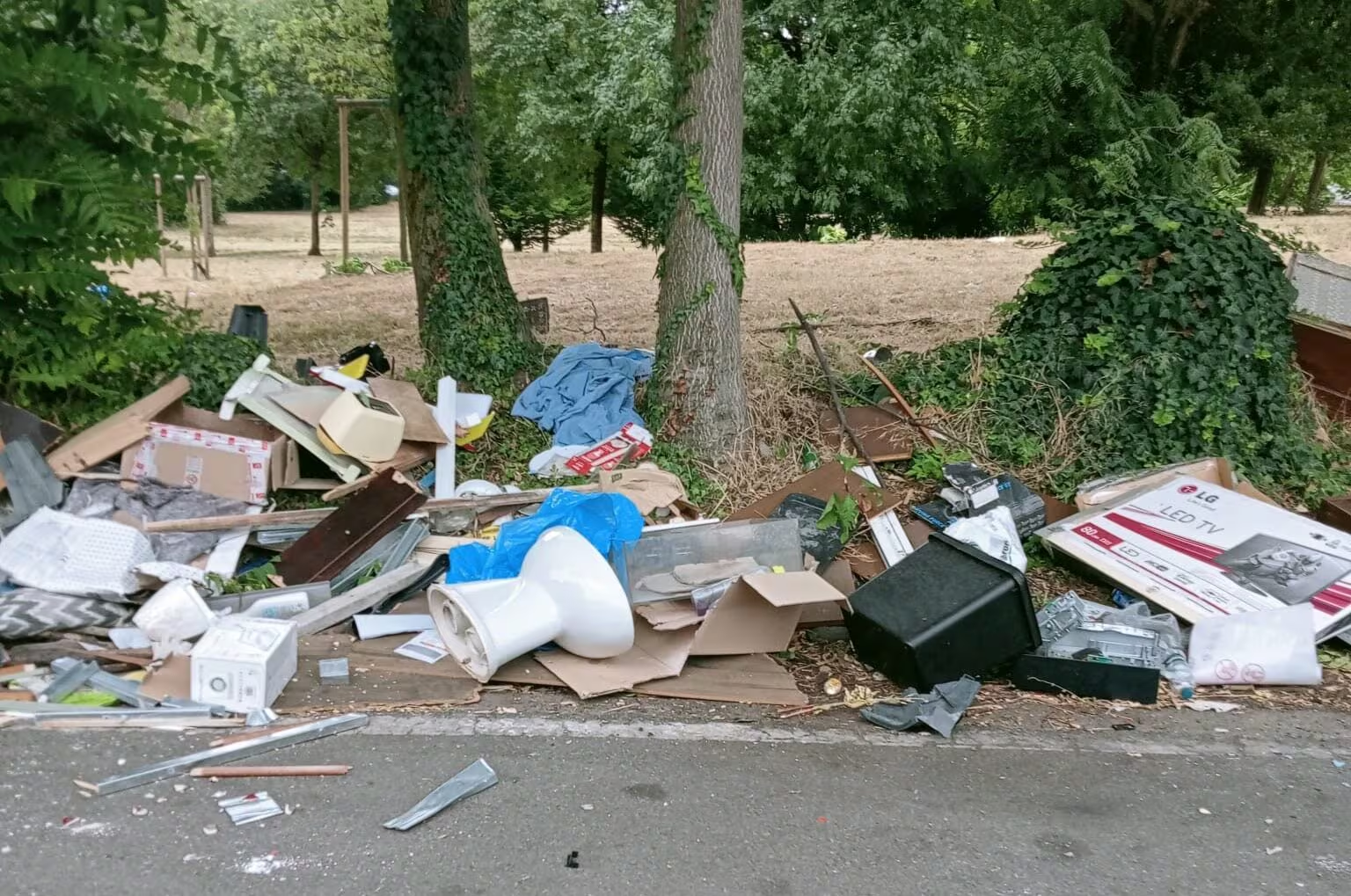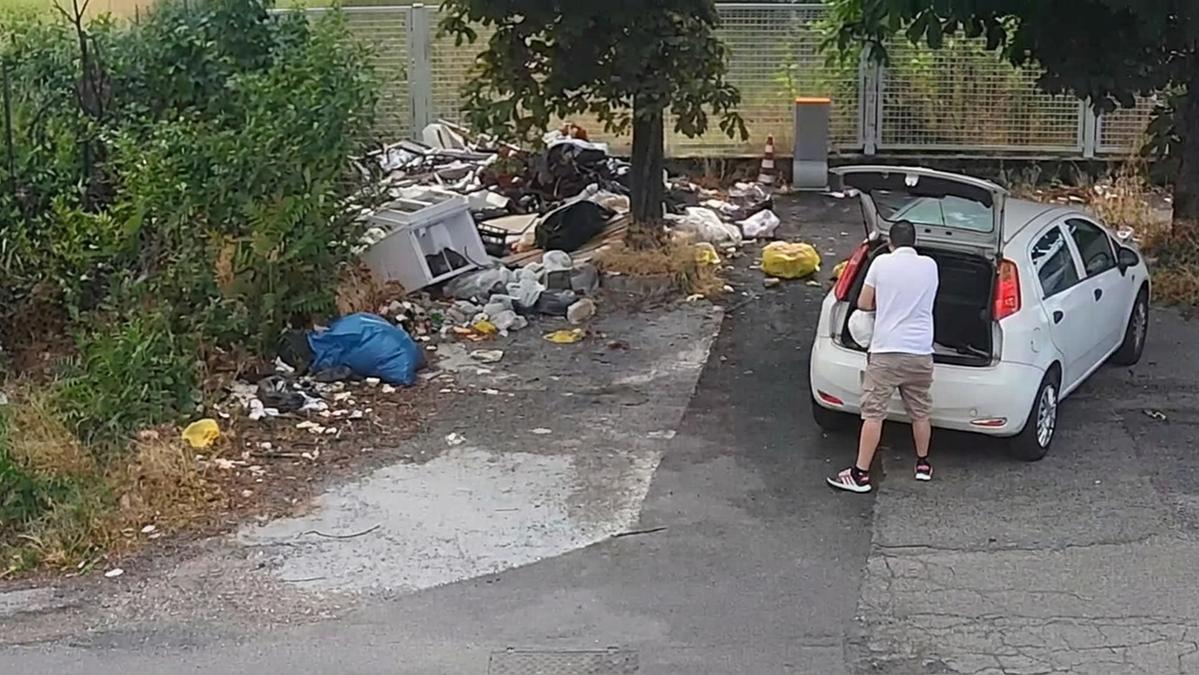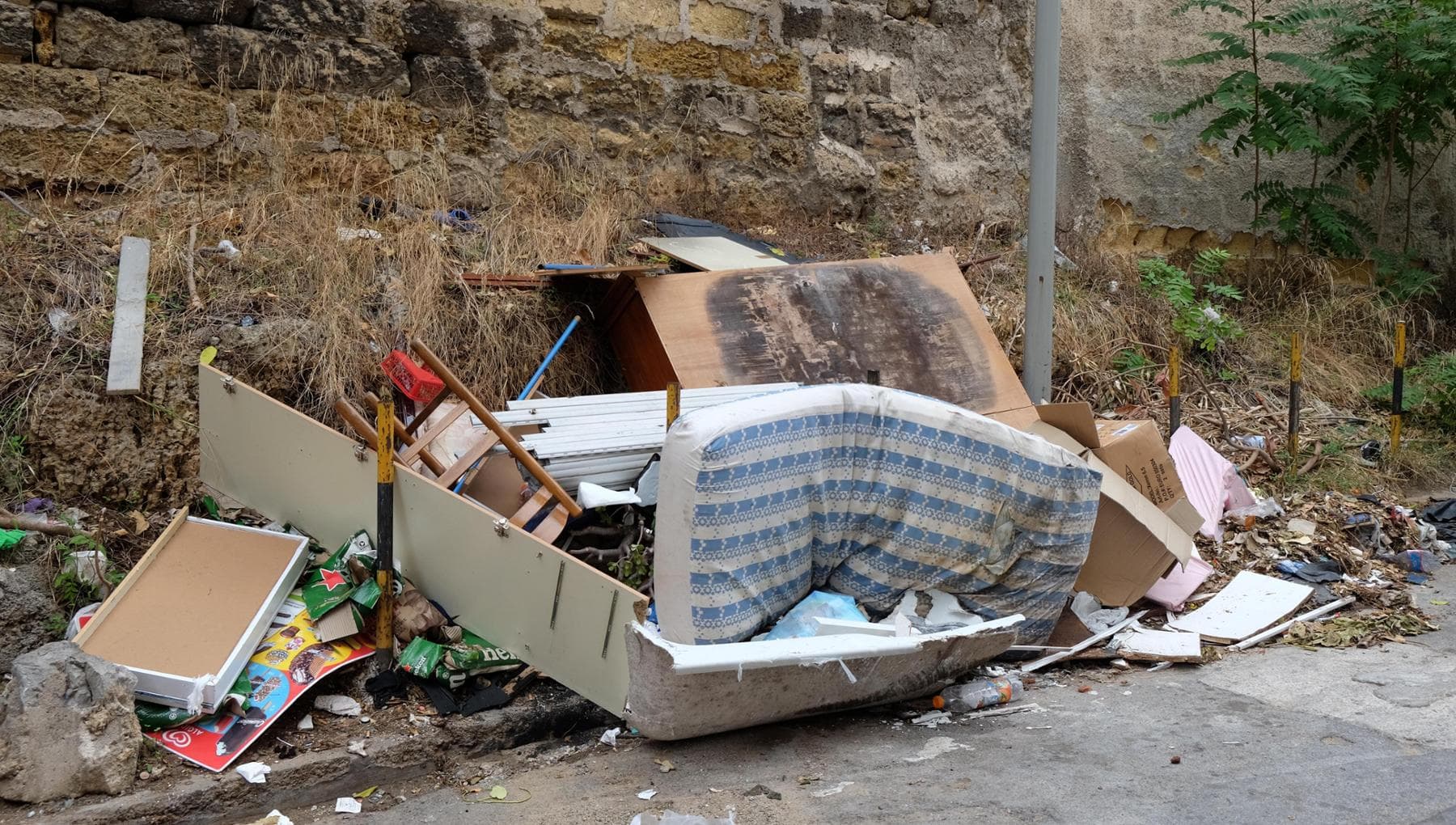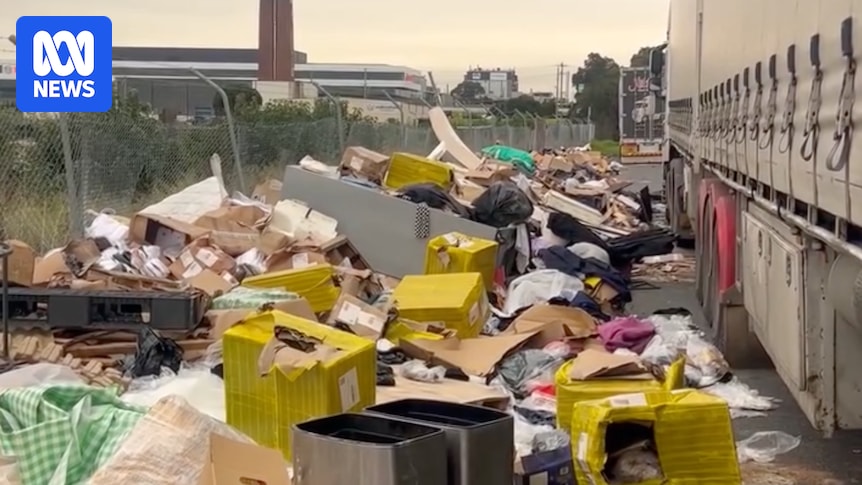
Councils across Melbourne are struggling to combat the rise of illegal dumping, despite more than $21 million of funding from the Victorian state government allocated to eradicating the practice.The state government announced last October it was setting up an illegal dumping task force to investigate and prosecute illegal dumpers and would provide $8.5 million worth of rebates to support councils and public land managers to clean up illegally dumped waste.But according to the Municipal Association of Victoria, which is the peak body for local councils, the project has not provided enough support to local authorities."We're financially constrained. The government's asking us to do more and more and giving us less money," association president Jennifer Anderson told the ABC."It's getting harder to fund these important functions," she said.Municipal Association of Victoria president Jennifer Anderson is calling for more state government collaboration with local councils. (Supplied: Jennifer Anderson)Snap Send Solve, a platform used by Victorian councils to receive reports from members of the public, reported illegal dumping as the most common community concern, with nearly 17 per cent of reports in 2025 being dumped rubbish.Hume City Council, in Melbourne's north-west, has seen an almost 70 per cent increase in illegal dumping reports over the past four years, with over 263 infringement notices issued since July 2025 — up from 148 at the end of the previous financial year.In the 2024-25 financial year, the council said it spent $4.2 million responding to illegal dumping reports.To date, Hume said its received two grants from the state government rebate program totalling just under $6,200.The state's Environmental Protection Agency (EPA) said the task force was continuing to scale up enforcement to address waste crime.It said construction and demolition waste was identified as a high priority, with new technology and hotspot campaigns being developed. The state government did not respond to questions regarding the council rebate program.Houshold rubbish dumped next to a residential development in Diggers Rest, north-west of Melbourne. (ABC News: Eden Hynninen)State and local governments clash over clean upIn Melbourne's south-east, state and local governments are at loggerheads over which arm of government is responsible for cleaning up a dumped rubbish hotspot.Residents of Clayton South have reported several incidents of large amounts of waste being dumped in a heavy vehicle parking bay off Westall Road.Residents said the Westall Road truck parking bay was unusable due to the mountains of rubbish piled up. (Facebook: Russ Porteous)When the City of Kingston was contacted by members of the public, it insisted the responsibility was that of the state government."This particular location falls within land managed by the Victorian government through the Department of Transport and Planning," a City of Kingston spokesperson said."The area in question forms part of the arterial road reserve and is used for truck parking associated with the road network, rather than providing access to adjoining properties," they said.However, the Department of Transport said the parking bay fell under the management of the City of Kingston.Rubbish piles up in a Springvale shopping centre car park, a short drive from Westall Road. (Facebook: Harley Burastero)Clayton South resident Michael Oldfield lives around the corner from what locals describe as the "Westall Road tip.""I'm not very proud of the area I live in. We quite often have family over, and they'll make comments," he said.Mr Oldfield said despite the fact he contacted council when waste began pilling up, it took months to be cleared away."It takes about two to three months and then the whole place is just an absolute tip and then they'll send the trucks around," he said."It's been a continuous cycle, I'd say for the last three to five years."Clayton South residents said piles of rubbish have been cleaned up before reappearing, along Westall Road for the past five years. (Facebook: Russ Porteous)According to the EPA, the authority responsible for cleaning up and prosecuting fly-tipping depends on the type of waste and the location it is dumped.It says household waste and rubbish dumped on council-owned land is the responsibility of the local council, while more substantial industrial, construction and chemical waste is cleaned up by the EPA.The agency also said rubbish dumped on land managed by specific government departments and agencies would need to be removed by the respective authority.The parking bay off Westall Road was eventually cleaned up by Transport Department crews on May 21, before residents said waste reappeared four days later.Local residents say piles of rubbish began appearing at the Westall Road parking bay just days after it was cleaned up by state government authorities. (ABC News: Maren Preuss)Why do people dump in the first place?Bhavna Middha, a senior research fellow at RMIT University's Centre for Urban Research, said increasing rubbish tip fees, lack of bins in apartments and limited access to hard rubbish collections have all contributed to a rise of illegal dumping of household waste."When it's people who are living in transient accommodation who have to move, they will just throw stuff away," she said."Of course, it would be thrown in spots where they see rubbish already thrown or a place which is dark and no one can see them."Waste management experts said people who rent and regularly move homes are more likely to dispose of household waste illegally. (Facebook)Cr Anderson stressed the importance of funding education programs to prevent illegal dumping."If there was more money for education and everybody could learn more about how to reduce what they need to go to the transfer station, then they would have less costs," she said.But Dr Middha challenged the concept of education as the key solution."I am quite against saying that this is individual responsibility, that every person who comes in has the capability of knowing what to do, being able to do it, and doing it successfully," she said.RMIT University urban researcher Dr Bhavna Middha said more needs to be done to make waste disposal more accessible. (Supplied: Bhavna Middha)She said if the infrastructure was not there and readily available to support the public to make better waste disposal decisions, nothing will change."Most of us are very much aware of what problems waste is causing us … that is not the point, the point is how are we able to dispose of waste in a way that the government thinks is the right way to do it," Dr Middha said."In my opinion a right way has not been decided yet — we are still fumbling around."Dr Middha said increasing services to allow bulky items to be picked up and the accessibility of re-use and repair shops are just a few programs that could be funded to increase sustainability and reduce the amount of items being dumped."To put [the blame] on people and their awareness is an easy way out," she said.
Melbourne councils struggling to clean up rising amounts of illegal dumping
Councils across Melbourne's suburbs are struggling to combat the rise of illegal dumping, despite over $21 million of funding from the Victorian state government.
1,121 words~5 min read