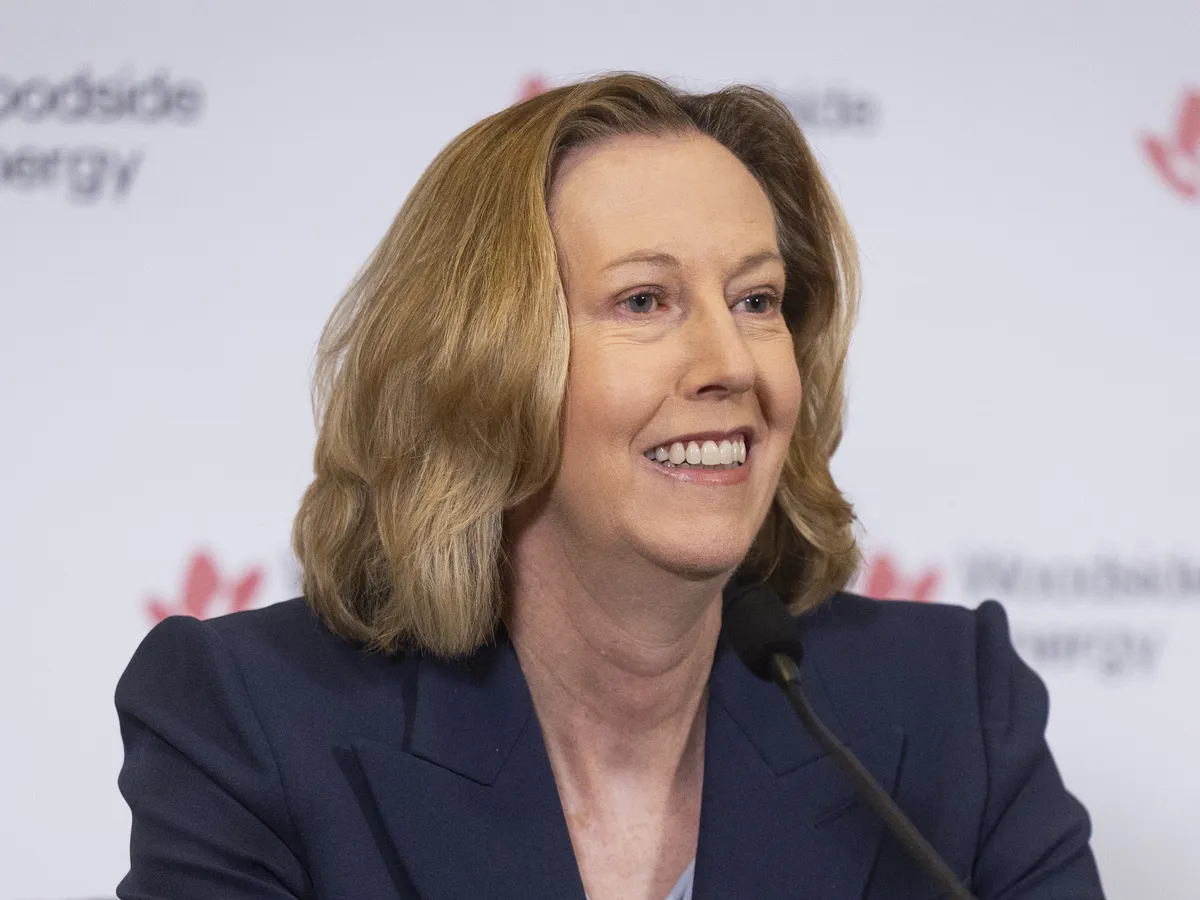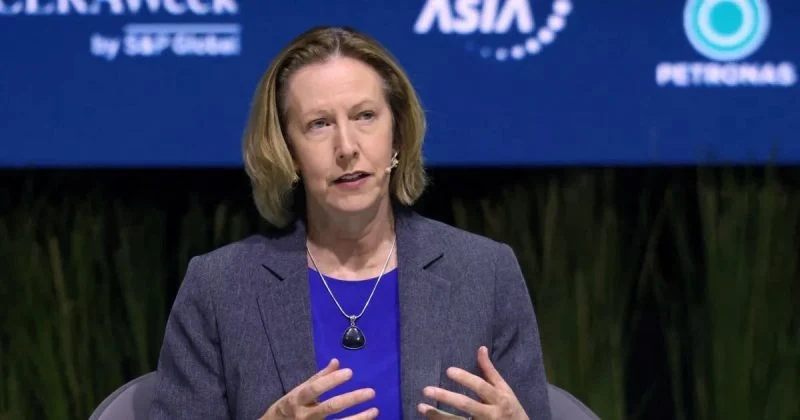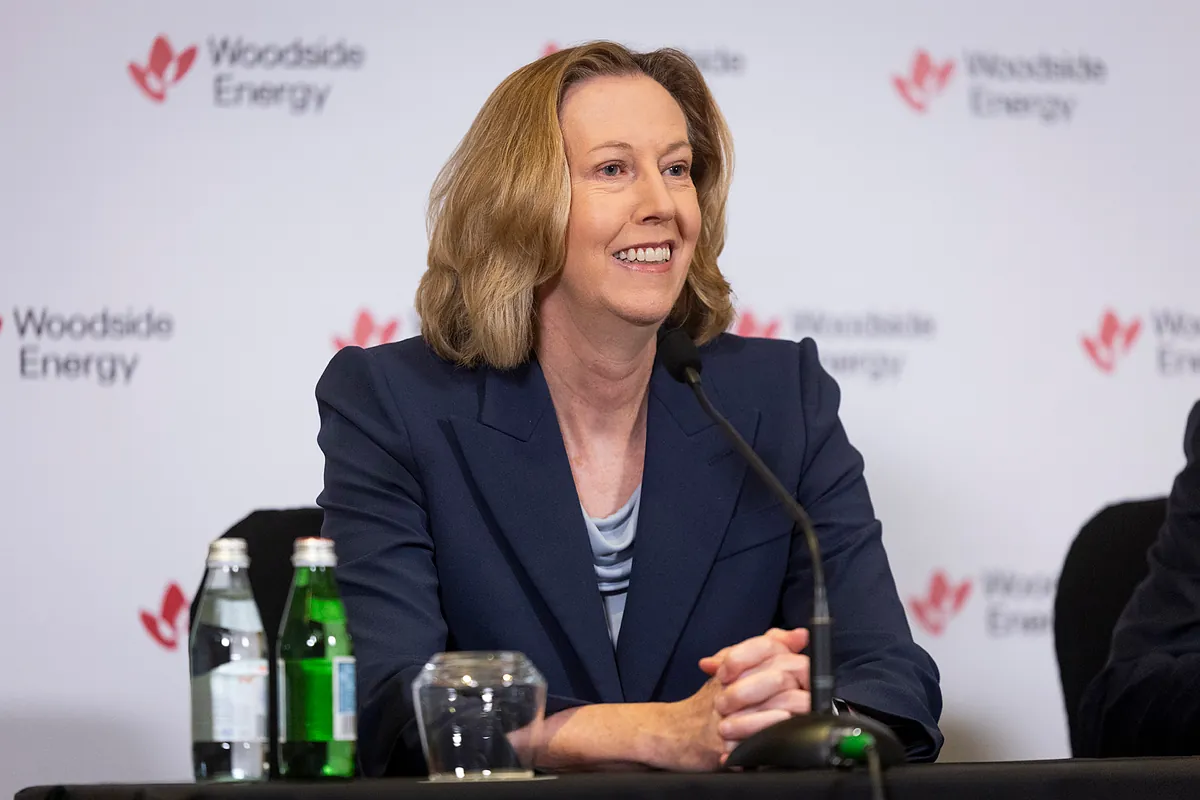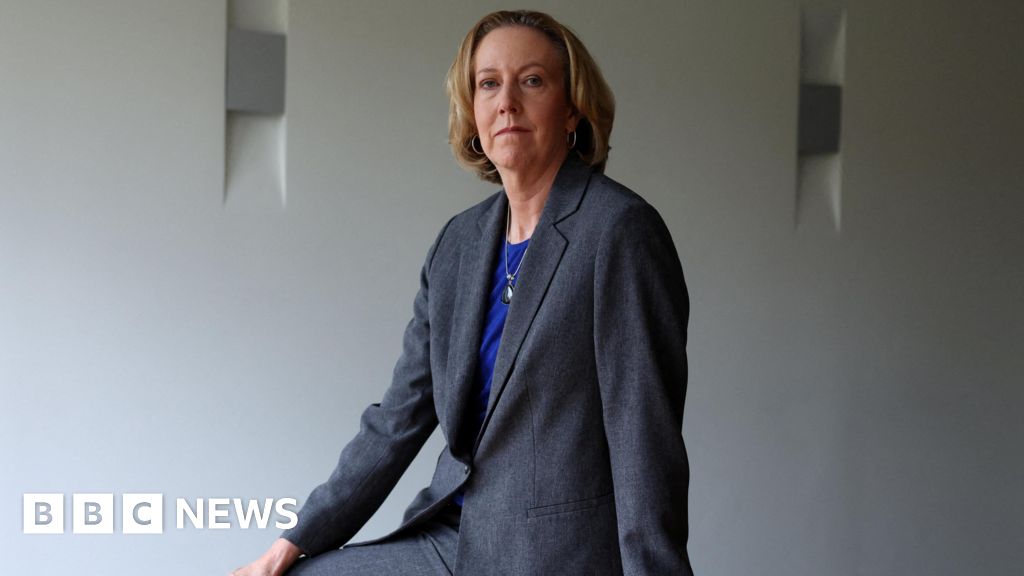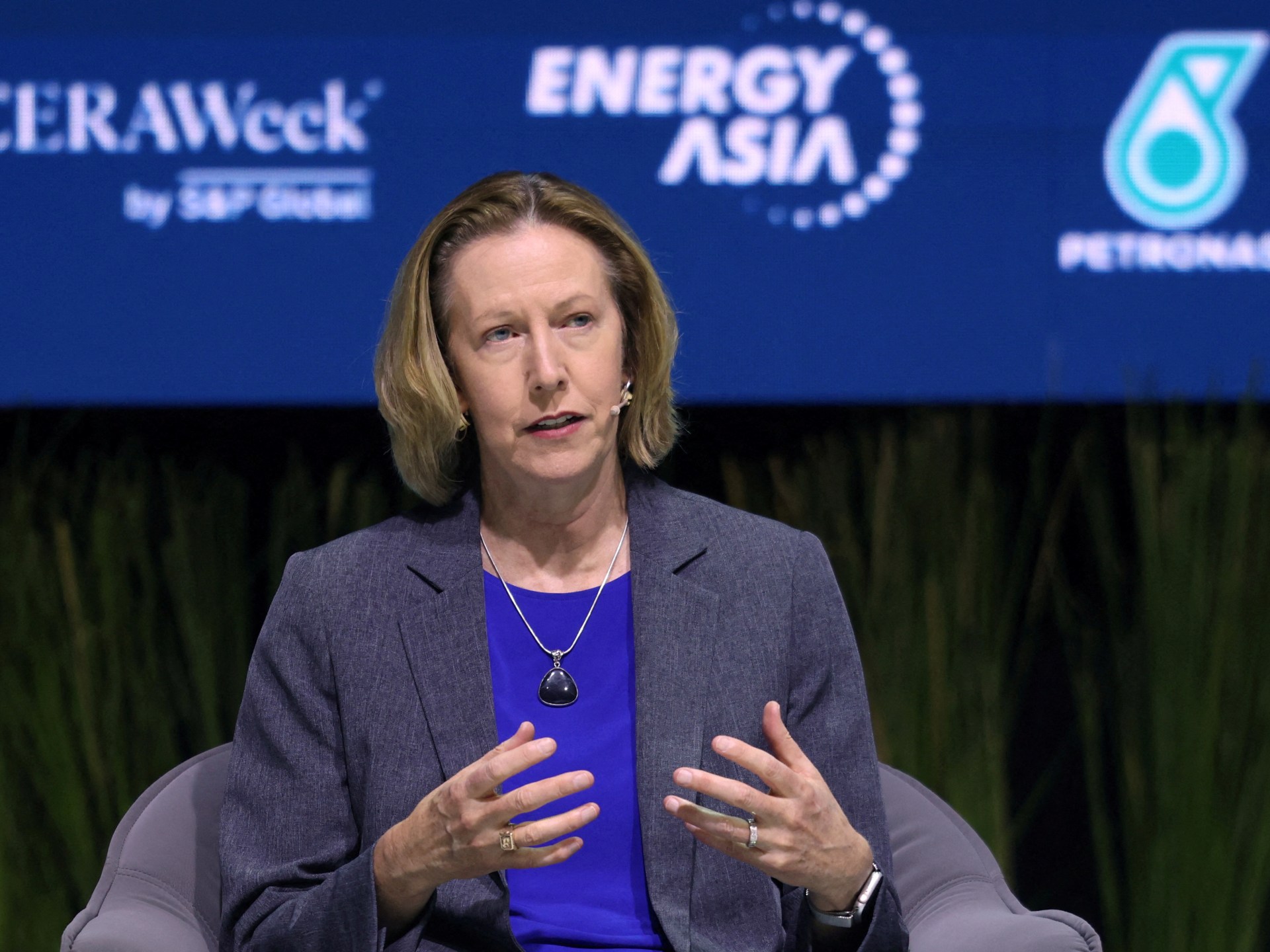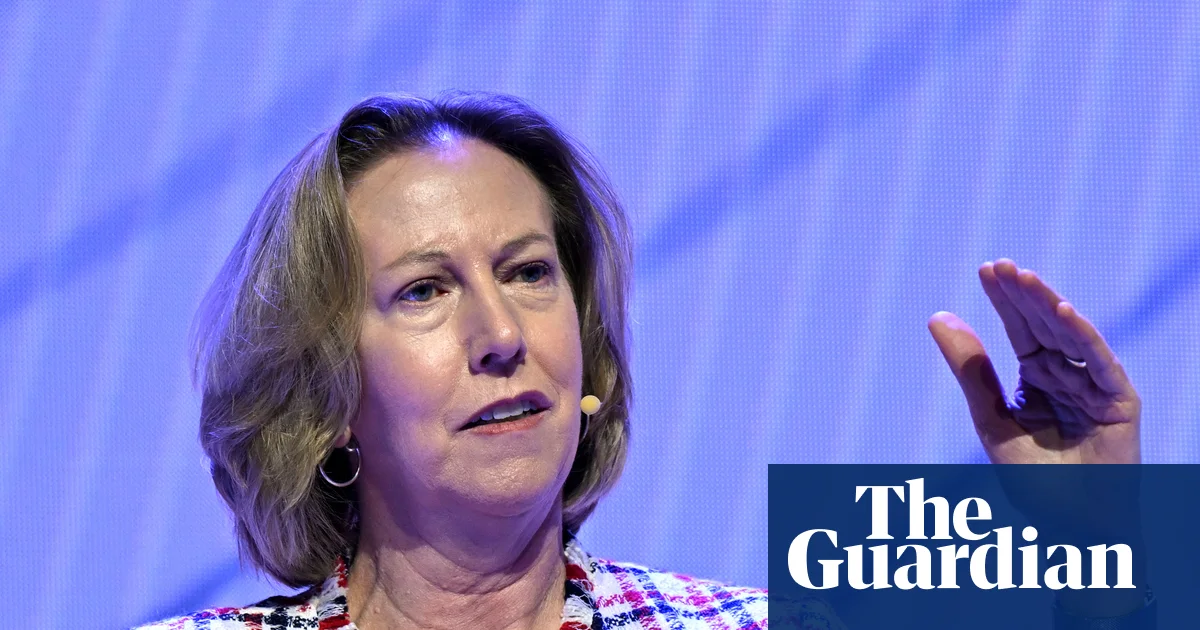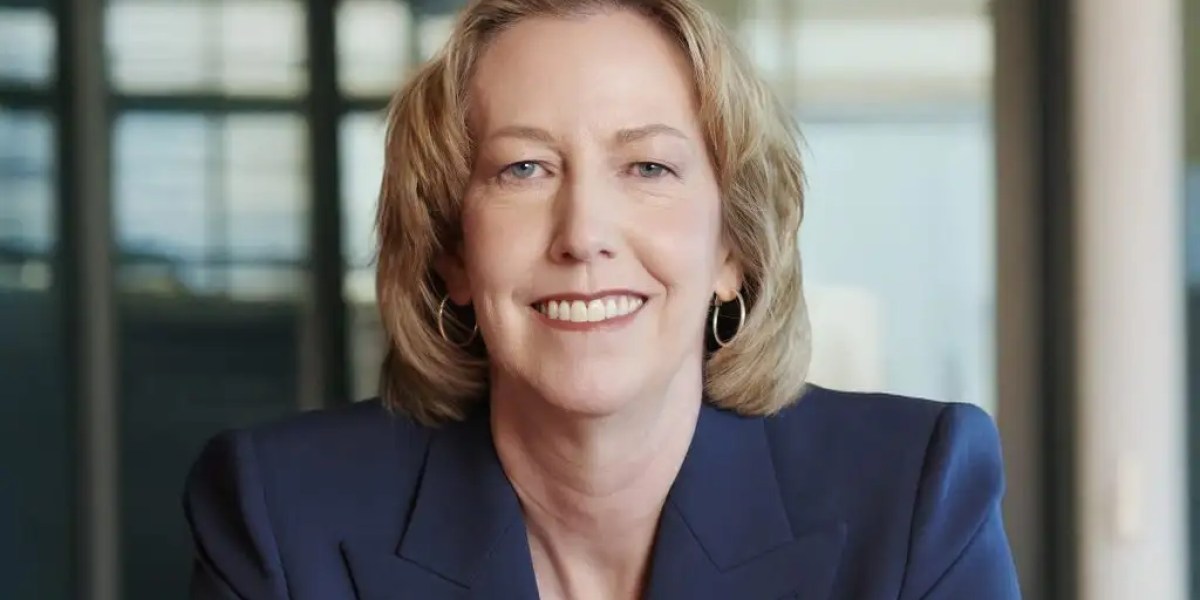
New BP CEO Meg O’Neill is making fast work restructuring the struggling Big Oil giant, simplifying the organizational chart and eliminating the “low carbon energy” business unit as it reemphasizes its core oil and gas businesses.
Fresh off BP’s controversial axing of chairman Albert Manifold for “unacceptable” conduct, O’Neill is demonstrating the transformation of the British energy producer won’t slow down amid the leadership turmoil—three CEOs and three chairmen within three years.
BP’s shrinking renewable energy business will now count in “other businesses and corporate” while the London-based energy firm will be structured in two “upstream” and “downstream” businesses. Upstream oversees oil and gas production and trading, and downstream represents refining, pipelines, and all petroleum products.
BP has struggled in recent years as it arguably overinvested in less profitable energy transition businesses and sought to scale back traditional fossil fuels. That calculus has changed amid higher oil and gas prices and internal investor activism, especially from hedge fund Elliott Investment Management.
“Focusing BP around two distinct segments is an important step in accelerating delivery. It will reduce complexity and strengthen execution,” O’Neill said in a June 9 statement. “We are moving firmly towards a simpler, stronger and more valuable BP.”