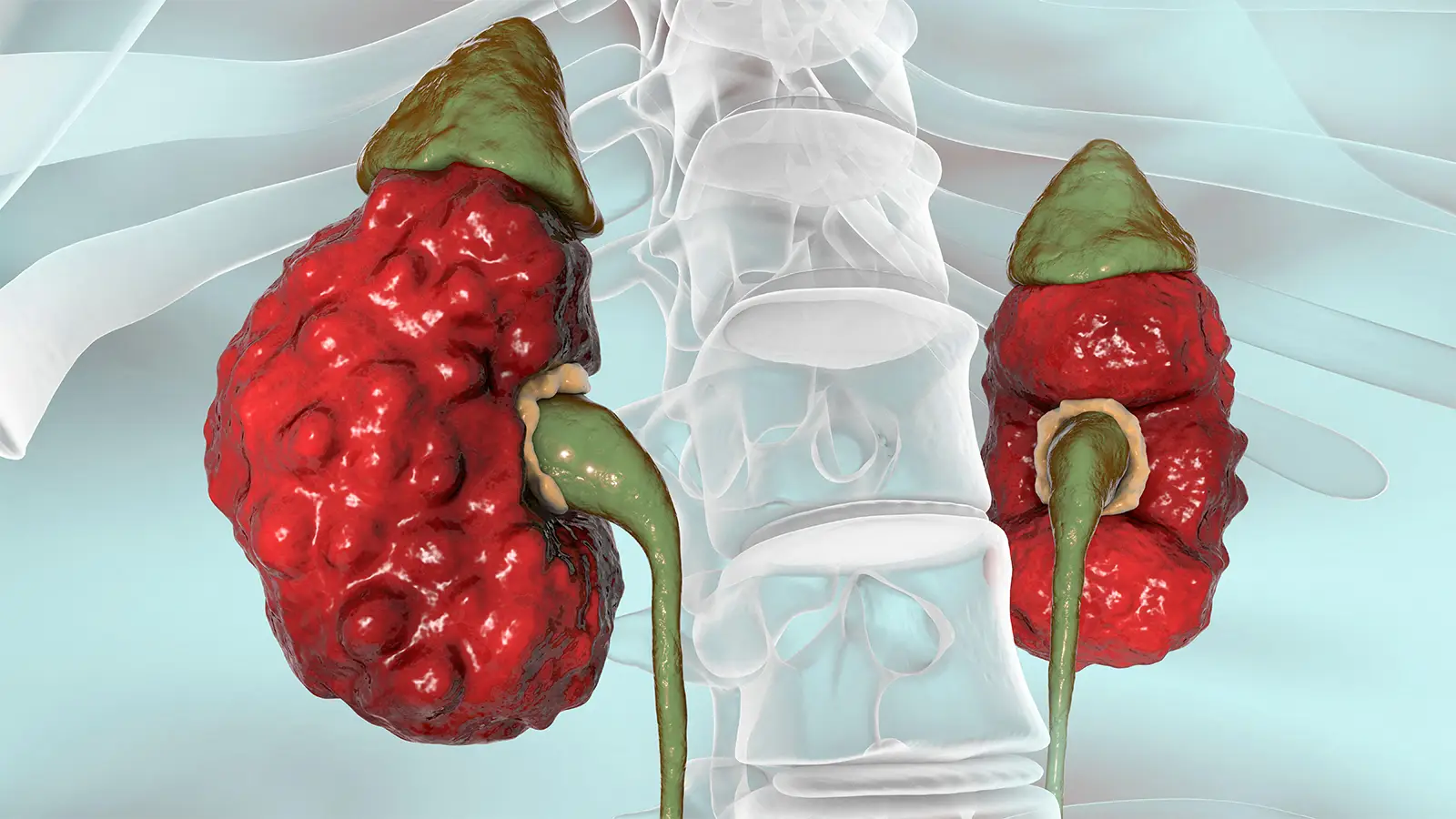
Northwestern Medicine scientists have discovered that the hormone FGF23 reduces the production of red blood cells and may contribute to the development of anemia in chronic kidney disease, according to a recent study published in Blood.
Valentin David, Ph.D., MSc, the Frank Krumlovsky, MD, Professor of Medicine in the Division of Nephrology and Hypertension, was senior author of the study.
Fibroblast growth factor 23 (FGF23) is a phosphate-regulating hormone produced by osteocytes, the most common cell found in mature bone. FGF23 is also produced by erythroid cells—which are derived from hematopoietic stem and progenitor cells.
Increased levels of circulating FGF23 have been shown to be associated with impaired erythropoiesis, or the process by which red blood cells are produced, in response to iron deficiency anemia and chronic kidney disease. However, how FGF23 produced by osteocytes and erythroid cells contribute to iron deficiency anemia has remained poorly understood.
In the current study, David's team engineered mice with a conditional deletion of FGF23 in either osteocytes or erythroid cells. The mice were then given either a normal diet or an iron-deficient diet.