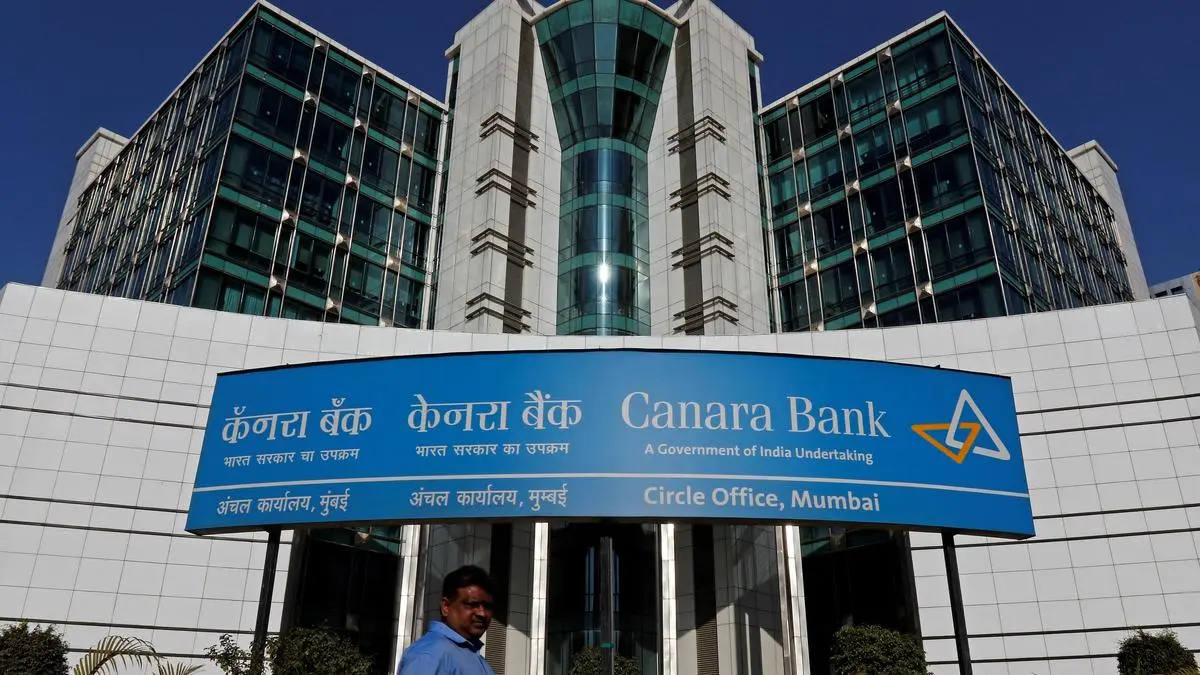
SynopsisCanara Bank has recovered over half of its ₹500 crore exposure to Rajesh Exports and is pursuing legal avenues for the remaining amount. The bank's CEO highlighted reducing the cost-to-income ratio and increasing low-cost deposits as key priorities to boost profitability and manage rising deposit costs.AgenciesCanara Bank has recovered over half of its ₹500 crore exposure to Rajesh Exports and is seeking legal remedies for the balance amount, managing director & chief executive officer Brajesh Kumar Singh said in an exclusive interaction with Atmadip Ray. He said the biggest challenges for the bank will be to reduce cost-to-income ratio and raise the share of low-cost deposits. Edited excerpts:The beginning of your stint at Canara Bank coincided with Sebi's accusation of inflating revenues against Rajesh Exports. The bank has been in a prolonged fight with the firm. What is the exposure and what is the recovery status?We had ₹509 crore of crystalised debt as per debt recovery tribunal order. We have recovered around ₹303 crore and are hopeful of recovering the balance amount.What is the strategy for recovering the outstanding?The company has deposited some money with the debt recovery tribunal as per the decree. We hope to recover the balance from this. The exposure is any way fully provided for, and residual exposure will not significantly impact the bank's financial position.Do you plan to lodge a complaint against Rajesh Exports with the investigating agencies?I need to examine it. We filed a case against the company at DRT and got a decree.Any plan of selling the balance Rajesh Exports exposure to ARCs?We have a small amount left to be recovered. There is no point of selling it to ARCs. Why would we sell at a haircut when we are expecting full recovery?In the larger macroeconomic context, do you see any stress building up due to geopolitical uncertainties?Not so far, but we are keeping a close watch. One positive thing is the government created the emergency credit line guarantee scheme. We have identified about ₹20,000 crore opportunity to lend through this scheme. These are the businesses facing some issues due to the supply chain disruptions and the funding would keep them out of stress.What are the immediate priorities for you?The biggest challenge is raising low-cost resources. South based banks traditionally have low share of current and savings account (CASA). Canara Bank's CASA is at 30%, putting pressure on the profitability. The low CASA share pinches. We need to correct that. My target is to increase the ratio to 32% in one year's time. My other priority would be to bring down the cost-to-income ratio to 45% from 48.4%. Anything excess 45% hurts. The large private sector banks have this ratio below 40%.Banks' net interest margin is also under pressure since deposit costs are likely to rise. How do you plan to protect NIM?As I said, we must focus on low-cost deposit mobilisation and replace bulk deposits with retail term deposits. It's tough since savers are shifting their preferences outside banks. On the asset side, we would selectively lend below 7%. This needs manoeuvring.In the fourth quarter, a ₹800 crore mark-to-market loss impacted your profitability. How is the treasury book performing this quarter?Bond yields started softening following RBI's measures to boost dollar inflows. This will help banks' treasury earnings in the June quarter. The MTM loss, which we showed, will be partly corrected.Are you looking to recalibrate the retail-wholesale balance from the current 60:40 ratio?We will target to increase the retail, agriculture and MSME (RAM) share to 65% from about 60% at present. The RAM segment offers better margin and lower risk. Retail lending also helps to target the entire wallet of customers.How is the corporate loan demand? Which segments are showing better traction?For a bank of our size, we always have a sizable corporate loan pipeline. The green/solar energy sector is showing good demand.Do you have any plan to focus on new areas of business?Wealth management offers a strong growth opportunity with an established market, especially as sustaining NIM above 3% is challenging. We also need to improve digital adoption to better serve Gen Z and Gen Alpha. Further, expanding our business correspondent network-currently at 12,500, below peers-will aid financial inclusion and drive cost-effective growth.Read More News on...moreless
Canara Bank recovers over half of ₹500 crore Rajesh Exports exposure, CEO outlines growth strategy
Canara Bank has recovered over half of its ₹500 crore exposure to Rajesh Exports and is pursuing legal avenues for the remaining amount. The bank's CEO highlighted reducing the cost-to-income ratio and increasing low-cost deposits as key priorities to boost profitability and manage rising deposit costs.
705 words~3 min read