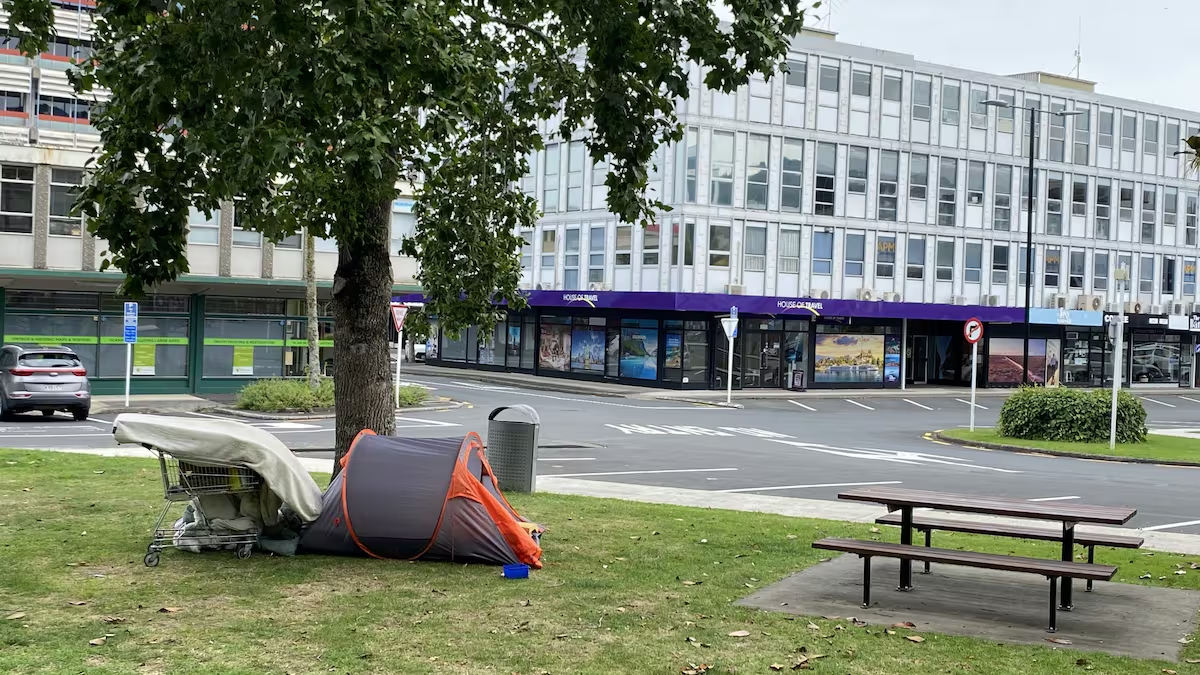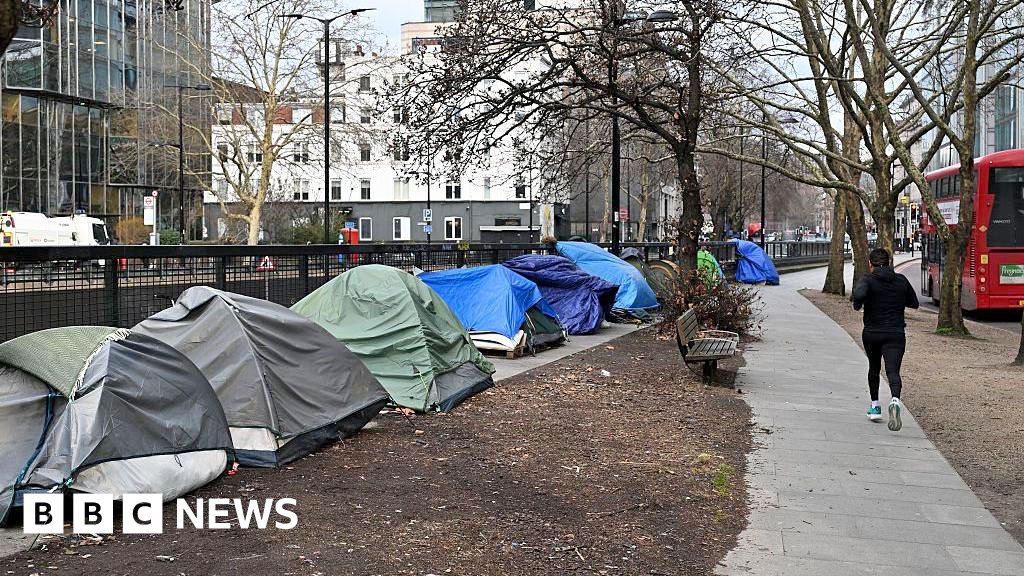
Homelessness in the UK is reaching critical levels, with more than 380,000 people estimated to be without a home in England alone as of late 2025.
There is also a growing recognition that neurodivergent people are over-represented among homeless populations. But much of this comes from anecdotal reports from service providers or localized research projects looking at specific neurodivergences like autism or attention deficit hyperactivity disorder (ADHD).
So, our new research explored why this may be so. Our findings demonstrate how neurodivergent people may face exclusion at various points throughout their social lives, education and employment. In turn, this can lead to increased financial hardship and a higher chance of homelessness.
As homelessness rises across the UK, public debate tends to focus on housing supply or personal responsibility. For example, housing and homelessness charity Shelter highlights the chronic shortage of social housing and an increasingly unaffordable private rented sector.
We spoke at length with six neurodivergent people, from one local authority area, who had experienced homelessness or insecure housing. To structure the interviews, we asked participants to create a life map.