Until Saturday Newsletter 🏈 | This is The Athletic’s college football newsletter. Sign up here to receive Until Saturday directly in your inbox.In a week when so many other sports have thrilling championships going on, college football is the talk of the town thanks to paperwork. As usual.Bad Beat: The NCAA created its own Wild WestCompare these three news items:
Two years ago, the NBA banned Raptors forward Jontay Porter for life, saying he’d bet on games and relayed inside information. The ruling stuck. He’s not back in the NBA. He’s in a tiny league that was founded just a few months ago.
Also two years ago, MLB lifetime-banned Padres infielder Tucupita Marcano after it found he’d placed 25 bets on the Pirates while playing for them. This also stuck. He’s playing for a North Dakota indie, not an MLB team.
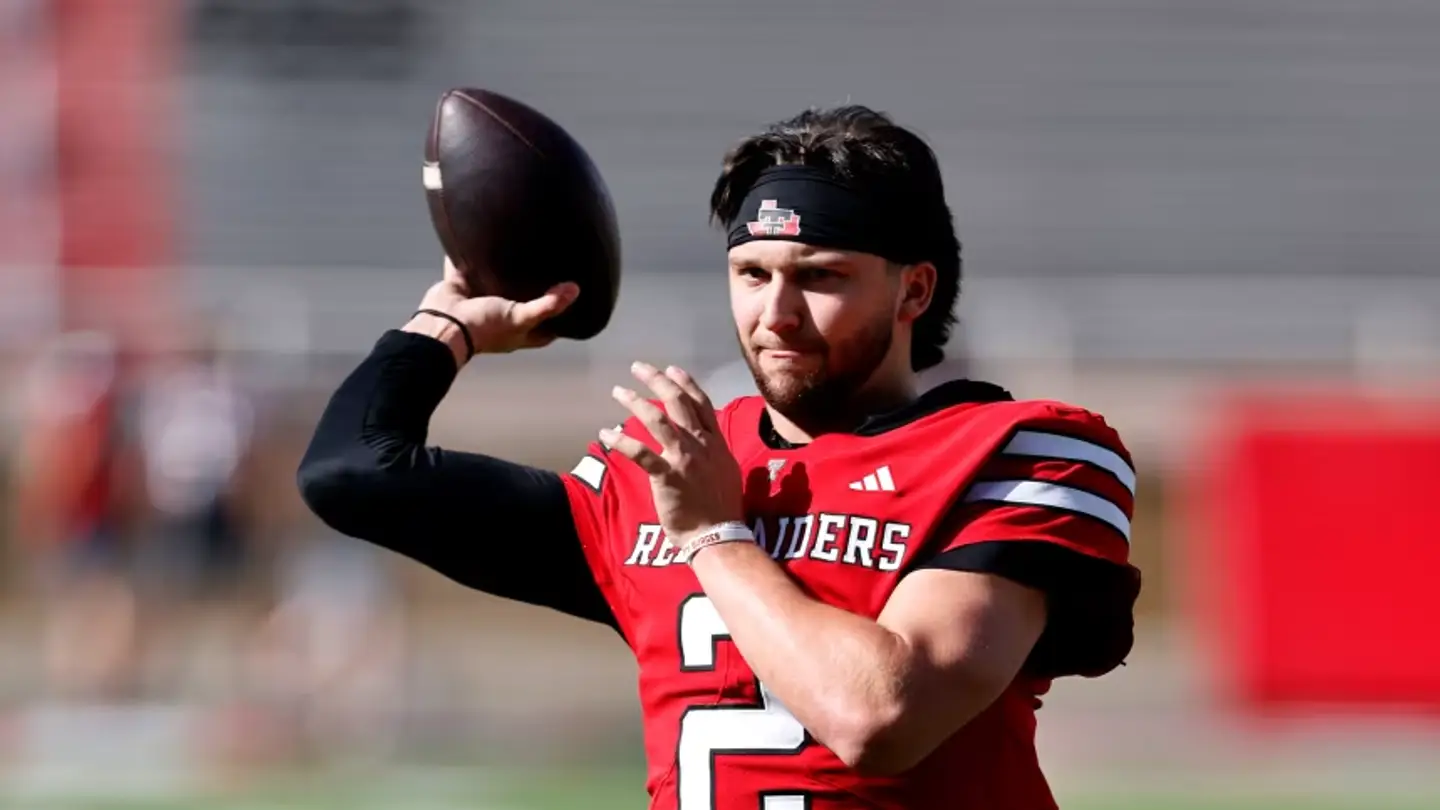
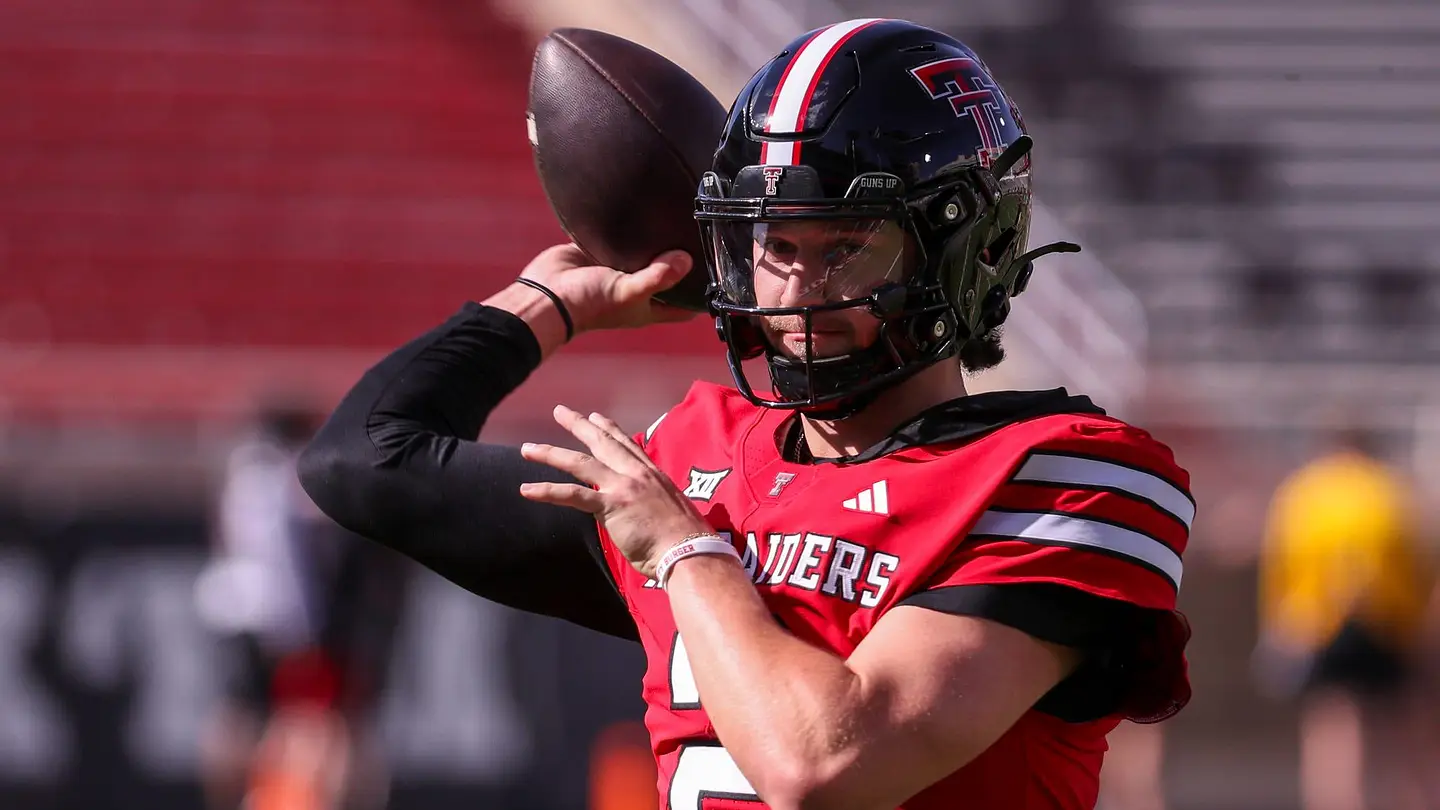
Two weeks ago, the NCAA declared Texas Tech quarterback Brendan Sorsby permanently ineligible. He admitted to betting at least $90,000, including at least 40 bets on Indiana games during his time as a Hoosier.
That latter ruling … did not stick. Yet, at least.Yesterday, a judge in a Lubbock court decided Sorsby must not be pulled away from his new teammates. Other than for a two-game suspension offered by Sorsby’s lawyers, because apparently judges handle suspensions? Pending an anticipated appeal, the NCAA’s ruling doesn’t matter. Poof.There’s an obvious question here. If every other association is able to enforce the only universally agreed-upon rule, the one meant to assure competitions aren’t rigged, why can’t the NCAA?The answer is maddeningly simple, the same as always: Nobody’s ever actually been in charge of college sports. The NCAA, a creation of the 1,075 schools it governs, only exists to the extent all of its members (and their players and/or lawyers) agree it exists.Leagues like MLB and the NBA have collective bargaining agreements with their players. To play for those teams, you have to abide by the employee handbook, so to speak.Because the NCAA has no CBA, and in fact has long worked to avoid one, no athletes actually work there. The NCAA’s rulings are only binding if a lawyer can’t get a local judge to say otherwise.If it feels like it’s all falling apart at once, there are reasons. Follow the money. Four decades ago, a few powerful schools beat their own governing body in court over TV rights. What might players themselves have sued the NCAA over in those decades, if they’d had enough money to afford lawyers of their own?