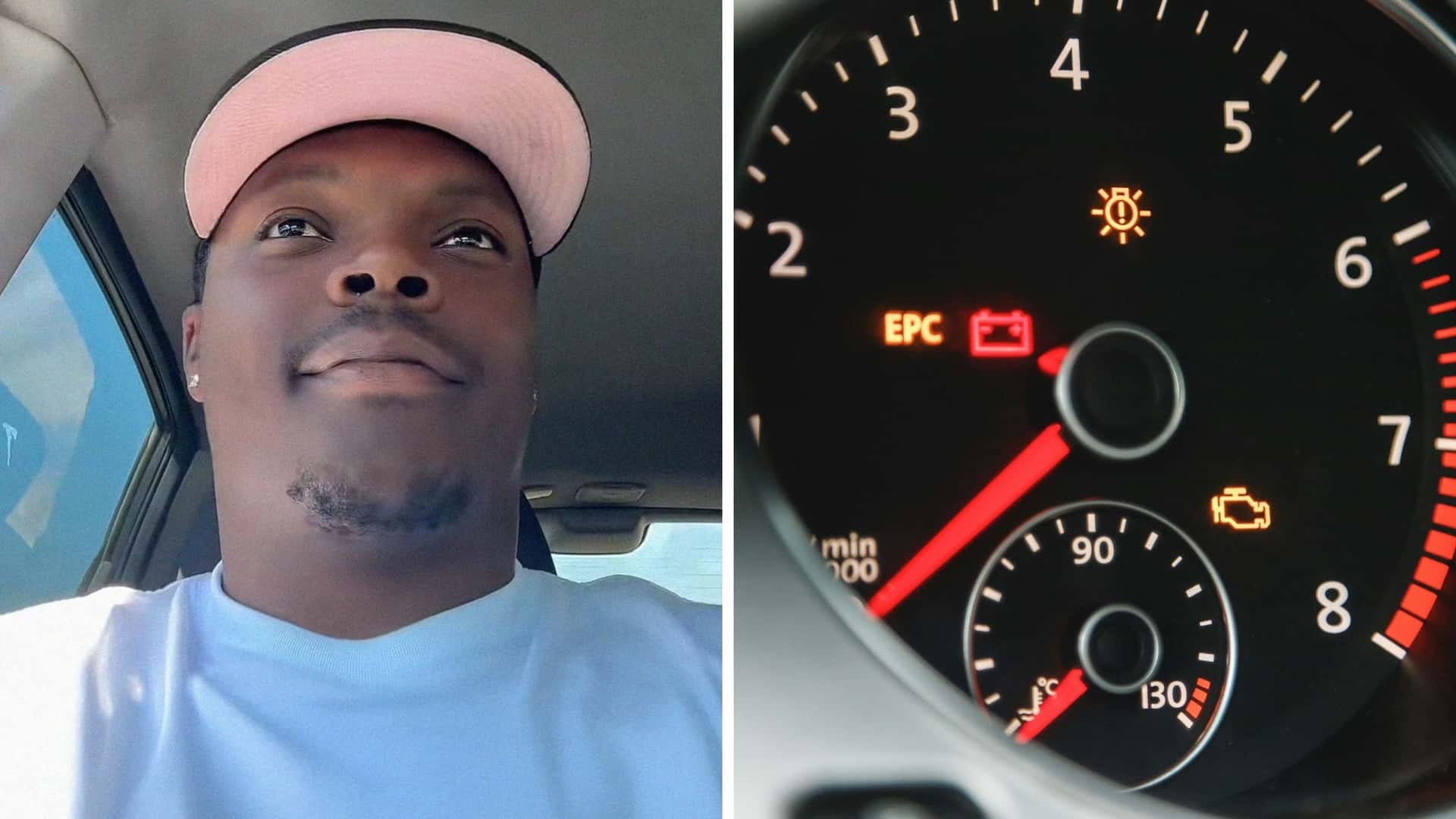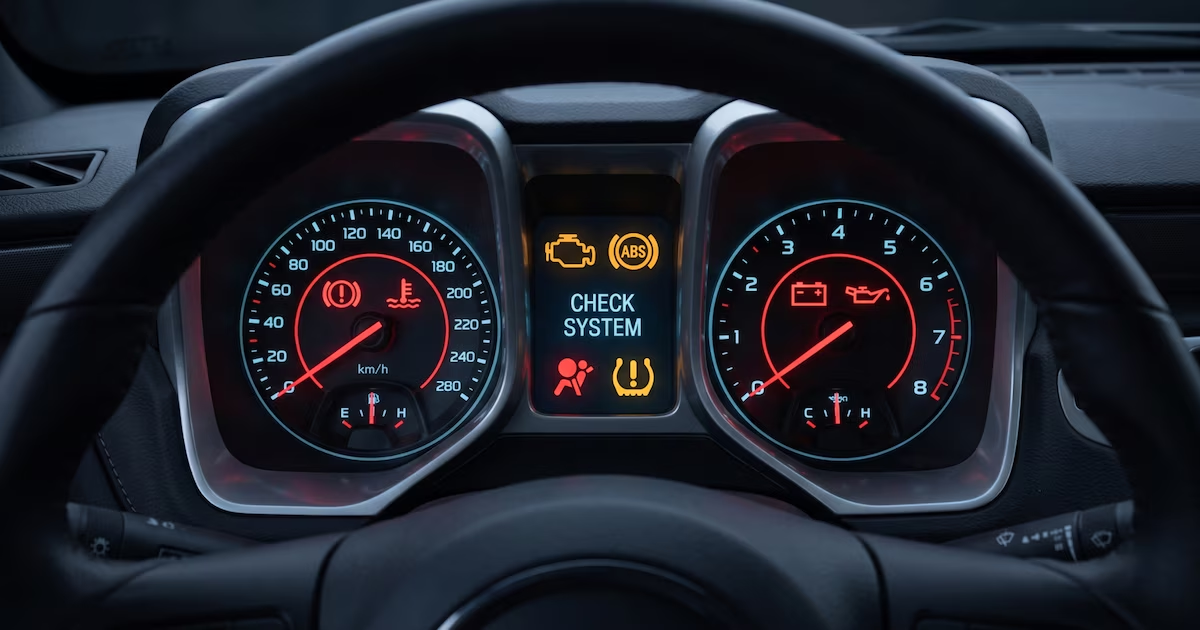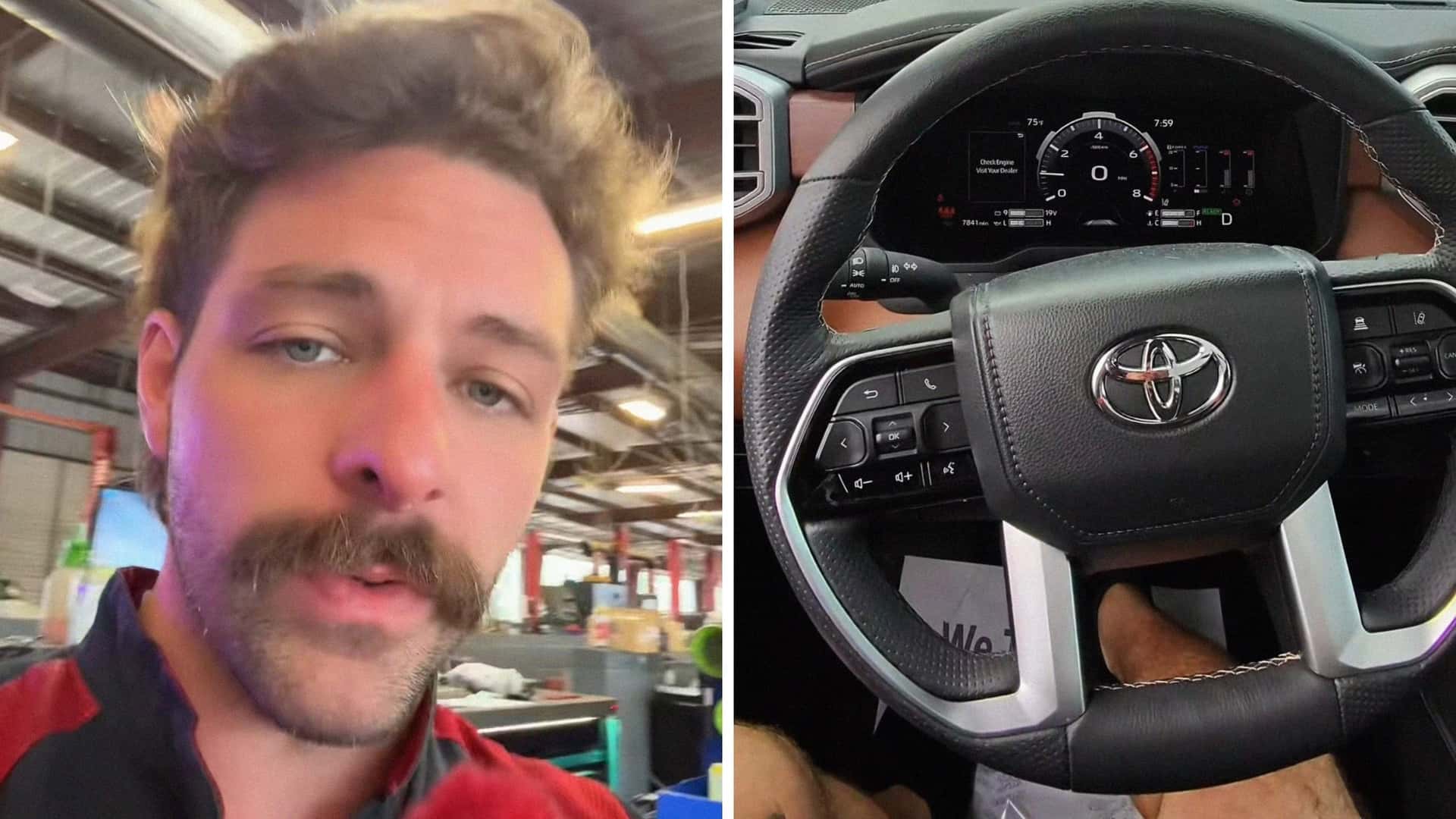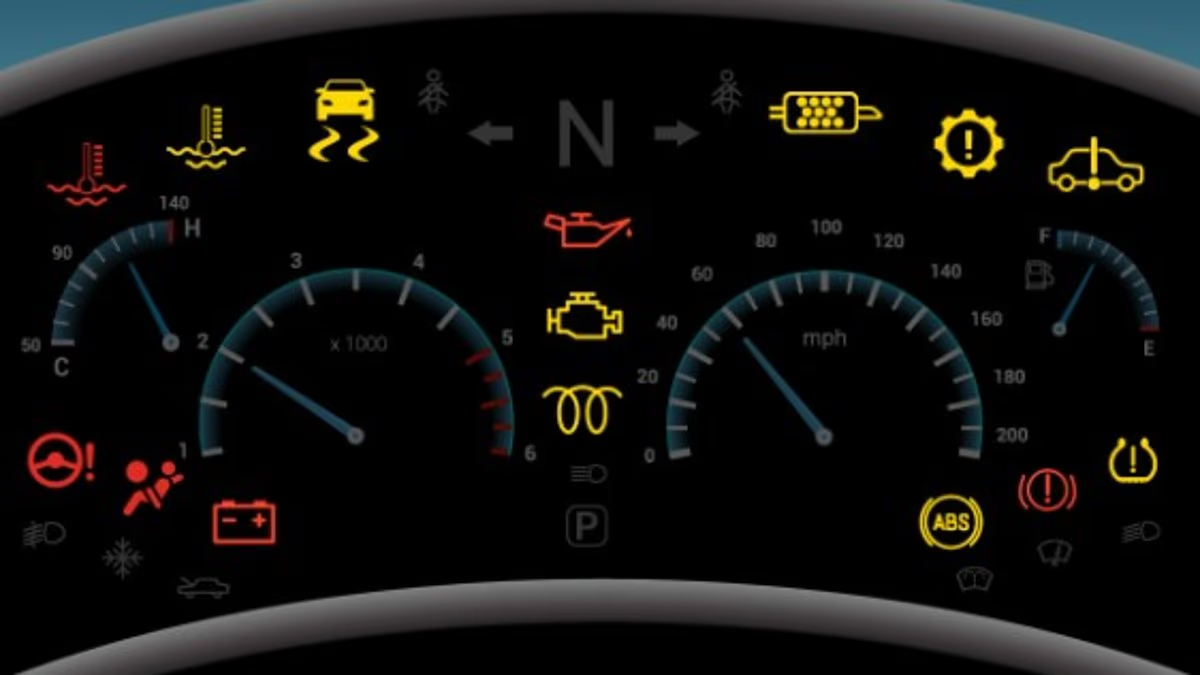
You’re on your way to a crucial meeting or important family event when a worrying warning light flashes up on the dashboard.It could be nothing, or it may be a nightmare in the making. Many of us don’t know how to tell the difference.With more than 50 different warning symbols in our cars, you might get an alert for something as simple as not closing the boot properly, but you could also get one triggered by an impending catastrophic engine failure.To help you understand what your dashboard lights mean and the potential cost implications of something bad, we enlisted the help of Carly, a car diagnostic equipment specialist.It reviewed 8.5 million diagnostic checks over the past six months and shared exclusive data with the Daily Mail and This is Money on the most frequently recorded fault codes that prompt the lights and the potential cost of repairs on the average car.Below we reveal its findings, what warning lights mean and what to watch out for.
What you need to know about warning lights The severity of a problem is indicated by the colour of a dashboard symbol. If you have an icon shining green, white or blue, then you’re in the clear, as these lights show on the dashboard merely to tell the driver things are working correctly, or that a feature – such as the headlight main beam – is in use.But if it’s a warning light that’s amber or red, you could have more cause for concern.The RAC says red typically indicates a potentially dangerous issue – and drivers must stop the car as soon as it is safe to do so and have it checked over by a qualified mechanic.Amber icons tend to highlight when something needs to be investigated, but not quite as urgently.Common faults and their cost Engine management warning light: £64 - £2,400 Also known as the ‘check engine light’, this will illuminate either amber or red and can be solid or flashing, depending on the gravity of the issue.Carly says faults that commonly trigger it can be as simple as an electrical issue with an oil cooling valve, which can cost as little as £64 to fix a dodgy connector.Issues linked to the ECU (the electronic control unit, which acts as the car’s brain), catalytic converter and fuel pump are also often reasons why this warning light comes on.But the priciest of the most frequent faults is a lack of boost pressure from a turbocharger. Rectifying a boost leak can cost as little as £134, but if the turbo needs replacing it typically costs between £1,300 and £2,400.Airbag warning light: £139 - £2,160The airbag – or Supplemental Restraint System – icon will illuminate red when at least one element within the airbag system is not working.Carly says three of the 20 most common faults triggering the lights are related to the airbag ignition circuit, which is the electrical pathway linking the control module to the airbag inflator.If this is found to be a cable connection fault, the repair cost can be as low as £139. However, if the problem is sensor-related, the cost of rectifying the issue is between £540 and £768. In a worst-case scenario, if the problem is caused by the airbag itself, a replacement costs between £1,440 and £2,160.Glow plug warning light: £134 - £1,504Glow plugs are metal heating devices installed in the cylinders of a diesel engine that preheat the combustion chamber to ensure the engine starts smoothly. If the dedicated glow plug warning light stays illuminated after start-up, it is often a sign that the plugs need replacing.A defective glow plug can cost as much as £1,504 to rectify, though it can be as little as £134 if the issue is caused by a faulty plug connection.Diesel particulate filter warning light: £150 – £2,610The diesel particulate filter is designed to trap harmful pollutants before they are emitted from a diesel car’s exhaust. However, it can become clogged or blocked over time, triggering the warning light. In older cars, this can often be caused by lots of short journeys and the light can be cleared by a reasonable length motorway run.If that doesn’t clear the DPF, Carly says this light is commonly caused by either a sensor or pressure differential issue, which costs between £135 and £205 to fix. But if the warning light is due to a DPF needing full replacement, the price jumps to between £1,753 and £2,610.Oil warning light: £64 – £185An oil warning light will illuminate when either the oil temperature is too high or the oil level or pressure is too low. Carly says it is most commonly the result of a defective cable connection or sensor within the system, meaning the typical cost of resolving the issue is between £64 and £185.Battery warning light: £64 – £1,813When a battery warning light illuminates, it could be a sign that the battery is reaching the end of its life and needs replacing, or may be due to a problem with your car’s electrical system. Carly says the most common cause of that is the alternator.If it is simply a defective plug connection, it can cost as little as £64 to fix. But if a replacement alternator is needed, the price rises to between £1,235 and £1,813.ESC/ABS warning light: £134 – £607Left, the electronic stability control (ESC) warning light. Right, the ABS warning lightOne of the 20 most common faults to trigger this dashboard warning light, according to Carly, is a defective steering wheel angle sensor. Depending on the vehicle manufacturer, this can illuminate either the electronic stability control or ABS warning light – or both.Recalibrating the sensor, including labour, costs as little as £134. If a replacement sensor is required, this pushes the cost up to as high as £607.Automatic gearbox warning light: £134 - £662Cars with automatic gearboxes have a warning light specifically for issues linked to the transmission. Brands use a variety of icons, though it is typically a gearwheel encircling a thermometer or an exclamation mark.Carly says a common cause is an automatic transmission stuck in gear. Resolving the problem typically involves either topping up or replacing the gearbox oil, which could cost £134, or a time-consuming valve body replacement costing in the region of £473 to £662.High-voltage EV system: £64 - £1,603Electric vehicles have their own warning lights, and the high-voltage EV system is one that is commonly triggered by issues with electric auxiliary heaters that draw heat directly from the main battery pack to warm the cabin and defrost windows in the winter.If this is caused by a faulty plug connection, remedying the problem can be as little as £64. If it is a control unit failure, a new one can cost between £424 and £607. But the most expensive fix is replacing the electric auxiliary heater, at a cost – including labour – of £1,070 to £1,603. Common lights to watch out for Engine temperature warning light: If red, this symbol indicates the engine temperature is dangerously high and overheating — the driver should stop immediately. It could be linked to a lack of coolant. This is a coolant warning lightCoolant warning light: If the same symbol illuminates yellow, this indicates the system has detected insufficient coolant levels. You should stop to prevent the engine overheating but always wait for it to fully cool down before opening the tank and topping up.Brake system warning light: If illuminated, this could be caused by a number of issues within the brake system, such as low brake fluid or a problem with the electronic parking brake. It can also appear alongside other braking warning lights, such as ABS or brake pad warnings. This is a tyre pressure warning lightPower steering warning light: This red warning light indicates an issue within the power steering system, which should be investigated immediately. It could be caused by insufficient hydraulic steering fluid due to a leak.Tyre pressure warning light: This light will illuminate amber if the car’s tyre pressure monitoring system detects a sudden drop in pressure or that one tyre differs significantly from the others. It could indicate damage to the tyre or a puncture. If you have any queries, contact moneymail@dailymail.co.uk