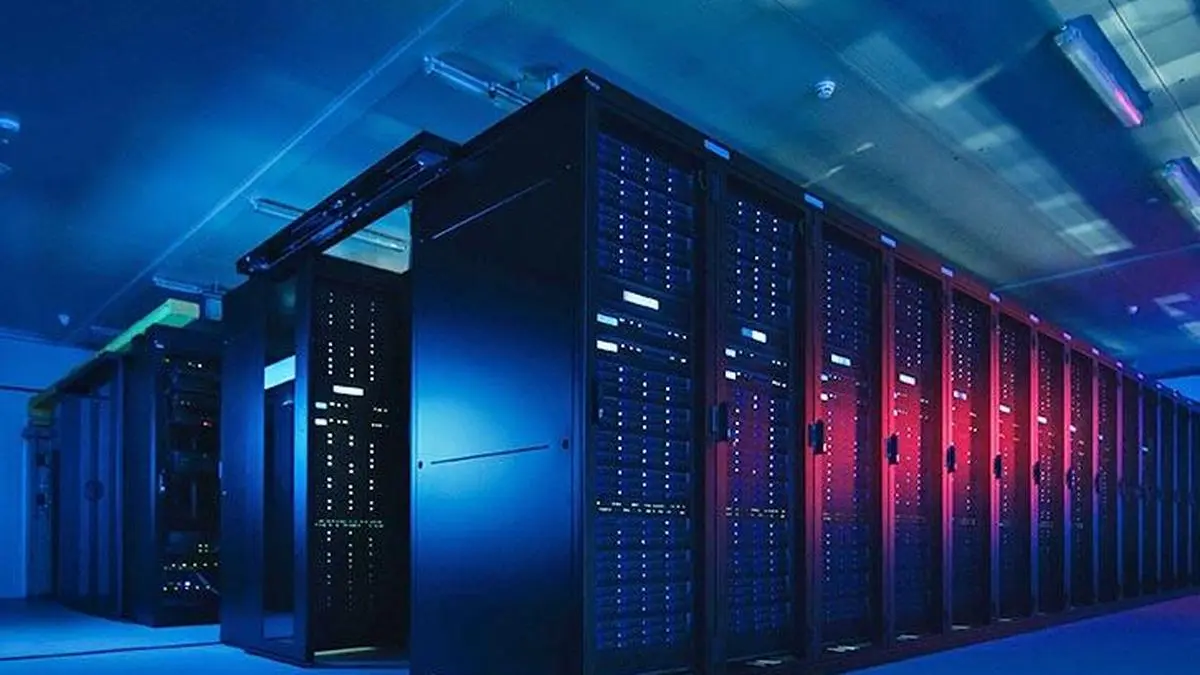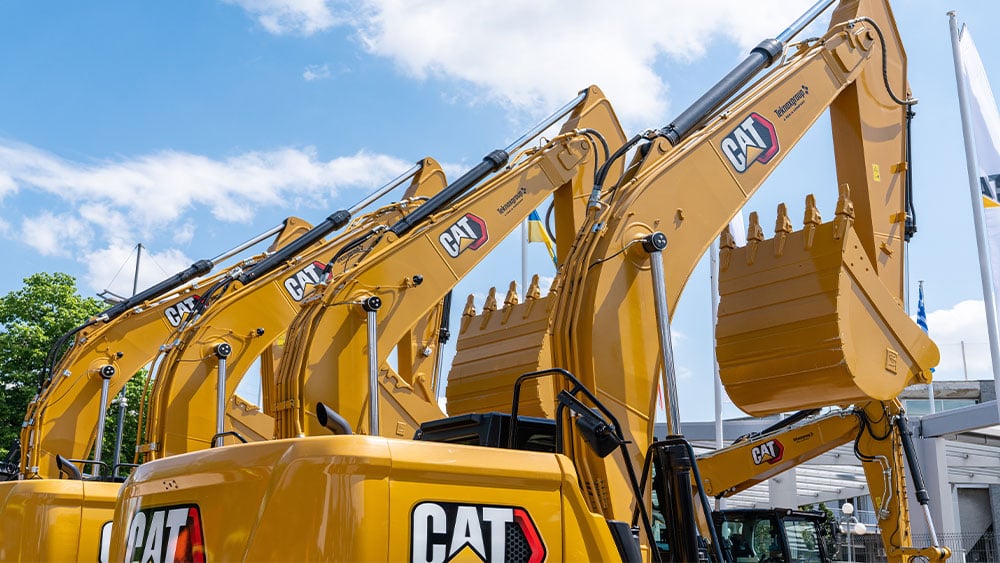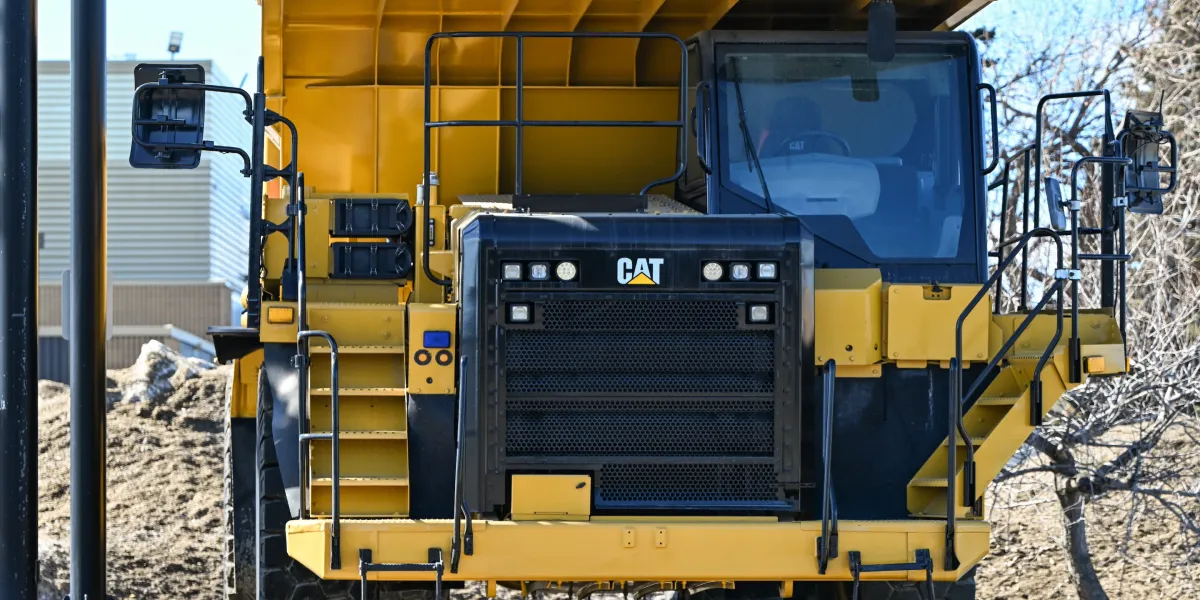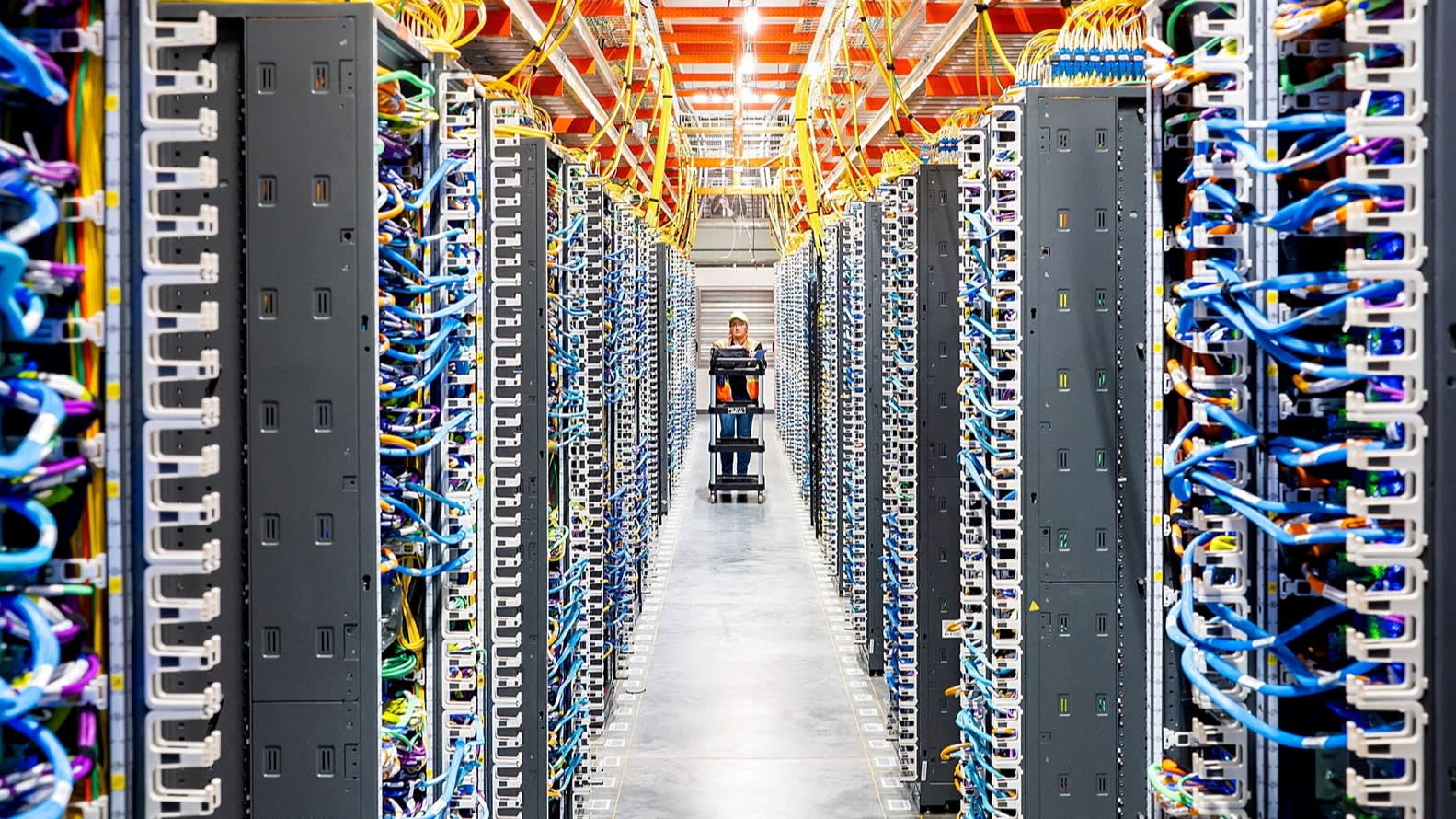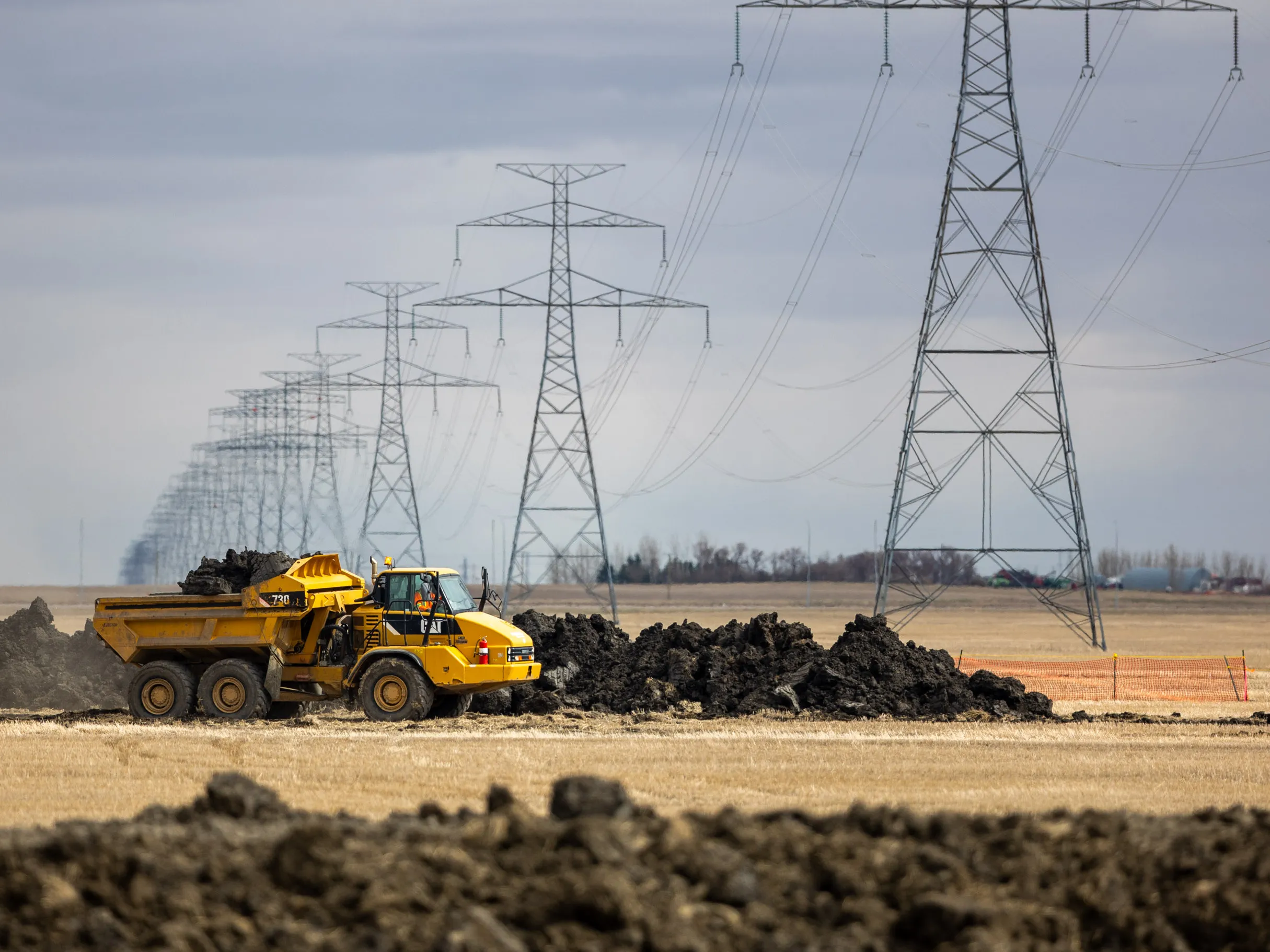
Skip to Content News Archives Economy Energy Oil & Gas Renewables Electric Vehicles Mining Commodities Agriculture Real Estate Mortgages Mortgage Rates Finance Banking Insurance Fintech Cryptocurrency Work Wealth Smart Money Wealth Management Investor Personal Finance Family Finance Retirement Taxes High Net Worth FP Comment Executive Women Puzzmo Newsletters Financial Times Business Essentials More Innovation Information Technology FP500 Podcasts Small Business Lives Told Tails Told Shopping Financial Post Store Obituaries Place a Notice Advertising Advertising With Us Advertising Solutions Postmedia Ad Manager Sponsorship Requests Classifieds Place a Classifieds ad Working Profile Settings My Subscriptions Saved Articles My Offers Newsletters Customer Service FAQ News Economy Energy Mining Real Estate Finance Work Wealth Investor FP Comment Executive Women Puzzmo Newsletters Financial Times Business Essentials HomeFinancial TimesThe unlikely corporate winners of AICaterpillar and Hochtief are among once-staid 'picks and shovels' companies lifted by the data centre boomAuthor of the article: You can save this article by registering for free here. Or sign-in if you have an account.AI data centres are more complex in terms of engineering and construction than those dedicated to cloud storage, spurring Big Tech to look further afield for specialist suppliers. Photo by HEYWOOD YU/Regina Leader-PostThe AI boom is lifting the fortunes of hundreds of formerly drab industrial, utility and mining companies as investors turn to the “picks and shovels” needed to build and power vast data centres.Subscribe now to read the latest news in your city and across Canada.Exclusive articles from Barbara Shecter, Joe O'Connor, Gabriel Friedman, and others.Daily content from Financial Times, the world's leading global business publication.Unlimited online access to read articles from Financial Post, National Post and 15 news sites across Canada with one account.National Post ePaper, an electronic replica of the print edition to view on any device, share and comment on.Daily puzzles, including the New York Times Crossword.Subscribe now to read the latest news in your city and across Canada.Exclusive articles from Barbara Shecter, Joe O'Connor, Gabriel Friedman and others.Daily content from Financial Times, the world's leading global business publication.Unlimited online access to read articles from Financial Post, National Post and 15 news sites across Canada with one account.National Post ePaper, an electronic replica of the print edition to view on any device, share and comment on.Daily puzzles, including the New York Times Crossword.Create an account or sign in to continue with your reading experience.Access articles from across Canada with one account.Share your thoughts and join the conversation in the comments.Enjoy additional articles per month.Get email updates from your favourite authors.Create an account or sign in to continue with your reading experience.Access articles from across Canada with one accountShare your thoughts and join the conversation in the commentsEnjoy additional articles per monthGet email updates from your favourite authorsSign In or Create an AccountorMore than 200 public companies — from makers of jet engines to air conditioning — that are linked to supply chains for data centres or semiconductors have outperformed the MSCI World Index, which rose over 21 per cent over the year ending June 9, according to FT research. This takes into account the sell-off that hit technology and AI-linked stocks on Friday amid fears of interest-rate hikes.The companies benefiting include Caterpillar, best known for construction equipment but now supplying generators for data centres, 150-year-old German engineering company Hochtief, which will enter the Dax later this month, and Nucor, a steel supplier that has credited “white hot” AI demand for a “tsunami of earnings power”.Get the latest headlines, breaking news and columns.By signing up you consent to receive the above newsletter from Postmedia Network Inc.A welcome email is on its way. If you don't see it, please check your junk folder.The next issue of Top Stories will soon be in your inbox.We encountered an issue signing you up. Please try againMeanwhile, Ford Motors’ share price surged by a fifth in May after announcing it would pivot its electric vehicle business to focus on battery storage for data centres.The figures underline how investors looking to capitalize on AI are increasingly looking beyond chips, memory and software to the companies behind the massive physical build-out supporting its development and use.“It’s a very exciting time for the industry,” said Alex Cordovil, an analyst at Dell’Oro. “We see a lot of these industrial players needing to adapt to meet the needs of AI… a lot of these companies are 100-plus years old, so it’s quite refreshing to see it inject more dynamism into [them].”There had been a “pronounced acceleration” in demand for AI infrastructure in the past six months, said George Featherstone, a European industrials analyst at Barclays. As a result many companies’ data centre businesses were experiencing “triple-digit” orders growth year on year, he added.The surge is being driven by the wave of investment by AI hyperscalers, with Alphabet, Microsoft, Amazon, Meta and Oracle projecting US$700 billion in capital spending in 2026 alone. Monthly spending on data centre construction hit US$50 billion in the United States in April, according to government data. JLL forecasts global data centre capacity will double to 200GW by 2030.AI data centres are also more complex in terms of engineering and construction than those dedicated to cloud storage, spurring Big Tech to look further afield for specialist suppliers.For instance, AI servers must be more tightly linked together, increasing the need for advanced cabling and optics. Shares in Corning, the 175-year-old inventor of Pyrex glass that also supplies screens for Apple’s iPhones, have increased by more than 270 per cent in the past year after it signed deals with Meta and Nvidia to supply optical fibre cabling to AI data centres.The vast amounts of electricity needed for AI training are also fuelling demand for specialized power management, high-voltage electronics and cooling technologies.This has led to big interest in traditional suppliers of electrical equipment, typically deployed in residential and industrial projects.Eaton, an Ohio-based power management company, received 240 per cent more data centre orders in Q1 this year, according to its chief executive Paulo Ruiz, who added that it expected AI power demand to nearly triple in the next five years. French electrical equipment maker Legrand has doubled its revenues this decade with half of the growth coming from data centres, which now make up more than a quarter of its turnover.Air conditioning and liquid cooling — using water to stop chips from overheating — are in demand too. Shares in AC maker Comfort Systems USA have shot up 260 per cent over the past year, while Schneider Electric bought a stake in data centre liquid cooling specialist Motivair for US$850 million last year.Utilities are rushing to supply AI companies with power — including Spain’s Iberdrola, a leading supplier of power contracts to tech firms in Europe, according to PexaPark data, and Entergy in the U.S., whose share price hit a record high after a US$10 billion deal with Meta.Meanwhile, gas turbines, once near-obsolete, now have an up to seven-year backlog in the U.S., according to S&P Global, as data centre demand grows for backup or off-grid power supplies.Siemens Energy, which before its spin-off from Siemens AG cut thousands of jobs as gas turbine demand plummeted in the 2010s, said that Q1 2026 was its strongest ever for orders.Several generator and engine companies have also pivoted to supplying data centres, including Caterpillar, Boeing supplier Howmet Aerospace, Finnish ship engine maker Wärtsilä and Baker Hughes, which formerly focused on oilfield services.“My maxim these days is anything that can spin an engine is going to end up in a data centre,” said Cordovil.Part of the appeal of the new market is the speed the projects move at compared to traditional industrial clients. In the U.S., many data centre customers were prepared to pay over the odds in reservation fees for potential future orders, one company told the FT.However, questions are being raised over whether the wave of investment can last — particularly if demand from the relatively small number of companies driving the build-out slows. Bain & Company has estimated that the tech industry must generate US$2 trillion in AI revenue per year to justify current data centre spending trends.Many industrial companies were hit by the market rout set off by the release of Chinese LLM DeepSeek at the start of 2025, which raised fears AI would no longer require such huge investment.The OECD warned last week of a “market repricing” of AI companies should the U.S.-Iran war drag on, keeping energy prices high and threatening data centre construction in the Middle East.Most companies remain bullish and believe the AI investment cycle is here for the long term.Schneider Electric told the FT AI data centres were a “core growth driver” for the company, while Siemens’ head of data centres Ciaran Flanagan said AI demand was a “long-term, structural growth trend rather than a short-term cycle”, adding that its data centre business grew 40 per cent in 2025.Cordovil said that while the pace of change had been a “very big culture shock” for many industrial companies, “the prize is the amount of capex that is coming towards AI”.Market capitalisation and share price figures as of 6pm United Kingdom time, June 8, 2026© 2026 The Financial Times Ltd Join the Conversation This website uses cookies to personalize your content (including ads), and allows us to analyze our traffic. Read more about cookies here. By continuing to use our site, you agree to our Terms of Use and Privacy Policy.
The unlikely corporate winners of AI
Caterpillar and Hochtief are among once-staid 'picks and shovels' companies lifted by the data centre boom. Find out more here
1,560 words~7 min read