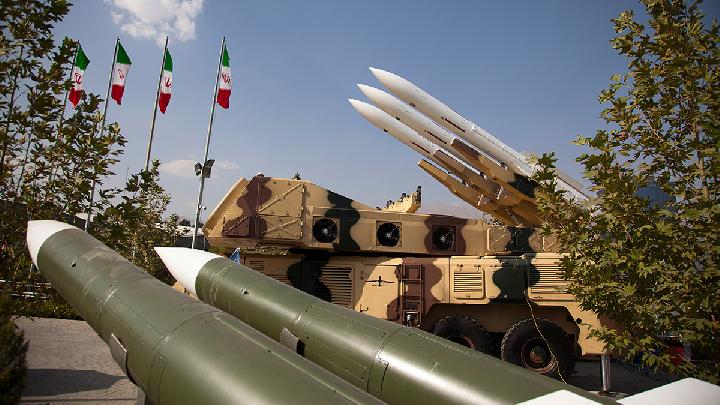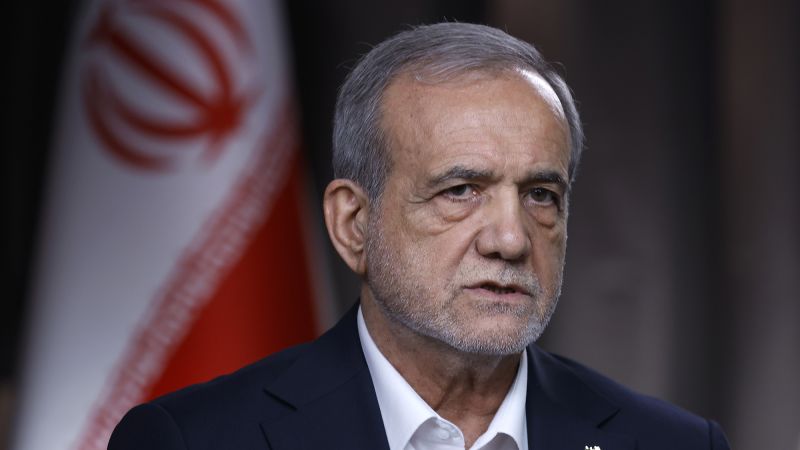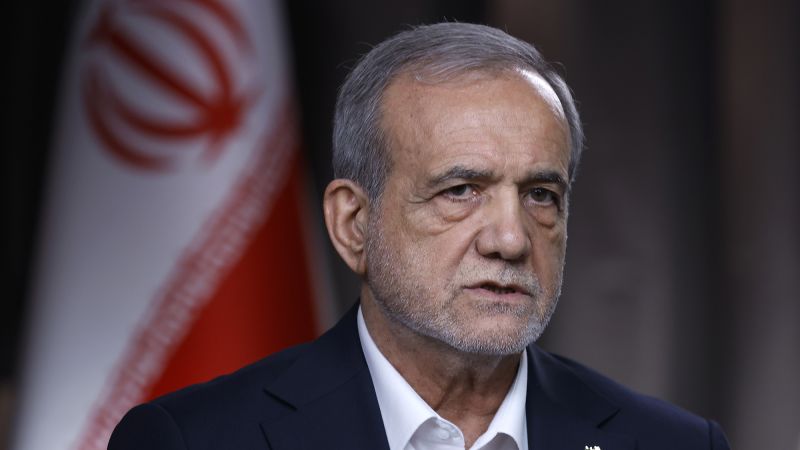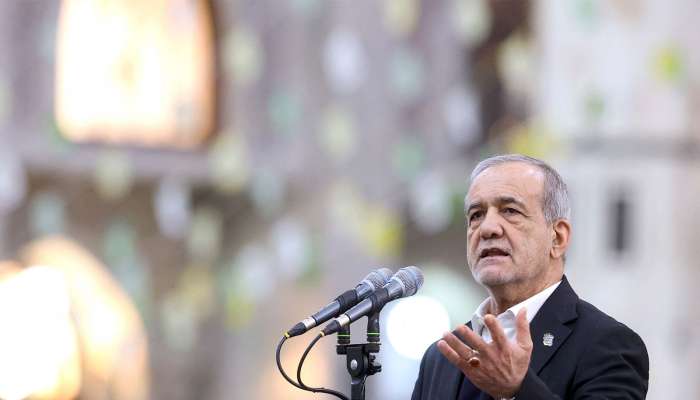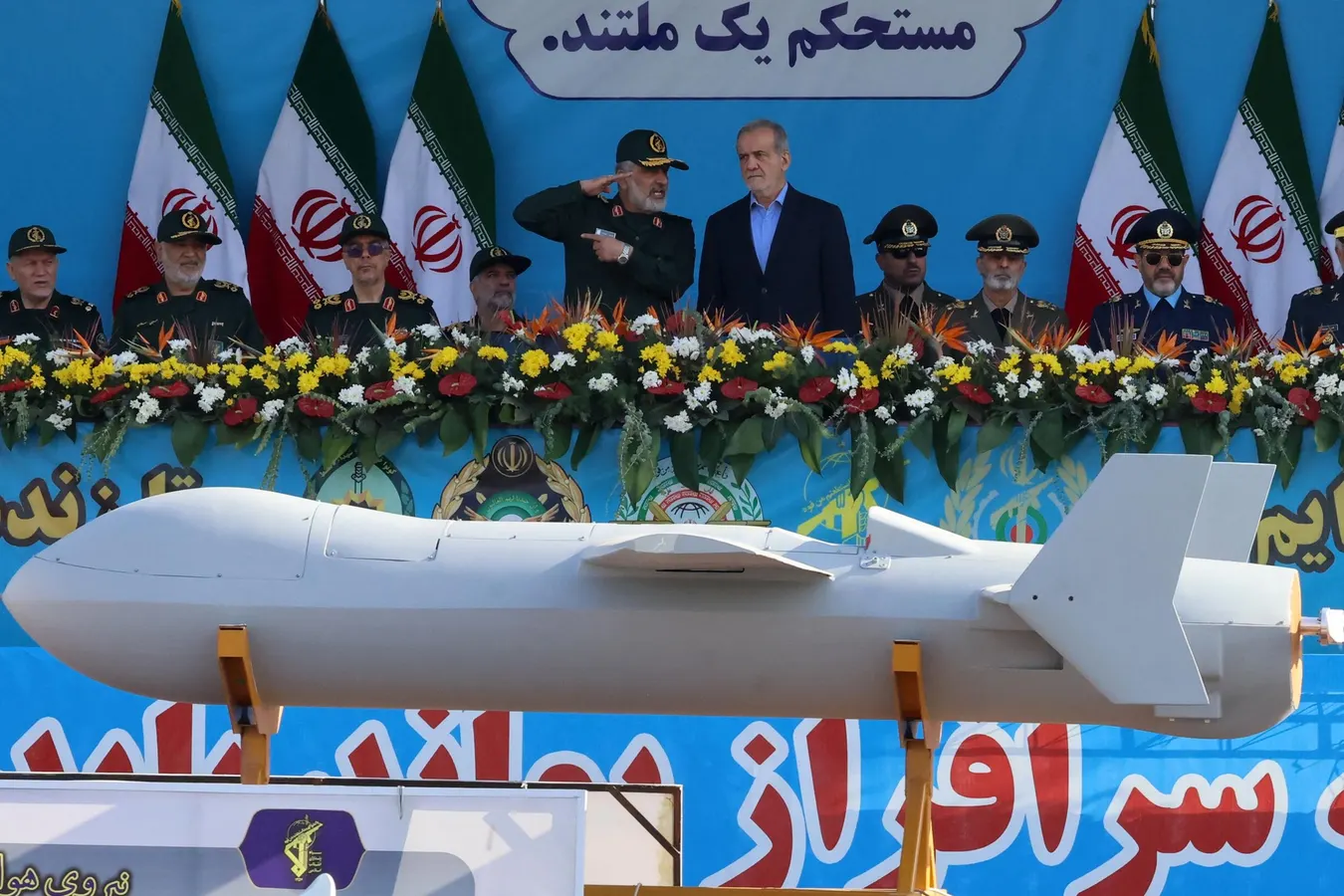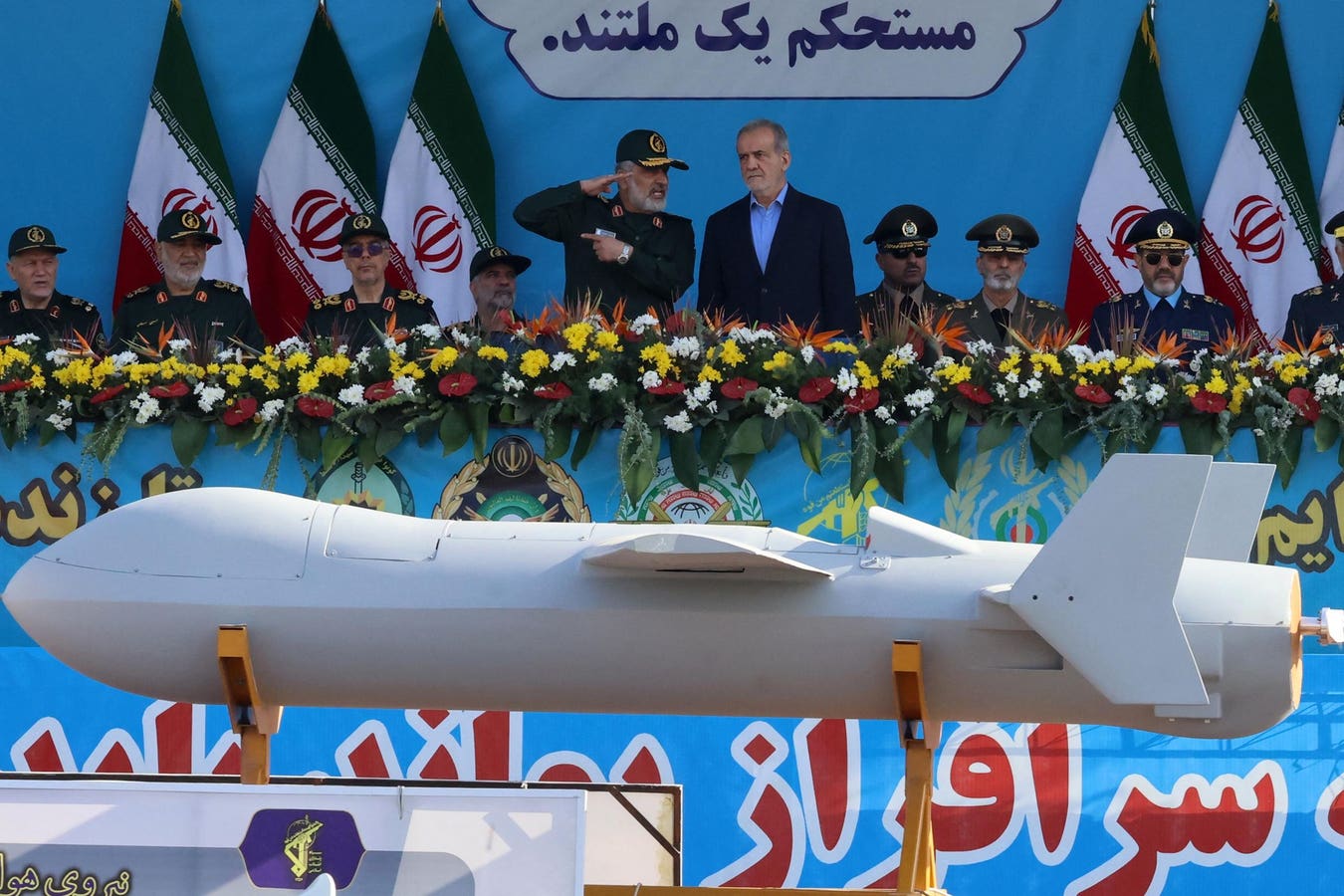
Iranian President Masoud Pezeshkian (R) and commander of the Islamic Revolutionary Guard Corps' Aerospace Force Amir Ali Hajizadeh look on as Iran's new Shahed 136-B drone is displayed during the annual military parade marking the anniversary of the outbreak of the 1980-1988 war with Saddam Hussein's Iraq, Iran's long nurtured defense industrial base has proven invaluable for Tehran.
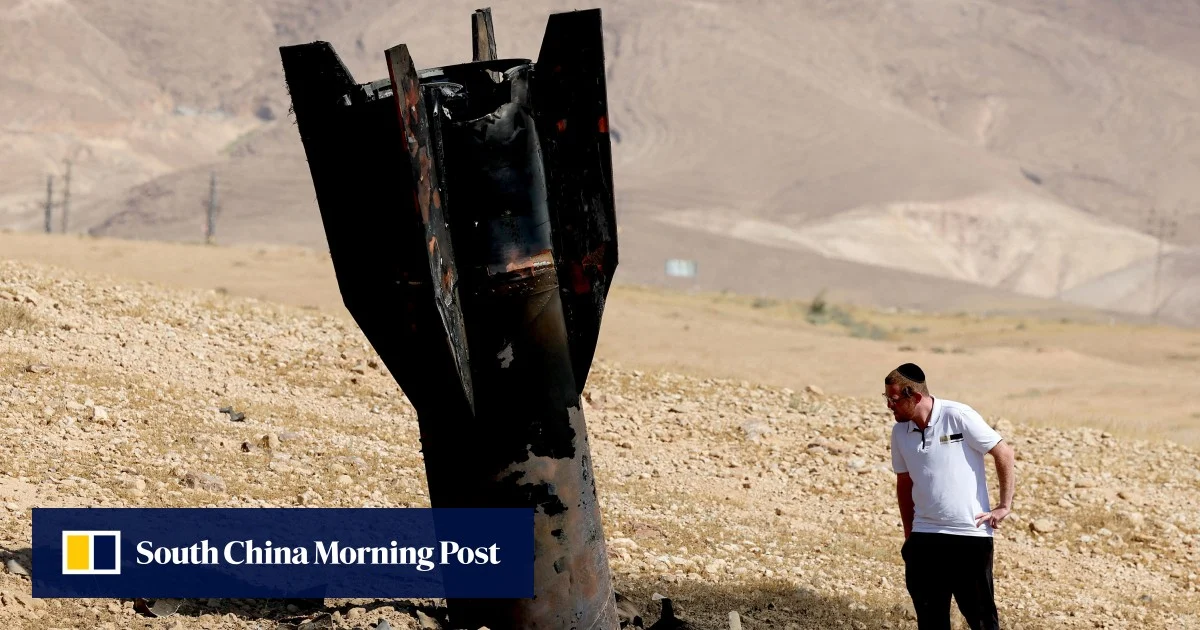
Since June 7, Iran and its proxy, the Houthi rebels (with their rallying cry, “God is great, death to America, death to Israel, a curse upon the Jews, victory to Islam”), have launched more than 30 ballistic missiles at Israel, prompting the Israelis to retaliate with airstrikes, and setting the stage for renewed hostilities and escalating instability in the region. Iran’s Parliamentary Speaker, Mohammad Baqer Ghalibaf, said Iran’s response was tied to the U.S. naval blockade and alleged Israeli counterattacks against Hezbollah in Lebanon, and threatened further action against U.S. and Israeli targets. While the attacks have escalated tensions in the Middle East and exposed the fragility of diplomatic efforts, they also highlight the growing economic constraints shaping Iran’s position. Some analysts say that Iran wants a deal to lift the U.S. blockade and allow the export of oil already loaded on tankers stuck in the Gulf.