Listen
/
1.0x
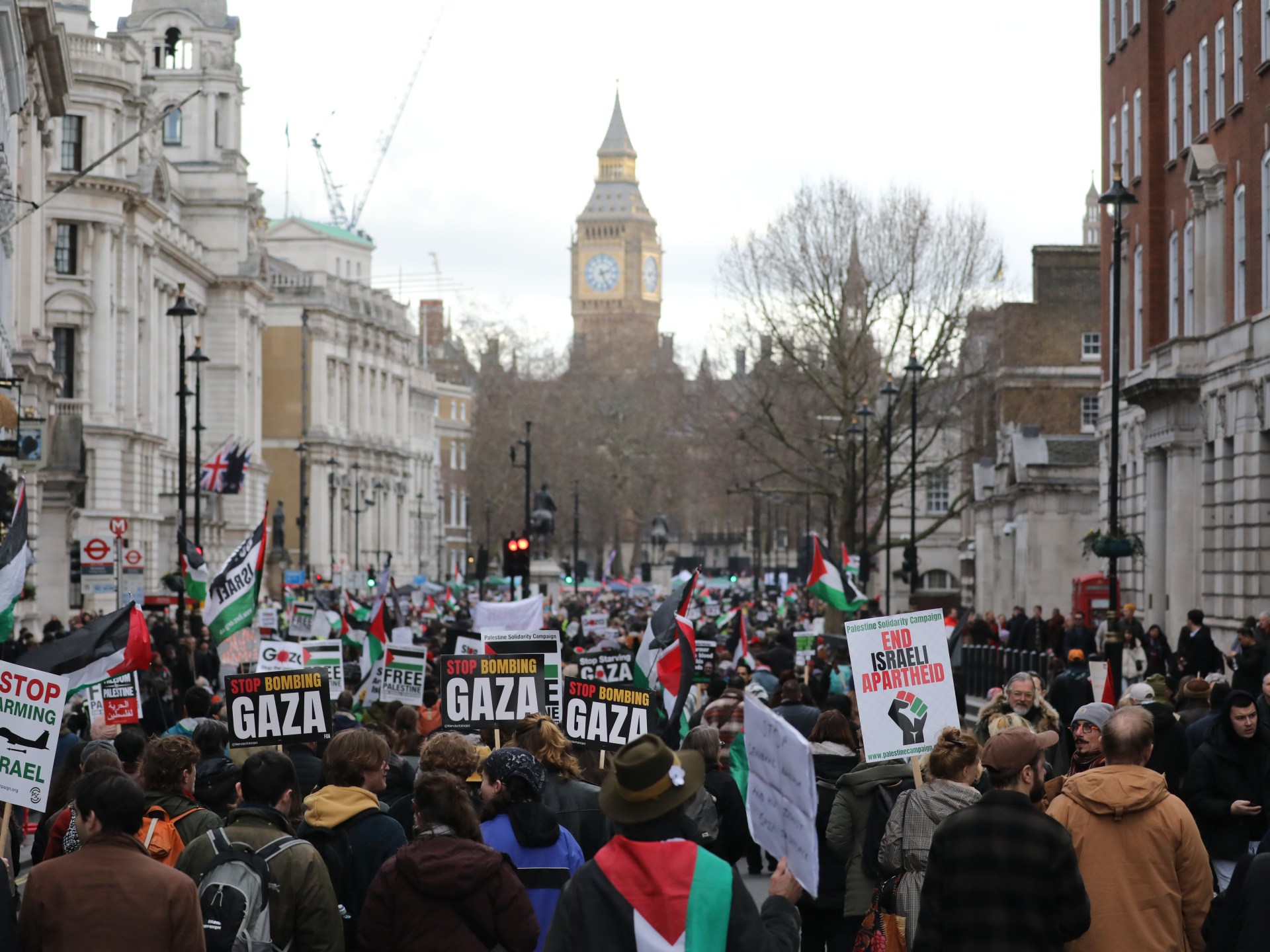
At a recent gathering of social scientists in Washington, DC, a Pakistani-American academic spoke movingly about Palestine. The vocabulary was polished, the grief sincere, the analysis appropriately grave. Then a Palestinian academic asked the question that should stalk every Pakistani and South Asian intellectual in the West: why are you so eloquent about Palestine and so silent about Pakistan? Why can you name Zionism but not Imran Khan? Why can you speak of genocide but not General Asim Munir, Trump’s favorite field marshal, presiding over Pakistan’s quasi-dictatorial order? Why does Pakistan — the country you analyze, inherit, visit, romanticize, and perform — become unspeakable precisely when it most needs speech?
To her credit, the Pakistani-American academic did not disappear into theoretical fog. She confessed the truth. It is easier now for Pakistani academics to speak about Palestine than Pakistan. Palestine may bring applause. Pakistan may bring consequences: intelligence harassment, family pressure, airport unpleasantness, poisoned trips home, calls to relatives. These are the real borders of courage. We keep quiet, she admitted in substance, because we want to travel comfortably.