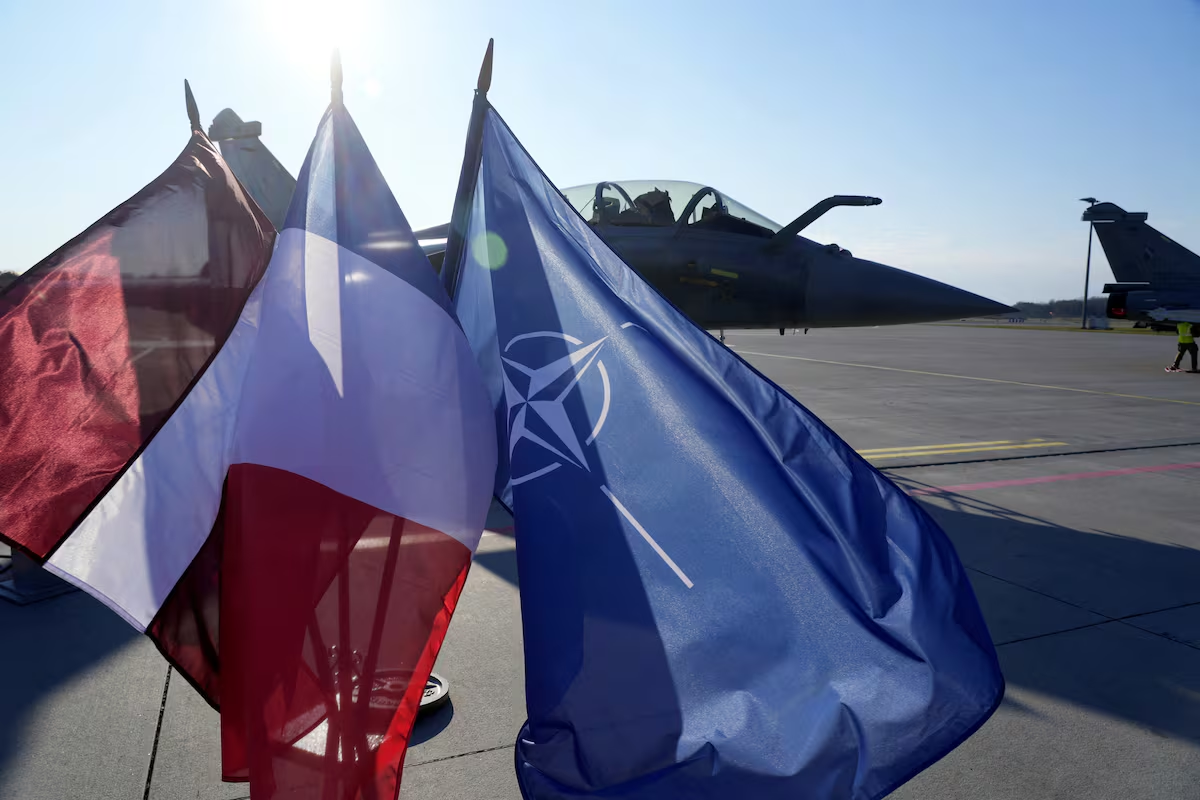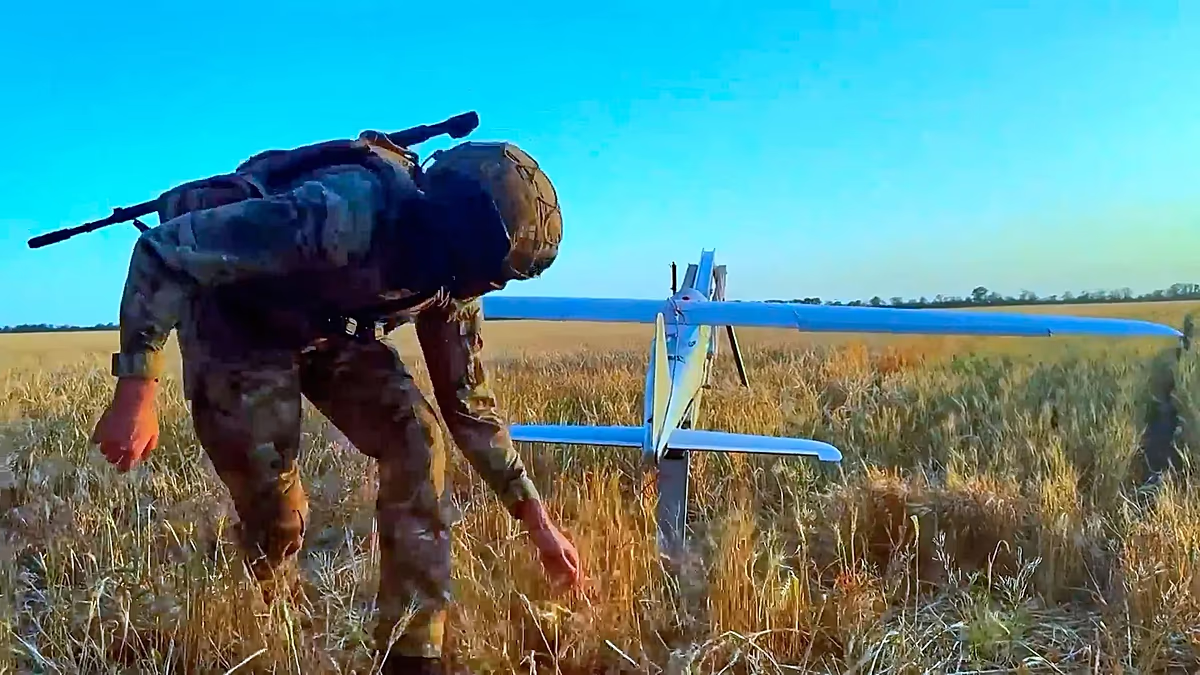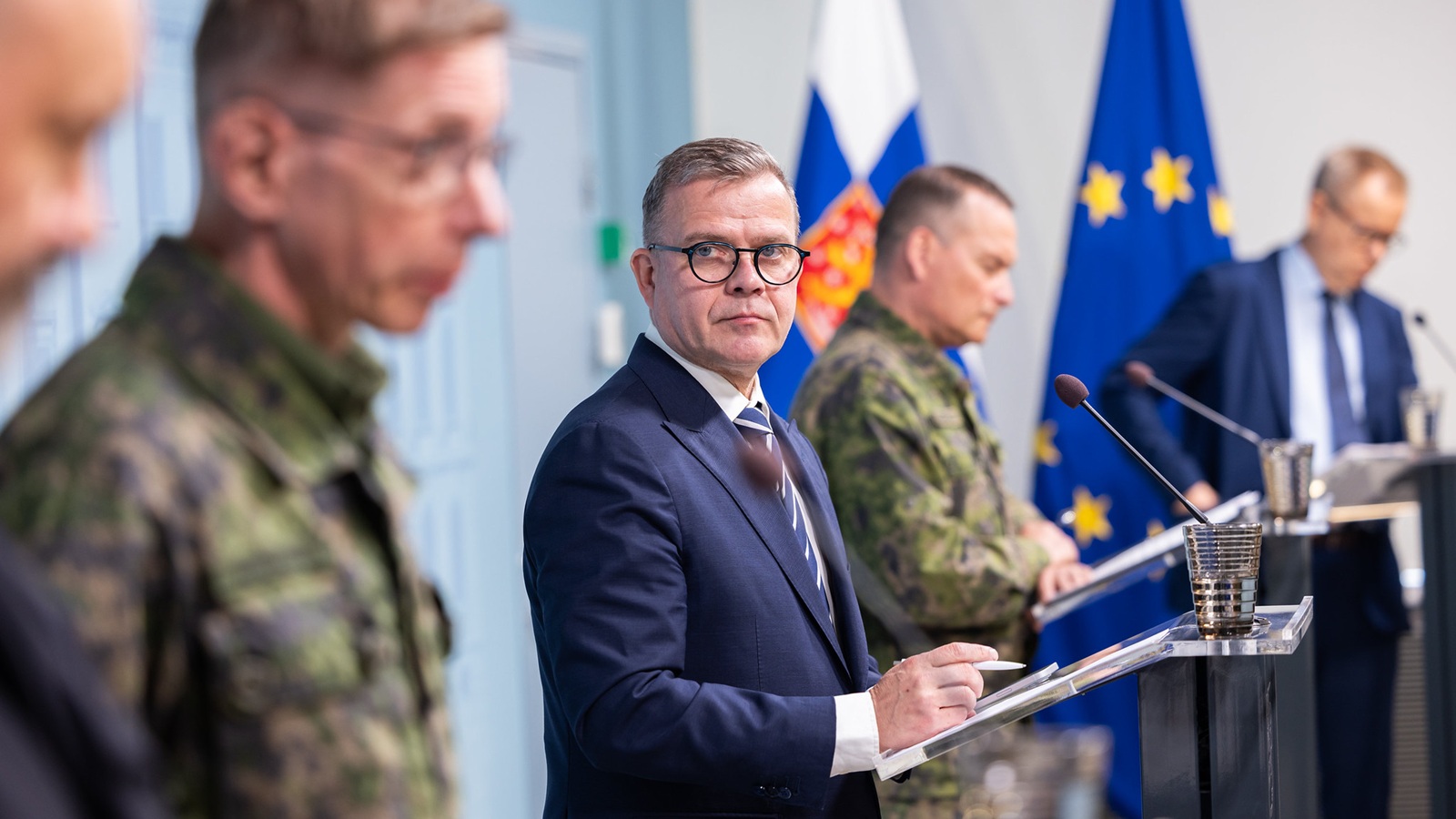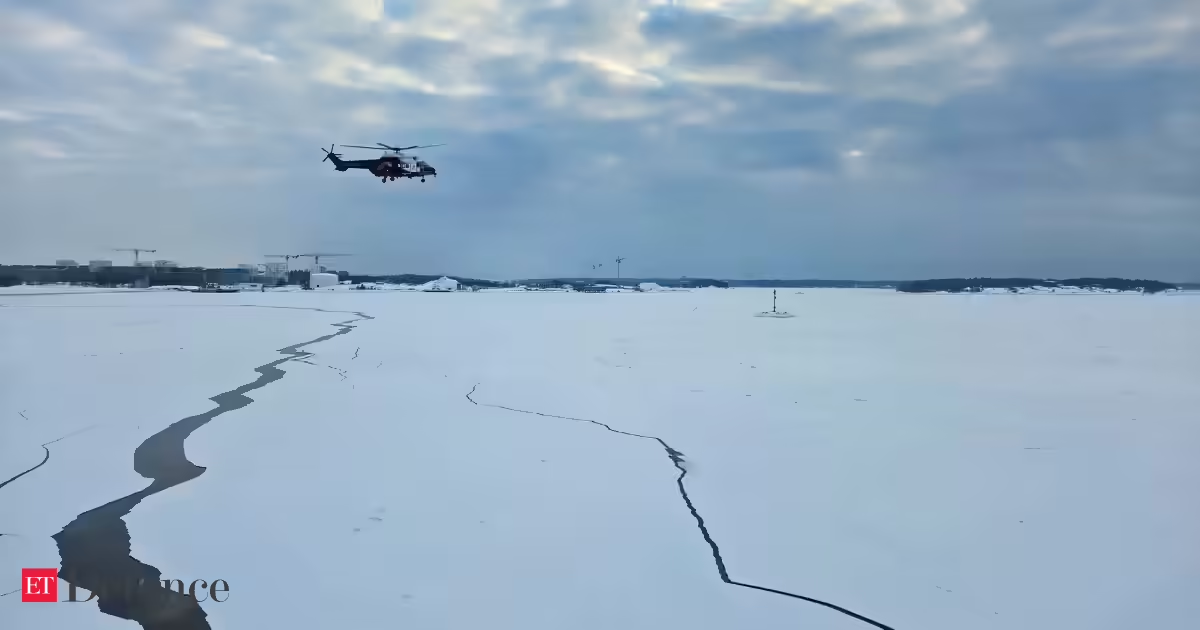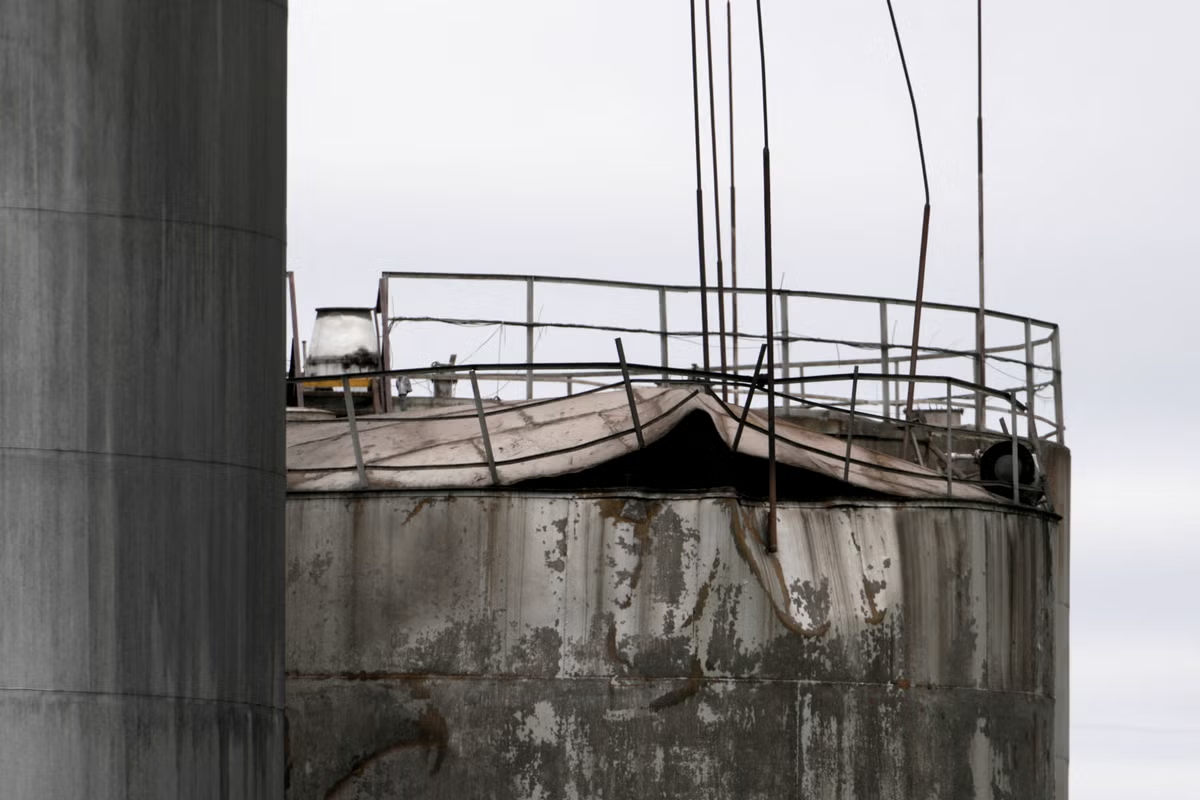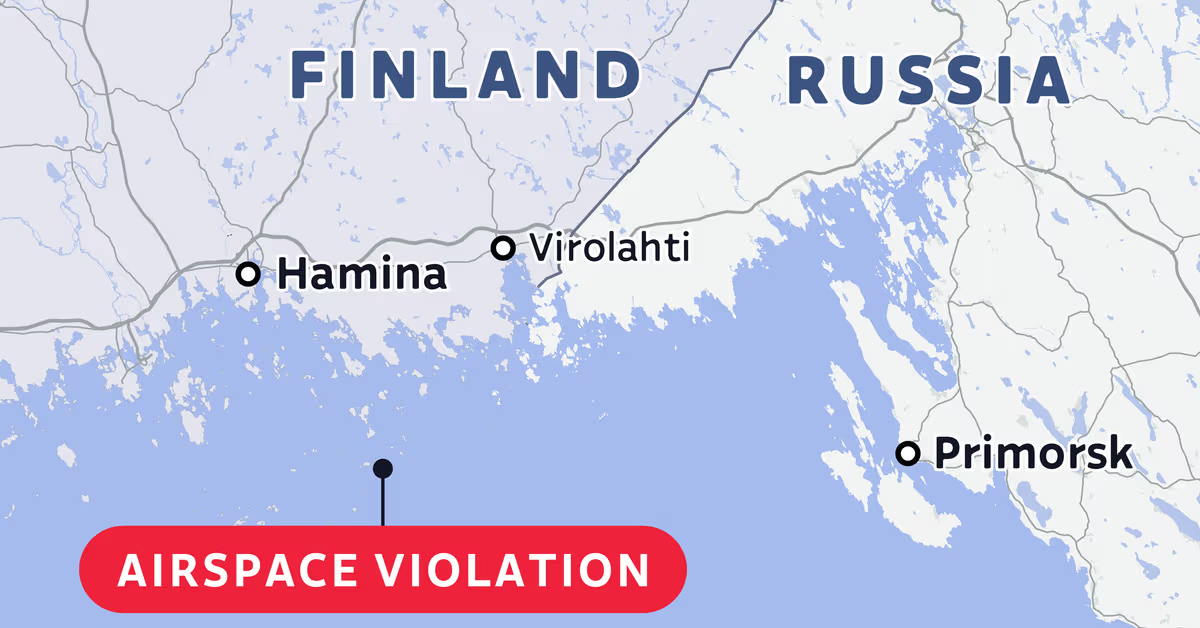
A strategic analyst says inaction creates a dangerous precedent.Keir Giles, a Russia expert at Chatham House, a London-based geopolitical think-tank, told Yle News that Finland should expect more drone incursions. Image: Silja Viitala / YleZena Iovino16:30Military drones entering the airspace of Finland and the Baltics are raising concerns that the war in Ukraine may be spilling over into Nato's northern frontier with Russia.Keir Giles, a Russia expert at Chatham House, a London-based geopolitical think-tank, told Yle News that Finland should expect the incursions to continue."Russia has seen that the political impact of these stray drones is out of all proportion. In Latvia, an incident of this kind brought the government down, which gives Russia a strong incentive to keep on doing this," Giles said, commenting on the 15 May drone warning that brought Uusimaa to a brief standstill.While Finnish officials have been tight-lipped about the source of the mid-May drone threat, Giles was referring to the possibility that Russia is interfering with Ukrainian drones while they're in flight.This spring, several Ukrainian drones were found in southeast Finland, following Kyiv's attacks on Russian oil ports along the Gulf of Finland.Giles said he expects Moscow to continue GPS jamming because there has been no clear deterrent or cost for the behaviour."The risk is greater in not responding because then that normalises Russian behaviour and we see an expansion because Russia realises that the boundaries have stretched further and it can do more without suffering consequences."Yle News' All Points North podcast delves into the recent drone alert in the Helsinki region that triggered a major security response.Inside Finland’s drone scareThis week, Nato is staging a major air exercise stretching from Spain to the northern reaches of the Nordic region. The drill, dubbed Ramstein Flag 26, brings together more than 200 aircraft from 18 allied countries.Giles noted that Nato has only recently begun to treat hybrid threats as part of its area of responsibility."That's a step forward, but it's still not as far as deciding what to do about it," he added.Backing of Nato or EU necessaryThe challenge for frontline Nato states like Finland, Giles argued, is not identifying hostile activity but securing a collective response to it."Finland and the Baltic neighbours, and indeed Poland, all suffer from the same problem … and that is whatever they do independently, they have to have the backing of the supranational organisations. They have to have the full and complete backing of either Nato or the EU so that they're not isolated in tackling Russia on their own. And that's where it has been difficult," he explained.Giles said he believes the drone incursions are unlikely to stop unless Russia faces consequences it considers significant."Russia has a long-standing principle of if something works, they'll continue doing it until it doesn't work — or until somebody responds in such a way that's actually meaningful to Moscow…Russia will carry on doing that because they've seen the very gratifying effect that it delivers."Drones are just one tool of modern hybrid warfare, operating in a grey zone between peace and conflict. Giles said Finland could face other forms of pressure ahead of next spring's general election, including efforts to amplify social divisions and undermine confidence in the electoral process."Finland will experience what always happens when Russia sees an opportunity at a democratic event. If it can lean in and attempt to spoil it for people, it will," he said.Yle News reporter Ronan Browne explains what to do in the event of an emergency situation, such as a warning of a potentially dangerous drone.
Russia deflects drones into Finland for 'gratifying effect', expert warns
A strategic analyst says inaction creates a dangerous precedent.
591 words~3 min read