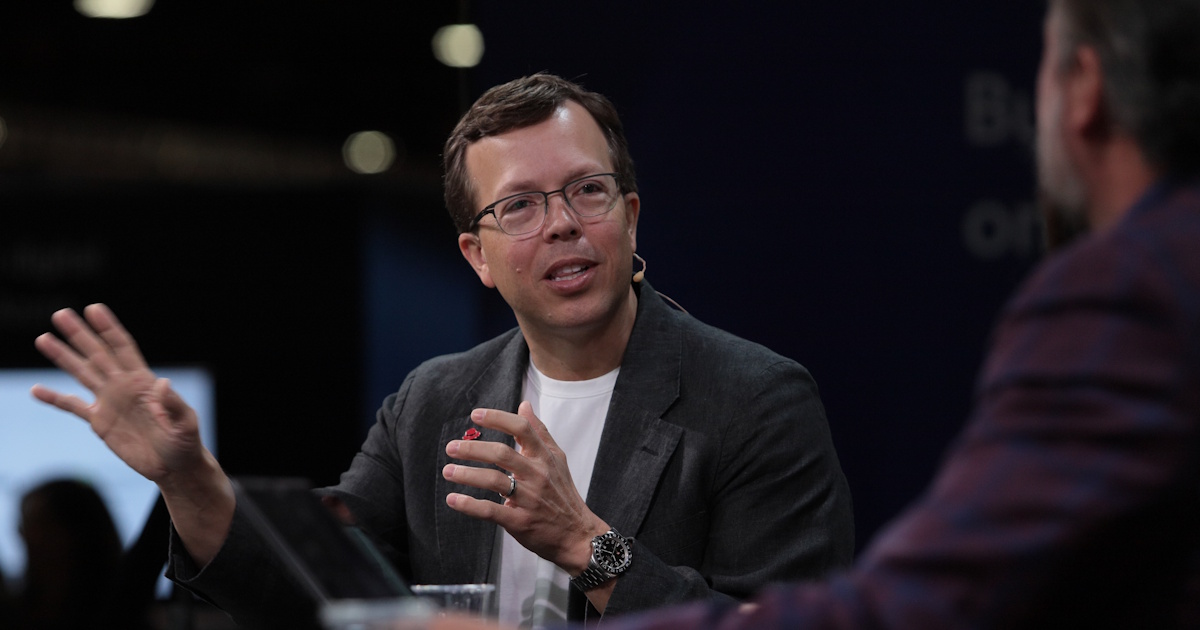
Red Hat Summit demonstration booth featuring a model train track, edge computing hardware, monitoring displays, and supporting infrastructure used to demonstrate AI-driven automation at the edge.Many AI demos stop at detection. A dashboard highlights an object, a model produces a classification, or a graph updates in real time. Those are valuable building blocks, but operational environments often require something more immediate—systems that can react locally, autonomously, and in near time.Using the Red Hat edge portfolio, we set out to explore what happens when AI moves beyond observation and begins driving real operational behavior.To bring that concept to life at Red Hat Summit 2026, we built a live train demonstration that transformed visual recognition directly into physical action at the edge.The demo became a tangible way to show how edge AI, containerized workloads, and fleet management technologies can work together in operational environments.What visitors experiencedThe booth setup was intentionally physical and interactive.Visitors could hold up printed placards representing commands such as:
‘Start’‘Stop’‘Slow’‘Reverse’Four visual command placards labeled Start, Stop, Slow, and Reverse used by a computer vision model to control train behavior through AI-based image recognition.A webcam connected to a managed edge gateway continuously captured video frames. Those frames were processed locally using OpenCV and passed into a MobileNetV3-based image classification model running with ONNX Runtime inside a Podman container on Red Hat Enterprise Linux image mode.Once the model confidently identified a placard, the application published a JSON message over MQTT (Message Queuing Telemetry Transport) to an industrial control system responsible for train behavior.The result was immediate and visible.A placard changed. The model classified it. An MQTT message was published. The train reacted.That entire workflow happened locally at the edge.