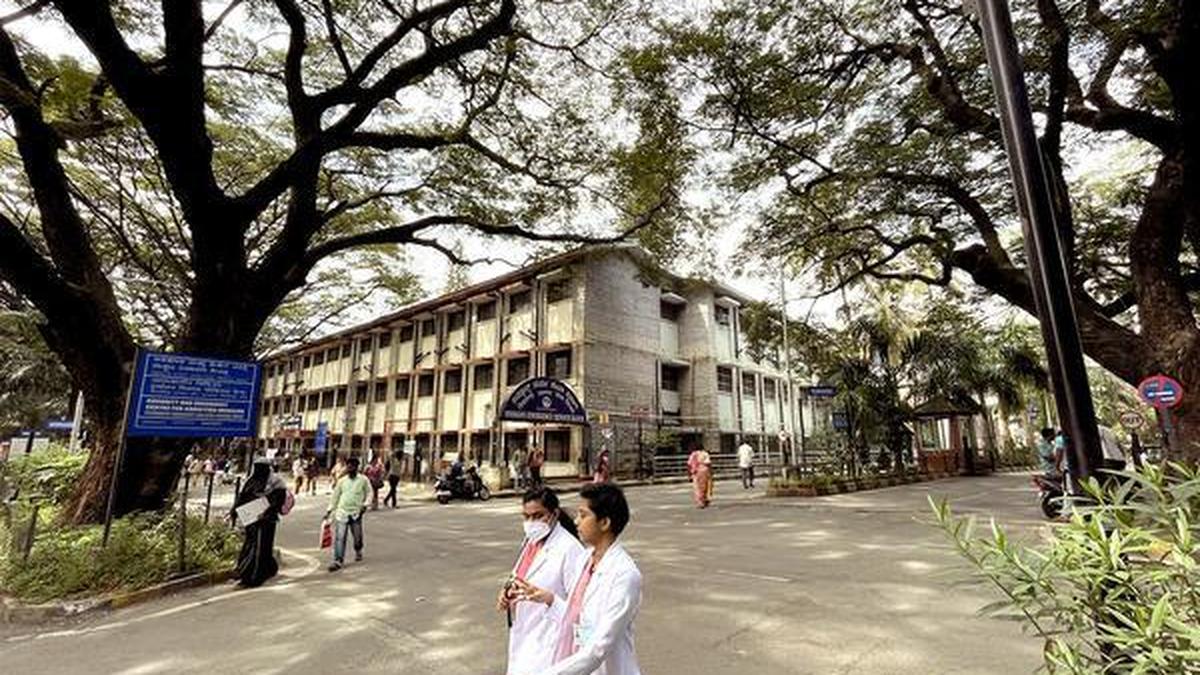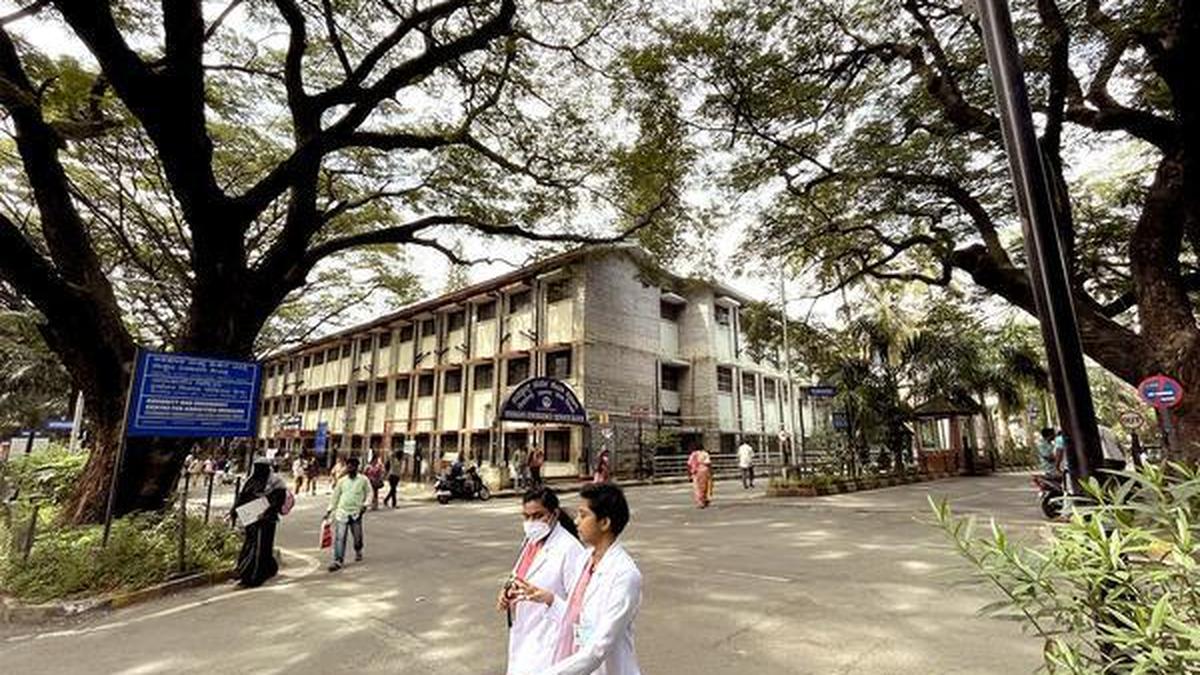
A view of NIMHANS in Bengaluru.
| Photo Credit: File photo
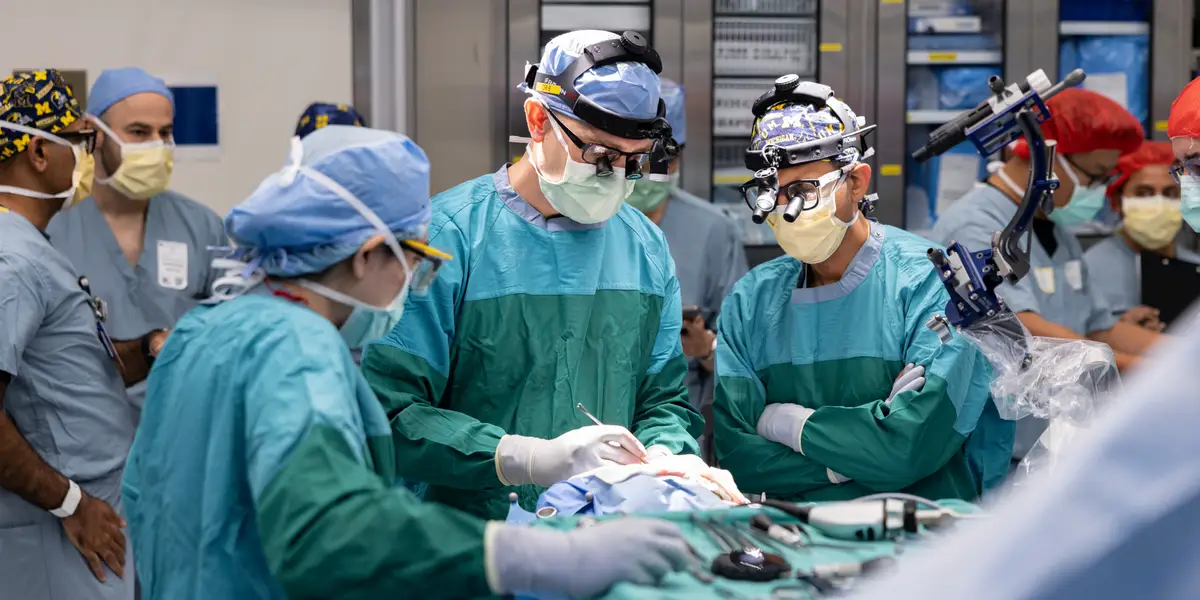
Marking a significant step towards developing home-grown neurovascular technologies, the National Institute of Mental Health and Neurosciences (NIMHANS) last week launched India’s first dedicated Endovascular Research and Innovation (EVRI) laboratory. The alpha prototype of an indigenous mechanical thrombectomy device for acute stroke intervention was also unveiled on the occasion.The laboratory, funded by the Science and Engineering Research Board (SERB), now the Anusandhan National Research Foundation (ANRF), Government of India, was inaugurated by NIMHANS director Prabha S. Chandra during a workshop titled ‘Atmanirbhar Bharat: Self-Reliant India in Neuroscience – Intellectual Property Rights (IPR)’, held at the institute.Thrombectomy deviceA key highlight of the event was the unveiling of the alpha prototype of ‘PARICHAY’, an indigenous mechanical thrombectomy device designed for the treatment of acute ischemic stroke. The prototype was unveiled by B. N. Gangadhar, former director of NIMHANS and former chairman of the National Medical Commission.Doctors said mechanical thrombectomy devices are used to remove blood clots from blocked arteries in the brain during an acute ischemic stroke. The procedure is time-critical and can significantly improve outcomes if performed promptly. The development of an indigenous device is expected to contribute to making advanced stroke care more accessible and affordable.The EVRI Laboratory has been established to focus on the research, design, development, and translation of neurovascular technologies, with an emphasis on reducing dependence on imported medical devices and strengthening indigenous innovation in advanced healthcare.Speaking on the occasion, Dr. Chandra underscored the need for innovation-driven healthcare solutions and greater self-reliance in high-end medical technologies.The workshop on IPR was organised by the Department of Neurosurgery, NIMHANS, in collaboration with the NIMHANS Incubation Centre and the Health and Intellectual Property Rights Academy (HIPRA). It brought together clinicians, researchers, engineers, innovators, industry representatives and policymakers to discuss intellectual property creation, technology transfer, and biomedical device development in neuroscience.Affordable healthcareLingaraju T.S., organising secretary of the workshop and principal investigator of the EVRI Laboratory, said clinician-led innovation would play a crucial role in translating research into affordable healthcare solutions.Experts from institutions including the Sree Chitra Tirunal Institute for Medical Sciences and Technology, Thiruvananthapuram, Indian Institute of Science, Bengaluru, the Indian Institute of Management – Bangalore, Centre for Cellular and Molecular Platforms, Bengaluru, Lok Nayak Hospital, Maulana Azad Medical College, New Delhi, and RV College of Engineering, Bengaluru, participated in the deliberations.Discussions focused on intellectual property rights, innovation ecosystems, academia-industry collaboration, start-up development, and the translation of laboratory research into clinical applications. Published - June 09, 2026 07:07 pm IST